Carb Loading in Rome, Italy | Taper Week Before My First Olympic-Distance Triathlon

I’m Elliot, a writer and marketer. Two years ago, I found myself recovering from the doldrums of the pandemic, living a very sedentary life. I knew I needed a change, so I started doing triathlons.

This year, thanks to a fortunate scheduling quirk, we planned a trip to Italy for the week immediately after finishing my 8-week training plan in anticipation for my first olympic distance race. This timing perfectly aligns with my preparation, more specifically my tapering and carb loading week.

If you’re unfamiliar with these concepts, here’s a quick rundown:

Tapering is all about giving your body time to rest and recover from the fatigue of intense training. While it’s important to maintain optimal fitness, continuing training right up until the race can leave you too exhausted to perform at your best. Typically, endurance athletes will taper for a few days to a few weeks, depending on the distance and difficulty of their race.

Carb loading focuses on ensuring that your body is well-nourished to handle the effort required on race day. Without delving into the science, carbs or carbohydrates are stored as an energy source known as glycogen in your muscles, and the more carbs you consume before the race, the more glycogen your muscles can store. Simply put, these extra carbs help sustain your energy throughout the race.

And you know what Italy is known for right? 

Pasta! Pizza! Pastries! Carbs! 

So, the plan was set! I made a list of all the carbs I wanted to eat and off we went. In this video, I’m going to share my experience carb loading in Italy and answer an important question: Is traveling during taper week a good idea? 

Now! Let’s head to Italy. 

One day after my final workout, we woke up at the crack of 3 am and skipped off to the airport.

After a 15 hour travel day, we arrived the next morning in Rome. 

Our plan is to spend 2 days in Rome and 3 days in a villa in Assisi, and then one more night in Rome before travelling back to Vancouver just in time for 2 days to rest and prep before the big race. While the main purpose of this trip is to attend our friends’ wedding, the second purpose of this trip is to taper and carb load. So my goal was to eat as much as I could.

The general math is that while carb loading, you should consume 8-10g of carbs per kg of body weight per day. That means, I should aim to consume around 330-460 grams of carbs per day for the first 3 days of the trip and then increase to 530-660 grams of carbs per day for the next 3. That sounds like a lot! 

Now, I’m going to do my best to add up all the carb heavy meals I had, and omit any dishes that I don’t think have that much carbs, just to keep things simple. On top of that, it’s important to note that I’m just grabbing a general estimate. None of this should be taken as science. I repeat! I am not a scientist. Or a chef. And some of the food, I’m not even sure what the names are. So yeah! That’s the kind of video this is. You’ve been warned. 

With that aside, let’s get to it. 
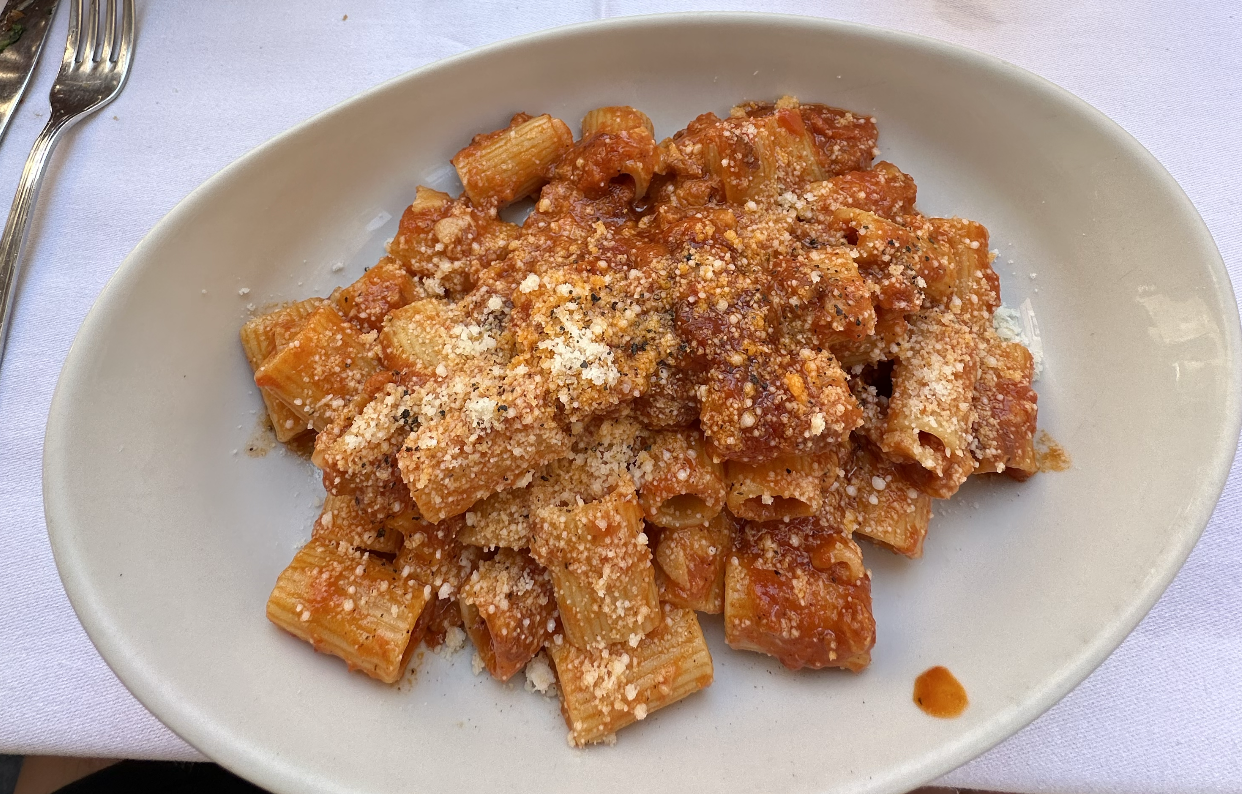

Pasta Amatriciana

Day 1: 

My Italian adventure kicked off with a delightful lunch of Pasta Amatriciana, packing in 85 grams of carbs. The whole reason we went to this specific restaurant in the Jewish Ghetto neighbourhood was to try one of the famous Jewish artichokes, adding 4 grams. Of course, I washed it all down with a refreshing beer, contributing 26 grams. It was good to know that beer has more carbs than wine! 

Dessert was our first of many gelato, offering 42 grams of carbs.
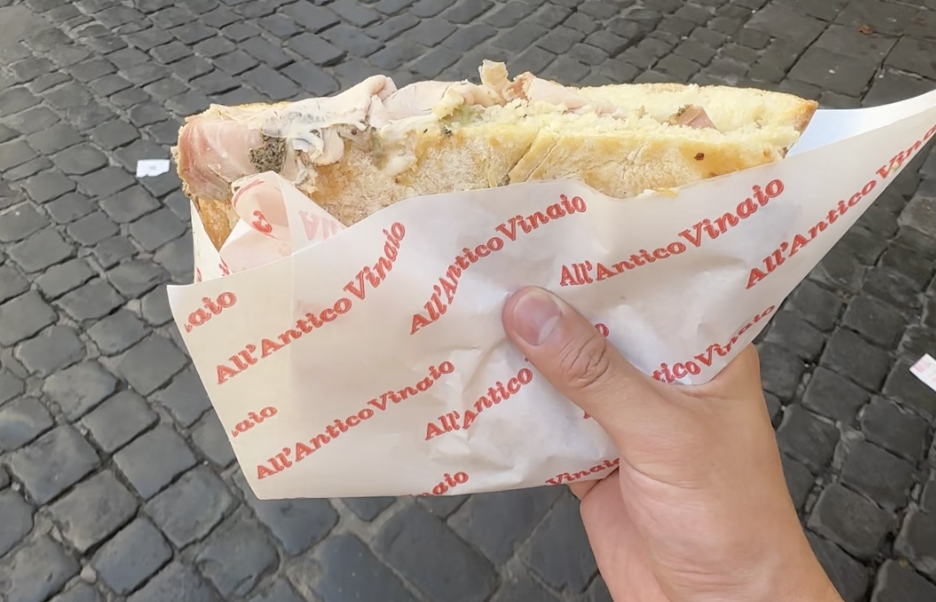
All’Antico Vinaio

On the way back to the hotel, I grabbed one of these world-famous Italian sandwiches from a popular place called All’Antico Vinaio, which added another 46 grams of carbs. We went back to our hotel for a quick nap to recover from the travel and the food before trudging out again to enjoy the evening.

For dinner, I had a Carbonara (85 grams of carbs), shared half a tiramisu with my wife (17 grams), another beer (26 grams), and a second round of gelato (42 grams).

Day 1 Total: I was nice and full and had managed to hit my target carb intake for the day. 347g Can I do it again tomorrow? 
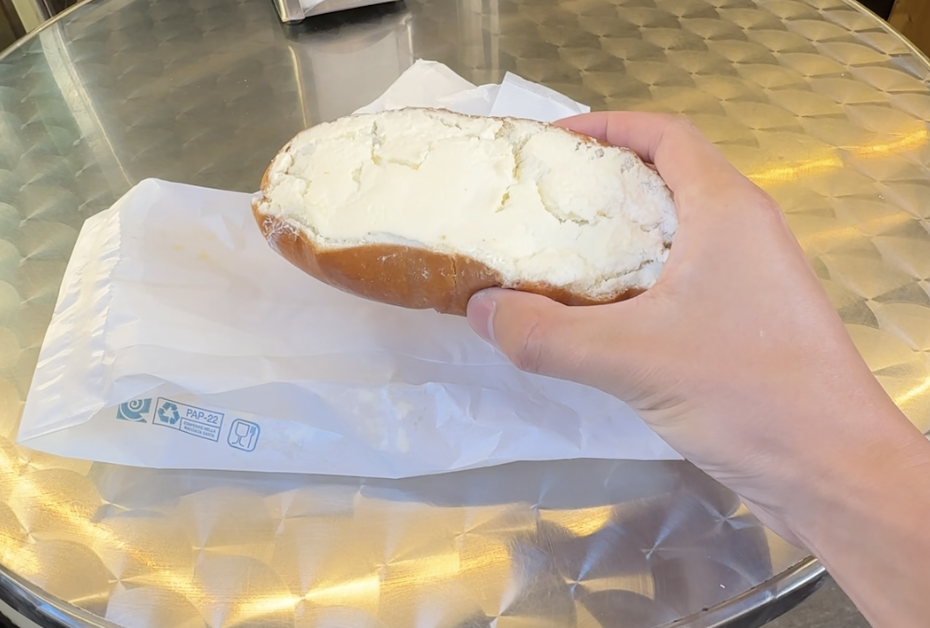
Maritozzi

Day 2: 

The next morning started with a traditional Roman breakfast: a Maritozzi pastry (23 grams of carbs), a cappuccino (4 grams), and some biscuits (12 grams).

For lunch, I opted for Spaghetti alle Vongole, spaghetti with clams (85 grams), accompanied by an obligatory beer (26 grams) and finished it off with gelato in a cone (51 grams). 
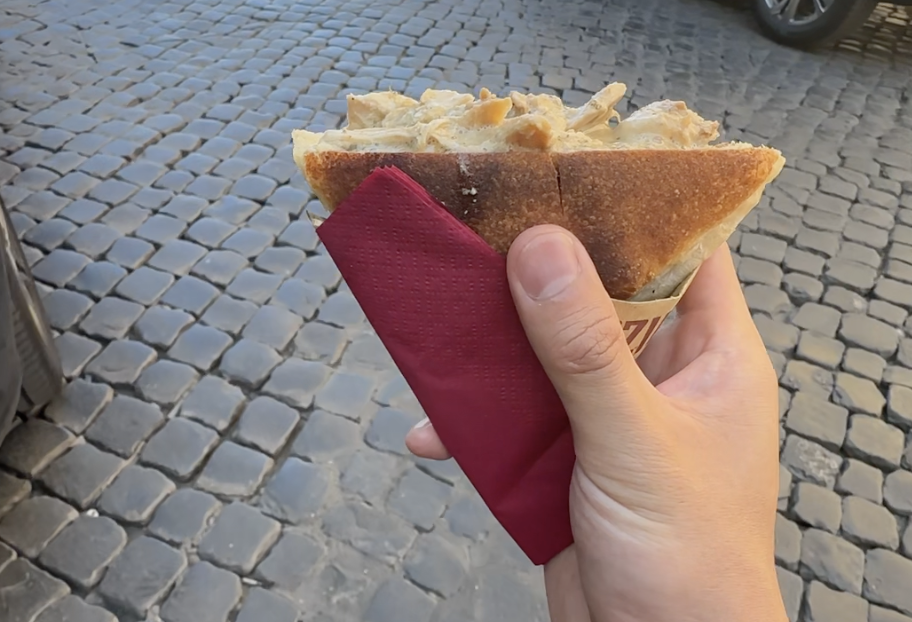
Trapizzino

Later, we meandered over to the Trastevere neighbourhood, and I got one of the famous Trapizzino (46 grams), a delightful pizza pocket.

Then we went for a long, hot walk to the Vatican and through some wonderful Renaissance piazzas before arriving back in our hotel for another nap. 
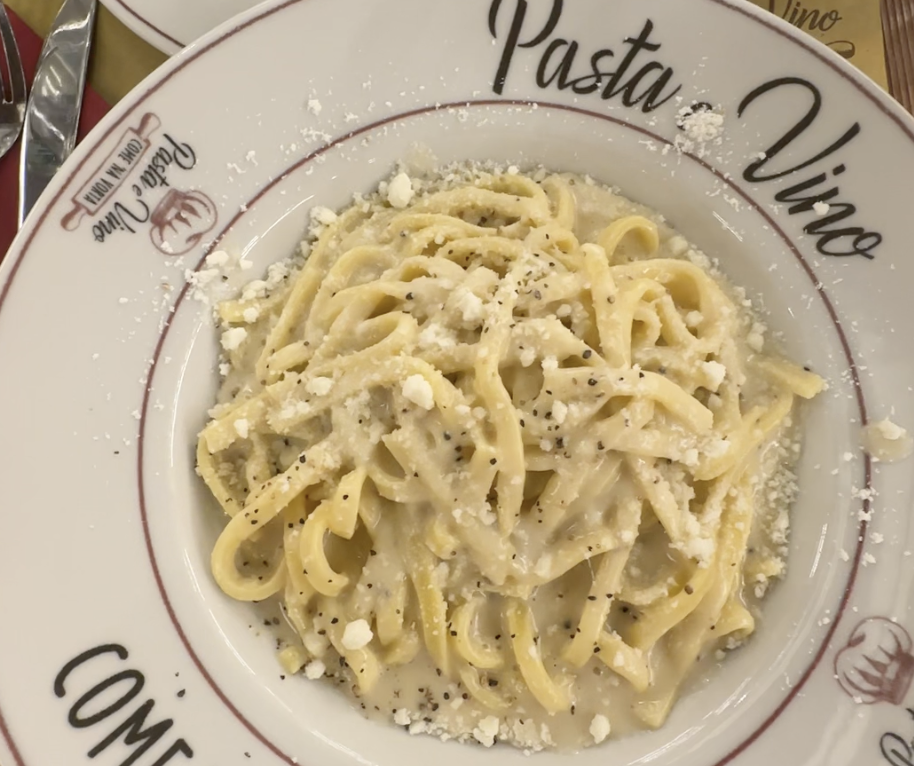
Cacio e Pepe

Dinner was another pasta feast with a Roman classic, Cacio e Pepe (82 grams), which was probably the best pasta I had in Italy so far. I also got another beer (26 grams) for the carbs specifically, and half a burrata (1 gram), which was just—dare I say it?—heavenly. Of course, I ended the day with more gelato (42 grams), which also happened to be the best gelato I had in Italy so far. An evening of bests! But how did I do on the carb loading? Let’s check the tally. 

Day 2 Total: A day well spent with plenty of pasta and carbs, I consumed 398g! Well within the range. Celebrate! But the next day, carbs may be harder to come by. 

Day 3: 

Our travel day to Assisi started with a quick breakfast of a cream-filled croissant (25 grams), cappuccino (4 grams), half a meringue (8 grams), and half a cookie (10 grams) before we headed off to the train station. 

All and all, it was a five hour journey from Rome to Assisi. 

Upon arriving at the villa for the wedding, dinner was a BBQ affair. Unfortunately, it wasn’t very carb-heavy, but I did enjoy some bread (14 grams), two beers (52 grams), wine (3.8 grams), and a tiramisu (32 grams). After dinner, we did discover these Nutella cookies (36 grams) and Focaccia flavored Pringles (4 grams). 

Day 3 Total: Carbs were a bit sparse, and even with the extra snacking, I missed my mark this day with only 188.8g. To be expected, but all is good. More meals to come. 

Day 4:

Today, our wedding party had plans to explore the town of Assisi. 

Before heading out, I had some room bread with jam (56 grams). 

Then while touring the town, I, of course, had to grab a gelato (42 grams) to get a little pick me up from being on my best behavior in the church. 

We continued our tour, got caught in the rain and then we took a break to grab some lunch. 

Lunch featured a Prosciutto Sandwich (45.5 grams) and finally, some sort of craft beer aka not Perronis (26 grams). More gelato followed (42 grams), I was getting adventurous with this one — I literally got licorice flavor, and you know what… It’s pretty good! Forgive me, I have sinned. 

Before we returned to the villa, we enjoyed a glass of wine (3.8 grams), focaccia bread (21 grams), some salty meat and cheese (which probably had little to no carbs, but was so good) and a macchiato (1 gram). 
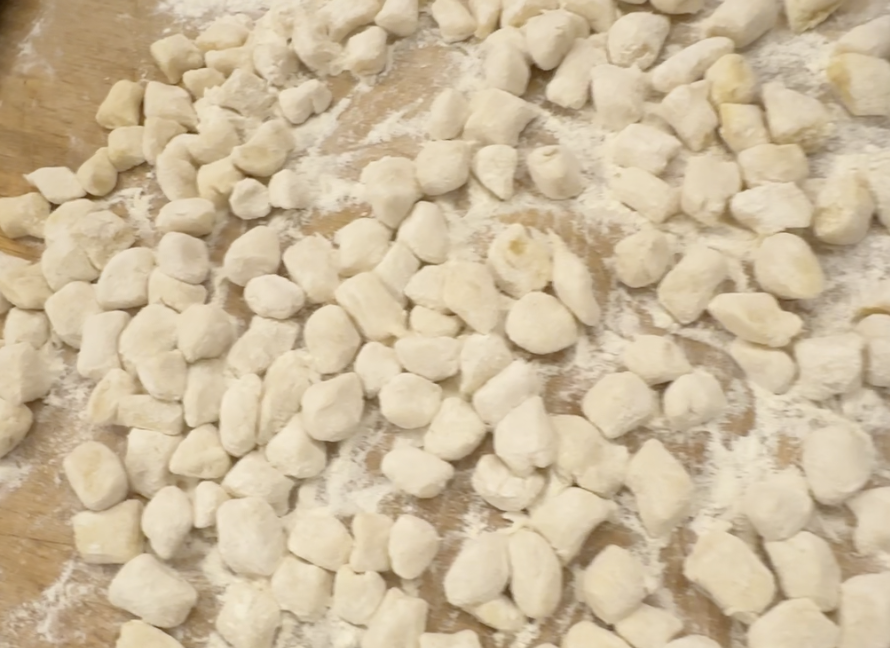
Gnocchi

Dinner was the highlight of the evening that started with a gnocchi-making class where we then got to enjoy our creation (156 grams), I washed that down with a beer (26 grams). 

For dessert, I tried Zuppa Inglese (34 grams) which is like trifle, and if you’re like me and you don’t know what trifle is… well, it’s a thing of little value or importance.  We stayed up late this night, watched the lightning storm roll in and out, and I stayed up for about an hour extra alone in the kitchen, snacking on Nutella (21g), jam (13g) and Fetta Dorate (39 grams), which are these melba toast things.

Day 4 Total: An excellent day of eating, there seemed to be a little of everything and it all tallied up to 526.3g. Mission accomplished! Well, for this day at least. 

Day 5:

Today is a big day! The wedding day! 

The morning started with cappuccino (4 grams) and biscuits (12 grams). The groom’s father treated us to a variety of Middle Eastern sweets (40 grams).

Lunch included two ham sandwiches (96 grams) and a beer (26 grams). Not sure about the science of carb loading with beer, but I wonder if all the alcohol may have negative effects on my race. I guess we’ll never know. 

Then, we had the wedding and afterwards, I snacked on some Hors D’oeuvre (28g)

Finally, we sat down for the wedding dinner, which included a couple of Arancinis (10.8 grams), bread (14 grams), Farro Salad (35.5 grams), Risotto (54 grams), and potatoes (9 grams). There was also a meat dish there as well. It was really good, but sadly, no carbs, so we don’t need to talk about it any further. 

Mille Feuille Cake

For dessert, there was this really awesome Mille Feuille (18.5 grams) cake.

Day 5 Total: Yes, while I did consume 346.8g of carbs one must believe that I burned all of it off on the dance floor that night… and let’s not forget an impromptu workout session that… might have been detrimental to my tapering. One will find out later. 

Day 6:

Well, our stay at the villa is over. 

After a final breakfast of beans (10 grams), pita (16 grams), baklava (14.5 grams), and what I believe is called basbousa (20 grams), we caught the train back to Rome. 

The funny thing about traveling in Italy is that you never really know how long a journey will take. What we expected to be a 3 hour direct ride back to the city, ended up taking over 5 hours thanks to some delays and a mid-ride train switch half way through. So… we didn’t get back into Rome until late that evening. 

Still we made the most of our last night, and I did all I could do to load up on carbs in just one meal.  
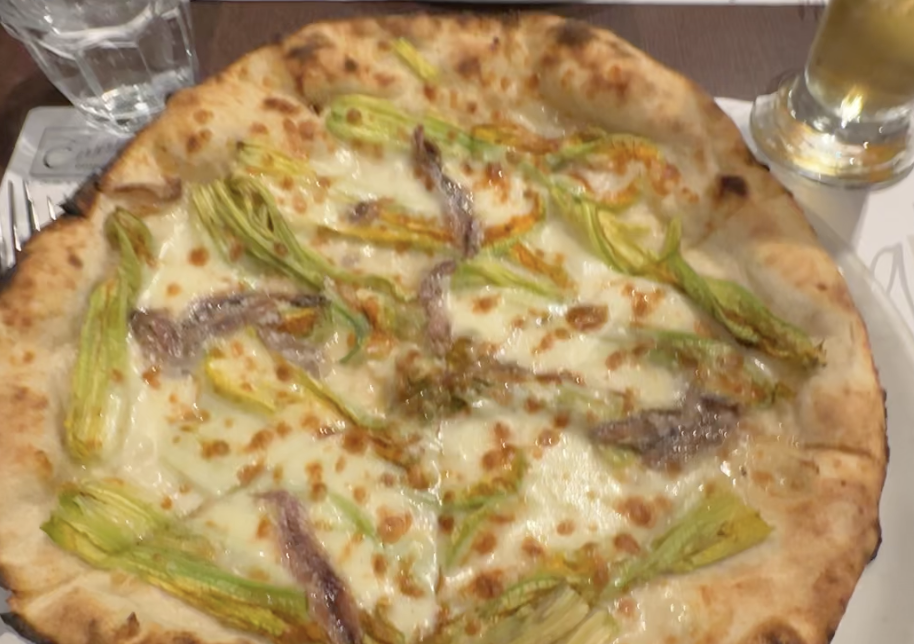
Anchovy Pizza

Dinner in Rome was a carb-lover’s dream with a beer (26 grams), Anchovy Pizza (99 grams), Suppli (34.4 grams), and Pasta Marinara (98 grams). Of course, I capped it off with gelato (42 grams).

Day 6 Total: An excellent final night of indulgence before heading back home gave me a total of 359.9g

Day 7: Farewell to Italy

And just like that.. Our Italian trip was over. It’s time to say goodbye to the humidity and the old stuff, and return to Vancouver.

But not before we had one last breakfast. Our last morning in Italy included a cappuccino (4 grams) and a cream-filled donut (58 grams). 

At the airport, I enjoyed a final Italian meal: half a croquette (3.9 grams), half an arancini (2.7 grams), pizza (50 grams), and lasagna (35 grams). For the flight, I had a chocolate croissant (33 grams) and half a donut (20 grams), with additional pasta onboard (49 grams).

And let’s not forget about the A&W burger (35g) and fries (54g) I got during layover.

Day 7 Total: It was a sweet ending to my Italian adventure, giving me a total of 344.6g. Although the last few days in transit made it hard to get all the carbs in… it doesn’t change the fact that when I did get some carbs in, it was delicious.


Italy turned out to be a great trip, but I did return real sore and tired. I’m really thankful for the extra day of rest before the race. Do I recommend going to Italy for a taper/carb loading experience? Yes! But you should actually plan out the meals a little better than I did. And make sure you also have a few more days to rest. 

Of course, once I got home, I was able to fill up a bit more and spend the whole day Saturday recovering before getting my race package and dropping off my bike on Sunday. 

Could I be more rested and carbed up? Yes, I could. But I could also say the same about training and pretty much every factor of my preparation. Life is life, and I’m as good as I am going to be. 

So… here it comes… the race. 

Join my YouTube community for insights on writing, the creative process, and the endurance needed to tackle big projects. Subscribe Now!

For more writing ideas and original stories, please sign up for my mailing list. You won’t receive emails from me often, but when you do, they’ll only include my proudest works.
No money for elaborate Carnival

Opinions_Brazil-768x512
Image via abcnews.com

Why there is little for Brazil to celebrate

By Elliot Chan, Opinions Editor
Formerly published in The Other Press. March 9, 2016

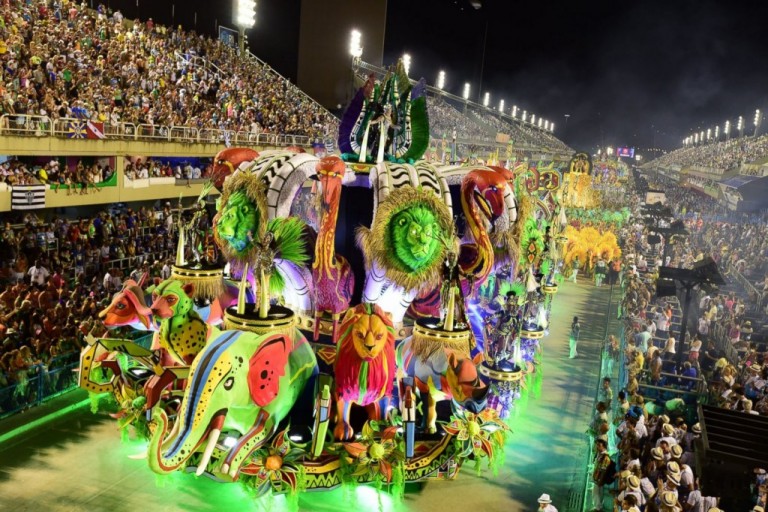
There were no flowery floats, high-tempo samba music, or scantily clad performers this year. For Brazilians, the cancelation of the world-famous, multi-day, nationwide street festival known as Carnival must have felt as though someone pulled the plug on Christmas.

The announcement that many Brazilian cities would be putting a hold on the celebration, which traditionally ends on Ash Wednesday, must have been disappointing, but not completely surprising. It seemed like an easy decision; after all, when you are sick and broke, the last thing you would want to do is invite everybody over for a party, right?

Brazil is currently caught in one of the worst recessions in decades. With declining tax revenues and the Zika outbreak, over 40 towns and cities have decided to spend the money annually spent on the parade on resources such as new ambulances. Nobody can deny the value of medical services, but with approximately eight per cent of all employment in the country based around tourism and travel—nearly the same amount as unemployment—the absence of Carnival will undoubtedly take another big bite out of Brazil’s fast-shrinking gross domestic product.

Around the world, Brazil has a particular image: party host. In the past few years, Brazil had won bids to host the 2014 FIFA World Cup and the 2016 Summer Olympics. This led to liberal spending from the government, with the World Cup alone costing an estimated $14 billion. That’s a lot of ambulances. See, what ended up happening was that the country priced itself so high that only wealthy tourists can afford the luxury—and Brazil makes sure tourist are wealthy with their travel visa qualification process.

Now, it’s not the World Cup or Olympics that are causing Brazil’s economic downfall. There are a number of reasons, including corrupted political parties and energy companies, inflation in commodities, and the fact that the economy of China, one of their leading exporters, is also slowing down.

What’s happening with Brazil is something every country can learn from—heck, it’s something every person can learn from.

It seemed like yesterday Brazil was touted as one of the fastest growing economies in the world. Not only did its continent ride on its back, but the world as well. The spotlight was on Brazil, and at a time when any wise government would have taken a step back and assessed the whole situation, the Brazilian government did not. It turned to greed rather than insurance. Instead of solving problems close to home—poverty, crime, employment—it, like a drunken frat boy, took one drink after another until he needed a friend to call his parents to drive him home.

The Brazilian power rose too high, they partied too hard, and they got too greedy. Now, they have to forgo a traditional event that their own citizens cherish. It’s sad to see such a rapid fall from grace, but I guess that’s often how a hangover feels. One moment you are on top of the world, booming. The next, you are waking up with the realization that your economy is now a bust.

There is a time to celebrate, and there is a time to pay it forward and invest within. There needs to be a balance. To keep partying, you’ll need to stay healthy—and wealthy. I love Brazil, and I hope I get to celebrate there again soon.

Dear refugees from Vietnam

Vietnamese_refugees_on_US_carrier,_Operation_Frequent_Wind

My advice for new immigrants

By Elliot Chan, Opinions Editor
Formerly published for the 1976-themed issue of the Other Press. January 13, 2016

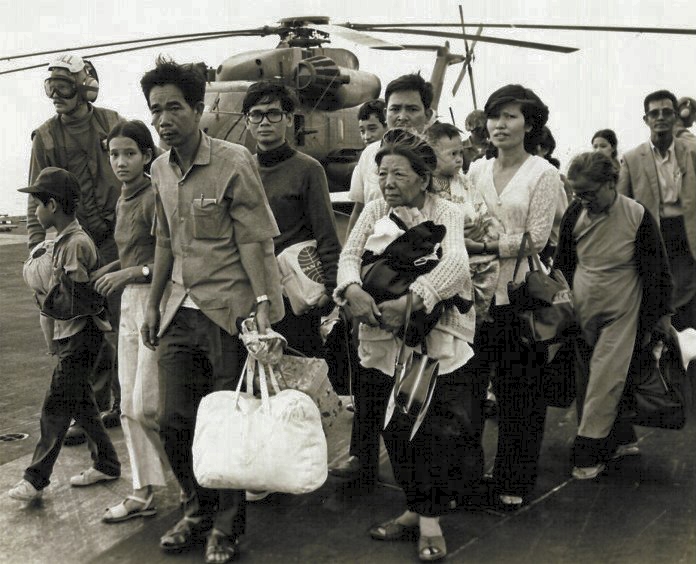
A few years ago, my mother’s side of the family emigrated to Canada, France, and the United States from their home country, which had been torn apart by the Vietnam War, in the hope of starting a new life. So here I am now. What my family went through must have been tumultuous and frightening. Hopefully they can put those experiences in the past.

The following is some advice I have to give to not just my family, but to all immigrants, from all over the world, because there is so much to learn in this new world.

Language: One of the first things I would tell them is how important proficiency in English is. It’s true that Canada is a multicultural country, but only in select parts of it. The majority of Canada is still predominantly English speaking. Having a strong command in English is the first step to getting work that isn’t in a kitchen or warehouse.

Owning property: Homeless to homeowner in a few years. It can happen. This is the country of opportunity. Get a job, save up, and buy property. Invest in the suburbs surrounding the urban core, where property prices are very reasonable for families. Canada loves immigrants, and our population will surely boom, thus increasing the value over time.

Travel: I don’t believe travel is a practice you learn in your latter years. I think it is the best form of education both personally and socially. I understand that being immigrants means that at one point they were put through an arduous trip, but traveling in all forms is an opportunity for growth. My family members are citizens of Canada now, but they could be citizens of the world (even though there is much to see in Canada).

Hobbies: In developing countries, hobbies are for survival. In the developed countries, hobbies are for survival too, but in a more personal way. In this new world, my family works, comes home, watches television, goes to sleep, and repeats those steps. They don’t have hobbies per se. My mom is a practicing Buddhist, so she is a part of some communities, but she doesn’t have any personal projects—except for raising me, I guess. I believe personal projects, be they reading books, building miniatures, learning to cook, or working on puzzles, are a substantial record of accomplishments. Finding an area of interest to focus on helps create an identity, not just for other people to view you, but how you view yourself.

Refugees, like my mom, are still finding homes and creating their lives in Canada. They walk among us every day. In this country, there is so much freedom, and I wouldn’t want any new citizen to squander it by living only to pay their bills.

Pack an extra change

Image via http://www.thestar.com/

Naked tourists need to respect sacred rules—even if rules are ridiculous

By Elliot Chan, Opinions Editor
Formerly published in The Other Press. July 7, 2015

Travelling is all about taking risk. The whole idea of travelling is built upon adventure. What travellers forget—especially Western travellers—is that our vacation grounds are other people’s homes.

On May 30, a group of Canadian, Dutch, and British tourists visiting Malaysia decided to strip down on Mount Kinabalu for photographs. The mountain was considered the most sacred peak in the country. The act was not only considered disrespectful, but also thought to be the cause of a magnitude 5.9 earthquake that ended up killing 16 people.

It’s hard to argue that the earthquake and the obscene act had any correlation. In my mind, the two events were just an unfortunate coincidence. The movement of tectonic plates—not tits and penises—causes earthquakes. Nude photography is a popular trend; just ask the celebrities who have had their phone hacked. We all love thrills and what is more exciting than nude pictures and travelling? It’s totally a memory worth having, right?

There’s nothing wrong with naked pictures if you are willing to take full responsibility for them. For the tourists in Malaysia, they paid for it heavily. It became a criminal offence and it cost lives. Anytime you disrespect sacred rules and suffer immediate consequences that must cause some remorse. It reminds us that while travelling we are guests in someone else’s country; we need to acknowledge their rules and customs and abide by them.

Getting in trouble abroad is every tourist’s nightmare. So why put yourself in a bad situation? I don’t blame those tourists for “angering the Gods and causing an earthquake.” They were just behaving like idiot tourists and got linked to a tragedy.

If you are travelling and you want to be adventurous, be sure you learn the rules first. General laws and ethics are not universal. You can be certain if something is deemed sacred that the rules are stricter. Don’t fuck around. It’s okay to break through your comfort zone and do something daring, but breaking the rules can put you in a tough position, especially where language barriers are involved.

There are plenty of places to be naked in this world, plenty of places to act the fool. The key is to know where and when that is okay. Being a good traveller is not just about being adaptive, but also intelligent and aware of the ever-changing rules.

Home is where your stuff is

Image via Thinkstock

Why there is nothing wrong with staying home

By Elliot Chan, Opinions Editor
Formerly published in The Other Press. March 31, 2015

There is often this bludgeoning urge to go out and seize the day. On a Friday night, it sure seems like everyone is eager to make something of it, but more often than not, it just means going to the same restaurant or bar, with the same people, and stumbling home to a well-deserved Saturday morning hangover. With such a great desire to make it to the weekend or holiday break, maybe we should take some time to relax and just stay home.

I love travelling. It’s the passion that drives my very existence. Knowing that I have some place to go in the near future excites me the same way a new superhero movie may excite other people. I love travelling, but commuting sucks. Being out of my natural environment, the little niche I created for myself, sucks. I dislike long bus rides, and I can barely speak English let alone any other languages, so communicating in a foreign place is always a lengthy game of charades. I love travelling, but I can’t imagine doing it all the time.

Staycation, the term coined for the act of staying at home during a long weekend or a holiday season, is a perfectly reasonable way to take a break. Regular day-to-day life is stressful to say the least, and travelling—especially with a group—whether it’s down to the pub or to the other side of the world, is no less exhausting.

It’s a good idea to get out of the house once in a while and experience something other than television shows and instant noodles. But if you find yourself dashing here and there on a daily basis, stop, take a moment, lie down in your bed, walk out into your garden, open your closet, look out your window, scan your bookshelf, survey your pantry, and experience the very place you live in.

The grass may always seem greener. You look at a picturesque image of a beach in Thailand, you look at the happy photos of friends drinking in a bar, and you feel tempted. Embrace that temptation should it happen. Don’t force yourself to stay at home, but don’t force yourself to go out either. The choice is yours. Nevertheless, if your choice is to stay home, know this: you are going to have the freedom to do whatever you want, wear whatever you want, and nobody will kick you out or charge you a $10 cover to enter. You can fall asleep without having to transit home. You can leave a mess and nobody will get angry. You can listen to your own music, watch the shows you like, read the books you want, and eat the food you cooked.

Home is not a prison; it’s where your stuff is, and you’ve worked hard for all your stuff.

Lost Vegas

by Elliot Chan

I was somewhere on Las Vegas Boulevard heading south from my hotel, which seemed like a mirage in the distance. I was 18 years old, too young to enjoy any standard entertainment and too old to tag along with my family.

OLYMPUS DIGITAL CAMERA

Vegas was a sad place for a family vacation. My father and I would hop about from one slot machine to the next, fearful to commit, but too curious to worry. My mother would attempt to wrangle us all together for quality time. At night we would see shows and eat buffets, but the days were long and there weren’t much for an adolescent boy to do.

OLYMPUS DIGITAL CAMERA

We weren’t staying long, just four nights. And in that short amount of time, I managed a lot of walking—but I refer to it as an urban hike. On my own I wandered the promenades searching for something spectacular. There weren’t many streets like it in the world. There were landmarks on every corner and swarms of tourist crisscrossing, traveling from one hotel to the next with no intention of staying.

OLYMPUS DIGITAL CAMERA

The day was hot and I was already too far-gone. I would enter a hotel for rest, savoring the theme of each casino as if it was some novel location. I enjoyed the idea of a place in the world where nobody really lived in, where everyone was just visiting. A part of me feels like this is how every city should be, how all citizens should be—Nomadic, just aimlessly wandering, winning and losing.

OLYMPUS DIGITAL CAMERA

Outside I could only locate myself by the signs and building structures. Bellagio, MGM Grand and Treasure Island, everything seemed so close at a glance, but that was Vegas’ greatest illusion. The city is deceptively big, and my attempt to visit every hotel on the block was a failure.

OLYMPUS DIGITAL CAMERA

I took a wrong exit out of MGM and ended up on a highway. I went back in, wandered around for a bit, looking the proper exit and for the prize lion they have locked up behind glass, but the cage was being cleaned and all that was there were two maintenance men. I eventually found another exit that didn’t look familiar. It was too late though; I was already on the move.

OLYMPUS DIGITAL CAMERA

I left the strip and was struck with a moment of fright when I crossed through a construction site. A new hotel perhaps, should be ready for accommodations the next time I visit. Until then, I needed to find my way back to my current hotel, miles away.

The gulls it takes to call a place “paradise”. A man hands me a couple prostitute trading cards. How delightful. I tuck it into my pocket and continue on my way. I arrive at a courtyard at Caesars Palace. I snap some pictures of statues and monuments and realized what I was doing. I was fooling myself into believe I was some place special. I was in Rome, New York, Paris, and Egypt. Vegas is a travelers’ lie. Too frightened to travel? Don’t want to deal with language barrier or snooty locals? Well Vegas.

OLYMPUS DIGITAL CAMERA

For vacationers, Vegas can be a terrific all-inclusive experience, but for travelers, Vegas is a warm up, an appetizer or even just a menu. Nobody really gets lost there, they just get returned.


SOS Canada

 shutterstock_199724069-500x375c

Should the Canadian consulate rescue troubled citizens abroad?

By Elliot Chan, Opinions Editor

Formerly published in The Other Press. Jan. 28, 2014

Travellers know the danger of visiting a foreign country; it’s the little extra spice in travelling. They hear stories on the television about political unrest, radical rebels, and petty criminals. Still, their desire to see the world is not dampened by the risks. Travellers know if something happens to them abroad, their citizenship is enough for them to get noticed. Someone back home will care about and miss them. Their government will do whatever it takes to get them back. But what if the travellers were the troublemakers? Should they be brought back home and punished as Canadians?

We all get that anxious feeling when we cross the security checkpoint at airports. Sure, we know that we haven’t committed any crimes and that we aren’t packing any contraband, yet we still worry because the alternative of being guilty is so scary. Put yourself in the shoes of a smuggler; put yourself in the shoes of a smuggler being detained; then put yourself in the shoes of a smuggler sentenced to death. So, I ask again, should Canada save you?

Currently, the Canadian consular office provides detainees the ability to communicate with their home country, presents proper nutrition, and connects them with a legal representative, but it does not get them out of jail or post their bail or make travel accommodations for their family. Although some countries have transfer of offender arrangements—including Brazil, United Kingdom, and Thailand—many other countries don’t. The Canadian Department of Foreign Affairs, Trade, and Development has a lot of limitations when it comes to another country’s judicial system.

Travellers are not just Canadian citizens; they must also be citizens of the world. To say that they don’t know the law in another country isn’t a good excuse. That is just ignorance and deserves to be punished. The same way you wouldn’t jump into an ocean if you don’t know how to swim or what lies beneath, you shouldn’t dive into a foreign country if you don’t know what will pose harm for you, the locals, and your country’s image.

Remember that when you’re abroad you’re a representative of your homeland, regardless of where you’re from and what your background is. As much as you want to have an awesome time and make wonderful memories, it’s also important to respect other people’s home and country. Remember that you’re a guest and that you’re not entitled to anything. Be respectful and treat Cambodia, Cameroon, and Colombia the way you would treat Canada. If you follow ethical behaviour wherever you go—you know, the kind of stuff your mother taught you—you likely stay out of trouble.

Terminally Chill

LS_Airportfinal-1024x739

Surviving airport purgatory

Formerly published in The Other Press. May 8 2013

By Elliot Chan, Staff Writer

No matter how well you prepare for traveling, delays and cancellations are bound to happen. You can huff and puff all you want, but it won’t get that plane in the air any faster. I have suffered through many days and nights at airports far from home, sometimes due to finicky air traffic control, other times caused by my own stupidity. I know exactly how Tom Hanks’ character felt in The Terminal, wandering around an empty airport, with nobody but custodians and airport security eyeing you. They know how harmless you are, but their pitiful reproaches are pinpricks to the ego.

When faced with a long airport stay, you have two options: you can choose to leave the airport, get a hotel room, and pass the time in the world outside. But if you’re like me and didn’t budget for inconvenience, you might rather just hunker down at the airport and wait for the tides to turn. If that’s the case, I’ve supplied some tips that will help you not only pass the time, but make the best of it.

Move around: Don’t be bound to the little comfy corner you found for yourself. An airport is a big place; there are many places to roam around. By staying active, you can avoid the monotony of airport cabin fever. And if you do have a corner you like, odds are few people are going to compete for that little secluded spot. Most people are coming and going; few linger like we do.

Be productive: Music, books, movies, and even companions can all be rendered useless at an airport. There is only so much you can do before boredom kicks in and you lose the will to focus on meaningless enjoyments. Stay productive instead. Start researching activities you want to do when you reach your destination or catch up on work. Grab a piece of paper and make a list of the chores you would like to accomplish when you get home. Turn the dreary hours of waiting into constructive and creative time well spent. Don’t resist getting work done just because you are on a trip. There is a satisfying feeling when you accomplish something out of the blue.

Eat, rest, and get better: After you get over the initial disappointment and frustration, it is time to regroup. Grab some food and rest. People-watching is a great way to forget about your own troubles. See them hustle down the concourse toward baggage claim, know that for the moment you can just chill. People will generally be friendly when you try to strike up a conversation—for most people, travel is an exciting thing. Simply ask where they are from and where they are going, and you can tell by their tone whether or not they are eager to continue with the conversation. If not, move on. They probably aren’t going anywhere interesting anyways.

Whether you missed a connecting flight or other unforeseen circumstances kept you from flying, know that waiting is not the worst thing that can happen abroad. No matter how restless you get, remember that traveling is a privilege. So what if you lose an hour, a day, even a week of traveling; safety is the most important thing. Keep track of your belongings and take care of yourself. The airport might never be heaven, but it definitely doesn’t have to be hell.

Before you go

Image via the Toronto Sun

Formerly published in The Other Press. Apr. 16 2013

The preparation and apprehension of travelling

By Elliot Chan, Staff Writer

So you’ve decided to trade in the comforts of home for the adventurous world abroad. Good choice, but there is more to travelling than just hopping into a car or stepping onto an airplane. Sometimes we get so focused on the beaches, foods, and activities we forget that we are not entering a big playground; we are entering someone’s home, natural habitats, and a different functioning society. These are important things to take into consideration before you depart.

While some friends would look at you with envy, others will eye you with trepidation, worried that you might not return. You can spin a globe around as long as you want and never land on a perfect country. Every place has their own unique problems, whether it is poverty, political disputes, natural disasters, or all of the above. It is true we are fortunate to be living where we are, but bad things can happen anywhere at any time. Despite this, it is important we make choices that sustain personal growth. I remember a conversation I had with an older man on a connecting flight in Salt Lake City. I asked him where he was going and he said, “Atlanta, Georgia to visit my family.” Then he asked me the same question and I replied, “Quito, Ecuador, to check it out.” “Check it out? You don’t just go some place to check it out!” He seemed outraged by my response, as if I had irresponsibly booked a flight to the moon. The old man’s disapproval stayed with me for a while, but he was wrong… life is all about checking stuff out.

Now that you have your passport renewed, required visas, vaccinations, traveller’s insurance, plane tickets, and packed bags there are few less tangible necessities that you should consider. Make sure you are physically healthy. I know you are a trooper, but believe me the smallest aggravation can ruin your long-awaited vacation. Any teeth, joint, or head pain should be properly assessed before departure. Your travel companions do not deserve to be your nurse for the length of the trip. And unless you are staying at an all-inclusive five-star hotel, try to get into reasonable shape. You won’t be running marathons, but sightseeing can be a strenuous activity.

Next, you must do some research about the culture. Wherever you end up going, understand that people don’t always agree on the same customs. Tourists often feel immune to the law and plea ignorance, but that is not right. Just imagine someone coming to your hometown and vandalizing your property because it was okay where they grew up. Odds are your bad habits will look bad in any country. Don’t spit, don’t cuss, and don’t fight.

Not all locals enjoy tourists waltzing around their city. Most will gladly help you, but keep in mind that they too have busy schedules. They don’t have all day listening to you fumble with words to communicate. Have a communication strategy if you don’t know the language. Bring a translator or a phrase book and attempt to learn. You might feel like an ignorant fool, but it is part of the process. Plus, you are not as good of a charades player as you think you are.

Boarding time is approaching, and you are anxiously anticipating the trip of a lifetime. Always be aware that the worst-case scenario is just right around the corner—but it probably isn’t, so have fun.