I’ll save it for someone special

14_gifts

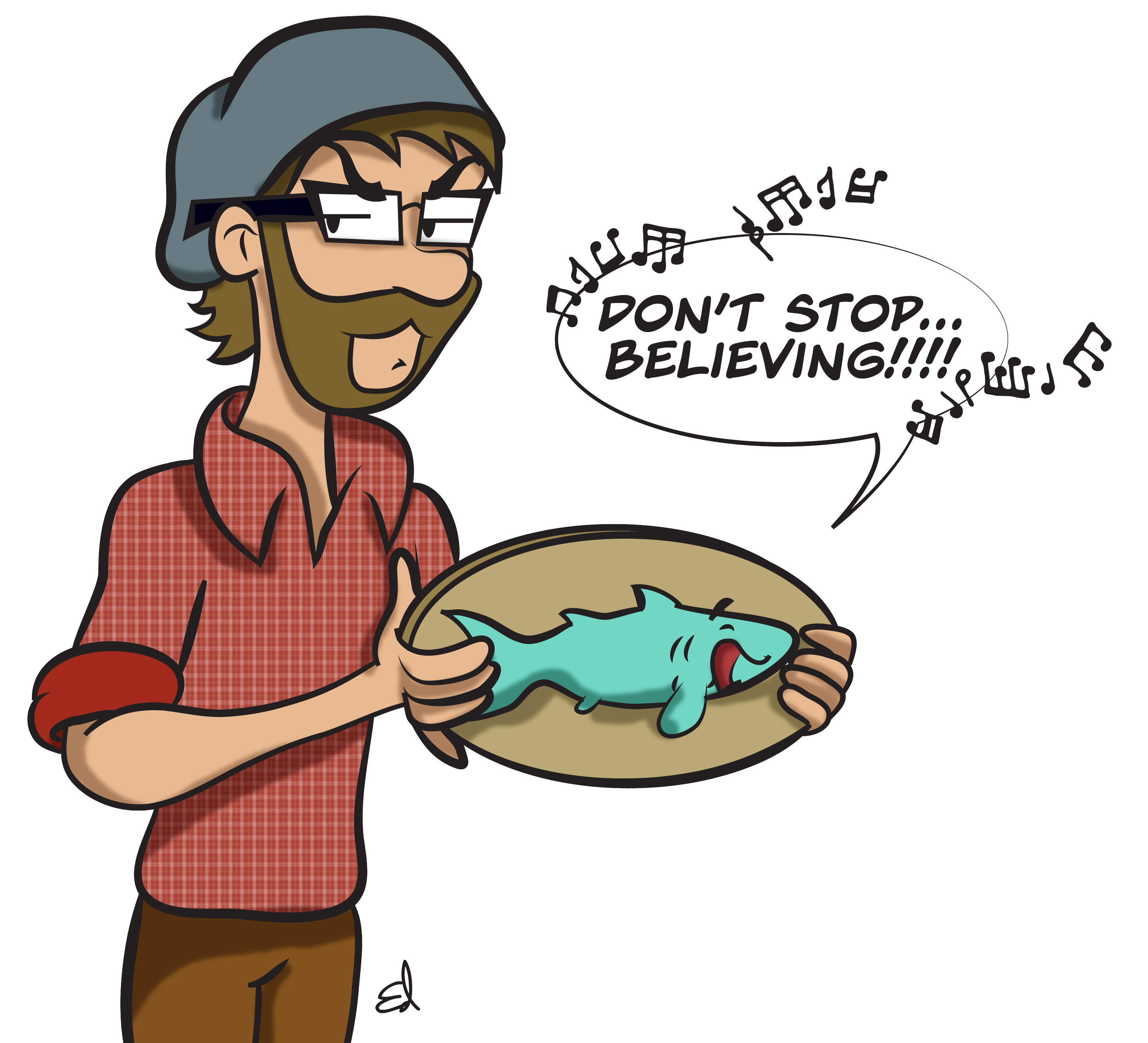
Keep the receipt; you have the right to return the gifts you don’t want

By Elliot Chan, Opinions Editor

Formerly published in the Other Press. Jan. 7, 2014

There are many circumstances to gift exchanges, including traditions, hospitality, and romances. Although these gestures are often associated with goodwill and thoughtfulness, gifts can also become temptations, garbage, and good ol’ white elephants. Despite the occasional awkwardness that comes with gift giving, nothing compares to the gross attitude of returning gifts.

It often stuns me to see the line-up at department stores, set up specifically for returns. After the holiday season, consumers will find a day to gather all the unopened gifts they’ve received from Aunt Jane or Uncle Paul and return them for store credits—or if they’re lucky, money back. Maybe sometimes Aunt June and Uncle Paul will give their approval for returning their gifts, but who really has the gall to ask?

There is a stigma that comes with returning gifts, and rightly so. Purchasing presents can often be a stressful chore. Shopping malls become a battlefield, so much so that gift receivers should feel grateful that they got anything at all. But no! The onus should be on the giver to find the perfect gift and not simply settle once their feet are tired from doing the third lap around Metrotown. If you are going to buy someone something, make sure it is something they want, need, or will at least have a chuckle at.

Giving a gift with no thought behind it can be more insulting than not giving a gift at all. Sometimes people say, “It’s the thought that counts.” Well, was there really any thought at all? Sure you might’ve thought about them, but you didn’t consider their personality, their wants and desires, or even if they wanted you to give them a gift at all—because, hey, maybe they didn’t think about you. Not all your acquaintances will consider you gift-worthy, and they might simply omit you from their list for shopping-sanity reasons. So if you can’t confirm that the person enjoys chocolate, save the Ferrero Rocher for someone else; if you can’t confirm that the person enjoys reading, don’t buy a book (a.k.a. homework); and if you can’t confirm that the person wants a tacky antique figurine in their home, well I want it, I love tacky stuff.

Gift giving is an art form; skilled gift givers can read someone, assess their relationship with that person, and offer something of value. But after the gift is exchanged, it no longer belongs to the gift giver; it belongs to the receiver, and it’s theirs to do with as they please. Should they choose to return it, re-gift it, or allow it to sit on the shelf until your next visit—to show you how much they care—that is up to them.

Never condemn someone for returning your gifts, because giving a gift is all about making someone happy. Burdening them with your lack of thought is not what you intended, so suck up your pride—it was never really about you.
The Origin of Five World-Class Car Manufacturers

Posted by  | November 06, 2013 | 
Ghostwritten by Elliot Chan. Formerly published in Unhaggle.com
Ferruccio-at-Tractor-Factory-1968The automotive origin can be traced back to the 18th century, so is it fair that we now treat it like ancient history? Modern ingenuity has changed the way we perceive the world—what was once considered revolutionary; today it’s just the norm. Cars, vehicles, horseless carriages or whatever else you called it were one of those groundbreaking leaps that people today take for granted. But the dawn of automobiles is a story worth revisiting. How did these big car manufacturers come to be? What can the history of our cars tell us about the history of the world at large?

Honda

Since arriving to Canada in 1969, Honda had been one of the leading choices for Canadian commuters, with the Civic being one of the best selling cars for 15 years.

Soichiro Honda, an automotive enthusiast, founded the automobile and motorcycle company in 1948, but that was not how he started out. Honda initially founded Tokai Seiki, a machine company, that eventually helped produce piston rings for Toyota. In 1944 during WWII, US B-29 bomber destroyed Tokai Seiki’s Yamashita plant and in 1945 the plant in Itawa fell due to an earthquake—Honda decided to sell the remains to Toyota for 450,000 yen and developed the Honda Technical Research Institution in 1946.

From there, with only 12 staff members, Honda began to attract customers by enabling them to attach an engine onto their bikes, thus creating their first motorbike model, the Honda Model A—also known as the Bata Bata. In years to come, Honda will increase their production line by hundredfolds.

Saab

In Sweden, Saab is not only a car manufacturer, but they are also the aerospace and defence company—Svenska Aeroplane Aktiebolaget, which means Swedish Aeroplane Corporation.

For a while Saab was flourishing in Canada peaking in 2006 with 2,640 sold. Although Saab had recent turmoil due to General Motor’s financial state, the brand will return to European owners, a Swedish sports car company named Koenigsegg Group.

The Scandinavian automobile company has gone through many identities since it was established in 1937. Built initially to design aircrafts for the Swedish Air Force during WWII—the company found that due to the country’s neutral stance, automotive was a better alterative than fighter planes.

In 1947, the first commercial automobile model, Ursaab, hit the road. From there Saab was fueled by their unconventional way of developing products.

Ford

01 FORD 8x10 1Ford remains one of the top choices for Canadians selling 275,953 in 2012. But they weren’t always recognized for their rugged reliable machines—in July 1903, Dr. Ernst Pfenning, a dentist, boughtthe first Ford Model A. It was vehicle far from tough Ford image; after all, it only reached maximum speeds of 30 miles per hour. And for $850 it was considered very affordable.

The Ford Motor Company went through many different orientations before becoming the well-known motor company it is today. In 1901 it was known as the Henry Ford Company, in 1902 it changed its name to Cadillac Motor Company and finally in 1903 it settled as The Ford Motor Company.

Henry Ford became the founder of one of the largest family-controlled companies in the world and the tradition continues to this day. While many large companies folded during the Great Depression, Ford powered through, proving that although they didn’t start with a rugged exterior and a powerful engine, they were destined for toughness.

Lamborghini

Ferruccio Lamborghini was always a fan of Ferraris, but always considered them too loud and aggressive to be a conventional car on the road.

After serving in WWII as a mechanic, Lamborghini went on to start a business building tractors. That was the initial start of his sports car business, but it wasn’t until 1963, did Lamborghini Automobiliwas officially established.

Because of Lamborghini’s fortune, he was able to cultivate many luxury vehicles during his life, even if he was just a tractor manufacturer. During the mid 50s, he found that the clutch to his Ferrari was broken; he decided to replace it with one from his tractor and discovered that it was the same. When he approached Enzo Ferrari—Ferrari told him he knew nothing about sports cars, perhaps that sparked a new pursuit and a rivalry.

Lamborghini still remains an extravagant form of transportation for Canadians today. With so many models noted as the most expensive vehicles in the world—what began, as a dream of tractor company owner is now a highly touted pristine automobile.

Mercedes-Benz

hitler-mercedesWar had been a common theme for automobile innovation and most of us already know the history of Mercedes-Benz. Often considered to be a trophy for Adolf Hitler, Mercedes-Benz has survived the dark history to become a prestigious vehicle of choice for many.

In Canada, Mercedes-Benz is one of the most revered automobiles on the road. With 35,503 units sold in 2012 the manufacturer is reaching many milestones.

The first milestone for Mercedes-Benz and automobile in general, began with Karl Benz and his first petrol-powered car in 1886. It was named the Benz Patent-Motorwagen. Although there have been attempts at automobiles before, Benz’s creation is commonly referred to as the first automobile ever.

Even though the brand is associated with a dark moment in history, Mercedes-Benz did introduced many technological and safety innovation and is continuing to create trends both in popular culture, fashion and of course automotives.

The German car company has been around for over a hundred years will still be around for many more—and only time will tell what will happen to all the other automobile manufacturers as they compete for a spot in our garage and on the road.

Why You Will Never Win a High Speed Chase

Posted by  | October 16, 2013 | 

Ghostwritten by Elliot Chan
Formerly published in Unhaggle.com 

vwtouareg-road-blockFirst off, you’re not Vin Diesel and life is not a movie. In our unscripted world, there are just too many things working against you if a high-speed chase is your choice in escaping the law. Plain and simple, you won’t win. But if you dare tempt fate, turning your speeding ticket into a felony might be your best-case scenario. A car can be after all a dangerous weapon.

What You’re Up Against, The Pursuit Vehicles

At a glance, there is nothing spectacular about a RCMP pursuit vehicle. Yes, they have the common police paint job, flashy lights and sirens. But it’s the interior that makes pursuit cars superior to civilian cars. First off, they have engines with more horsepower to compensate for the additional equipment and also to keep up with suspects’ cars.

The common (yet declining use in service) second generation, Ford Crown Victoria has 4.6 L Modular V8 engine. The Dodge Charger Pursuit (the likely replacement to Crown Victoria) has 292 hp, 5.7 L and V8 Hemi engine. The Ford Taurus, another common pursuit car used by the RCMP, can have up to 3.5 L EcoBoost V6, 365hp. Also, an external oil-to-engine-coolant and heavy-duty radiator help pursuit vehicles reach up to 211 km/h (131 mph). Pursuit cars are constantly being reviewed to get the most benefits for taxpayer dollars and reduce carbon footprint… even a smart car?

Pursuit vehicles might have advanced modification, but the real reason you won’t escape them isn’t because of the speedy cop car, it’s also everything else on the road. Even if you are driving a speedy new car with the ability to outrun a Police Interceptor, odds are, someone will see your erratic driving and inform the authority. You’ll hit roadside debris, another car or a pothole—that’ll end your escape pretty quickly.

High Speed Pursuit Strategies

North American authority takes pursuits seriously. With 350 death in the States every year caused by high-speed chases (30% of those innocent bystanders), most pursuit protocols call for the officer to avoid this dangerous form of arrest as best as possible—but often it only works with the suspect’s cooperation. Multiple techniques are used to stun the driver.

A common one is known as The Pursuit Intervention Technique (PIT) also known as The Tactical Vehicle Intervention. This technique requires the pursuit vehicle to make contact with the fleeing vehicle, by striking it behind the rear wheel. With enough force, the pursuit vehicle will cause the suspect to lose control and spin out. The road must be cleared for police to execute PIT safely, or in the safest way possible.blockade

There are several methods police use to avoid and halt high-speed chases. And if you are like me, you will remember all those blockbuster movies you’ve seen. You know, those with police cars barricading, creating a roadblock causing the fleeing vehicle to stop or to turn off the road, damaging the car in the process. Although this is becoming less popular pursuit intervention technique as it puts several officers in harms way.

Another Hollywood approach to stopping a runaway vehicle is with spike belts. The 35 to 75mm spikes are strategically built to puncture tires, allowing air to slowly expel. Tires don’t burst when they hit the spikes, but soon suspects will be driving on their rims, turning the chase into a slow crawl. Spike belts are effective, yet notoriously dangerous. Since 1973 approximately 20 police officers lost their lives deploying them. Due to the risk, this method of attaining fleeing suspects is banned by numerous North American police departments.

Helicopters also play a large role in high-speed chases, but in Canada there is a more reserved usage of aerial surveillance. The RCMP simply doesn’t see the value in having them. Instead, they rely more heavily on radio communication. Even though they don’t have an eye in the sky, modern vehicles are equip with a built in GPS—so it’s not really a game of hide and seek anymore.

Lesson of the Day

With vehicle, technology and authority aside, driving is still a complicated undertaking. Wrong turns, constructions, detours, dead ends, school zones, traffic jams and everything else that you see on a daily commute will become an obstacle for anyone on a high-speed chase. Overwhelmed with stress, confusion and lack of rational thoughts—a driver on the run is bound to make a mistake. And one mistake is all it takes.

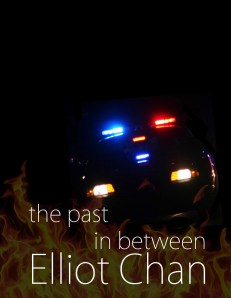
The Past in Between by Elliot Chan

Buy it here!

pastinbetweentitle2

Book description:

Some people get second chances, but Constable Seth Southgate and Van Vuong are much luckier, they’ve got many more—unfortunately chances aren’t privileges, they aren’t measurable, and they aren’t always acknowledged. From a hospital bed and a prison cell, the two men face the repercussions of their choices, recall the chances they received, and wonder when the trigger was pulled and their fortunes faded.

Origin of the book:

In 2010, I didn’t have much going on. I bounced around different jobs, while still trying to hang on to some hope of becoming an actor/director. As I waited for Hollywood to call, I did a lot of writing and developed a love for it—a love that didn’t leave me feeling jilted, unlike my love for film. I entered the 3-Day Writing Contest to motivate myself to write something, just to get it done from beginning to end. Well, I did it—and I left it on the shelf for 3 years. Why I abandoned it for so long, I don’t know, but I do know that I don’t believe in building a boat and never sailing it. So here it is now: The Past in Between is a novel about second chances… which is fitting, because I gave it a second chance to be read, just like how writing offered me a second chance to create artistically, in addition to making a living and pursuing a passion. It really is nice looking back sometimes and seeing where I’ve come from. This book allowed me to do that. Now let’s look forward.

The Past in Between is available on Amazon for ebook.

Danger and violence is a part of growing up

 Opinions_Extreme-sports

Parents’ safety concerns shouldn’t determine child’s athletic aspirations

By Elliot Chan, Opinions Editor

Formerly published in the Other Press. Dec. 2013

From an early age, we teach children to behave nicely and to play safe, but overprotectiveness can be more damaging than kicks, punches, and scrapes against pavement. Protecting children is one thing, but activities that test endurance such as hockey, mixed martial arts (MMA), and other sports requiring a helmet can offer valuable lessons—ones that children cannot get from their caring parents.

Although many still consider MMA to be a barbaric sport, it’s incredibly popular amongst the younger generation. Parents are more inclined today to enrol their children in lessons and cheer on their sons and daughters as they duke it out. That being said, it only takes a few seconds of viewing a child “ground and pound” an opponent before we recognize what is really happening. We shoot some judgmental glances at the parents and wonder how they could have let such a monstrosity happen.

Give me a break. I feel those parents should be commended for believing in their children, despite their child’s loss. Sure the child got hurt in the process—let that be the worst thing to happen in that child’s life. Sports are inherently dangerous; it doesn’t matter if you sprain your MCL playing badminton or get concussed from a roundhouse kick. Competition hurts and so does life. Spoiling children and keeping them in the house playing video games is more crippling than a few bruises.

The reason why I believe after-school and weekend sports enrolment for children is so important is that I didn’t have any when I was growing up. I had overprotective parents who wanted me to pursue academic and artistic endeavours and avoid the tremulous world of athletics. I believe the inability to cope with losing set me back a bit as I aged. I was afraid to fall and take chances, until one day I decided to purchase a skateboard with my own money and prove my durability. I remember returning home with blood dripping down my leg, proud. I had fallen and I survived.

Competition is a part of life, and the earlier we teach our children this concept the more competent they’ll be, whether in academic, professional, or athletics goals. Learning to lose is as important as learning to win. Those who are successful will tell you that there is not one without the other. If the child has a passion and is willing the pursue it, parents should support them regardless of the concrete floor, opposing teams, or headlocks.

Some may call certain sports violent, and therefore worth banning children from. Certain children are also naturally more violent than others, and the combination sounds like a recipe for disaster. But sports allow children to focus their intensity by giving them motivation in a controlled environment. Kids who act out in classrooms will often find sports not only help build physical stamina, but mental stamina as well.

Scars are not signs of mom and dad’s inept parenting—they’re badges of honour for the children.

Live fast/retire young

Opinions_Retire-young

Should the best have the right to hang it up early?

By Elliot Chan, Opinions Editor

Formerly published in The Other Press. Dec. 2013

End with a bang, finish on top, and leave the audience wanting more; they might all be clichés, but any athlete, performer, and business professional who says they want their career to peter out and end with a little whimper is a liar. It’s tempting to push the limits of our achievements and it’s even more tempting to ride off into the sunset early—but what does it really mean to retire as champion and be the undisputed, undefeated best of the best? Some might refer to that scenario as the ideal end to a beautiful career, but I consider it selfish, lazy, and inconsiderate.

At UFC 167, Canadian welterweight champion George St. Pierre kept his title against number one contender Johny Hendricks. After the controversial match, St. Pierre announced that he would be taking a long hiatus from the sport. Fans, management, and opposition were outraged by the news, even though St. Pierre admitted to needing time to deal with his own personal problems—few had sympathy for one of the best pound-for-pound MMA fighters in the world.

A title is a responsibility, regardless of the job. If you don’t want to perform the job any more, you don’t deserve the title. An actor wouldn’t audition for a role and then drop it as soon as they got cast. A qualified business manager who gets hired and then decides to quit, leaving the company in the lurch, is disrespectful and classless. The same goes for professional MMA fighters. If you win, you’d better be ready to defend. Now, I admit not being allowed the option to step away gracefully and having to be pummelled until retirement may seem a bit cruel, but aren’t we all struggling through life? I’m not saying every occupation should end with a five-round bout in the octagon, but there should be some sort of closure—especially if you’re the best.

Some believe being washed-up or a has-been is a tarnishing trait to a respectful professional, but I believe it’s the only honest way to pass the torch; to truly know if the successor is deserving of the reverence that comes with the title. Eventually the apprentice will defeat the master; that is just the way of life. In the animal kingdom we often see the alpha male being usurped by a younger individual. The only honourable thing for the aging animal to do is to stand its ground or flee in disgrace of the community it helped build.

I fear we have put certain public figures on too high of a pedestal and that is wrong. We have made false idols out of these talented people and the idea of treating them like normal humans is considered blasphemy. A person withholding their talents from society is similar to theft. They’re taking something of great value away from the world, and that is not okay.

World-class athletes, performers, and business professionals already get treated like kings. There is no doubt that their egos often cloud their judgment, causing them to be more concerned with their reputations than with their actual roles as influencers. Sure, it might be better for the self-esteem to go out on top, but it’s better for the self-image to admit defeat and shake hands with the next generation. If I may quote a line from The Dark Knight’s Harvey Dent, “You either die a hero or you live long enough to see yourself become the villain.” Don’t become the villain—keep fighting.

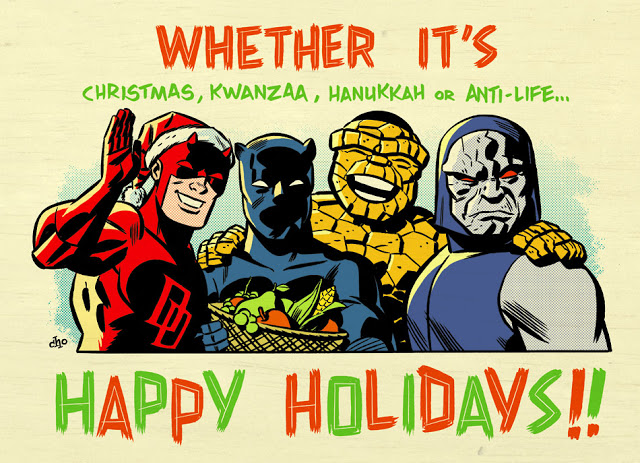
Diversify December

 Opinions_Diverse-Chrsitmas

There is more to December than Christmas

By Elliot Chan, Opinions Editor

Formerly published in the Other Press. Dec. 2013

It always surprises me that despite living in such a multicultural city, whenever December comes around, all I hear about is Christmas. I’m certain that there are people just like me, floating about with no religious or cultural link to any holidays. I know I’m not the only one who has blindly accepted Christmas to be the popular choice and ignored all the rest without any recognition.

I remember a time when people were proposing that the phrase, “Merry Christmas” should be officially replaced with politically correct salutations including, “Season’s greetings” and “Happy holidays.” Christmas’ overwhelming attractiveness reigned supreme and those that still get upset about it would be considered rather uptight or having a chronic case of seasonal affective disorder.

Still, I feel it’s important to recognize other significant holidays that other people actually celebrate.

Some might be complaining about Christmas’ early start this year, but Hanukkah actually does start early. November 27 at sundown marked the start of the Jewish holiday, but you probably forgot because you were too busy putting up decorative lights or getting ready for Black Friday. Luckily, there are eight days of Hanukkah, so you still have until December 5 to spin a dreidel and put on Adam Sandler’s animated movie, Eight Crazy Nights.

Bodhi Day arrives during a time of affluence for many. We reap the rewards of a year-long drudgery and enjoy the secret Santa gifts and holiday dinners. But Bodhi Day, December 6 is not about indulgence and splurging on shopping bargains, it commemorates the day the Buddha experienced enlightenment. Different variations of Buddhism, from Zen to Pure Land Buddhism all across the globe take part in this celebration. The traditional way to mark this day is to take part in meditation, but I don’t suggest it, knowing that you’ll probably be full off turkey and red wine.

Although the African community is small in Vancouver, Kwanzaa is a significant holiday, celebrated by over 4.7-million people in the United States and 28-million people in the world. This week-long holiday that starts on Boxing Day and ends on New Year’s Day. For those who do celebrate Kwanzaa, they must face the fact that the eclipse of post-Christmas festivities blinds many people from this holiday. If you are one of those fine folks bracing for New Year’s Day with anticipation, take a moment and sit back and enjoy a movie by Maya Angelou called The Black Candle, a film that explores African culture by using Kwanzaa as the vehicle to tell the tale.

Winter solstice is the occasion to bring family and friends together and share the year’s finale. It’s a beautiful time; every region of the world has their own practices—but I don’t, and I don’t need them. We should all be cultural explorers. It’s nice to decorate trees or light candles, but with such a diverse selection of holidays this month, trying something new might just be the necessary change needed to rejuvenate the spirit and prepare yourself for another year.

Spotlight in Sochi

 Sports_Sochi-2014-olymic-stadium

International hockey teams look for key players to help win gold in Russia

By Elliot Chan, Opinions Editor

Formerly published in The Other Press. Nov. 2013

The Olympics bring out the hockey nations’ most elite players, but when stars in club teams join international teams, not every player will get the spotlight—many accustomed to being leaders in the NHL will have to take on secondary or defensive roles. Players recognized for highlight reel plays might not get the opportunity to showcase their skills on the international stage, but that doesn’t mean they’re a liability—in fact, the unsung players are often those that contribute most to gold medal teams. Without further ado, here’s a quick preview of the top contenders.

Canada: Who is going to get Sidney Crosby the puck? It might not be Steven Stamkos, even though he was a projected line mate before the top goal scorer in the NHL went down with a leg injury. In 2010, Jarome Iginla set up the golden goal, but due to his rise in age and decline in stock, he might be dismissed, making room for an up-and-comer. So who will be the key figure in 2014 flying under the radar? Consider Crosby’s set-up man on the Pittsburgh Penguins, Chris Kunitz. Team Canada often tries to be fancy, but I believe team chemistry is more important than talent alone. Head coach Mike Babcock may consider trying out many players with Crosby, but with 27 points in 28 games this season, Kunitz is as good as any Canadian to set up a game winner.

Russia: With home ice advantage and a team known for its firepower, Team Russia is going to do everything they can to reverse their Olympic fortunes. It’s true, the Red Army has been intimidating on paper for many years, but if the Alexander Ovechkins and Evgeni Malkins can’t win games, who can they count on? We might have forgotten about him in the NHL, but Ilya Kovalchuk is still a game changer (when he wants to be), with 30 points in 26 games in the KHL with league-leading St. Petersburg SKA. With Kovalchuk, Russia may be the favourite to upset the two North American teams.

USA: Tasting silver in 2010 was a bitter experience for the Americans even though they arrived in Vancouver as the underdogs. They failed to score the last goal four years ago, but that was not because of their forwards—it was because of their defence. Without Ryan Miller playing at top form there wouldn’t even be silver. But with Miller’s confidence crippled by a horrible Buffalo Sabres team, who can the US count on to stop the opposition? Why not Jack Johnson from the Columbus Blue Jackets? He had been sitting, waiting, wishing for a second chance at gold and this time with healthy experience on a defensively sound Blue Jacket team, he might just be the consistent blue liner to get the USA to the next level.

Sweden: The 2006 champions will not have an easy trip to the podium in 2014. Team Sweden will need both their veterans and youngsters to be at their best for the two-week tournament. Any stalled play will definitely go against their favour and may be impossible to recover. Look for the Colorado Avalanche’s captain Gabriel Landeskog to play a larger role on the international team after turning the Avalanche’s productivity around this year with an impressive 17-5-0 start to the NHL season.

Whether it’s blocking a shot or making a key pass in a tight situation, Olympic hockey is all about talented players doing the little things to win. These players may have smaller roles, but they are far from small players.

Google alert

google-zip

Will search engine censorship track criminals or create them?

By Elliot Chan, Opinions Editor

Formerly published in the Other Press. Nov. 2013

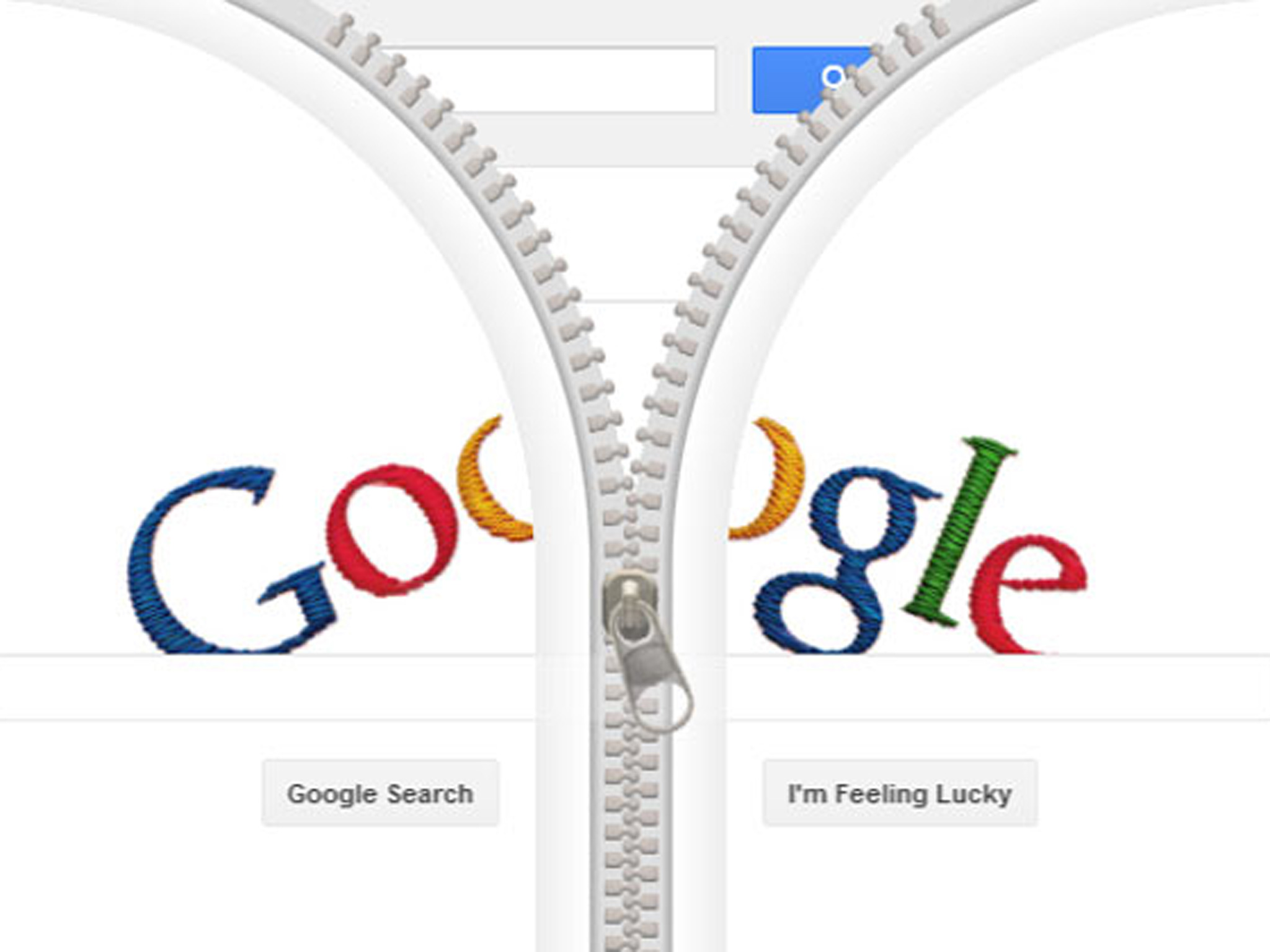
The three titans of the Internet, Google, Microsoft Bing, and Yahoo!, are developing an ethical way to ban perverse searches, most notably links to child pornography and abuse content. At one point, Google and Bing echoed one another in saying the regulation “couldn’t and shouldn’t be done.” They have finally given in with a little arm-twisting from David Cameron, the British prime minister, who threatened to bring in a new legislation if the search engines did not take steps towards the solution. Now with over 100,000 illegal search queries blocked, one must ask: are we in fact closer to solving the problem, or have we just closed the door and opened a window?

Google admits that “no algorithm is perfect” when seeking out sexual predators and abuse offenders; still, the search engine has selected 13,000 queries to include a warning, which states that what the user has searched for is illegal and offers suggestions for help. The problem is those users aren’t searching for help; they are seeking pleasure and release—and they’ll get it one way or another. As soon as these offenders recognize the trap doors of the Internet, they will find loopholes and alternatives, perhaps ones that are more dangerous and damaging.

There is a global consensus that child pornography and abuse is an abhorrent crime and that it should be banned, but the Internet should be a platform of unlimited information. The difficulty is finding the balance between blocking too much and too little. How do we let the researchers research, while creating restrictions for the perverts?

The search engines will have to decide how far they are willing to push the ban. If pedophiles start using unrelated keywords to communicate, does that mean innocuous words will be banned as well? Slang words are born every day, and to try to track each and every one is a lost cause. Dr. Joss Wright, a researcher at the Oxford Internet Institution, made a valid point saying that users can start referring to abuse images as “cake”—you cannot block the word “cake” from searches.

It’s also important to remember that Google, Bing, and Yahoo! are just companies providing a service—they are not the Internet at large. The dirty images can still be uploaded and shared through peer-to-peer sites, and experts agree that that is the common interaction between Internet pedophiles.

This new firewall might stop a few perpetrators, but these big companies need to watch their step, because they’re headed towards a slippery slope. Consider all the illegal content in the world and then consider the depths of the Internet. Our freedom to search the web may be greatly hindered if authorities truly believe that blocking links is the key solution. You wouldn’t ban the use of cars if drug dealers were transporting contraband on wheels. The same goes for the Internet. This blockade is far from the solution—if anything, it’s a mere detour.