Has this ever happened to you? All week you look forward to Saturday, a free day for you to work on your project. You don’t have to attend any meetings or go to any appointments. It’s finally time for you to catch up or get ahead. You can write, you can read, you can finally make some progress.
But then — suddenly, it’s Sunday night — and you realize, you barely did any of that. You didn’t catch up or get ahead. You feel discouraged and exhausted because you know that another grueling week is ahead. You eye the next weekend. Yes, the next one will be different. But will it?
There’s a reason why your free days can often be less productive than the days where you have to squeeze your project into a busy schedule. On those busy weekdays, you may need to wake up early to do a bit of writing or edit a draft during lunch or stay up a bit later to outline. On busy days, you don’t get a lot done, but you do a little. However, on Saturdays when there is nothing to anchor your day, you may find yourself drifting away from your desk, only to return when the weekend is over.
Why is that?
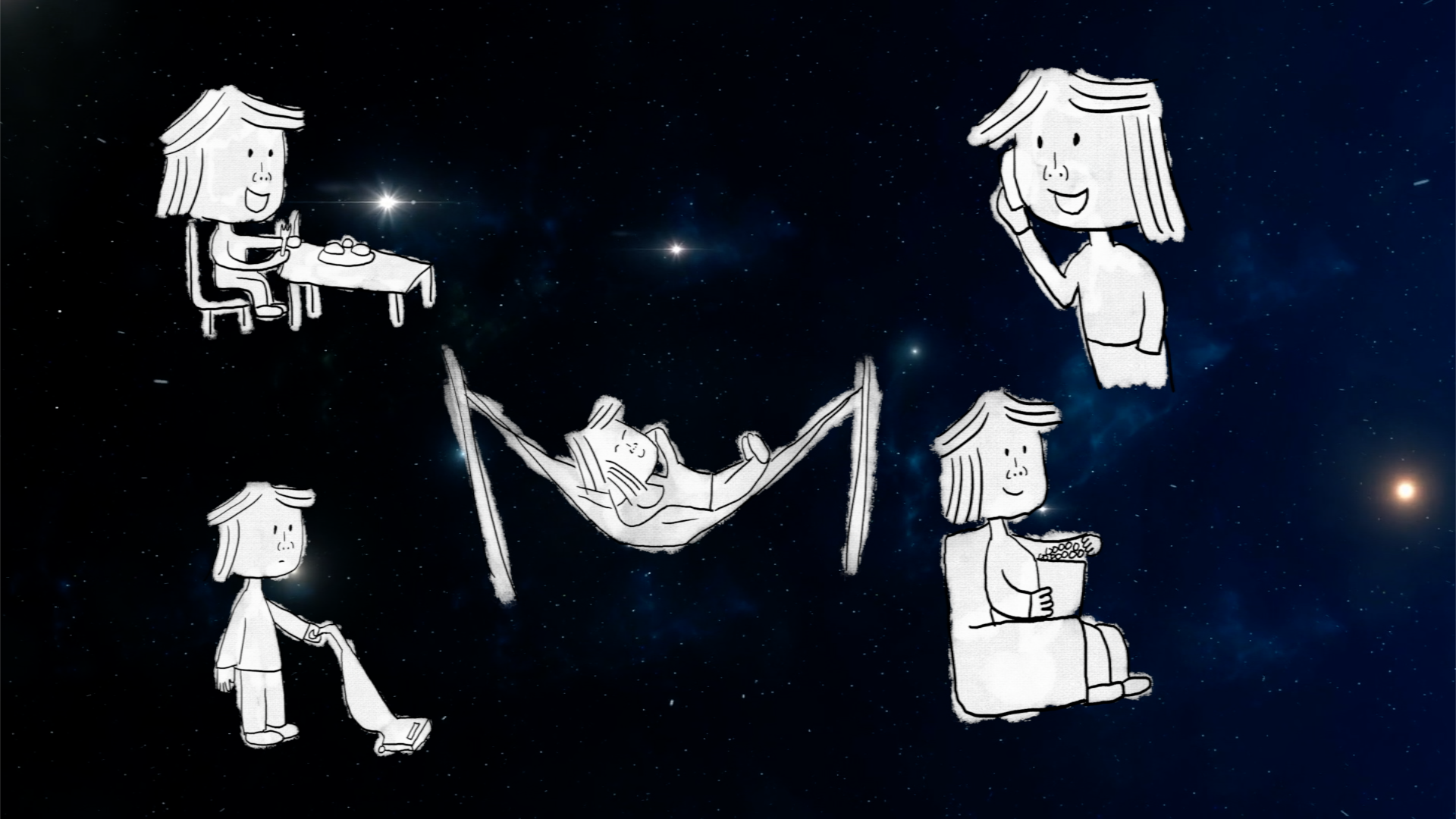
When we have a free day to do anything, we may put things off. We may wake up and decide, hey, it’s a beautiful day, let’s go get breakfast, once we come back we’ll do some work. When we come back we realize that we haven’t vacuumed in a few weeks. We should probably attend to that first. Then we feel a little tired from our breakfast and chores, why don’t we take a power nap, and as soon as we wake up, we’ll tackle the project. We take a nap and when we wake up, our friend calls and we talk for an hour. Suddenly, it’s dinner time, so we’ll eat, and it just so happens that after, the better halves want to watch this new movie. We can’t miss that. In a flash, we successfully had a day off. However, we failed in doing anything productive with our personal project.
This issue occurs when there’s no schedule. On workdays, you do have a schedule, you clock in, answer calls, attend meetings, and then sign off. However, on Saturdays, you can do your project whenever you want. Whenever you want may sound like total freedom, but it actually creates friction within, or as Steven Pressfield calls it, resistance.
Saturday is the day we have all to ourselves, we can make the rules. The thing is, there needs to be rules. There needs to be at the very least a schedule for when you will work on your personal project, it’s something you need to be accountable for. Whether it’s first thing in the morning, immediately after lunch, or before you do your chores in the afternoon, you need to put down on paper or on your calendar or tell your spouse that at this time, you will be working on your project. You need to set the time aside to do it. Not wait for the perfect time, because the perfect time will be swallowed up by distractions.
Scheduling it in is about making a promise to your Wednesday self. It’s about making the person you are on Monday proud. The weekday versions of you are working hard to pay the bills, but the weekend self is for the soul. Don’t waste it on frivolous activities, there will always be time for that stuff, but there will never be enough time for the work you really need to make, the work nobody else can do, the work you must practice on, the work that comes from your heart. So don’t waste time when it’s available.
Procrastination comes in many forms and there’s no magic solution, but setting a schedule, a chunk of time, where you sit down and work, shows the world you’re serious. There will be distractions on Saturdays, you know this now, so be prepared, don’t let it catch you off guard again.
For more writing and editing inspiration and stories, please consider signing up for my mailing list. You won’t receive emails from me often, but when you do, it’ll include only works that I’m most proud of.
It’s not easy being an emotionally stunted man. Maybe it’s parenting, maybe it’s societal pressure, maybe it’s some primal instinct to suck it up, but whatever it is — it makes sharing the bruised parts of ourselves hard. What we need is a primer. Something that opens a crack in our window of acceptance, something to allow a cold external breeze to enter. Something like a cathartic movie.
What you need, is a tragedy. Because a good way to cope with the troubles of our own lives is to start by empathizing with those of others.
If you are feeling a little blue — and communicating it with a loved one or a trusted friend feels too brutal — here are 10 movies that can ease you in. These are 10 Cathartic movies for Dudes who Need to Feel.
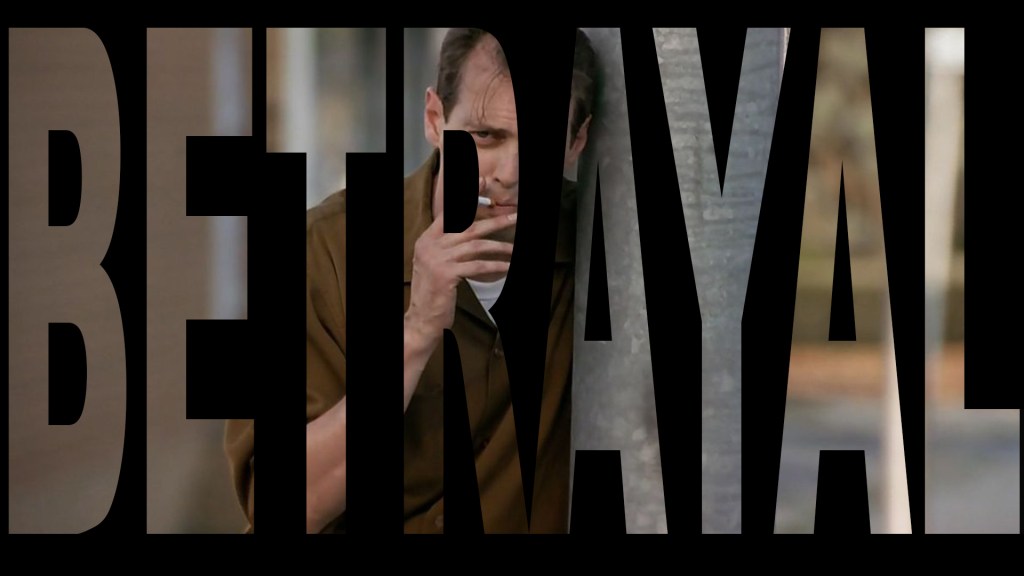
Whether you’ve stolen money from a friend or had a buddy steal your girl, you never come out the same after a betrayal. Steve Buscemi knows betrayal well. How else could he have written, directed, and starred in the 1996 comedy-drama, Trees Lounge?
Trees Lounge is a story about Tommy, his addictions, and a little bar that acts as a landing mat at rock bottom. At the core, Trees Lounge is about someone self-destructive, someone beyond help, for helping would be to get sucked into their little black hole. Chloe Sevigny, Mark Boone Junior, Debi Mazar — and Samuel L. Jackson, give sincere performances that heighten the disgust we feel for those whose reputation is beyond repair. Tommy is someone who has nowhere to go but up, but can’t seem to move. It’s hard to recover from a betrayal, on both sides, and sometimes we deserve second chances, but that doesn’t mean we’ll get it. Trees Lounge cautions us, letting us know that we too can become worthy of pity, but also gives us company like a stranger at the bar.
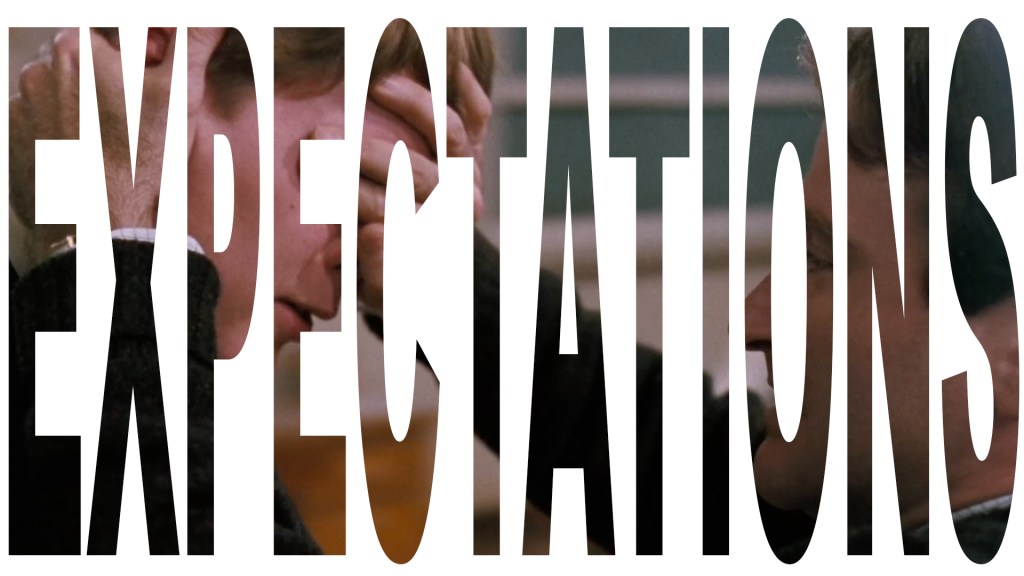
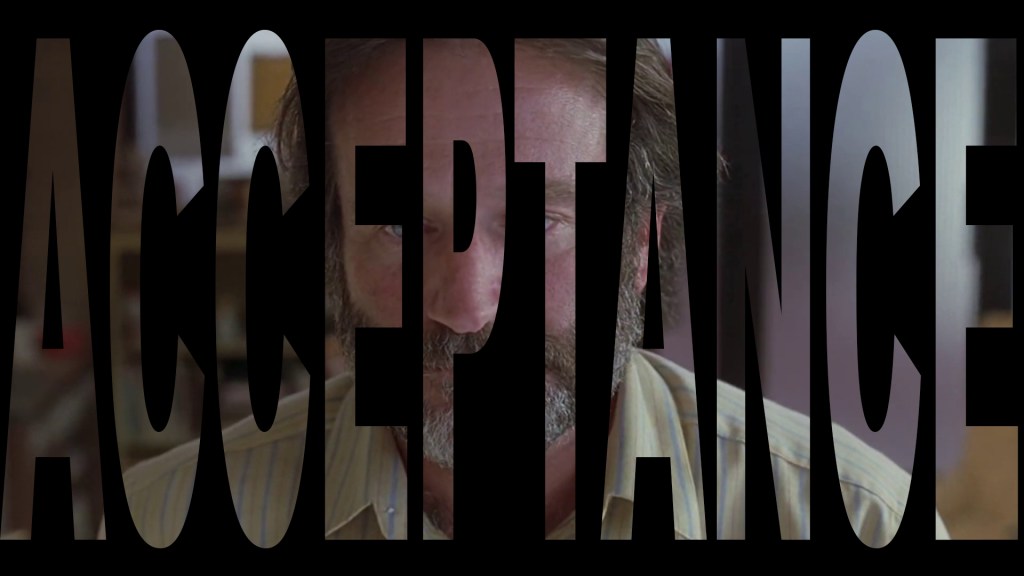
Pressure makes diamonds so they say — but pressure can crack and shatter. Dead Poet Society set in a prep school, Welton Academy, tells the story of a group of boys, inspired by their English teacher, starring Robin Williams, to seize the day and make their lives extraordinary.
For anyone who is currently held hostage by someone else’s expectations, know that Dead Poet Society is one of the purest portrayals of how tough love can backfire. It reminds us that having a strong belief that any one thing should happen, especially when it comes to another person, is ultimately going to lead to disappointment, if not tragedy. You’re in control. Dead Poet Society doesn’t release the weight from our shoulders, but it encourages us to acknowledge it, and ask whether we’re carrying something that might not even belong to us, and perhaps we can drop it.
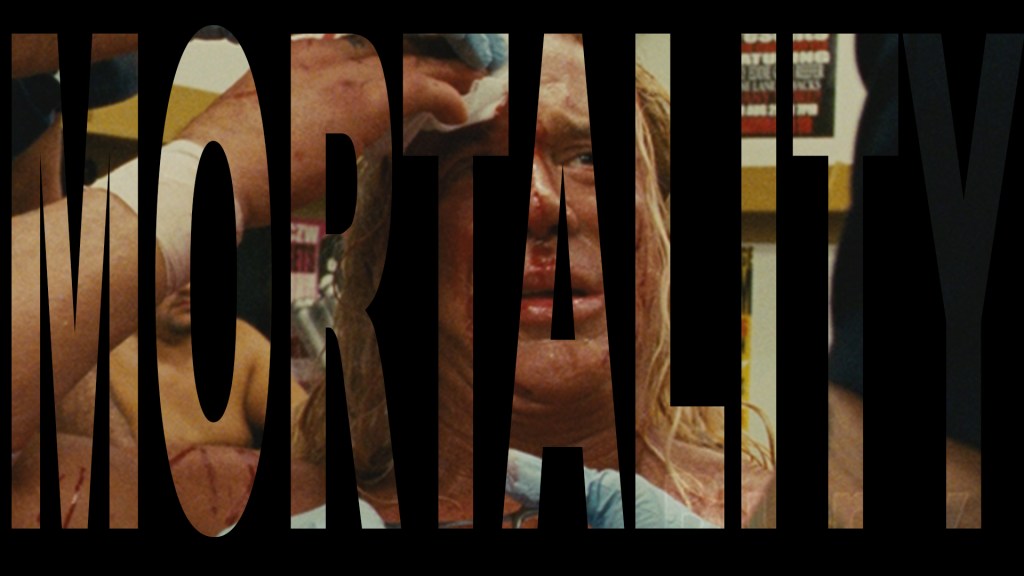
As we fade, as it becomes clear that the glory days are over, as we cling ever longer to keep the light lit, we confront life fully. We start to take stock of what actually matters. In The Wrestler, directed by Darren Aronofsky, we learned that our choice in what matters can be perfectly selfish. It’s our right to ride out the end of our days holding onto the illusion of what we ourselves deem successful. However, The Wrestler wants us to be completely honest — and to accept that our choices are not without ripples.
Mickey Rourke gives a poignant performance as Randy “The Ram” Robinson, where he used the fall of his character as the comeback for his own career. The Wrestler acts as warning and encouragement, as disappointment and pride, as mercy and hope. Wherever you are in your own comeback know that even though your body may give up you, you can fight until the last breath.
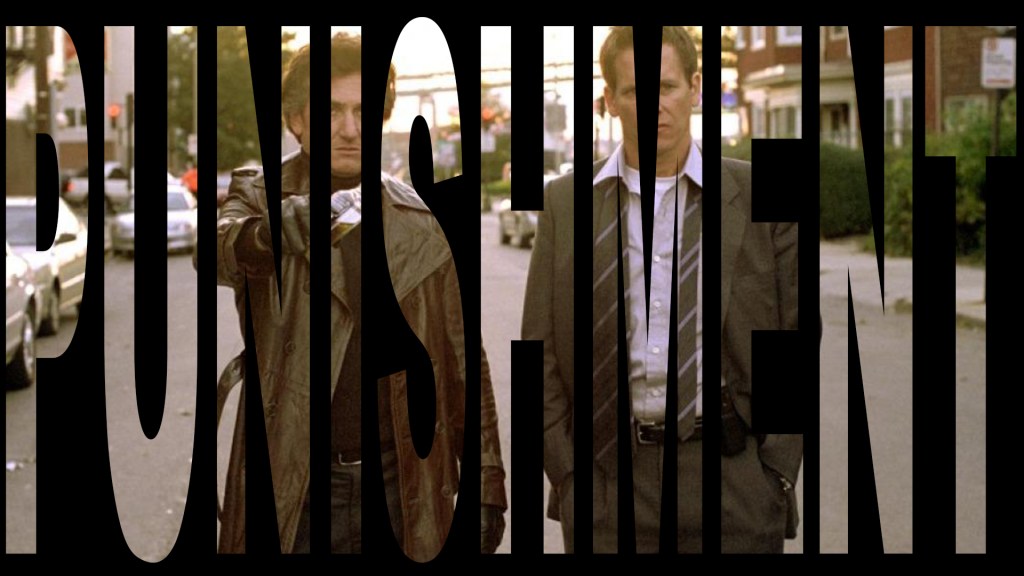
The damage of trauma lasts a lifetime, it’s a scar that never fully heals, and if you’re unlucky it’s something you can leave hidden. Mystic River, directed by Clint Eastwood, with heart-wrenching performances from Sean Penn, Tim Robbins, and Kevin Bacon is a visceral experience that forces us to meet face to face with the words justice and punishment, and what that means to us.
In this unjust world, we can feel that we need to take matters into our own hands. We are rather preys or predators. There is no one here to help us. In this way, seeking justice becomes the punishment — like handcuffs we put on ourselves. We often call this demand for justice, revenge. What is done to us, we’d do to others. Eye for an eye. Mystic River balances the tragedies and what people would suspect of us after such an event. This is not an inspirational story, it’s a dreadful tale of how retribution can backfire — and, as reactive animals, more often than not, that is what we need.
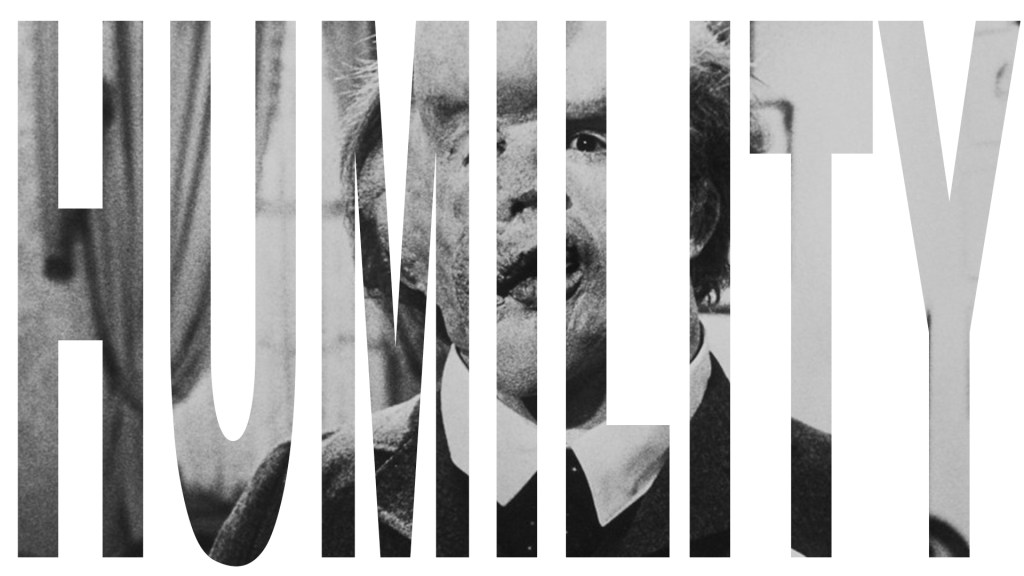
Every day we look into the mirror and face who we are. Our face is how we show ourselves to the world. In these digital times, it’s easy to hide away, hide behind an avatar, hide our flaws, hide our deformities. Hide the things we think will bring us shame. The Elephant Man, directed by David Lynch, is a story about a man who cannot hide, about a man who is cursed from birth, a man who yearns for kindness as much as he yearns to lay down to sleep.
John Hurt portrays John Merrick, the Elephant Man, based off of a real person from the late 1800s who was born with severe, yet mysterious deformities. While it’s easy to pity Merrick, what the movie really asks of us is not pity, but rather simple humility. Regardless of how others appear, understand that we aren’t seeing the full picture, and so it goes with ourselves when we look in the mirror. While we put ourselves out there and receive others in return, The Elephant Man reminds us not to let vanity be the measurement of our worth.
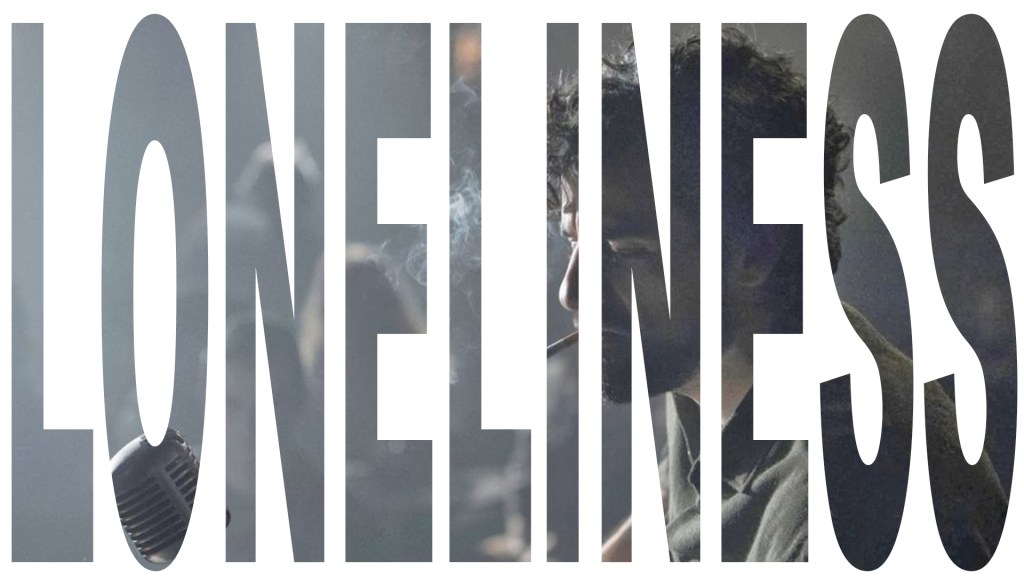
Life is full of possessions, things that belong to us, things that don’t. As we move through this song of ours, we realize how little we have and even the things we have are usually temporary. And the things that matter can rarely be replaced. Inside Llewyn Davis, perhaps the Coen Brother’s most introspective movie, follows a folk musician as he attempts to salvage his life after the death of his musical partner.
Oscar Issac gives a touching performance, showing how the world can kick us even when we are down and how easy it is to take advantage of us when we have nobody else to protect us, to stand up for us, to give us a place to stay. Outside, the unsympathetic world, in our desperation, gives us a worse deal, and it rushes us — before we are ready — to get over what we know we never can. Inside Llewyn Davis is a story about recovering, about trying to do better, and how hard it is when we have to go at it alone.
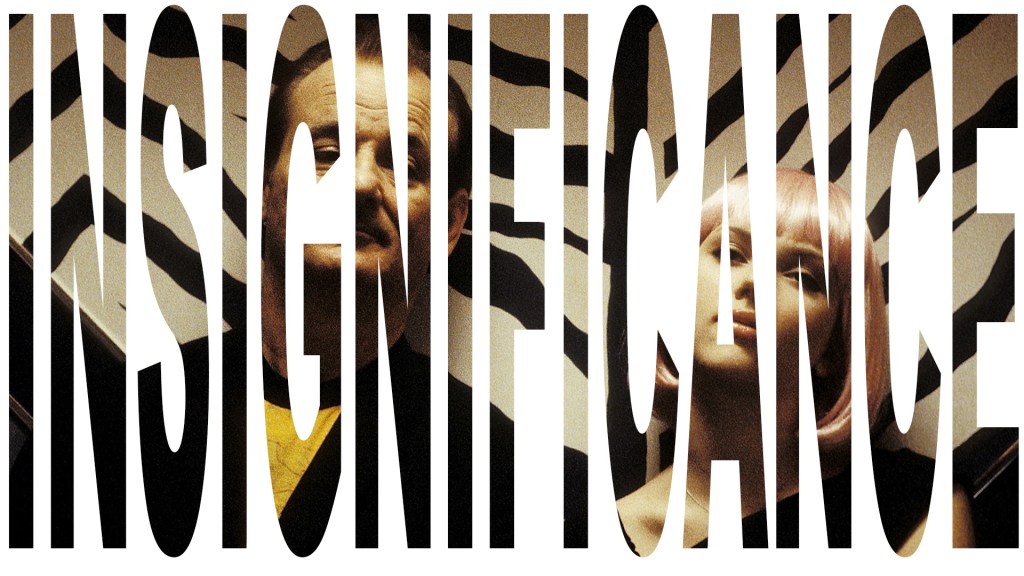
What happens when we get everything we dreamed of? Well… life continues and from that new normal we can rather chase more or hang on bitterly to what we have for fear that we might recede and lose it. Lost In Translation puts us in the epicenter of the bustle of Tokyo with a couple of aimless foreigners, Bill Murray and Scarlett Johannson, who are both unable to visualize what the next milestone looks like in their stagnant lives.
We often feel as though we have to make some big decisions in our lives and that if we don’t pick the right ones, we will regret it. But what Lost in Translation tells us is what philosopher Soren Kierkegaard understood all along, regardless of what we do or don’t (get married/don’t get married, quit our job/stay forever, laugh at the world/weep over it), we will regret it. No matter how big our decision may feel, no matter how paralyzing it becomes, Lost In Translation encourages us to accept the inevitable regrets, and make them, for in our insignificance that is the only control we have.
We know everything — at least, more than people give us credit for — but when it comes to life and this mysterious journey, we have to accept that at best, we know as much as anyone else, regardless of what a genius we might actually be. Good Will Hunting, the Matt Damon classic, is the pull and tug we often feel from the communities around us. The communities that offer the lure of belonging, the lure of comfort, the lure of accolades, or rather a distraction from what we really are.
Robin William’s powerful performance reminds us that amidst our stubbornness, we are as lost as everyone else. Yet, regardless of whatever blessings or curses we are given, when an opportunity comes along, it is still our job to recognize and potentially learn from it. When we think we know it all, we push away, when we accept there is more to know — that there are experiences out there — we must chase.
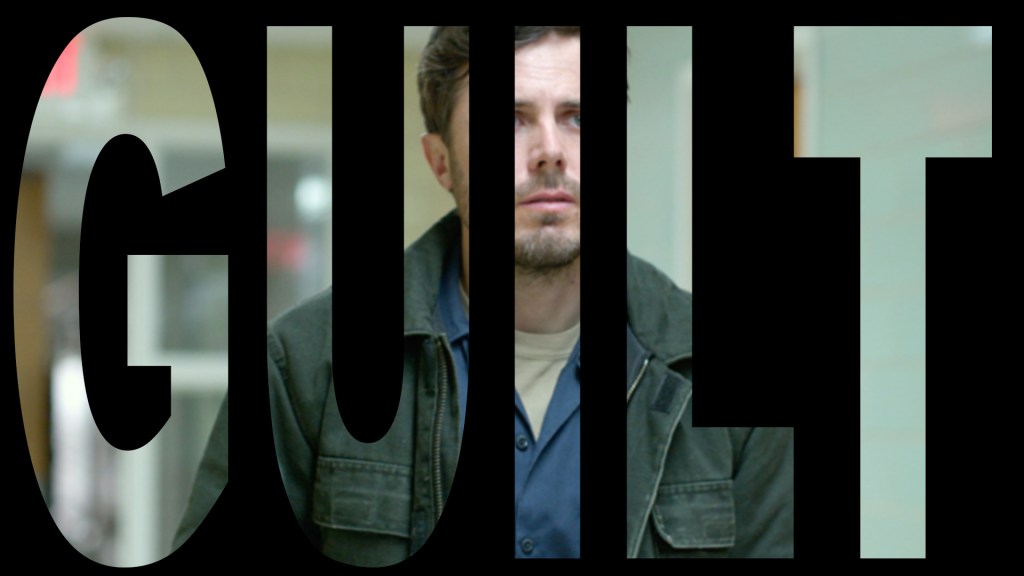
We’ll make mistakes, we’ll hurt others, and life continues — the question is, what’s the cost of the guilt we carry? How long will we carry it? Like hoarders, keeping garbage to remind them of the past, how can we ever let it go? Manchester by the Sea tells the story of a man whose negligence proved costly, and how the greatest damnation is the one we impose upon ourselves.
Casey Affleck gives a compelling performance as Lee Chandler, a man who will never recover from his past. Even as we the audience have long absolved this person, he cannot forgive himself. We can find ourselves in Lee’s shoes, unable to let go of the guilt we carry, even when the rest of the world is telling us it no longer does anyone any good. The pain, like a concussion, remains. Perhaps we need to look upon ourselves in the third person, like we are watching ourselves in a movie, our character haunted by the past. Maybe viewing our uselessness in this manner can help us see that forgetting might not be possible, but the pain we can keep to ourselves, we don’t have to inflict it on others. We can be the sacrifice — a sacrifice for another person — and that can be the way we find forgiveness.
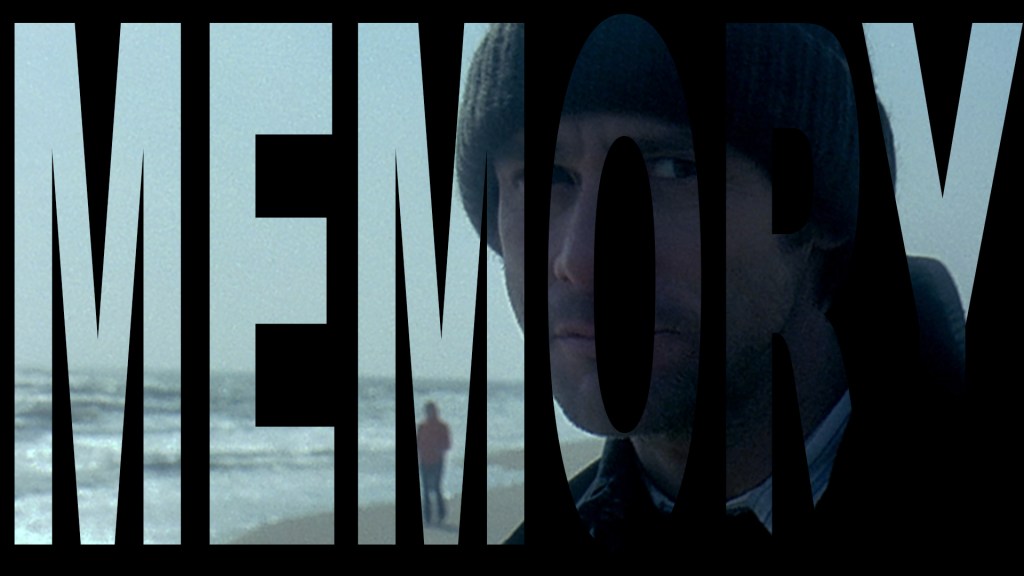
At the end of a terrible day, sometimes all we want to do is forget. But what Eternal Sunshine of the Spotless Mind shows us is that erasing our memories doesn’t leave us free from the pain of those we’ve forgotten. No, instead, it leaves us with an empty void, it leaves us in a sunken pit, wondering how we’ve got so down.
Charlie Kaufman’s imaginative story with the melancholy visuals of Michel Gondry’s directions, paired with the moving performances from Jim Carrey and Kate Winslet, makes Eternal Sunshine a triumph in catharsis. For all of us who are currently in the midst of heartbreak, for all of us who’ve experienced regret, shame, and disappointment, for all of us seeking a tangible solution when there will never be one, we can be free for a moment, lost in someone else’s world, and understand that what we are experiencing is indeed a little surreal.
Big conversations are hard to have, especially when they are on a heavy personal topic. You may find yourself creating a barrier between yourself and your emotions. A cathartic movie can offer you a bridge to cross that chasm, to see your feelings up close, to accept that you can express yourself. By using a story as the vessel to reach your emotions, you can for the time being bypass your own pain. That’s the power of storytelling. Sometimes it is entertaining, and other times, it’s soul cleansing.
For more writing and editing inspiration and stories, please consider signing up for my mailing list. You won’t receive emails from me often, but when you do, it’ll include only works that I’m most proud of.
If you’re a Millennial like me, you’d remember a time when downloading anything took forever. Downloading music, downloading tv shows, and downloading movies. Computers weren’t that powerful back then, the bandwidth — if it wasn’t still connected by dial up — was overall pretty weak. Occasionally, a large file, like an HD movie, would take hours if not days to complete.
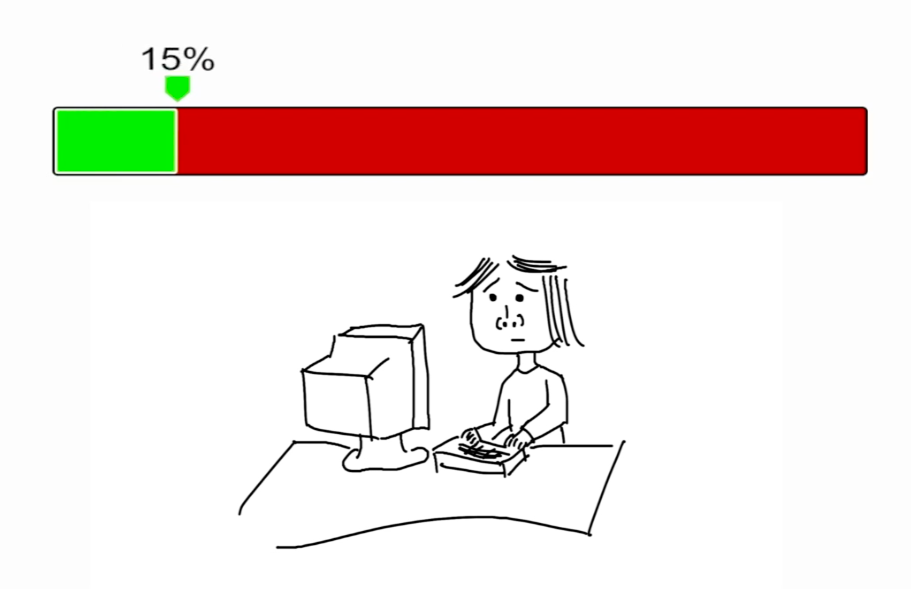
I would sit at the computer and stare at the progress bar and watch it slowly edge along, telling me how many percent was left and how many kilobytes it was receiving per second. Looking back, I wonder how many cumulative hours I’ve spent sitting there watching that bar. Now and then, it would move so slowly that I would have to put my mouse cursor right by the edge just so I could see if it was actually moving, even by a pixel. It’s an old technique, you can use it too.
The most infirurating part, which happened more often than not, is when the download would be going really fast, reach 98% and then… stop… I felt so helpless. Still, I was always grateful for the existence of that progress bar, because even though it was sometimes glitchy and inaccurate, it kept me from canceling my download.
A progress bar is a good design. It helps you see how much has been done and how much is left to do. It works brilliantly for downloading software, but progress bars work for other things in life too. If you are painting a room, the progress bar is the paint on your wall. When you are reading a book, it’s the proximity of your bookmark to the back cover. These are things that tell us, “Great job! You’re doing it! Keep going!”
But what about things that don’t inherently have progress bars? For example, writing a book. Writing a book is a multi-step task that doesn’t have a clear progression. Is finishing the outline 1% or 2% of the project? Is finishing the first draft 50% done? You don’t know. With creative projects, you can often feel as though you — like my download — went really fast at the beginning and then got stuck at 98% complete. You’ve been at 98% complete for months now on that novel. What the hell!?
While progress bars are great for measuring projects with completions, creative projects aren’t always clear, especially if they are more personal projects, so you as the creator gets to decide where the end is. And to avoid ending up stuck at 98% for infinity, it’s good to create this progress bar from the very start of your project. Actually draw out where the 25% line, where’s the 50% line and where is the finish line is.
For example, let’s say you are working on a novel. Great! You could just start writing and see where it all ends up, but God knows where that will take you. Instead let’s break it down. We can even do that with the different stages.
Outlining: Outline 1st act will get me to 25%, Outline 2nd act will get me to 50%, Outline 3rd act will get me to 75%, and reviewing it 3 times will allow me to complete the outlining stage.
Progress bar for outlining is filled. Then we can move to Drafting.
Drafting: Writing the 1st act will get me to 25%, act 2 will get me to 50% and so on like that.
Then there is Editing, Publishing, and Marketing. All these sections can have their own progress bars. So even when your larger progress bar feels like it’s stuck on 98%, you can look down at these smaller ones and see what actually needs to be done and work on it until you can reach the next milestones.
Whenever you are stuck on a project or feel unmotivated to continue, think of your task in relation to a progress bar. If you at least know where you are going, then when your work and effort are only delivering minuscule improvements, 0.001% of progress each day, at least you know you are still on the right track and that, even though you may be stuck at 98%, you know you’re not completely frozen, and progress is still happening.
We live in a time where a lot of things are instantaneous! Tv shows, movies, and music to name a few. I haven’t downloaded anything that took over a few minutes in years. Yet, creating meaningful work still takes time and the results might not be visible if you’ve been staring at the progress bar for so long. But as long as you keep moving towards the next percentage point, as long as you know where that is, then eventually, you will be done.
Keep going! Before you hit cancel, look at the progress bar. It might not look like it each and every day, but you are making progress.
For more writing and editing inspiration and stories, please consider signing up for my mailing list. You won’t receive emails from me often, but when you do, it’ll include only works that I’m most proud of.
Whatever you want to do in life, if you want to make money from it, you will need to jump through some hoops. That’s adult life. That’s how it’s different from a movie. There is no way to cut out the boring parts: the parts where we’re in line, on hold with customer service, or waiting for a form to come in the mail. Taxes! Let’s not forget about taxes. Life is filled with these little hurdles that don’t define a life outright, but if you allow yourself to trip over enough, discouraging you from continuing, then ultimately, it will.
If you want anything, say… to write a best selling book. What you are really saying is, “I want to start a business.” And with all businesses, there is bureaucracy involved.
One doesn’t write a book or start a blog and earn instant fame and wealth. It takes work, it takes time — and strict adherence to the rules of money.
And what is money but a game with many players.
You need to access platforms, request different assets, and perform administrative tasks. You’ll feel like you are going in circles, wasting time doing things that aren’t “important.” After all, if you’re a professional writer, you should be writing, not messing with some sales page or negotiating with contractors.
This always reminded me of the game Zelda, where you need to accomplish minor tasks, talk to characters you have no desire to talk to, buy material you don’t really want, smash open a few pots here and there so that you can reach your real goal, which is to save the princess or something. When you have a professional pursuit, you will find these mini-tasks at every stage.
It’s tricky, because these hoops and hurdles make you want to stop and say, “I don’t need to do this for work, I can just do this for fun.” But that’s just an impatient part of you talking. Writing is fun. Creating your art is fun. Jumping through hoops and dealing with beaurcratic bull shit is not. But great things happen when you are able to support yourself and reach more people.
A lot can be done alone in your office as a writer, but as soon as you need to reach a wider audience — and you want to make money from them — you’ll need to interact with people and be a part of society, the same way plumbers, bakers, and teachers are. Unfortunately, society operates like an old clunky machine, it’s slow, it malfunctions, it jams and freezes. It’s frustrating. But that’s the way it is, and a little surprising that it even works at all. Even if you repair one part, there are so many others on the verge of breaking. Attempting to fix this machine will only distract you from your purpose, and so we must learn to live with it.
There is this great passage from David Foster Wallace’s unfinished novel, The Pale King that has helped me a lot whenever I was stuck behind a hurdle, too drained and impatient to jump over. It goes like this:
“I learned that the world of men as it exists today is a bureaucracy. This is an obvious truth, of course, though it is also one the ignorance of which causes great suffering.
“But moreover, I discovered, in the only way that a man ever really learns anything important, the real skill that is required to succeed in a bureaucracy. I mean really succeed: do good, make a difference, serve. I discovered the key. This key is not efficiency, or probity, or insight, or wisdom. It is not political cunning, interpersonal skills, raw IQ, loyalty, vision, or any of the qualities that the bureaucratic world calls virtues, and tests for. The key is a certain capacity that underlies all these qualities, rather the way that an ability to breathe and pump blood underlies all thought and action.
“The underlying bureaucratic key is the ability to deal with boredom. To function effectively in an environment that precludes everything vital and human. To breathe, so to speak, without air.
“The key is the ability, whether innate or conditioned, to find the other side of the rote, the picayune, the meaningless, the repetitive, the pointlessly complex. To be, in a word, unborable.
“It is the key to modern life. If you are immune to boredom, there is literally nothing you cannot accomplish.”
For more writing and editing inspiration and stories, please consider signing up for my mailing list. You won’t receive emails from me often, but when you do, it’ll include only works that I’m most proud of.
Lemon of Troy, episode 24 of season 6 of The Simpsons, written by Brent Forrester is a masterpiece in storytelling, joke delivery, and cultural criticism. While it’s debatable which episode of The Simpsons is the best — you can leave your pick in the comments — I would say that Lemon of Troy would have to be in consideration just for its writing alone.
As a writer, I look to this episode often when I consider how I introduce conflict and establish the structure of a story. This episode is loaded with literary devices and while it still follows the traditional 3-act structure, it is so concise, and the jokes are so economical and funny, that it should be shown to anyone who aspires to write a story of any length.
While I’m passionate about this episode, I often have a hard time communicating everything I love about it. There is just so much! I get overwhelmed and I trip myself up. This episode links so perfectly that one thing I like immediately connects to another. So I decided to make it easier for all of us and break it down to 10 aspects that make this episode great — and it’s also something writers can acknowledge and perhaps even gain some inspiration from.
Okay, so 10 things that make Lemon of Troy the best episode of The Simpsons:
1) The MacGuffin: Lemon Tree
Let’s start by talking about the MacGuffin. Is it a Scottish person? No, well — it could be — but not really. A MacGuffin — a term coined by Alfred Hitchcock — is often an object, device, or event that acts as the motivation for the characters but is typically simplistic in and of itself. For example, The Maltese Falcon, the suitcase from Pulp Fiction, or the jade sword from Crouching Tiger, Hidden Dragon, are all MacGuffins.
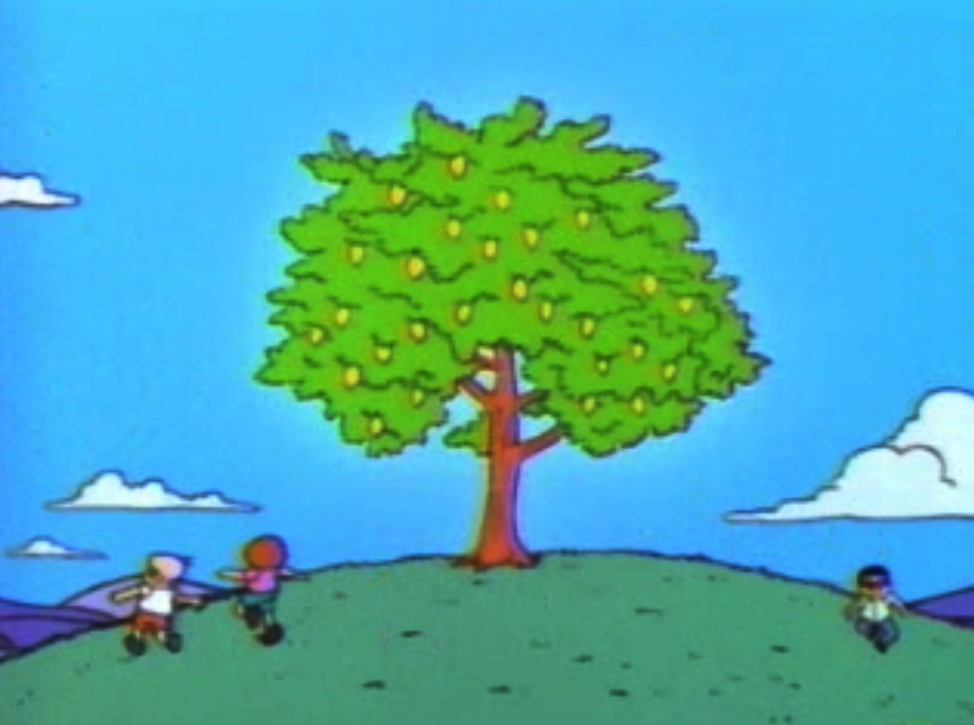
The lemon tree itself has no significance, it’s not magical or anything, but it is the importance that the people of Springfield puts on it that gives the story stakes when it is stolen by Shelbyville.
2) The Catalyst: Marge’s Speech
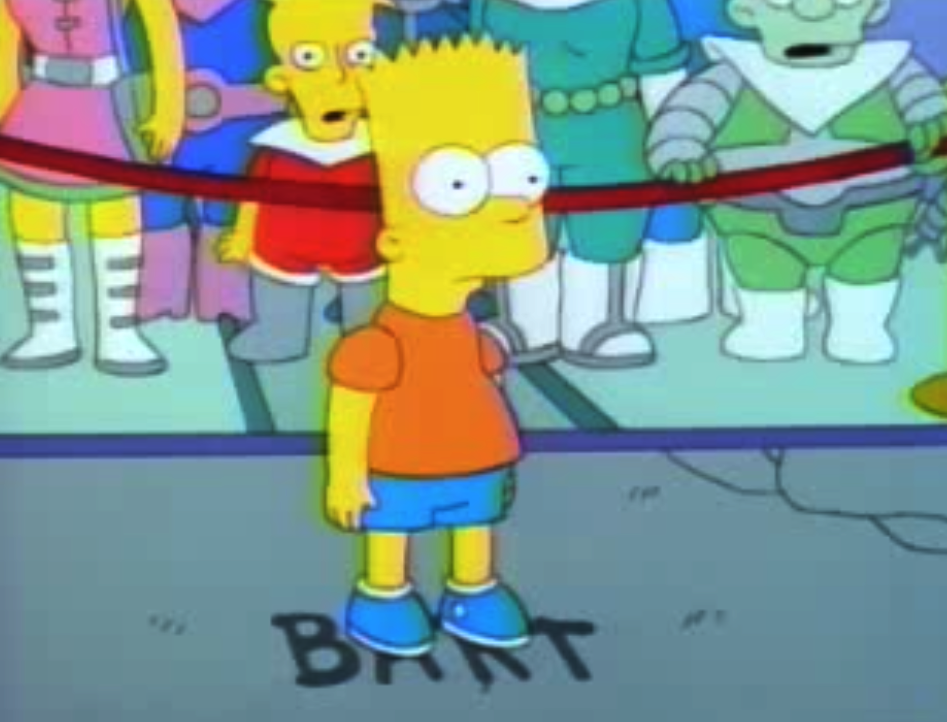
While the lemon tree is important, what actually slingshots the story forward is Marge’s passionate speech about being proud of Springfield.
“This town is a part of who you are.This is a Springfield Isotopes cap. When you wearit, you’re wearing Springfield. When you eat a fish from ourriver, you’re eating Springfield. When you make lemonade from our tree, you’re drinking Springfield.”
A catalyst, or an inciting incident, can sometimes be a major event, but sometimes it’s as simple as a character being influenced to evoke change. Without this speech, Bart wouldn’t have the desire to protect the lemon tree. He wouldn’t have pride that sustains itself for the full duration of the episode. Thinking about it as a chemical reaction, Marge had mixed her ideology with Bart’s spontaneity, which in less that a few minutes of screentime, we already get. All we need now… is something bad to happen to the lemon tree.
3) The Perfect 3-Act Structure
Writing a three-act structure story sounds easy to anyone who’d never tried it, but it can actually get messy. Certain events need to happen at certain times and — in this case, if we are talking about a televised sitcom — we need to do it all in approximately 22 pages. But Lemon of Troy does it so effectively that if you ever get assigned with a task to write a three-act television show, you can literally use this episode as a template.
Act One: The Lemon Tree
In the first act, we get to know all the characters involved and most importantly, we understand the significance of the lemon tree. It’s not only a metaphor about what life gives you, we also know what it represents to the protagonist, Bart. With that, we are also introduced to the antagonists, the kids of Shelbyville. We know who the heroes are and who the enemies are. The stage is set.
Act Two: Entering Shelbyville
Here is where it gets exciting, as the characters cross the threshold, or as Bart intrepidly announces:
“And now, the time has come to cross this line into mystery and danger — to step out of childhood and become men.”
It’s the progression of danger that makes the second act so effective. The deeper and deeper Bart and his crew get into Shelbyville, and closer they get to the Shelbyville kids, the more risky the venture becomes, until eventually it turns into a mission not to find the lemon tree, but just to merely survive.
Act Three: Escaping Shelbyville
To conclude the third act and wrap up the story in a satisfying way is not an easy trick to land. But what Lemon of Troy does — that makes it so great — is capture moments that tied back to earlier in the episode: from the Roman Numerals joke to the Milhouses finding common ground to the RV gags that don’t disappoint to the cheeky line by Homer “Hee hee hee, no one in history has ever done anything this clever,” a line that makes the title “Lemon of Troy” just another joke in an already multi-layered episode.
Not only does the third act conclude with Bart and Homer “saving” the lemon tree, it ends with the lore of what the episode was — another nod to the legacy of how stories and misinformation passes through time, and instead of wrapping it up completely, it opens the discussion to what will happen between Springfield and Shelbyville in the future as the next generation matures.
4) Genre: Capers/Heist
Familiarity and originality. When a story can give us a good balance of both then it becomes a novel experience for the audience while still being approachable, and Lemon of Troy does this by grounding the story in a specific genre which is the capers/heist genre.
I often think of this genre as The Reservoir Dogs or Ocean’s 11 genre, because there is this ragtag crew where each member with their own unique set of skills — “I’m the leader, Milhouse is my loyal sidekick, Nelson’s the tough guy, Martin’s the smart guy, and Todd’s the quiet religious guy who ends up going crazy.” — will trespass, break in, infiltrate, and eventually steal (what is often money) but in this case the lemon tree.
5) Types of Jokes:
When you watch other sitcoms on television — I won’t name any names —, or even later seasons of this one, you’ll often find that the writers would get lazy and reuse the same joke styles and structures in the same episode. For smart audiences, this can get repetitive and predictable, and result in fewer lols.
Lemon of Troy, in just over 20 minutes, delivers such a wide range of jokes that even after all these years, having seen this episode so many times, the humour still remains fresh. The variety in what the set ups are, which characters are delivering the jokes, diversity of what the joke is referencing, and when the punchline actually hits in the story keeps the pacing and the energy of the episode going the way a song with a really good beat does, where you can play it back and it just doesn’t get old.
It wasn’t easy categorizing the jokes or even qualifying what a joke was, and in respect for your time and for fear of potentially ruining the jokes, I’ll just highlight a few that I think are notable.
Instant Payoffs:
A part of us all… repeating in Bart’s head immediately after the speech.
Call Backs:
Roman numerals
Flying motor cycle
Recurring Jokes:
Milhouse thinking he’s being copied
Shelbyville citizens finding their cousins attractive
Sight Gags and Audible Gags:
The lemon shaped rock
Homer cooking multiple turkeys and showering in the RV
Milhouse’s camo outfit
The fire hydrant is yellow.
Pop Culture and Historical References:
Rocky Movies
Trojan Horse
Irony:
Lisa being sarcastic when explaining to Marge where Bart is, and she believing every word.
Madcap:
All this talking had made me hungry.
Shake harder boy
If you are writing comedy, take this lesson from Lemon of Troy, don’t just keep throwing right hooks, you gotta jab, you gotta throw some kicks, you gotta have some headlocks, that way, when you get to the punchline it won’t be predictable because anything prior could’ve been a setup.
6) Character Arcs: Bart/Milhouse
It’s hard to believe that there are any character arcs in this jam-packed episode, but two characters actually go on a profound journey.
Bart goes through a somewhat conventional hero’s journey. He gets a call to adventure from his mother, he crosses the threshold into Shelbyville, he encounters challenges (friends, allies, and temptations) along the way, faces tremendous turmoil and defeat, but refuses to quit — and in the end, returns to Springfeild not only as a proud member of the town, as his mother had wanted, but as a hero.
Milhouse, insecure and lacking a sense of self, is the deuteragonist, a confidant to the protagonist, but with a different character arc. Milhouse’s character arc is more personal. He is self conscious when he sees the Shelbyville kid copying the way he’s holding his backpack or when he says “Radical”, it becomes this possessive thing he struggles with for the whole episode.
We get some back story for why Milhouse may react this way and it’s perhaps his parents — his mother actually being from Shelbyville — that cause some self-hate that lingers inside of him and it comes to the surface when he sees the Shelbyville kid doing what he’s doing. What annoys us the most are often the same things we do that are done by others. For example, if we commonly forget people’s names, what might annoy us most is when other people forget our names. Yet, in the end, Milhouse and the Shelbyville Milhouse find common ground; they can open up and be vulnerable for the first time.
Bart and Milhouse went on the same journey but went through two different changes to their characters.
7) Character Relationships: Martin and Nelson
Perhaps my favorite aspect of this entire episode is none other than the relationship between Martin and Nelson. These two when partnered together act as a contrasting comedic pair, Martin playing the stooge and Nelson the straight man. From “Team Discover Channel” “Your wussiness better come in handy” to “Spring forth burly protector and save me”, their chemistry is so delightful that it simply adds another flavour to the already diverse combinations of jokes.
8) Antagonists: Shelbyville
Every good story could use a good antagonist that is both despicable and empathetic. The Shelbyville kids are clearly bullies and we have no problems cheering against them, but it’s their lack of better judgement, wasting their energy stealing a lemon tree with little but bragging rights to gain, we understand that they live in a community that is suffering as much as Milhouse is emotionally.
They live in a taboo place, after all, where it’s cool to marry your cousins. As messed up as that is, you kind of feel bad for them, because these kids didn’t choose to live there. They were just born there, it was the luck of the draw, the lemons they were given. The Simpsons could have as easily been living in Shelbyville. And because of that — and their taboo culture — no wonder they feel so insecure. But even with all that empathy, at the end, we can’t help laughing as they shook their fist harder to no avail.
9) B-Story: The Parents:
In some episodes of The Simpsons, the A story and B story are completely different, but in Lemon of Troy, they aren’t. The A story is the kids entering Shelbyville to find the lemon tree and the B story is the parents going after them. Only when the parents find the kids do their storylines converge, which is what a good A and B story should do, it should link together in the end in a cohesive way.
While the B story isn’t a particularly significant aspect of the episode, it is that restraint that is worth commending because the danger of writing a B story so similar to the A story is that the B story can easily become the A story.
Whenever we focus on the parents in this episode, it never overshadows what Bart and the kids are doing, it only increases the stakes and supplies some backstory. It’s not repetitive even when Homer, like his son, takes initiative by volunteering Flander’s RV. When you need to jump between characters from A story to B story, you don’t need to think of them as different tracks, but instead as an expansion of the A story, supplying the details necessary for the characters to eventually connect in the third act.
10) Theme: Tribalism and how history can be misinterpreted
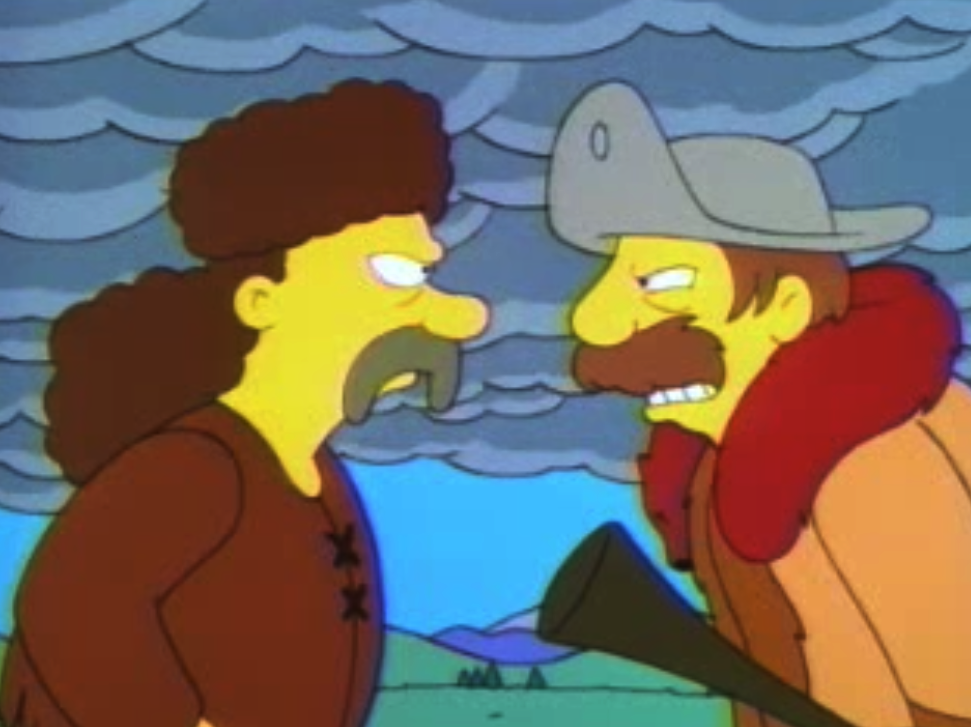
Lastly, Lemon of Troy is a brilliant observation of societal behaviour between neighbouring communities and how tribalism can both unite and divide us. This episode addresses how natural resources, historical events, and cultural rituals can create animosity that drives two groups to engage aggressively to one another.
Tribal wars have existed since the beginning of human history and Springfield and Shelbyville are no exemptions. But what this episode highlights is how pride can turn into radicalism and how the two sides — regardless of the facts — can tell their own separate stories, casting themselves in a better light, both manipulating their youth and continuing a tradition of disdain. This type of behaviour is of course still happening today, whether it’s neighbouring countries or roommates in a two-bedroom apartment.
There are many things that make Lemon of Troy great, but it’s the theme that seals it for me, because it reminds us of the importance to respect those around us and to acknowledge what’s causing the negative emotions to rise to the surface. Are we like Marge simply encouraging town pride to prevent our children from vandalizing? Or are we telling our children stories of glory that didn’t happen to harbour a sense of superiority?
If you think Lemon of Troy is the best episode of The Simpsons let me know, it’ll be nice to know that other people out there feel the same way, but if you have another favorite, please let me know as well!
For more writing and editing inspiration and stories, please consider signing up for my mailing list. You won’t receive emails from me often, but when you do, it’ll include only works that I’m most proud of.
I remember being in school and working on a project for hours and hours. I’d hand it in. The teacher would read it or I’d present it in front of the class — and then… it’s done. What I had spent so many hours researching, producing, and polishing was essentially made for one person. And even then, that person who saw what I made was paid to be there. If my classmate saw it, well, they were forced to.
I think about that experience often when I do anything creative, because — unlike school — I know that the audience is not guaranteed and the work I put into it might not yield any returns.
Yet, today we focus so much on creating something that will be seen by hundreds and thousands and millions of people. Reaching a large audience is great! That is how we measure success, right? By the number of eyeballs and thumbs ups we get. However, this is a dangerous treadmill we’re running on if we constantly chase numbers.
This mentality stops us from sharing our work. We have an expectation. We worry that when other people do see it, and they notice the lack of views and engagement, they will think of it as unworthy. It’s like inviting the world to your party and it’s just you, your mom, and maybe a couple of people you knew from high school. It’s embarrassing, I get it. Why aren’t people watching it? Why aren’t people reading it? I put so much work in, why doesn’t anyone care?
Whenever I’m working on a project today, as an adult, I remember those horrible years in school, where I worked hours and hours on a project only to hand it in to the teacher — but now, instead of sitting back and waiting anxiously for the grades — I feel grateful that I’m not there anymore. When I’m working on my creative projects, it’s not an assignment and I’m not being evaluated. I’m creating something I want, and because I’m doing that, there is no guarantee that even one person will notice, because it’s for me first, and nobody is being paid or forced to see it. The people who will come and see my work are making that choice themselves. That makes what I’m doing now so much more important. A person who chooses to see your work is worth much more than a person who is forced to see your work.
Before you’ve built an audience, nobody cares what you’ve made. And that’s freeing. Be creative. Break rules. Try new things. There are no teachers stopping you! And when you’re ready, and when the time is right, people will start to care. Keep doing it and people will notice. Anybody can hand in an assignment to the teacher, but on their own, without self-discipline, not everyone can keep creating. It’s going to be pretty impressive when you do! So enjoy this period when nobody cares, because just like the classroom, it’s not going to last forever. You’re going to look back and be glad you went through it. But you gotta graduate first. Good luck!
For more writing and editing inspiration and stories, please consider signing up for my mailing list. You won’t receive emails from me often, but when you do, it’ll include only works that I’m most proud of.
If you want to be a writer, you must read. But there are so many books! What should I read? Well, anything… but today, I want to share five books that I feel every writer — or creative person — should prioritize. These are non-fiction books that are more general to the craft of writing and the creative process as opposed to being books that are great stories, although some of these books do contain stories that certainly any writer can relate to such as writer’s block and the frustration of editing the first draft.
I recommended these books because writing is such a lonely, laborious task, and these five books do a good job sympathizing with that, but what they also do, is not let us get consumed by our excuses to not write, these books are from people who have accomplished the task many times before, and in it there are some wisdom for writers who are currently struggling.
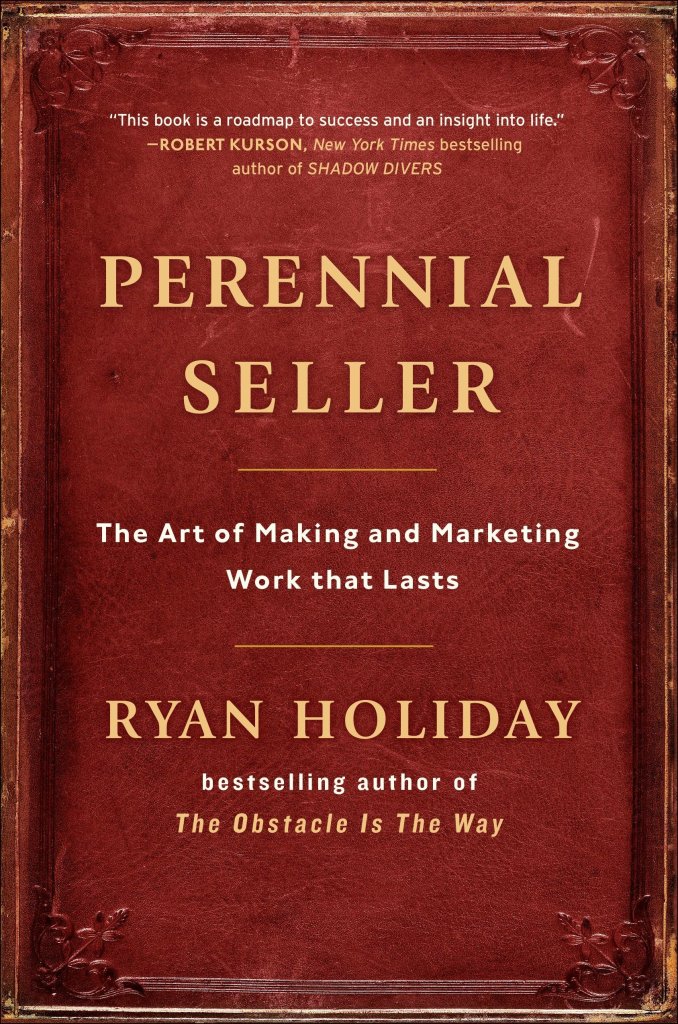
Ryan Holiday is one of my favorite non-fiction writers, and Perennial Seller is one of my favorite books from him, because it concisely breaks down the missteps us writers often make when we set off on our journey to create works that last.
When we take a walk through a library, we see hundreds and thousands of books, books that we’ve never heard about, books that we’ll never pick up to read. How can we avoid having our hard work end up like one of those books? How do we create work that stands the test of time?
In Perennial Seller, Ryan Holiday warns us of the lure of a meteoric rise and then an equally quick fade into obscurity, and explains how the work of a writer is more than just creating quality work, it’s communicating that work to a group of people who will then share it and nurture it and develop a deeper relationship with it.
Therefore, he explains, that writing goes beyond writing, it requires research before you start and marketing when you finish. It’s not one marathon, it’s a marathon after a marathon after a marathon.
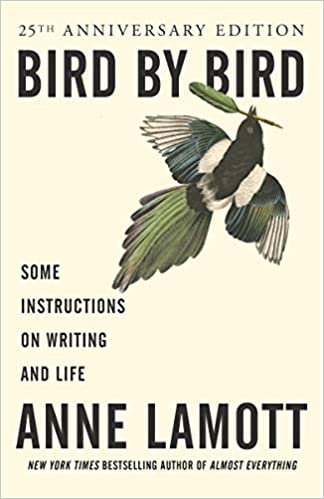
Perhaps my favorite book on the process of writing, the iconic memoir by Anne Lamott, is the one I pick up whenever I need a boost of inspiration when I feel like my story isn’t going anywhere, when I feel disappointed, tired, and hopeless.
Anne Lamott reminds us of the importance of taming the critic in our head, the traps of wanting to simply be published, and the power of putting one word after the next — bird by bird.
Not only that, Bird by Bird is such a funny, witty, comforting read that whenever I dip into it, I feel like I’m getting reacquainted with an old friend, and the old friend will ask me, “how’s the work going?” and I’ll answer, “it’s going…” If nothing more, Bird by Bird is a reminder to writers why they got into this lonely pursuit in the first place, and I love it for that.
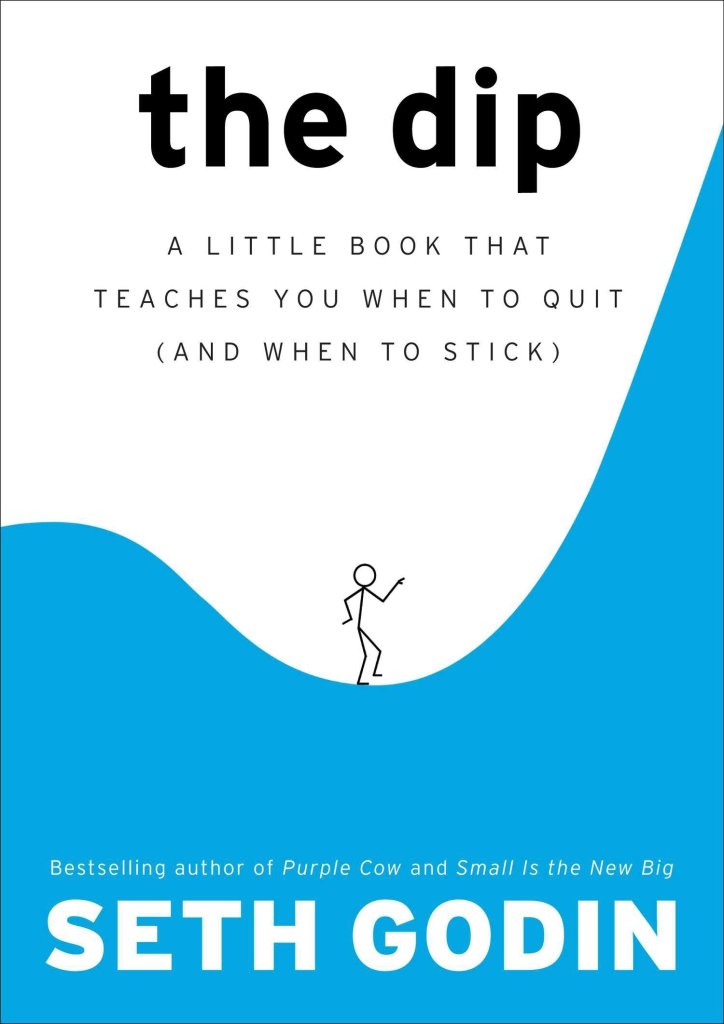
The Dip is the sobering book that us creatives need whenever we reach the part in our process where we’re struggling, where we’re complacent, where we’re no longer excited about what we are working on.
Seth Godin encourages us to stop dreaming, and really confront the obstacle in our way — the dip — and offers us the option: “if you really want to quit, you should quit now, because if you’re going to quit a month from now, that’s a month wasted. So what’s it going to be?”
Quitting or continuing is not only about the overall pursuit of being a writer, it’s also about individual projects. When should we stop working on this and start working on something else? When do we eat our sunk cost and count it as a learning experience instead of having it be a self-inflicted life sentence?
The thesis of The Dip is that winners quit all the time, so don’t feel bad for quitting. The thing is, if you are going to quit, quit earlier than later. This book is a splash of reality that us creative writers need and it helps us reframe what we’re actually doing and decide whether it is worth pushing forward until the end.
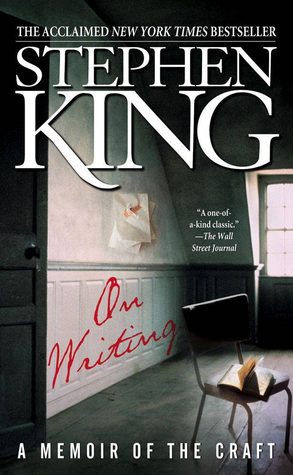
There is nothing like hearing someone at the top of their game share stories and advice about something they are truly passionate in, and Stephen King couldn’t be more passionate about writing. I mean, think of all the books he’d written.
While On Writing does offer some tactical tips, such as King’s English “toolbox” and how to edit your first draft, what I love most about On Writing is how King goes into his own works and the lifestyle that most of us writers dream about, and understanding that real life still interferes even when we achieve that goal. Achieving our dreams still means we have to live in reality, unfortunately.
There is probably no writer more successful than Stephen King, but this memoir feels so down to earth. There is this belief that whatever King writes publishers will publish, but this book proves that he actually knows what he’s doing and that he’s more than a bankable brand.
King explains that writing could be the craft that brings us fortune and fame, but writing might also be the thing we live for — especially after his car accident. Writing can be the thing that pushes us to get better, to understand more, and even without all the success, it is still this beautiful thing we are lucky enough to do. And that’s pretty inspiring.
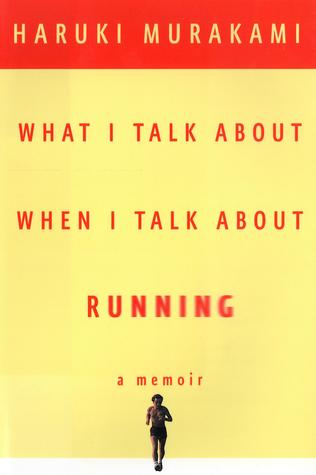
One area I think people make a mistake in whenever they pursue something big, like writing a novel, is that they often feel like they need to shut themselves off from the world, stop doing everything else, and write. But What Haurki Murakami talks about when he talks about running, is that being a writer is so much more than just writing, and that in order for us to actually acquire the stories worth sharing, we must live a life outside of our words on paper.
Writing is one of those activities where we bring who we are into, therefore, other things we do in our lives can be materials we add to our stories, like new ingredients for a meal. Writing becomes the intersection for all the different activities in our lives, it doesn’t have to be running, it could be cooking, it could be photography, it could be kite flying. Writing allows us to bring all of that into one place.
Find the passions in your life for those moments when you are not writing, you’ll discover that it’s in fact a healthier balance. You’ll also find that one activity can actually support the other, allowing you to improve gradually in both.
Those are five books that I really enjoyed and have inspired me when I was feeling stuck. If there are other books that you think writers — or creative types should read — please feel free to share it in the comments, I’m always looking for recommendations.
For more writing and editing resources, please consider signing up for my mailing list. You won’t receive emails from me often, but when you do, it’ll include only works that I’m most proud of.
I’m not a perfectionist. If I was, this video wouldn’t exist, because I’d be too busy fussing over every cut or picking the perfect background music. Or fixing the light or writing this script or making sure my hair looks good. I’ve gotten very good at not worrying about those things over the years because this… is a YouTube video and blog post so it doesn’t really matter in the grand scheme of things.
I’m not here to impress anyone, I’m only here to express myself.
I know a lot of people suffer from being perfectionists. It can be paralyzing and it can stop you from taking your first steps in creating something. It’ll stop you from learning and trying. I get it. You’re afraid you’ll look stupid.
Well, as someone who’ve looked stupid many times in the past, I’m happy to share some of my advice. Yes, this is me giving advice on how to not be good at things.
10 tips — let’s go!
Embrace Mistakes
After you hit publish, you are bound to see mistakes. You are going to want to pull that piece down and delete it forever, but it’s often something inconsequential. It’s often things that your audience, unless you tell them, won’t even notice. Even if someone calls you out for it, embrace that, someone actually took the time to let you know (even though they might have been a jerk telling you). Say thanks for catching that. Or oh man, my bad! It’s going to happen. There are way too many things to deal with. But with my next tip, I can help you get more comfortable making mistakes.
Make A lot
Once you start making a lot, then you stop being precious with each individual project. Mistakes that have happened five, ten projects back don’t matter anymore because your mindset is on to the next thing. You are going to make the next project better. When you have the mentality that you are going to make a lot, then being perfect doesn’t matter, but rather, consistency, practice, patience, and incremental improvement become the goals.
Give Deadlines
If something is never due, then you will never feel any pressure to finish. You can keep working on it and working on it until the law of diminishing returns leaves any improvement so minuscule that it wouldn’t even be noticeable. Sometimes, you work a project so much that you end up making it worse. Give yourself a time limit, not a quality limit. There is an old adage known as Parkinson’s law which states that a task will expand to the timeframe given to complete. If something is due in a week, you’ll take a week to do it. If something is due in a month, you take the full month. The best way to make more is by shortening the deadlines.
Create Limitations
Much like giving yourself a deadline, creating limitations is actually a good way to avoid getting bogged down by your perfectionism. Whether it’s forcing yourself to write in a specific genre, having a maximum word count, or using a set structure like the hero’s journey, you establish some rules that you have to follow. Having complete freedom may sound great, but it is too nebulous for you to focus. You end up creating something too grand that keeps expanding and expanding, which is not good if you want to actually finish something. By setting limitations, you know the boundary in which your creativity can focus and flourish.
Start Something New
If you feel the pain of imperfection, if you’ve been staring at your work and are not even sure how to fix it, then it’s time to start something new. Clear the table of what you’ve been doing and begin again. The longer we spend on a project the more invested we get in it and feel we need to do it justice. This type of thinking imprisons us. What we should do is put that project aside, recognize that we are not at the level to get it to the standard we want, and begin something new. I often tell myself, “Okay, this new project I’m going to try to learn how to do this…” so that by the end, I’ll have the practice to go back and fix what I couldn’t in the previous project.
Have a Clear Audience
Instead of creating something that I’d think everyone would enjoy — which is impossible — when I feel like my work isn’t perfect, I think about one specific person who I’m creating for. Once I have this person in mind, like for example with this video, I’m thinking of someone like you, who is perhaps curious to know why my projects are so not perfect and how I live with myself. Knowing you, I have a clearer understanding of why I’m doing this and I feel supported. Also, don’t be afraid to make things for yourself. Your audience can easily be yourself in the future. I want to make a video for myself a year from now. I want to write a book that I want to read. Making it for yourself is as worthwhile as making it for a million faceless fans. You probably won’t make money, but then again, you never know until you finish.
Work on Multiple Projects At Once
I usually have multiple projects going at once because if I ever get stuck, tired, or angry at a specific project, I can just switch to another. This allows me to always be making something. Even though my attention is scattered, there is often progress happening on multiple fronts. Experts will tell you not to do this. And I’m no expert, however, it’s this diversifying method that has kept me from burning out. It’s also helped with my continuous improvement even though it’s not as exponential as focusing on one specific project at a time, in the end, I still have something to show for it, which to me, is worth a whole lot.
Have a Learning Mindset
Much like advice number 5, it’s good to go into each project with the eagerness to learn, not the pressure of making it perfect. If you can approach a project as an opportunity to learn something specific then you can measure the success of the project not on the merits of the work but rather your experience and knowledge gained from it. Having that student approach is so humbling because then you can ask questions and discover as you go, as opposed to feeling like you need to land the perfect trick in front of a group of judges. You don’t need that type of pressure.
Accept That You Might Lose it Forever
Create with the knowledge that tomorrow that project might disappear. Something could have happened to your hard drive and everything was erased or there were a fire and all your material burned to the ground. Know that what you are making is not going to last forever. It might not even survive the process in being finished. It’s a terrifying thought, but that’s why it’s so important to not be precious with your work and do it because of the enjoyment and not because you want to make something so astoundingly perfect that it can stand the test of time — because nothing can.
You’re Not Perfect (neither is your audience)
We all have the idea of a perfect project in our minds. In there it is beautiful and complete and so very great. But we are not perfect and as soon as we attempt to transfer what’s in our brain into the external world, we are bound to muddy everything up. Languages, colours, and emotions appear and sound differently to different people. Even if you think it’s perfect, you cannot help how others are going to respond to it. Everyone has different preferences and tastes — and nobody is completely right or completely wrong. You are bound to make something some will love and you are bound to make something that someone will hate.
Those are my 10 thoughts on how I live with the fact that I’ll never create anything perfect, nor do I even try. I wish I have a little more attention to details sometimes and perhaps I could be a little bit more diligent with my work, but honestly, I feel like this approach has kept me content and consistent. But like I said, everyone should have their own process and as long as you are enjoying what you’re doing then it doesn’t matter if you want to make something perfect or not. None of this matters.
For more writing and editing resources, please consider signing up for my mailing list. You won’t receive emails from me often, but when you do, it’ll include only works that I’m most proud of.
Heather and Patrick were having coffee together and a conversation about a novel came up. American Gods by Neil Gaiman. “I love that book,” said Patrick, to which Heather responded with a disgusted grunt. “I didn’t like it.”
Patrick was a little shocked because they often enjoyed the same type of entertainment. “Why?” he asked.
Heather thought about it for a moment, recalling some aspects of the story and said, “Hmm… I felt that Gaiman was just trying too hard.”
Patrick was not satisfied with that answer, “Shouldn’t a writer always try hard?”
“Oh,” said Heather, with no desire to continue the conversation. “I just didn’t like it…”
Patrick, not wanting to spoil their afternoon together decided to drop it. But the thought lingered in his mind. “Trying too hard.” Shouldn’t that be a good thing?”
While Heather failed to articulate elements of the story that she disliked, “trying too hard” is a common expression to describe a piece of writing — or a creative work of any kind — that didn’t register with the audience. This is especially noticeable when the work is something as big and bold as Neil Gaiman’s American Gods.
Nobody would deny that it was a piece of ambitious work. It’s a story about life and death, mythology and beliefs, new America, and sacred lands. It has a massive cast of characters and a climax as epic as any other notable fantasy. But surely that cannot be a bad thing. Can it?
A writer gives off the impression of trying too hard when the effort put into the work is not only visible but excessive. Although this can all be a matter of personal taste, Heather must have found the references to mythology and religion, the metaphor of media and technology as deities, and the usage of real-world geography and imagined realms too much. Each one of these unique elements added another flavour to the story that she simply wasn’t familiar with. It felt too experimental and it failed to capture her imagination.
When a reader finds that a writer is trying too hard to impress her, it can be off-putting. Unnecessarily large words, similes that miss the mark, flowery language with no purpose, humour that lacks the wit, and cliffhangers at any opportunity given are all elements that leave the reader feeling like the writer was trying too hard.
Of course, Patrick didn’t think Neil Gaiman was trying too hard. He found American Gods to be an entertaining and thought-provoking novel. Over 450 pages of thrilling action and adventure. He found the story to be a fresh take on a familiar genre and proved to him that Gaiman was a writer that continually pushed the limits of his own creative and literary capabilities.
One could argue that Gaiman wouldn’t have written something that impacted Patrick so significantly if he didn’t write something that Heather would consider trying too hard. Because one can only believe that Gaiman was trying hard. All writers should try hard. They should all try as hard as they can. They should push their imagination and their writing to the full limit of their potential.
As far as “Trying too hard” goes, it’s not a completely negative critique. There are some merits to be given. An A for effort. When someone tells you that you’re trying too hard, know that you are heading in the right direction — perhaps a bit of refining is needed — but don’t let what one reader says hold you back from your next epic story. Try hard and keep improving.
If you enjoyed this article, please check out the What Is… of Writing series:
No real writer likes what she’s writing ALL the time, or even MOST of the time. The important thing is to stick with your story until the end. That’s when the magic happens. – Meg Cabot
It’s so easy to give up on a project. You’ll get stuck and bored, and you’ll want to stop. You get another great idea and you’ll want to chase it. But finishing the story you started is so important, here’s why:
Respect the project:
When you start a project, you’re responsible for it. A project is like a child: it’s born, it needs someone to take care of it and help it grow, and then one day, when it’s developed, it’s sent out into the world. It’s your job to make sure it survives and prospers once you release it, making you proud. You gave the project life and now you have to take care of it. If you don’t, if you’ll simply let it die on the shelf, you’ll rob it of its potential.
Respect your time:
Think of everything that you could have done if you weren’t writing. You could have spent time with your pet or talked to your spouse. You could have watched a movie or read a book. You could have napped or gotten drunk. There was a lot you could have done, but you chose to write. You chose to spend your limited time on Earth doing this activity. You’re investing your most precious resource into this. It’s like paying for a membership for the gym, showing up, and sitting there for an hour without using the equipment and going home, then being upset because you aren’t seeing any results. Respect your time. Finish your work.
Okay, let’s say I convinced you and you’ll pull out that half-finished project and write to the end. But where is the end?
Honestly, you can end a story anywhere (even in a mid-sentence), but that would be disrespecting the audience — unless it’s a really good half a sentence. When the reader starts reading your work, you’ve made a promise that you will give them a sense of resolution, enjoyment, or fulfillment. You don’t want to disrespect your reader’s time either. You want them to come back one day and read your other works. With an honourable completion in mind, there are places that make sense to end a story.
And as the writer, you get to decide: do you want your story to have an explicit ending or an implicit ending?
Explicit ending:
When there is nothing more for the reader to know, when all the questions are answered, then it’s an appropriate ending. This type of ending is a nice little bow on a wrapped up story.
I like to think of these as success or failure stories:
Did Rocky win his match? Did we save Private Ryan or kill Bill? Did the lovers get together? If your story is about a specific mission, then at the end, the audience should know whether it was accomplished. Did the hero get what he or she wants? Did good conquer evil?
These types of stories tend to leave the reader satisfied.
The other type of endings are…
Implicit ending:
Often known as open-ended stories, these endings leave the resolution up to the reader’s interpretation.
One main example is a…
Cliffhanger ending:
Which leaves the reader wanting more.
As one mission ends another begins! What adventures are your characters up to next?
A cliffhanger can have the character literally hanging off a cliff, Or it could be done subtly:
The last scene can be of a man calling his ex girlfriend. Throughout the story, we learn that the man is overcome with guilt. He wants to make amends with his past lover. The story ends before she picks up the phone. The reader wonders, did she answer? Was it the right phone number? If not, what would the man do? The reader draws her own conclusion.
These types of stories will leave your readers thinking about it even after they’ve put the book down.
If you are struggling to finish, aim for one of these two endings. Yes, they’re broad, but they will give you a lot of room to make adjustments and edit when it’s done.
Write to the end (even if it’s bad):
It’s going to be bad. There’s no avoiding that, so you might as well get over it. After all, that is what editing is here for. The faster you write to the end, the faster you can start editing. Wouldn’t that be nice?
Remember as the writer, you are the first reader. The first draft is a discovery. You don’t really know what your story is about before you get to the end. You don’t know if it’s going to wrap up nicely or leave the reader wanting more, but having a target gives you direction.
Let yourself discover, because that is some times where the best words come from. Don’t give up on your writing, no matter how small the project is. Write to the end.
If you found this article helpful, please consider signing up for my mailing list. You won’t receive emails from me often, but when you do, it’ll include only work that I’m most proud of.





 Elliot Chan