We don’t need no education

pink3

Homework and exams can only do so much

By Elliot Chan, Opinions Editor

Formerly published in The Other Press. Oct. 2013

Mark Twain once said, “Don’t let schooling interfere with your education.”

As I round into the latter-half of my two-year program, this quote resonates more than ever. Sometimes I get so focussed on grades and assignments that I forget the whole reason I signed up for college in the first place. After all, I’m attending post-secondary for the same reason everybody else is: to achieve my full potential in a career of my choice. But when an opportunity knocks, what choice do I really have?

The education system can only teach me so much before I become disinterested and start to reject the content. Nay, it’s just my inability to retain it. I sit through lectures, I jot down notes, and go through the classroom motions until I’m released once again with a list of readings, several assignments, a scheduled exam, and project deadlines. Unsure of what I’m getting out of it, I feel overwhelmed and anxious.

People tell me to pay my dues, but trudging along learning something that will be forgotten or never applied feels like a complete waste. Public schools and general studies are just that—general. Catering to the masses and focussing on a few, schooling may often feel like the instructor is teaching to another student while you sit idly by waiting for some relevant content to spark your interest. Sure, with a little luck, we’ll end up with that piece of paper honouring our completion—but is it worth the price?

I say build your own curriculum and don’t just follow schooling. Classrooms and lecture halls can only do so much. In preparing for the real world, it’s important, nay, critical to experience the real world. Don’t just get a part-time job at a local restaurant if you’re studying law. Strive for something in your field and don’t fall for the trap of convenient work. I understand that those opportunities are hard to come by and jobs are incredibly competitive, but take the chance. You’ll learn more interning at a firm than you would serving drinks, or even cramming for an exam.

Volunteering may seem like offering free labour, but if you think that then what do you think homework is? Being an unpaid helper shows the public that you care about your craft, that you’re willing to take time out of your busy schedule to learn, and that money isn’t the priority. Volunteering is a terrific way to network and meet future employers, regardless of the volunteering circumstances. By surrounding yourself with people of the same professional interests, you can gain knowledge and inspirational fuel.

Travelling is the best and only way to see the world. You’ll learn more about yourself sitting at a bus terminal halfway around the world than you would sitting in a two-hour lecture about global economics. Didn’t get the course you wanted? Instead of spending your money on meeting your post-secondary credit quota, book a trip. Tuition comes in many forms and that means education does as well.

Just because you are in school, that doesn’t mean you can’t learn outside of it. Workplace preparation is more than exams and homework. It never hurts to be an all-around interesting person.

ACJA Hosts Résumé Clinic for Young Aspiring Journalists

acting-resume-6

by Elliot Chan

Formerly published in Story Board. Oct. 23, 2013

Competition is stiff for most career choices and journalism is no different. So, in the same way we keep our body in contending shape by going to the gym, we must do the same for our application package. We must work out our résumé, analyze our cover letter, and develop an engaging demo reel. We might break a sweat, but that is all part of the process.

On October 19, 2013, the Asian Canadian Journalists Association of Vancouver hosted a résumé clinic inviting employers from different media outlets — from CBC to the Georgia Straight — to offer young journalists feedback on their résumés and application package.

“The way you want to look at it is—how hard am I going to make the other person work?” askedBhupinder Hundal, News Manager for OMNI. “If you are making me work, I don’t like that already. I want you to make it so simple and easy for me that I get what I need just by looking at it.”

Less is more when it comes to impressing the hiring committee. Don’t overload your readers with information and experiences. Rather focus in on several key experiences that relate to the job you are applying for. You might have had a part time job at Starbucks or a short stint serving at a restaurant—great—but all of this is irrelevant unless you can apply it and explain its importance to the employer. By chopping out the less pertinent material, you’ll have more room to concentrate on what the readers actually want to know and elaborate on that.

“You have a lot of information,” said Hundal, “but it is information that doesn’t apply to me. What you need to do is think about what the person on the other end is going to need and want.”

If you are applying for a researcher job, highlight your research skills. Applicants should take advantage of the fact that more and more employers are viewing applications on a screen rather than on a piece of paper. Have a hyperlink to some of your best sample work (but remember, stay relevant).

“I want a hyperlink in our alpha tracking system that I click on and it plays in every region of the world,” said Zafira Nanji, human resources at CBC. “I don’t want it locked to my email address. I don’t want you to ask me to add this person’s email address so I can share it with a coworker.” She added, “It has to be easy.”

The worst thing an applicant can do is fake passion. Don’t try to fool the hiring committee. If you want to work at CBC, remember the news anchors’ names and actually watch the broadcast. For some this will require some research and time—but there is no alternative. Flex your muscle and develop some character, because above all else, an employer wants to see you making an effort and displaying genuine passion.

“I’ve done the sloppy job of putting a résumé together in 15 minutes,” said Kirk LaPointe, CBC Ombusman Office Advisor, “saying things like ‘I really want to work for you, I have great respect for your organization,’ Come on. Get past the cliché. As we say in the Canadian Press, ‘Avoid clichés like the plague’.”

Good habits are as hard to break as bad ones and as a young journalist it’s important to have more good than bad. Developing a solid, healthy reputation starts with a respectable application package and online presence. Treat yourself like a brand and pay attention to the content you’re posting on social media—because employers will Google you. Separate your personal life from your professional.

You’re young and inexperienced and employers know that. So don’t try to fool them. “Don’t try to make yourself sound smarter,” said Ted Field from Global BC News, “because you end up making yourself sound dumb.” Sometimes “I don’t know” is the best answer to give. Employers don’t care if you don’t know—because journalism is all about not knowing, but then finding out.


Curse those cussing kids

Opinions_swearingkids

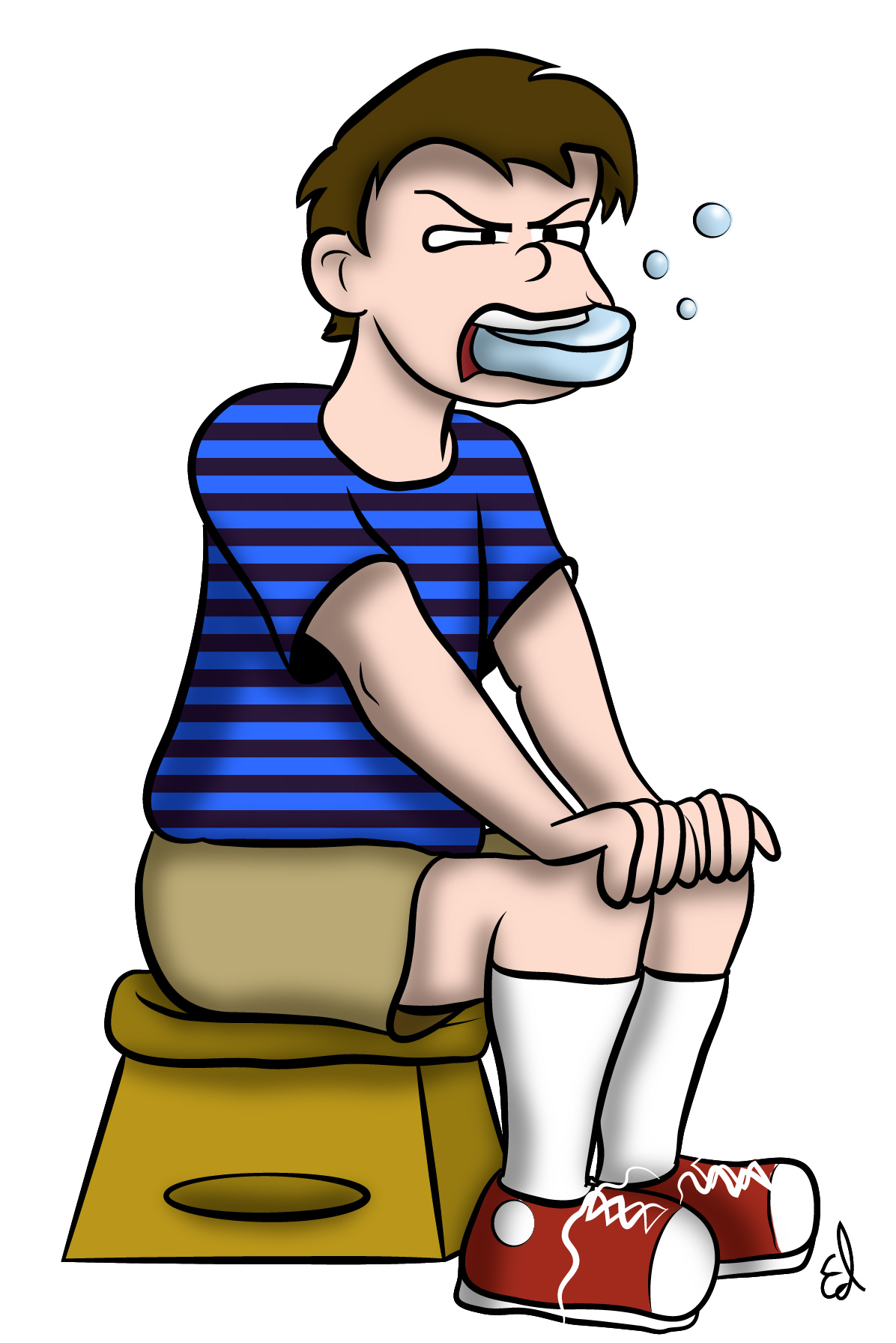
Fudge it, just let children swear already

By Elliot Chan, Opinions Editor

Formerly published in the Other Press. October, 2013.

Profanity is a rite of passage. No matter how innocently we begin, at one point or another we all end up saying those socially frowned upon words. Sure, I believe in a more sophisticated form of language—the kind I dress up in for my grandma or bring into a job interview—but those words lack substance. They feel fake, forced, and pretentious. Like educated grunts from the time of cavemen, swearing brings human interaction back to the ground level. When used properly, it can express honest emotions without any blurred lines. The pent-up rage we feel can often lead to physical violence, if not for the ability to curse. The freedom to swear allows us to be verbally confident—and that shouldn’t be limited to adults.

In 2010, a Sociolinguistics Symposium study showed that children are swearing earlier than ever, escalating at around ages three to four. The fingers were quick to point at television, music, and vulgar parents, but perhaps the problem isn’t the parents or the children; perhaps the problem is culture. Children are intelligent and they are quick to understand irrational rules, such as the “Do as I say, not as I do” rule. Swearing doesn’t hurt anybody after all, and once they realize it they’ll abuse it, especially out of parental earshot.

We often associate swearing with anger and hostility, but most of the time we swear when we are excited. “This food is goddamn delicious,” or “This is the best fucking song ever.” Perhaps we could do without the “goddamn” and the “fuck,” but then it would be a completely different reaction. Inhibiting the ability to express emotion is more crippling than a few innocuous words.

Once censorship is removed, swearing becomes the norm and not an urge to be defiant. Without risk, there is no adrenaline, and children will begin to use swear words selectively the way intelligent adults do. For parents, omitting the taboo will also cancel out the hypocrisy of telling a child not to swear. Communicating with children like they’re adults is not a hindering act; it’s one of respect, showing that the child is just as smart or has the capacity to be as smart as we are.

In an article published by the Association of Psychological Sciencea study showed that swearing takes up an insignificant 0.3 per cent to 0.7 per cent of our daily speech. Profanity is universal and can be found in virtually every language. Although North American culture still uses it to separate high-class from the low-class, there is no proof that people with greater wealth are swearing any less than those in poverty.

Of course we can give our children those swearing training wheels—words like “fudge,” “darn,” and “shoot”—but no matter how you sugarcoat their potty talk, you are not saving them from the inevitable. I’m sorry to say it, Mom and Dad, but your sweet, innocent child is going to cuss and they’ll use those words to talk back to you one day, the same way I did with my parents. The earlier we let our children swear, the less of a problem it becomes. After all, there really is only one bad word, and that’s “hate.”

Book Review – My Year of the Racehorse by Kevin Chong

My Year of the Racehorse
by Kevin Chong

My-Year-of-the-Racehorse-Cover

Greystone Press, Mar. 2012,
224 pages, $22.95 (Paperback)

Reviewed by Elliot Chan.
Published in Ricepaper 18.1, Summer 2013.

In the outset of Kevin Chong’s memoir My Year of the Racehorse, he did not know a lot about owning a racehorse, why people decide to own racehorses, or even how to make any type of extravagant purchase at all, least of all of a live animal. Chong’s pre-purchase considerations include whether it really makes sense to add more complications to our lists of things to do when one could just buckle down, save up for an apartment suite, attempt to find true love and end one’s days with no regrettable tattoos. A racehorse, well, that just seemed like an unnecessary gamble.

For most Vancouverites, the Hasting Racecourse has just always been there, like the hollow tree in Stanley Park or some other historical landmark of no relevance, but still worth saving. Until I read this book, I too would drive by it on Renfrew Street and dismiss it, unaware of all the jubilance and heartbreak exploding inside. Chong’s story
brought me into a world within the stables and upon the tracks. From bandaging an injured horse to finding a spot in the winner’s photo, Chong brings to life the glamour and austerity of horseracing. It is a culture so close to home, but so different, as if it was a machine taking me back to a bygone time.

The result is Chong’s sometimes heartfelt, sometimes comedic, but always relatable retelling of the year he spent as a racehorse owner. Or at least the owner of a portion of the racehorse: the hoof and a hank of hair, maybe. Relatable may at first strike readers as an odd choice of word, since most likely don’t own racehorses. But the book is somehow just that, relatable, as it explores that eternal enigma; the thin line between rational and irrational, and the happiness we find with uncertainty and hesitation. In this light, Chong shows how his compulsiveness is not so foreign, nor his ultimate solution: in order to accomplish everything on his to do list, he must compromise.

At first Chong admits that buying a horse was an act of exploitation. He wanted to see what would happen to him, with no awareness of the consequences; it surely must be a chance for growth. But as the story develops, we begin to see
Chong’s eclectic decisions mirroring our own. We flip through old photo albums and see all the phases we went through growing up: the awful haircuts, the skinny jeans era, and the year as a racehorse owner. My Year of the Racehorse offers a glimpse at our own life, the things we do to avoid the things we actually should do. With dry wit and plenty of adventure along the way, Chong perfectly captures the complexities of choosing between what we have to do and what we want to do.

BUY 18.1 ISSUE HERE.

Limited Time Only: Why Optimal Timing for Social Media Marketing Doesn’t Really Exist

twitter-camera_1968556b

Formerly published in Techvibes. 

Your brand, your content, and your opinions are important—so make sure they don’t get lost in the sands of “social media” time.

Since the birth of Twitter, Facebook and Google Plus, content creators have been trying find the optimal time to post their works and share others. The Internet is full of analytics and infographics displaying the best time to post content. So why do we need another piece?

Because fresh content is constantly bumping down older news and the timeframe before materials go stale is shorter than ever. Although there is a general sense of when users are logged on and when users are asleep, the science of time is still a bit tricky for strategists and analysts who are just starting to embrace the new tools to help reach the largest possible audience. Plain and simple, their optimal time might not be your optimal time—so research and experiments with different analytics is essential to find your audience’s habits.

Simple stats collected through different analytics show that the best time to Tweet and post on Facebook is between 1pm to 4pm on weekdays. But that is too general and inconsistent for most businesses—after all, if everybody post during those short few hours, the audience will of course be overwhelmed by the sudden surge of content.

Regardless of what the Internet says, businesses should customize their content marketing strategy according to their audience. Trial and error and experimenting cannot and should not be avoided: utilize the research available and apply it to your own organization. Start with the basics and slowly modify your strategy. A good source to start with is this study done by Fannit.

Facebook Insight, the new algorithm measuring online activity on fan pages, is making a world of difference for marketers reaching out to the Facebook audience. No two brands are alike and even though the Internet is always open, fan page managers should take fluctuating traffic and time zones into consideration. If you want to reach an audience on the east coast at 8am you’ll neglect the sleepy crowd in the west. However, Facebook Insight supplies graphs for managers to properly analyze and locate the perfect peak hour for posting.

There are plenty of analytic software online for measuring Twitter activity and interaction. Most are now able to give stunning graphs and statistics, but unlike Facebook, Twitter users tend to access their account through their mobile devices. Tweets are more fleeting and often require the generosity of a retweet to get noticed, so Twitter managers should be aware of the different results they get from different software. While some research shows that Twitter is most effective during the weekend, other studies suggest the few hours of commute during the weekdays.

There are generalities when it comes to measuring the best time for posting social media, but if you want effective marketing you’ll need to consistently analyze your company’s optimal time for sharing and posting content. For example, what might be best in July might not be best in October—what might be noticed in the east coast might be lost in the west.

These are all things to take into consideration when presenting content to those loyal followers and fans.

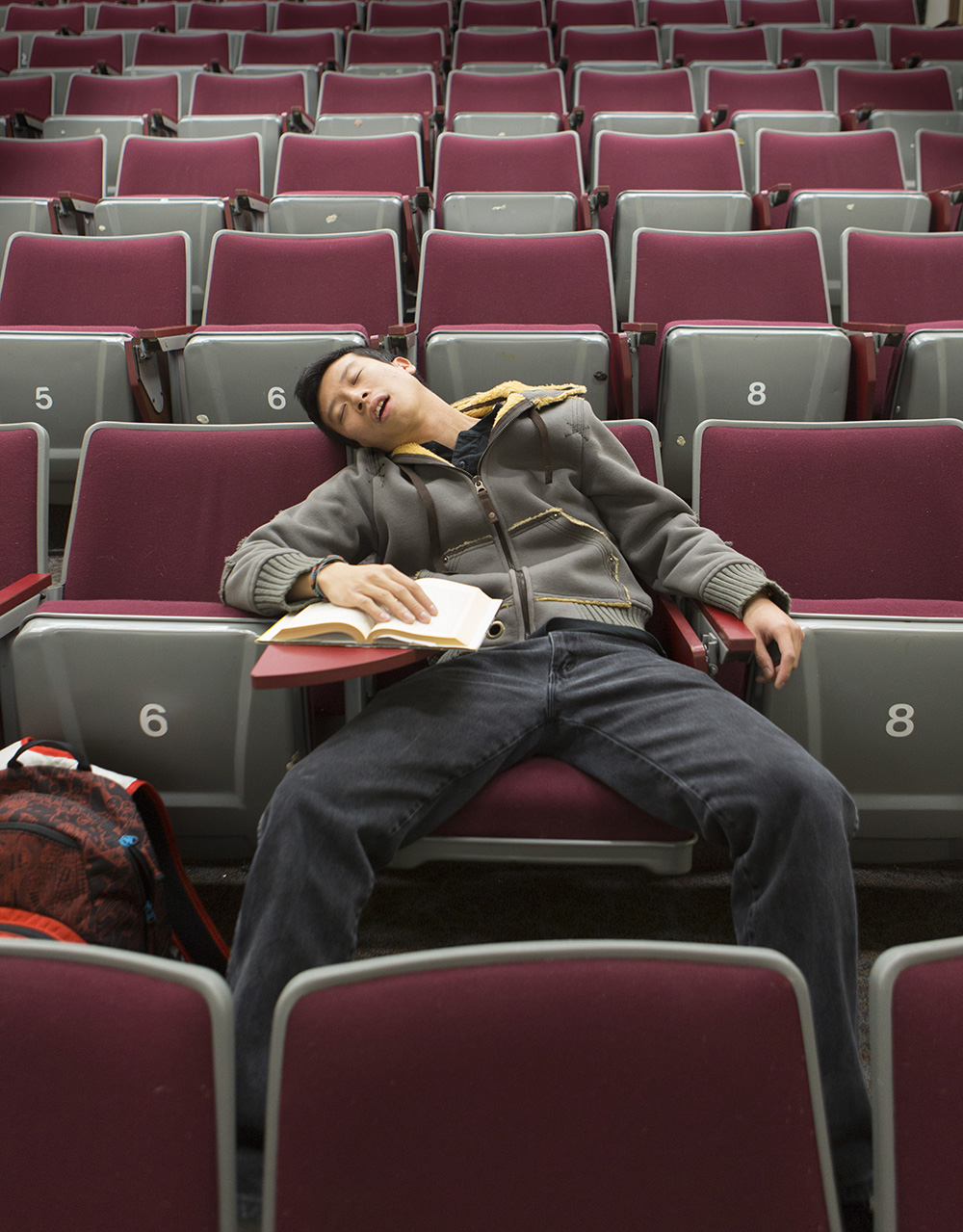
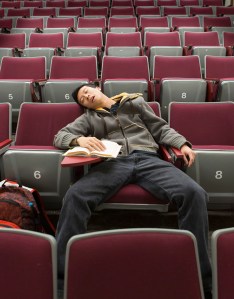
The Power of the Nap

Don’t be lazy; find time to rest

By Elliot Chan, Opinions Editor
Naps-2-small

Formerly published in the Other Press. Oct. 2013

The current state of naps

Siesta: the Spanish word for a rest or nap, normally taking place after lunch in the early afternoon.

The daily ritual travelled across the globe generations ago, and is practiced in most Latin countries, including Philippines, Ecuador, and other tropical and subtropical nations. Often attributed to the warm climate, countries that engage in siestas don’t have standard North American nine to five working hours, because it’s simply too hot.

In Spain, a normal working day starts at 9 a.m. and ends at 8 p.m. with a three-hour siesta period in between. During that time, shops and offices shut down—at least, that was the custom until 2008, when the country found itself in debt. Due to recession and an unstable economy, most Spaniards no longer partake in the routine nap, for fear of lost profit. So, like large families, maiden names, and circumcision, siestas are another dying tradition.

Meanwhile, the North American workaholic mentality is growing strong. Competition is stiff in every aspect of life. Students and employees alike are becoming sleep-deprived due to increasing workload, stress, and anxiety.

The 2013 Sleep in America Polls conducted by the National Sleep Foundation reported that 40 per cent of those polled have less than seven hours of sleep nightly, and those that get eight hours are severely dropping. With 30 per cent saying they have less sleep than needed, and five per cent saying they never have a good night’s sleep, it’s clear sleep-deprivation is becoming problematic, if not an epidemic. It’s not news that being well-rested is important, but how can we stop the habitual bitching and finally get some rest?

The benefits of naps

First and foremost, a quality nap doesn’t make up for an insufficient or poor night of sleep. At its best, napping can spark alertness, improve cognitive thinking, alter mood, and enhance performance.

As monophasic sleepers, humans have one period of wakefulness and one period of sleep during the course of a day, unlike the more than 85 per cent of mammals which are polyphasic sleepers and sleep for short intervals throughout the day.

Although a short nap can’t replace REM sleep, a study by NASA on tired military pilots and astronauts showed that a 40-minute nap can improve performance by 34 per cent and alertness by 100 per cent. Naps that are accompanied by dreams are often a sign of sleep-deprivation and over-exhaustion.

Napping is often associated with laziness, unhealthiness, and a lack of motivation, but this is not the case. Moderate napping will help both the inactive and the ambitious sustain mental and physical stamina. If napping is the only thing you accomplish today, consider it a little vacation, not an admission of defeat.

The art of napping

Sleep inertia is one of the main detriments of midday naps: coming out of a slumber at 5 p.m. feeling groggy and disoriented isn’t uncommon, and many who choose to nap over-indulge, leading to counterproductive results.

In a study conducted by the research journal Sleep, examiners tested different napping durations and concluded that the most beneficial length is 10 to 20 minutes. These catnaps can give a boost of energy and help with cognitive performance. However, studies have shown that an hour-long nap is more beneficial to cognitive memory—such as recalling facts, places, and faces—even though it might cause grogginess at first.

There are three main types of naps: planned naps, emergency naps, and habitual naps; from there they branch off into subcategories, catering to the sleeper’s needs.

Planned naps include power naps, catnaps, and caffeine naps, appealing to students or business professionals who just need a little pick-me-up during the latter part of the day. Also known as preparatory napping, planned naps are taken before the sleeper is even tired. This technique works best for those who know that they’ll be up later than usual. In addition, planned naps can relieve stress, relax and rejuvenate the body, and improve alertness.

Caffeine napping is a peculiar napping strategy that involves drinking coffee before lying down for a 10 to 20 minute nap. This method often requires proper timing to be effective—otherwise nappers will simply be lying in bed with an abnormal heart rate feeling restless.

Although all-nighters are unhealthy, sometimes they are unavoidable. Students who are planning on a long night should try grabbing some shut-eye in the middle of the day. Experts recommend a restorative nap between 90 and 180 minutes, which allows the sleeper’s brain to go through at least one sleep cycle. After cramming for an exam or finalizing a project, consider sandwiching the working hours with restorative naps, so the body and mind can recover.

Emergency naps are as important as they sound. These naps are taken when fatigue is inhibiting a person’s ability to participate in certain activities. Drivers and operators of heavy machinery should always be well-rested. A study by the Virginia Tech Transportation Institute indicates that fatigue causes 20 per cent of car crashes, while the National Highway Traffic Safety Administration reports an average of 1,550 reported fatalities and 71,000 injuries a year. Although there are no real methods of determining sleepiness as the main cause for accidents—drowsiness tends to be self-reported, unlike a Breathalyzer for driving under the influence—it’s clear that driving while fatigued is an issue. If you’re driving, pull over to the side, rest up, and hit the road at a later time.

Habitual naps are akin to siestas and are greatly beneficial to people of all ages. But there are certain habits nappers shouldn’t take up, and that is the “sleep until you wake” habit. Taking a nap when you are bored is not a healthy practice, even if you do it every day. Doing so may cause a lot of harm to a normal sleeping schedule, zap energy, and diminish mood.

There are no hard rules to napping. Every person’s sleep cycle is a bit different. By anticipating the scenario after waking up, though, each person can design a nap that will yield the most positive outcome.

Combatting the need to nap

According to the National Sleep Foundation, some estimates show that people sleep about 20 per cent less than they did a century ago. But napping isn’t essential; it’s a treat. Getting a standard eight hours is all it takes to fight the endless battle for quality sleep and the war against fatigue.

However, there are many factors hindering our rest in this modern age. In the 2011 Sleep in America Poll, 95 per cent of participants admitted to using some type of electronic device before sleeping. Staring at an artificial light—like computer screens, cellphones, and TVs—between dusk and bedtime suppresses the release of melatonin, a sleep-promoting hormone. Although a night light or computer screen might keep the bogeyman away, a dark room with fresh air is optimal for welcoming sleep.

Food with high calcium and protein will promote sleep better than high fat and sugar. Altogether, avoid large meals. A heavy meal will make you lethargic, but it won’t help you to doze off. Whole-grain bread, pastas, nuts, and seeds are the best options.

Napping, like sleep, is all about routine and timing. Tune into your body and identify those moments of tiredness. Incorporate naps no closer than five hours before your regular sleeping schedule. If you choose to nap, embrace it. Positive association with naps will make it easier to fall asleep and reenergize the spirit. Feeling guilty about napping will keep you awake and suck your morale dry. Set an alarm, make post-nap plans, or ask a friend to call or text you. Wake up, stretch, and allow your body and mind to reengage with the senses—smell, listen, hear, and see.

Siestas might be a fading cultural tradition, but napping isn’t going anywhere. As long as there are deadlines and commitments, there will be little certificates of comfort at the end of the grind. A desk, a couch, or a bed—just some place to kick up our heels, recharge, and wake up to our full potential.

Reporters aren’t robots

Opinions_Bias-news1

By Elliot Chan, Opinions Editor

Formerly published in The Other Press. Oct. 2013

Mass media has an enormous cultural responsibility. It can influence everything from the food we eat to the politicians we vote for, so it’s critical that all the news presented is informative and accurate.

All that is good, but society has been so focused on the “truth” that journalists have become all tight-lipped when giving their opinions on the topics they cover. Fearful of losing their job, being ridiculed, or getting sued, most reporters and journalists choose the “no comment” method of relaying news in order to appeal to the collective and avoid backlash. But with reporters hiding behind a veil of ingenuousness, it’s the readers and viewers who don’t really get the full story. After all, credibility is an illusion.

Understand this: all media is biased, whether it’s a conglomerate like MSNBC or FoxNews, or an independently run news source like the Other Press. There’s always your story, my story, and the truth—so wouldn’t it be better to know what everyone’s opinion is right from the start? From there we can select who to listen to and who to avoid, who to share ideas with and who to challenge. Understanding is gained from open dialogue, not bottled up suspicion and mistrust.

Criticizing media bias is like criticizing the way we learn from our instructors, our parents, and our friends. You would never condemn any of them for giving their points of view; why shouldn’t the same go for media professionals? The public demands ethical journalism, but individual opinions are just as viable, as long as they’re shared ethically and honestly.

In the annual State of the News Media report done by Pew Research Center, MSNBCwas touted as the most opinionated news network, with 85 per cent of their content being opinions and commentary, versus 15 per cent factual news. Other news media outlets aim for a 50/50-split, and I believe that is a fair balance.

In a world with so many options for news sources, bias is not a negative. In the same ways that we all think and speak differently, news sources should present their differences as well. It would open the playing field for readers and viewers to think critically and build upon their own individual opinions.

News and current events aren’t supposed to be comforting. News is not a television sitcom or a romantic comedy you can cuddle up to. It’s informative, it’ll spark conversations, and only through discussion can we heighten social standards and awareness. Media bias isn’t the problem. The issue is a refusal to see from another’s point of view. That leads to prejudice, stereotyping, and inaccurate assumptions.

I understand the thin line between subjective opinion and propaganda, so don’t get me wrong: what I’m preaching is hard-hitting free speech, not bullshit. As long as an idea is based around facts, there is no problem with voicing harmless thoughts. If you don’t want to hear it then find something else, but in a chaotic world, it would be nice to know what those influencers from television, radio, newspaper, and the Internet are really thinking. In the end, the truth will always surface, regardless of what was reported.

Taming the control freak

 Opinions_Control-freak-1

How to be a leader without alienating yourself

By Elliot Chan, Opinions Editor

Formerly published in The Other Press. October, 2013

Throw a bunch of humans together and see who turns into an animal first.

It doesn’t matter if it’s a workplace environment, a table of friends, or a packed car on a road trip—there will always be a project manager, a storyteller at the dinner table, and a driver in the car. Although the leadership role is sometimes appointed, most often it’s just imposed upon the individual, and from there they have to control the manic, power-hungry beast inside.

We’ve all been or interacted with a control freak. Sometimes their behaviours are so subtle that we don’t even notice them manipulating us; other times they’re aggressive, confrontational, and abusive.

A famous study by psychology professor Philip Zimbardo showed that when given power, anybody can behave in a cruel and unusual manner. The 1971 Stanford Prison experiment was intended to simulate two weeks in prison. Twenty-four students volunteered to participate, with 12 appointed as guards and 12 as inmates. The experiment was halted after six days, when prisoners began to passively accept abuse and harassment from the guards.

Deny it all you want, but there’s a monster inside of you. Although it might not erupt in the same capacity as the prison guards, it can still roar unintentionally at your peers, colleagues, and friends.

Perfectionists and control freaks may not see themselves as the villains. They might feel like the only one who cares, and that they’re merely trying to get the job done in the most efficient manner. In doing so, they create separation—an alienating aura, a souring reputation.

If you ever find yourself resisting compromise or unable to delegate work, you must step back for a moment and recognize the control freak brewing inside you. Only then can you properly assess the situation and your relationship with the group, and have the demon exorcised.

To eradicate the “my way or the highway” attitude, you must be willing to listen. Stay silent for a moment and hear what others have to say. The voice inside your head will try to jump in, but don’t let it. Allow the others to finish and then give your point of view. This way, it becomes a discussion and not a lecture. Control freaks feel these types of interactions slow the working process, but in fact it builds a relationship. By understanding how others think and work, you as a leader can then begin to employ them in the most effective areas.

Don’t interfere with others’ working processes unless they ask for help. The objective might be getting from point-A to point-B, but the journey isn’t up to you. Allow others to work at their own pace, even if they’re slowing the process down. A good leader will communicate and address displeasure, but a good leader will not do the work for them.

The best way to kill the control freak inside is to wing it: whatever you are doing, just wing it and see what happens. Spontaneity is control freak cyanide and a quality leader’s magic potion. Those who can handle improvising and thinking on their feet will be revered by their peers in a way that commanding and demanding leaders can’t be.

The sky is fall-ing

Braving the end of another year

By Elliot Chan, Opinions Editor

Formerly published in the Other Press. Sept. 2013

Opinions_Autumn

Long days, bikini-clad girls, and patio chairs—it’s going to be a while before we see any of those things again. As the change in season becomes more apparent, people are becoming more irritable. The constant rain, the midday darkness, and the approaching end of another year bring a melancholy feeling that is usually accompanied by an unexpected head cold. Summer is gone, but the transition to winter isn’t all mournful and gloomy. Autumn has charming qualities that are worth falling for.

The smell of autumn air, when it’s not yet too cold and still reminiscent of a bygone summer, can refresh the body. Staring off into the distance and seeing the city dappled with red, orange, and yellow, I can’t help but breathe in the sweetness—even though for a moment I want to complain about the chill and the rain. And it’s my right as a Vancouverite to complain, but I won’t, because that won’t change the weather. What I can do instead is dress for the occasion, and autumn happens to be a very fashionable season. Delightful combinations including scarves, toques, and sweaters might not be the same as showing off my beach body, but hey, argyle looks good on me too.

Sure, I wish the freedom of summer would last forever, but deep down inside I know I need the sophistication of autumn to teach me how to grow and become a responsible human being. Classroom lectures and day jobs begin to fill up the time spent basking in the sun, and it’s okay because it’s progress. And then just when you think you’re on a roll and you’re working too hard—Halloween comes out of nowhere and rewards you. Well, lies, it doesn’t come out of nowhere, you’ll have been preparing for it a month beforehand, but your PG-13 costume will be so worth it.

Whether I’m slipping into my Ugg slippers and making some hot chocolate for a long night indoors, or I’m putting on my cardigan to hunt for the perfect pumpkin at the store, autumn fills me with whimsy. As mature as I am, the season still causes me to conjure up some childlike imagination—the kind that says make-believe isn’t completely absurd.

The finest entertainment comes during this time of year, too. No, I’m not just talking about Thanksgiving, family dinners, or other cheesy stuff like that. I’m saying that autumn means movie theatres are removing the disappointing blockbuster flicks and introducing quality ones which will vie for a spotlight during award season. It’s also the best time of year for sport fanatics: hockey, American football, and basketball seasons return, while baseball, Canadian football, and soccer head into playoffs.

Sure, I miss the carefree sunny days of summer, but who has time to mope over our fading tans when we have so much autumn to look forward to?

Autosave

Opinions_Memories1 

The memory on our hard drive versus the memory in our head

By Elliot Chan, Opinions Editor

Formerly published in The Other Press. Sept. 2013

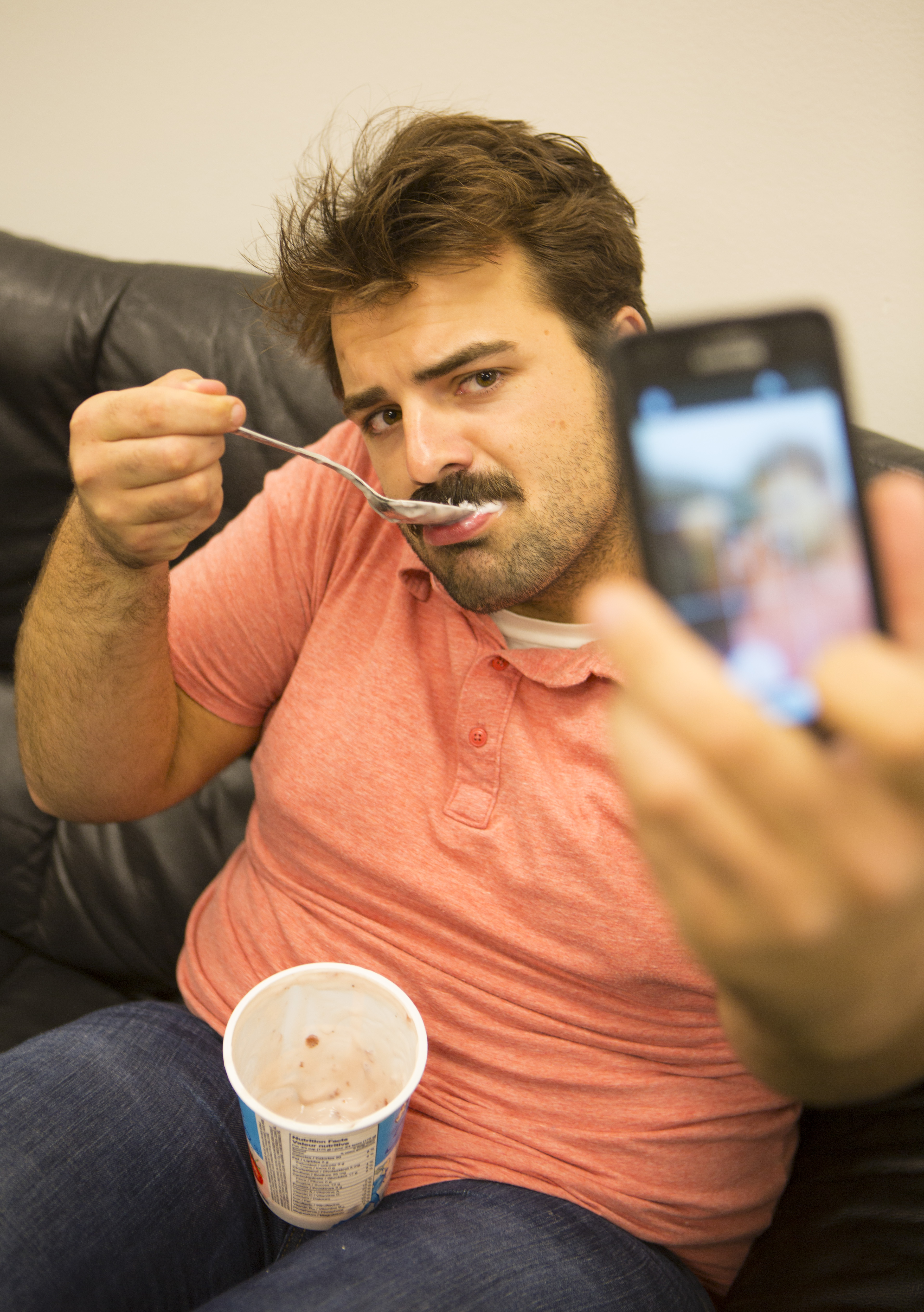
About 200 years ago, the first photograph was taken and a new human obsession was born. The fascination with capturing “the moment” has travelled through time and led us here to a digital world where Facebook contains over 240-billion photographs. So what is it like living on a planet where 350-billion photos are taken annually worldwide in addition to the over 3.5-trillion already in existence? My guess is that those poses, those beautiful views, and those first steps by little baby Susan will inevitably be lost beneath all the other mundane images out there.

Remember Kodak moments, when every photo taken was an investment for the future and a memory worth sharing? I do. When I was young, my family only brought out the analogue camera for special occasions such as birthday parties, vacations, or school performances. I wasn’t allowed to touch it until I was 10-years-old, because memories were precious and my mother would always fear overexposure. Film was pricey, developing it even more so—my parents knew certain things were worth the cost and others weren’t.

Hard drive spaces are cheap and getting cheaper. Soon we’ll be able to upload our lives onto a terabyte external hard drive, plug it into to a projector, and have all our memories play out during our funeral. Our loved ones can gather around crying and laughing about our tomfoolery and our bits of achievements. But what substance do those images really have for us during the course of our lives?

Sometimes I look at pictures of myself; it might be me during a night out with friends, or maybe a group photo with my family. Oftentimes, I come away with a vague memory, like waking up in the morning and trying to recollect a dream. There are just so many—how can I be certain that I’m even remembering correctly?

We have all become photojournalists, reporting on and documenting our own lives. But can it be that the more we capture to showcase, the more we are losing for ourselves? The more we rely on the memories of a machine, the more we inhibit the capacity of our own brains.

During a vacation to Kelowna this year, my mother insisted that I take as many pictures as possible—for the sake of my family. I was unenthused by the idea of being my mother’s personal cameraman. Instead of enjoying the scenery or the moment, she was too busy trying to capture “the moment.” There is still a slight social stigma for those who hurry about taking pictures in situations that don’t call for it, but the taboo is quickly fading. The moments are becoming less and less valued, because apparently they’re everywhere now. The food we eat, a ray of sun through the trees, and of course little Susan’s first steps are now all worth the same 8.4 megapixels, but how do they really measure in our memories?

All the photography apps on our smartphones are making it harder and harder to keep track of which images we want to frame and which are disposable. Find time, sit down, go through all the pictures in your life, and ask yourself, “Do I remember this?” Then separate the images into two piles: the yes and the no. See which one you have more of, because certain things shouldn’t be automatic.