Imagine you’re working on a novel that just isn’t coming together. You’ve invested years into making it perfect —or at least presentable—but it still feels off. The feedback you’ve received points out flaws: one-dimensional characters, awkward dialogue, a meandering plot. You’re frustrated and tempted to give up.
But instead of quitting, you decide to push through. You might think, “It doesn’t matter if the characters seem flat or the dialogue is stiff. Maybe things will improve if I keep going.” And somehow, you continue working on it.
Have you ever had a similar experience? Then you might have experienced a sense of optimistic nihilism.
I’m currently reworking my entire project that I began 4 years ago, and at times, it feels incredibly demoralizing—like being sent to prison, getting released for good behavior, and then immediately committing another crime to be sent back.
I’m essentially redoing everything from scratch, revising scenes, reworking characters, and rethinking the plot. But instead of seeing this as a setback, I’m trying to view it as an opportunity. Every rewrite, every change is part of the creative journey. The novel’s transformation mirrors my growth as a writer. It’s not just about fixing flaws but about embracing the process of evolving and refining my work.
I know I sound delusional, and maybe that’s kind of what optimistic nihilism is about.
In practical terms, optimistic nihilism helps keep you moving forward, especially in creative work. It’s easy to doubt whether your efforts will pay off or if anyone will even notice. It’s like a tree producing apples that might fall and rot without being tasted. Does it matter if the apples are sweet if no one eats them?
From an optimistic nihilist perspective, the rotting apples are part of the process. They had their moment, and that’s valuable in itself. This mindset helps me see that the act of creating is worthwhile, regardless of the outcome.
You see, my goal is to write and create for as long as possible. To be a tree to bear fruit, regardless of the taste. Regardless of being planted in a spot where someone will come and pick them. Writing is the thing I want to do hopefully for the rest of my life, whether anyone will read my work or not. That’s the purpose I’m establishing for myself.
Optimistic nihilism supports the idea that I can create my own meaning, which helps me reframe my project. Every day that I continue to work on it, despite setbacks, brings me a sense of empowerment as I shape my life according to my values and interests. Not someone else’s, not some higher power. Simply put, I’m someone who is finding time to do what he loves.
You might find yourself in a similar situation someday, where all your hard work seems futile and you begin to question whether it’s worth continuing. Viewing it through the lens of optimistic nihilism can help. Stay hopeful that you’ll eventually reach your goals, and find peace in the understanding that, in the grand scheme of the universe, it may not ultimately matter.
Want to learn more about optimistic nihilism and creativity, check out this video right here.
For more writing ideas and original stories, please sign up for my mailing list. You won’t receive emails from me often, but when you do, they’ll only include my proudest works.
Join my YouTube community for insights on writing, the creative process, and the endurance needed to tackle big projects. Subscribe Now!
Before we talk about Hated in the Nation, let’s flashback to when this episode was first released: October 21, 2016
In 2016, the European Union teamed up with big tech companies like Facebook, Twitter, YouTube, and Microsoft to launch the “Code of Conduct on Countering Illegal Hate Speech Online.” This voluntary agreement aimed to fight the spread of illegal hate speech. The platforms committed to reviewing and removing such content within 24 hours of being notified. While it was a significant step forward, challenges remained regarding its effectiveness, accountability, and balancing free speech with regulation.
Smartphone manufacturers integrated facial recognition features into their devices in 2016. This allowed users to unlock phones, authorize payments, and access secure apps using facial biometrics, adding an extra layer of security and convenience.
Also in 2016, the Robird, developed by Clear Flight Solutions, emerged as an innovative solution for bird control, particularly in environments where pest birds could cause significant damage or pose safety risks like the airport.
The Mirai botnet attacks of 2016 were a series of cybersecurity incidents that targeted Internet of Things (IoT) devices such as security cameras, home routers, and smart home devices. The hackers exploited common vulnerabilities like default passwords and insecure configurations to infect a large number of IoT devices and launch massive distributed denial-of-service (DDoS) attacks. These attacks highlighted the security flaws in IoT devices, leading to more efforts to improve network defenses against such threats.
In 2016, costume companies and retailers got into trouble for selling offensive Halloween costumes. Some faced backlash for designs that were seen as perpetuating harmful stereotypes. Celebrities like Chris Hemsworth and Hillary Duff were also called out for their costume choices. However, they weren’t the most hated figures of the year.
In February 2016, Martin Shkreli, a businessman, appeared before a congressional hearing to testify about drug pricing practices. The hearing focused on his company, Turing Pharmaceuticals’ pricing of Daraprim, which had been raised from $13.50 to $750 per pill, and its impact on patient access to affordable medication. Shkreli’s unapologetic demeanor and evasive answers during the hearing only made the public angrier, cementing his status as one of the most hated people in the world.
And that brings us to episode 6, season 3 of Black Mirror, “Hated in the Nation.” This episode isn’t just a crime drama; it dives into the dark side of social media and technology. It makes us think about how tech is used in climate change and law enforcement and how online anonymity, mob mentality, and viral outrage impact society. Who is responsible for the fallout from viral trends and public shaming? What are the ethical and moral implications of our actions online? And how do we handle the backfire of our good intentions?
In this video, we’ll explore 3 themes of this episode and determine whether similar events have happened — and if not, whether they are still plausible.
The Right to Offend
In this episode, detective Karin Parke found herself plunged into one of the most disturbing cases of her career. It all started with the mysterious death of a journalist who had been targeted online. The hashtag #DeathTo seemed like a cruel joke, but it quickly became clear that this was no coincidence. Each victim had been publicly shamed and vilified on social media, and now they were turning up dead.
Most of the people who used the hashtag #DeathTo didn’t think it was serious. They saw it as just another way to vent their frustrations or join in on the latest online mob. They believed joking online shouldn’t have real-world consequences, and they never imagined their actions could lead to someone’s death. This mindset highlighted a disturbing hypocrisy.
The inspirations for this episode were plenty. The creator of Black Mirror, Charlie Brooker had firsthand experience with public backlash after writing a satirical article for The Guardian in 2004. In the article, Brooker wrote, “John Wilkes Booth, Lee Harvey Oswald, John Hinckley Jr, where are you now that we need you?” — implying the assassination of then-U.S. president George W. Bush.
This led to a torrent of violent messages directed at Brooker, prompting him to apologize and The Guardian to remove the article from their website. Although this experience occurred before the rise of Twitter, with early social media, people no longer needed an authoritative platform to share their unsavory thoughts anymore. That was… until 2013, when the public had enough and the right to do whatever you want on the Internet officially ended. The warning signs came in the form of Cancels.
Kevin Hart faced significant backlash over homophobic tweets from nearly a decade earlier. These tweets resurfaced after he was announced as the host for the 2019 Oscars. The controversy led to Hart stepping down from the gig and issuing multiple apologies.
Roseanne Barr posted a racist tweet about Valerie Jarrett, a former advisor to President Obama. The tweet was widely condemned, leading to ABC canceling the 2018 reboot of her show “Roseanne” and relaunching it without her as “The Conners”.
Kathy Griffin faced intense backlash after posting a photo of herself holding a prop that looked like the severed head of President Donald Trump. The photo sparked outrage across social media and led to Griffin being fired from her role as co-host of CNN’s New Year’s Eve broadcast, as well as receiving death threats.
And the list continues.
But this is not limited to public figures. When normal people do something that the public feel is disrespectful, they are often called out now.
In 2014, a teenager from Brecksville, Ohio, Breanna Mitchell posted a selfie on Twitter smiling at Auschwitz. The photo was widely condemned. But the phototaker wondered if in fact the mob against her had gone too far. Was she really not allowed to smile?
In this episode, we are asked to question the rights people have to express themselves and to fully understand what the freedom of speech actually means.
Freedom of speech is not absolute and is subject to certain limitations, such as when speech incites violence, promotes hate, or jeopardizes public safety. In democratic societies, there are often laws and regulations that balance freedom of speech with other societal values.
While freedom of speech protects the expression of diverse viewpoints and critical discourse, it also entails accountability for the impact of one’s words on others and society at large. “Hated in the Nation” reminds us to be mindful of what we say and do online, because while we may take full liberty of our freedom of speech, we never know who might be watching, or better yet, recording.
Unpopularity Contest
As the investigation unfolds in Hated in the Nation, it is revealed that the ADIs, those robotic bees, have been hacked by an individual seeking to punish those who were nominated by using a social media hashtag, #DeathTo.
Trending topics are familiar, the internet is known to use hate and anger as clickbait through sensational headlines and polarizing content. Media outlets and content creators capitalize on that to boost engagement metrics like likes, shares, and comments. Additionally algorithms amplify this by promoting content that aligns with users’ beliefs, creating echo chambers that reinforce extreme viewpoints.
While effective for driving traffic, these tactics undermine civil discourse and exacerbate societal tensions. For instance, during the 2020 U.S. presidential election, many right-wing users were frequently exposed to posts and news articles supporting claims of election fraud. This led to a stronger belief in misinformation and contributed to events like the Capitol riot on January 6, 2021.
But it doesn’t begin and end in politics. Echo chambers are also prevalent in other communities as well, including health and wellness, sports, lifestyle and hobbies, and entertainment.
Gamergate was a 2014 controversy that started in the gaming community but quickly became a broader cultural phenomenon. It involved harassment campaigns and online abuse targeting women in the gaming industry and facilitating the spread of misogynistic rhetoric and coordinated attacks against those perceived as threats to the status quo in gaming culture.
Trends are essentially the heartbeat of the Internet. It keeps it alive and active. With an endless scroll of influential idiots to follow, it’s hard to predict what people will get caught up with next.
“Momo” was a controversial and widely discussed online trend that emerged in 2018. It involved a creepy-looking sculpture of a woman with exaggerated features, initially created by a Japanese artist. The image was used in online challenges on social media platforms, where users were reportedly encouraged to contact “Momo” and engage in dangerous tasks that could lead to self-harm or harm to others. The trend spread globally, causing panic among parents, educators, and Kim Kardashian.
Many experts and authorities suggested that the trend was largely a hoax or urban legend, with no confirmed cases of direct harm linked to it. Despite the ambiguity surrounding “Momo,” it highlighted broader concerns about the influence of online trends and challenges, particularly those targeting vulnerable individuals such as children and teenagers.
But online challenges have long existed:
The Tide Pod Challenge gained infamy in 2018, with participants, primarily teenagers, posting videos of themselves biting into or consuming laundry detergent pods.
Originating in Russia between 2015 and 2016, the Blue Whale Challenge reportedly encouraged participants to complete a series of tasks over 50 days, culminating in self-harm such as carving “F57” into their writs or suicide. Russian independent media, Novaya Gazeta reports that about 130 children have killed themselves after participating in this game.
And let’s not forget the ever fateful, Choking Game. Although not exclusive to social media, the choking game is as it sounds. It involves self-strangulation or suffocation to induce a temporary high or euphoria. In the U.S., 82 children aged 6 to 19 died from playing the Choking Game between 1995 and 2007, according to the Centers for Disease Control and Prevention. This ignited fear as the game gained popularity online in 2016, with over 36 million YouTube results, many of which providing instructions for this activity.
I can go on… but let’s stop there.
The reasons for following trends are as basic as human connection and community, but social media and digital platforms often play a role in what trends we follow, promoting content through algorithms. While humor and creativity can trigger the algorithm, nothing sparks engagement like content that promotes fear and loathing.
Fake Animals, Real Hacks
RoboBees are tiny, insect-inspired robots developed by researchers at Harvard University’s Wyss Institute for Biologically Inspired Engineering. The project, which began in 2009, aims to create autonomous flying microrobots capable of performing tasks typically carried out by bees, such as pollination.
Much like the ADIs (Autonomous Drone Insects) in “Hated in the Nation,” RoboBees are incredibly small, weighing just a fraction of a gram. They are constructed with components made from lightweight materials like carbon fiber.
Early versions of RoboBees were tethered, receiving power and control signals through a wire. However, researchers are developing untethered versions with onboard power sources and advanced sensors for autonomous navigation and operation.
Developing fully autonomous RoboBees requires advanced sensors, control algorithms, and efficient onboard power systems. Current research includes creating lightweight micro-batteries and energy harvesting technologies. Another area of focus is developing swarm behavior, allowing RoboBees to work together, similar to how real bees operate in a hive, which involves sophisticated communication and coordination algorithms.
“Hated in the Nation” illustrates the dangers of such technologies being misused for surveillance and targeted attacks. But real-world researchers must also assess their impact on ecosystems and ensure responsible use.
Overall, RoboBees represent a fascinating intersection of biology and engineering, with the potential to address critical challenges in agriculture, environmental conservation, and disaster response. Despite the significant technical and ethical hurdles that remain, the ongoing research and development efforts hold promise for a future where RoboBees could play a vital role in various fields, just as ADIs were intended to do in “Hated in the Nation.”
The stark comparison underscores the importance of careful consideration and regulation to prevent potential misuse and unintended consequences. As we saw in the episode, failure to do so will be dire. But the real world is also full of alarming examples.
In 2011, a cybersecurity breach at Creech Air Force Base, Nevada, compromised systems controlling US Predator and Reaper drones. Malware — including a keylogger, a virus used to capture passwords — infected both classified and unclassified networks, raising security alarms — and ultimately impacting the control over the drones operating in Afghanistan. This incident spurred efforts to bolster defenses against cyber threats targeting essential defense systems.
But alas, no technology can be considered completely unhackable, as the potential for exploitation often exists due to the evolving nature of cybersecurity threats.
Governments allocate substantial portions of their budgets to cybersecurity. For example, the United States federal government proposed a $12.33 billion budget for fiscal year 2025 to secure federal networks and combat nation-state cyber threats and hacking campaigns. This represents a 10% increase from the previous year.
However, all the security didn’t prevent a global tech outage on July 19, 2024, which grounded airlines, knocked news channels off the air, brought banks offline, and disrupted 911 operators. People worldwide couldn’t boot up their computers due to a faulty software update from cybersecurity firm CrowdStrike, causing Windows computers to crash with the Blue Screen of Death. World wide chaos, all due to a simple error — not a malicious hack.
So it seems, when it comes to our technological infrastructure, we are only as strong as our weakest link.
Whether we are part of the swarm or trapped in it, “Hated in the Nation” reminds us of our personal and collective mistakes. As technology advances and our communication expands, so does our isolation and the power of the mob. Safety in numbers is an illusion, and acting alone is impossible. What happens to your neighbor will likely happen to you. We are playing with unstable toys — new and shiny, but precarious dominoes ready to fall. We are right on track for events in this episode to unfold as it’s harmful to stay alone and terrifying to join the crowd.
For more writing ideas and original stories, please sign up for my mailing list. You won’t receive emails from me often, but when you do, they’ll only include my proudest works.
Join my YouTube community for insights on writing, the creative process, and the endurance needed to tackle big projects. Subscribe Now!
Before we discuss the events in “Men Against Fire,” let’s rewind to the day it was released: October 21, 2016.
In 2016, unmanned Aerial Vehicles, commonly known as drones, underwent significant advancements worldwide, enhancing capabilities for reconnaissance, surveillance, and strike missions.
ISIS employed drones equipped with cameras to gather intelligence on enemy positions, troop movements, and strategic targets, including military installations and civilian areas. By late 2016, ISIS started weaponizing drones, namely against Peshmerga and Western soldiers in Northern Iraq.
This increased fear, as the terrorist group was responsible for over 40 major attacks in 2016, such as those in Brussels, Istanbul, Baghdad, and Nice, resulting in numerous casualties and highlighting their ability to carry out terrorism on a global scale.
But the US army had been using drones for over a decade, and they had some pretty powerful ones, including the MQ-9 Reaper. Equipped with advanced sensors and targeting systems, this $31million aircraft is capable of conducting long-endurance missions and precision airstrikes against ground targets, particularly in counterterrorism operations.
These drones played a crucial role in disrupting ISIS’s operations and eliminating key leaders, such as Hafiz Saeed Khan, stopping him from expanding the terrorist group’s capabilities in Afghanistan and Pakistan. However, drone strikes have also led to the deaths of countless innocent lives. Transparency and accountability are lacking in drone operations, raising concerns about adherence to international law and human rights standards.
Speaking of war and lack of transparency, we must speak of Russia. In December 2016, with Russian support, the Syrian government achieved substantial gains in eastern Aleppo, leading to the evacuation of rebel fighters and civilians to northern Syria, marking a pivotal moment in the conflict.
Of course, Russia was involved in other conflicts, most namely in eastern Ukraine, which was initiated by the annexation of Crimea in 2014. While the Western world was focused elsewhere, Russia was supporting separatist forces despite ceasefire attempts and diplomatic negotiations.
In Afghanistan, the U.S. continued Operation Freedom’s Sentinel in 2016, focusing on counterterrorism efforts against groups like the Taliban and al-Qaeda, while supporting Afghan government stabilization efforts.
The Afghanistan War, beginning in 2001 in response to the 9/11 attacks, stands as the longest war in American history. Under the Biden Administration, the United States officially withdrew its military forces from Afghanistan on August 31, 2021, marking the end of its nearly 20-year military involvement.
Estimates by the Costs of War project at Brown University’s Watson Institute for International and Public Affairs indicate the war’s total cost exceeded $2 trillion from 2001 to 2021, encompassing direct military spending, interest payments on war-related debt, and long-term care for veterans.
And that’s what brings us to this episode of Black Mirror, episode 5 of season 3, Men Against Fire. This episode doesn’t only trigger discussions about the use of technology in combat, and the psychological toll on soldiers — it makes us question the reason for the war itself. Who is leading us down these paths? Why is the momentum of war so hard to stop? And in the end ask, what does victory even look like?
In this video, we’ll explore 3 themes of this episode and determine whether similar events have happened — and if not, whether they are still plausible.
The Optimization of War
In “Men Against Fire,” we’re thrust into a war-torn landscape where soldiers like Stripe are deployed against a mysterious enemy known as the Roaches. The vague reasoning to exterminate them was because they allegedly carried contagious sickness. It’s not until Stripe’s Mass malfunctions that the facade of duty crumbles, revealing a grim reality, the Roaches were people too.
This often overlooked episode resonates with today’s global uncertainties. We’re teetering on the edge of World War III and the enemy is increasingly ambiguous. Warfare is a recurring TV series, renewed each season as long as there’s public support. Governments, whether democratic or dictatorship, rely on propaganda to justify military interventions, stirring fear and rallying citizens to perceived threats from across the border.
Propaganda appeals to patriotism, nationalism, and loyalty as a duty to defend one’s country and uphold its values. Currently in the midst of an invasion, Russia employs a multifaceted approach to garner support for its military actions, both domestically and internationally. Through tightly controlled state-owned media outlets, the government disseminates narratives supportive, framing attacks as necessary measures to protect national interests, counter external threats, and restore stability.
By portraying Russia as a defender of traditional values and a bulwark against perceived Western aggression posed by NATO and geopolitical rivals, Vladimr Putin justifies military actions as preemptive measures to safeguard its interests.
In 2022, the Kremlin spent approximately $1.9 billion in propaganda. It is not cheap to manipulate public opinion, spread misinformation, and undermine trust in Western institutions. But as we will learn, nothing about war is.
According to the U.S. Department of Veterans Affairs , about 11-20% of veterans who served in Operations Iraqi Freedom and Enduring Freedom are diagnosed with PTSD in a given year. Additionally, approximately 12% of Gulf War veterans experience PTSD at some point in their lives, and about 30% of Vietnam veterans have had PTSD.
As of 2022, there are currently 16.2 million veterans in the United States, which makes 20%, 3.24 million people.
In 2023, $139 million of US government spending was invested in Veterans Affairs research programs and $16.6 billion in the Medical Care program to improve access to mental healthcare. Furthermore, the budget allocates $559 million to preventing veteran suicide. There’s no argument about the need for resources, but it’s also a big price to pay to keep the business running.
In 1961, President Dwight D. Eisenhower coined the term the military-industrial complex, which encompasses the symbiotic relationship between the military establishment, defense contractors, and government agencies involved in defense and national security affairs. It perpetuates wars through a combination of profit incentives, political influence, institutional inertia, and security imperatives. Defense contractors benefit financially from ongoing conflicts and arms sales, exerting pressure on policymakers to prioritize military interventions and increase defense budgets.
In this episode, the psychologist Arquette tells Stripe that in the wars of the past, most soldiers don’t fire their weapons on duty, thus extending the war — decreasing he demand for bullets. The Mass was introduced to speed up the process of killing.
The optimization of war is an ongoing development, however, it’s also a double-edged sword, no wait, more like an atomic bomb.
Want to 10x war? Nuke them.
The atomic bomb’s development intensified the arms race between the United States and the Soviet Union during the Cold War era, driving both superpowers to expand their nuclear arsenals and develop more advanced weapons systems. Fight fire with fire.
Quite a conundrum. How can we optimize war without destroying ourselves? How do we find this perfect equilibrium? Surely great leadership will be required. Because the weapon is available and should any of the nuclear powers become backed into a corner, then in order to save itself, there hardly seems to be a reason not to use it. And so it goes with any new weaponry developments.
The challenge remains to hold governments and political powers accountable for their actions and reactions. The momentum of war can leave many victims and there’s not much that public protest can do when the enemies, out for revenge, are knocking at the gates.
This episode of Black Mirror reminds us that when it comes down to it, we don’t get to pick our enemies. They are hardwired into our very existence. We are programmed to hate, fear, and be repulsed by them. But even when we see the light. Even if we become woke, so to speak, it’s too late to stop the waves from crashing. Because even if you are no longer controlled, your perceived enemies are. And in dystopia and war, it’s not a battle of bees. It’s a battle of hives. And sacrifice is necessary to make a return on investment.
Constructing the Others
When Stripe encounters a Roach family, the MASS implant distorts his perception, presenting them as savage creatures instead of individuals pleading for mercy. To protect himself, he slaughters them. This manipulation reduced the soldiers’ sense of guilt or remorse when committing violent acts against the Roaches, resembling real-world tactics where psychological conditioning is employed to rationalize atrocities.
Politicians regularly cultivate an “us vs. them” mentality to create a sense of solidarity among the populace. They use dehumanizing language, stereotypes, and negative portrayals to depict the adversary as inferior, barbaric, or morally reprehensible.
During a speech in Wisconsin on April 2, 2024, Presidential candidate Donald Trump perfectly demonstrates this by using such language to describe migrants from Mexico: “The Democrats say, ‘Please don’t call them animals. They’re humans.’ I said, ‘No, they’re not humans, they’re not humans, they’re animals.”
America is not alone. Europe has also been engulfed by social tensions, xenophobia, and intergroup conflicts.
Perhaps the most dramatic example is the weaponization of migrants at the Belarus-Poland border in 2021. Migrants, predominantly from the Middle East and North Africa, have amassed at the border seeking entry into EU territory, meanwhile Belarusian authorities are accused of enticing or coercing these migrants, aiding their movement to the border under false promises of easier access to the EU. This strategy, attributed to Belarus’s President Alexander Lukashenko, is viewed as a retaliatory measure against EU sanctions imposed on Belarus.
Fear is a great motivator. And diseases are scary. When we see another culture as a disease that can stain generations, then we begin to understand how followers of dictators think.
Before any guns are fired, before any bombs are dropped, it starts as a battle of ideas: fire against fire. Ideas too can spread like diseases. We don’t have to look far, just remember all the arguments we had during the height of COVID-19.
Remember the politicians deflecting blame and responsibility for the spread of the corona virus by scapegoating certain groups? This has included blaming foreign countries, immigrants, ethnic minorities, religious communities, or political opponents for the outbreak or for failing to contain the virus effectively. By portraying these groups as the “other” responsible for the pandemic, politicians gained public support through fear and xenophobia.
Blame is a powerful way of constructing the other. We saw that during COVID, and we saw that on March 22, 2024.
After a Moscow concert hall was attacked by a group of terrorists which led to the death of 137 people, Vladimir Putin pointed the finger to Ukraine, despite the off-shoot of ISIS claiming responsibility. We see this clearly from afar that Putin was relishing in another attempt to maintain his invasion in Ukraine.
However, the West is not above using the blame game for ulterior motives either. An example of this is how the USA used public anger after 9/11 to justify the war in Iraq in search of weapons of mass destruction.
There are few motivations more powerful than revenge. We can trace every critical event through history as one domino piece falling upon another. We saw this after the Oct 7, 2023 attack in Israel from the Islamic militant group, Hamas which has escalated the war in Gaza. We saw this in the decade long war in the Central African Republic. We saw this in the Rohingya Crisis in Myanmar. We see the cause and effect of revenge taking form in all parts of the globe.
Yes, blame is easy when the enemy looks a certain way, but what do we do when the enemies look like us? This is a notable question that the episode poses.
The resurgence of anti-semitism is a concerning one in America, as it encapsulated the cultural descent into darkness.
Despite vows to never allow the atrocities of WWII to happen again, 1 in 5 Americans don’t believe that 6 million Jewish people were murdered during the holocaust. Some thought the number was lower. Others don’t think it happened at all.
On Oct 8, 2022, a sleepy Kanye West went on Twitter and posted about going Defcon 3, a military combat command, on the Jewish people, and then confusingly implies that Jewish people have used their power to bring down anyone who opposes them.
While Kayne’s comment was another piece of evidence of his mental breakdown and personal short-comings, it also emboldened anti semitic groups that seemed to have been living in the shadows waiting in dormant until the time was right for them to rise again. At last, they can openly blame their scapegoat again for all their problems.
Holocaust denial, minimization, and distortion contribute to the normalization of antisemitism and undermine efforts to combat prejudice and intolerance. Pro-Palestine protests across US university campuses are now receiving criticism for walking that fine line.
Facts and lies are both ideas. And in a battle of ideas that is going to last generations, both have an equal chance of winning.
There is no problem in this world that is caused by one group of people. None. Therefore, any solution based around getting rid of or holding captive a group of people will at the end fail to resolve anything more than some personal or political gain.
A strategy built upon blame is often nothing more than a distraction tactic, diverting public attention away from domestic issues, governance failures, or systemic problems within the country.
This episode of Black Mirror is revealing. If you find yourself blaming others or attacking others for life not going your way, you must ask what the governing powers are saying. Are they blaming others to maintain power? Are they using hate to fuel personal gains? As long as we are fighting enemies, we don’t have time to challenge ourselves. We won’t be able to see the monsters we’ve become. We fail to realize that we have only been destroying ourselves the whole time.
Pleasure Dreams and Tortured Memories
In sleep, Stripe is rewarded with a dream sequence depicting intimate moments with his lover as positive reinforcement for his performance in combat. However, after his Mass got infected, it becomes evident that these dreams are tools to maintain soldiers’ loyalty and compliance, blurring the lines between reality and manufactured fantasies.
Sigmund Freud, often regarded as the father of psychoanalysis, made significant contributions to the study of dreams with his groundbreaking work “The Interpretation of Dreams,” published in 1899.
One of Freud’s central concepts in dream analysis is the idea of wish fulfillment. He proposed that dreams serve as a way for the unconscious mind to fulfill repressed wishes or fantasies that are unacceptable or unattainable in waking life. In that, there is great reward for one to tap into the ability to control their dreams.
The term “lucid dreaming” was first coined by Dutch psychiatrist and writer Frederik van Eeden in 1913. Van Eeden used the term “lucid” to describe dreams in which the dreamer is aware of being in a dream state while the dream is occurring. He documented his own experiences with lucid dreaming and described various aspects of this phenomenon in his writings, one of which was a vivid flying experience.
One key aspect of lucid dreaming is reality testing, where individuals question their waking reality by performing checks like looking at their hands or trying to read text. This habit can extend into dreams, enabling lucid dreamers to recognize when they are dreaming and take control of their dream experiences.
If we can learn to control our dreams, then what is the likelihood that machines can control our dreams?
Research into the effects of non-invasive brain stimulation techniques, such as transcranial electrical stimulation (tES) and transcranial magnetic stimulation (TMS), on dreaming has shown potential modulation of dream recall, intensity, and emotional content.
Electroencephalography (EEG) technology, used by institutions like The Society for Neuroscience (SfN), allows researchers to monitor sleep-related brain activity, providing insights into sleep stages and patterns, although it does not directly reveal dream content.
Government-funded organizations such as the United States Army Medical Research and Development Command (USAMRDC) and the Defense Advanced Research Projects Agency (DARPA) focus on researching various aspects of sleep, including sleep disorders, sleep optimization, and the impact of sleep on cognitive and physical performance in military personnel.
Sleep is critically important for soldiers due to its multifaceted impact on their physical recovery, cognitive function, emotional resilience, situational awareness, physical performance, and overall health. While the military wants to reward good sleep for their soldiers, they can also deprive sleep as a weapon.
Sleep deprivation is a powerful torture technique. Prolonged sleep deprivation leads to physical and mental exhaustion, weakening resistance to stress and increasing vulnerability to coercion. Hallucinations and psychosis may occur, exacerbating the individual’s distress and compromising their ability to discern reality.
During the Cold War, Soviet KGB agents were known to use sleep deprivation extensively as a method of breaking down detainees’ resistance and extracting information. Such methods to keep detainees awake include continuous interrogation, physical discomfort, noise and light exposure, temperature manipulation, threats, food and water deprivation, physical stress, and psychological manipulation.
Similarly, in more recent times, reports have emerged of sleep deprivation being used as a tactic in Guantanamo Bay and other detention facilities during the War on Terror.
If one can control our dreams to instill pleasure, then they can use nightmares for punishment.
Nightmares can disrupt sleep, cause emotional distress upon waking, and may be associated with underlying psychological issues, stress, trauma, or anxiety disorders. While nightmares can be triggered by PTSD, the most plausible method a third-party can apply to control your nightmares would be with drugs.
Some medications, including antidepressants, antipsychotics, and beta-blockers, may have side effects that contribute to the occurrence of nightmares or oneiroid syndromes, where a person is trapped in a dream-like experience often unable to move or distinguish between what is real and what is a hallucination.
One example was of a 67-year-old woman with a history of prolonged depression, untreated for over a year, was prescribed a daily dose of 20 mg paroxetine. However, after 16 days, she required hospitalization due to behavioral disruptions and delusional beliefs that she was being pursued by malicious individuals. Further evaluation revealed that these delusions stemmed from recurring nightmares and an oneiroid state.
This episode is a great reminder that our brains are easily influenced. How we interact with others, what we see in the media, and other ways we feed our minds in wakefulness and rest may lead us to salvation or doom.
While it may be a scary thought that technology can tap into our brains and manipulate our senses, looking at the world around us, and seeing the horrors committed on a daily basis, one can say that advanced technology isn’t even necessary. There are already many existing methods of controlling a person, radicalizing them to turn against their own.
While Men Against Fire is an often forgotten episode, it is so relevant because it touches on the theme of dehumanization. In today’s context, where misinformation, social media echo chambers, and targeted content can distort reality and fuel polarization, the message about the power of perception and manipulation is particularly poignant.
It serves as a cautionary tale about the dangers of unchecked influence, the importance of critical thinking, and the ethical considerations surrounding technology and perception management in our increasingly digital and interconnected world.
So before you sign the next contract, before you get a loan, before you vote, or make a commitment, ask yourself, who’s pushing you to do so?
Join my YouTube community for insights on writing, the creative process, and the endurance needed to tackle big projects. Subscribe Now!
For more writing ideas and original stories, please sign up for my mailing list. You won’t receive emails from me often, but when you do, they’ll only include my proudest works.
Before we discuss the events of San Junipero, let’s first take a look back to when this episode was released: Oct 21, 2016.
In 2016, consumer-grade VR headsets like Oculus Rift, HTC Vive, and PlayStation VR became widely available, making virtual reality more accessible to the masses.
In the same year, VR found applications in healthcare, particularly for pain management during medical procedures. This was often called “Virtual Reality Distraction” or “VR Distraction Therapy,” where VR headsets created immersive experiences to distract patients from pain.
Mobile dating apps became the dominant platform for online dating in 2016, making the dating process more convenient. The concept of casual dating and hookup culture gained popularity, with apps like Tinder associated with short-term, non-committal relationships.
However, Tinder and its algorithm faced criticism for allegedly perpetuating racial and gender biases in online dating, which raised concerns about fairness and inclusivity.
2016 was a notable year for global equality, with countries like Colombia legalizing same-sex marriage. However, in the U.S., debates on transgender rights and bathroom access intensified due to North Carolina’s “bathroom bill”.
Tragically, the Pulse nightclub shooting in Orlando, Florida on June 12, 2016, targeted the LGBTQ community, resulting in 49 deaths and numerous injuries, making it one of the deadliest mass shootings in America.
Brittany Maynard’s 2014 case continued to influence the euthanasia and right-to-die conversation as it inspired discussions on end-of-life autonomy. In June 2016, California’s “End of Life Option Act” went into effect, allowing terminally ill adults to request medical aid in dying, making California the fifth U.S. state to legalize physician-assisted suicide.
2016 marked a transition year, with technology becoming integrated into various aspects of life, offering opportunities and challenges. This year set the stage for a more connected and digital society, impacting dating, healthcare, and our ability to cope with loss.
And that’s what brings us to this episode of Black Mirror: Episode 4 of Season 3: San Junipero, an iconic episode that invites us to contemplate the implications of a digital afterlife.
In this video, we’ll explore 3 themes of this episode and determine whether similar events have happened — and if not, whether they are still plausible.
Til Death Do Us Part
The episode begins with Yorkie navigating the bustling Tucker’s nightclub, where she crosses paths with Kelly, who encourages her to dance. This encounter sets the stage for a deeper connection beyond the surface allure of San Junipero’s neon-lit nightlife.
The 1980s was an interesting time. While there was progress in the women’s rights movement, traditional gender roles still persisted in many areas. Women were often expected to balance a career with homemaking, and men faced pressure to conform to traditional masculinity. Those who didn’t conform to societal norms often faced stigmatization. This included individuals with alternative lifestyles, like the LGBTQ community.
The American Psychiatric Association declassified homosexuality as a mental disorder in its diagnostic manual in 1973, but the emergence of the HIV/AIDS epidemic in the 1980s sparked fear and amplified existing stigma.
While HIV and AIDS remain a concern, medical advances and a better understanding of the virus have improved the outlook for those affected. HIV today is no longer a death sentence, with approximately 39 million people globally living with the virus in 2022.
Acceptance is a major theme in this episode. Acceptance is also the final stage of grief. While Yorkie’s family never accepted her after she came out and after her accident, Kelly struggles to accept her husband’s death and the end of their marriage, despite her enduring love for him.
Aging, loss, injustice, and differing viewpoints are all factors we must accept. While we may start with denial, anger, and depression, we can’t grow without eventually finding a way to accept and live with these realities.
In the 1980s, mental health issues were not openly accepted, and individuals facing such challenges were sometimes viewed as weak or even dangerous. People often believed that those with depression could overcome it by “cheering up” or “snapping out of it.”
In the same vein, conversion therapy, also known as “reparative therapy” or “ex-gay therapy” aims to change the sexual orientation of a person who identifies as LGBTQ. It was based on the belief that like being depressed, someone’s sexual orientation was a choice and could be “cured.”
There is evidence now to suggest that genetics may play a role. Studies of identical twins have shown a higher likelihood of shared sexual orientation compared to fraternal twins.
Today, while not universal, many LGBTQ individuals experience greater acceptance and support from their families and social circles, with same-sex marriage legally recognized in much of the Western world.
In 2000, Vermont became the first U.S. state to introduce civil unions for same-sex couples, offering legal recognition and benefits but not full marriage rights. It took four more years before Massachusetts made history by legalizing same-sex marriage, granting equal rights and privileges to same-sex couples.
But the war for acceptance still continues. In 2023, the battleground is the education system, where acceptance and inclusion are key to a new generation of LGBTQ feeling safe. Across North America, protestors and counter-protesters clashed at the steps of suburban elementary schools over the teachings of gender and sexual orientation. Should such topics be excluded from school curricula, leaving such education solely to parents? One side demands it. But what if those parents hold intolerant beliefs, similar to Yorkie’s parents? Where can children find support?
Approximately 41% of transgender individuals have reported attempting suicide at some point in their lives. Additionally, the suicide attempt rate among LGBTQ adults is nearly 12 times higher than that of the general population. The rise of social media has enabled us to share messages, raise awareness, and learn from others, but it has also made it more challenging to find contentment in our own lives due to constant comparisons. Research conducted by the Pew Research Center revealed that about 60% of social media users in the United States experience feelings of inadequacy when they see others’ posts showcasing their accomplishments.
Social media feeds are filled with idyllic depictions of flawless marriages, dream vacations, picture-perfect families, and enchanting love stories, creating an endless popularity contest. However, it is crucial to recognize that the notion of a flawless life is a fallacy; such flawlessness does not exist in the real world.
And that is something we need to accept.
Ghosted
During their dance, despite their contrasting personalities, Yorkie and Kelly share a joyful moment. However, when Yorkie becomes overwhelmed, she leaves the dance floor, and outside, Kelly makes a sexual proposition to her, to which Yorkie declines by telling her that she’s engaged.
The following week, Yorkie returns, and in the restroom, Kelly once again propositions her sexually. This time Yorkie accepts.
But on the third week, Kelly is nowhere to be found at Tucker’s. Yorkie searches for her at the Quagmire, a BDSM nightclub, and bumps into Wes, the man Kelly had been avoiding. Wes, like Yorkie, expected Kelly to adhere to their relationship, but it becomes evident that Kelly has chosen to avoid the pain and complexity of such commitments by ghosting them.
Ghosting, which involves suddenly cutting off communication without explanation, became more prevalent in the mobile dating app scene, often leaving users hurt and frustrated. This phenomenon is emblematic of modern dating culture, where the ease of online connection and reduced face-to-face interaction can lead to less personal and sometimes inconsiderate approaches to ending relationships.
According to a 2023 Forbes study, 76% of participants have experienced either ghosting or being ghosted in a dating context. Nearly 60% of individuals report having been ghosted, while 45% acknowledge ghosting someone else.
After their intimate night together, Kelly experiences complex emotions. Her initial encounter with Yorkie at the nightclub was more about enjoying the moment and having fun. While she has developed genuine feelings for Yorkie, she also grapples with her internal conflict.
According to Business of Apps, as of 2022, over 337 million people worldwide are using dating apps. And not all of them are necessarily looking for a soulmate.
The dating app market is nearly a $5 billion industry that caters to diverse needs. For instance, Grindr is there for the LGBTQ community, Bumble empowers women to initiate conversations, and OkCupid lets users specify their intentions, whether it’s casual flings, short-term dating, or long-term relationships.
Time was referenced often in this episode, and does indeed play a crucial role in relationships and life. The intense passion in the early stages of romance are evolutionary mechanisms to help individuals form connections and reproduce, but they typically fade as relationships mature, causing us to question whether they were real at all.
In San Junipero, at midnight, those who are trialing the platform must return to their physical bodies. This serves as a metaphor for how we must confront the physical and mental challenges that come with aging, as well as our capacity for love. Kelly’s hesitation in forming deep emotional connections is partly due to the guilt she carries from her years of devoted love to someone she lost. Letting go of that love is a daunting prospect for her.
Meanwhile, Yorkie sees being with Kelly as a chance to finally experience the richness of life and love that had been withheld from her in her previous existence.
In this way, to love each other is to let their past lives die.
People now have the freedom to choose their experiences and relationships. Apps like Tinder popularized the concept of swiping right to like or left to dislike profiles, turning the search for potential matches into a game.
However, the fundamental human experience remains unchanged. We still grapple with the passage of time, knowing that every decision we make and every opportunity we miss may come back to affect us. And so, it raises questions: What if there’s something better out there? What if we never find something as good again? Dating apps are games, where we create our own characters and hope that the chosen one leads to a happy ending.
Second Life or After Life
At the end of the episode, Kelly faces a significant choice. Her decision centers around joining her late husband and daughter in the afterlife or staying in San Junipero with Yorkie and embracing digital eternity.
The Internet has made the preservation of memories complicated. For those still alive, managing their digital legacy is a growing concern, and various apps and platforms help them plan the distribution of their digital assets and online accounts after their passing. Services like Everplans and Cake offer such support.
Some people may choose to leave more than assets and accounts behind. They want to create digital versions of themselves. Technologies like Replika, an AI chatbot, engage in conversations with users, preserving their thoughts and stories for future generations.
But the notion of permanent existence in another world raises questions not just for the afterlife but for our present lives. Many living individuals now opt to spend time in entertainment realms, where they can create avatars that reflect their personality more than their physical appearance. This mirrors Yorkie’s born-again experience, transformed by the Tucker technology.
One popular form of this digital second life is the game with the namesake: Second Life, where players create avatars and explore a user-generated 3D environment with various activities, from socializing to designing virtual items. As of 2022, there are 64.7 million active users on Second Life.
Online platforms provide safe spaces for people to explore and express their identities, and LGBTQ+ communities on social media, games, and apps have shown to offer support and acceptance.
While the hype for the Metaverse had simmered down for consumers, industries are still bullish about its potential. We see this with technology companies like Nvidia designing “digital twins”, a virtual representation of a physical object for use in constructing automobiles, infrastructure, energy, and more.
The Metaverse is not going away, despite companies like Disney and Microsoft shutting down projects. In 2023, we saw Apple joining the market by announcing their headset, Apple Vision Pro. While it may seem laughable that we would be wearing those giant goggles all day, tech companies are betting that soon people will buy in.
The hope is by then, governments and policymakers will have a better understanding of the regulatory and ethical aspects of the Metaverse, especially concerning digital identity, data privacy, and virtual economies.
This leads to the topic of a second life as an afterlife. While digital immortality is not yet possible, it sparks debates, especially around a speculative concept called mind uploading. This involves transferring a person’s mental state, including consciousness and memories, from a biological brain to a non-biological or digital form.
There are a number of companies already embarking on this venture, such as Nectome and Alcor Life Extension. But as of 2023, there doesn’t seem to be any advancement beyond preserving the bodies and brains of the deceased.
If mind uploading ever becomes possible, its development will hinge on scientific progress, societal acceptance, and ethical frameworks, making it a complex and multifaceted journey.
James Hughes, American sociologist and bioethicist, raises a fundamental question: “The pursuit of digital immortality opens up a realm of ethical concerns. Who owns the digital copies of our minds, and what rights do they have?”
San Junipero is an emotional ride. The episode beautifully explores themes of love, identity, and the nature of existence. It’s known for its captivating blend of nostalgia, romance, and thought-provoking questions about life and death in a digital age.
While rewatching this episode, I was surprised by how moved I got at the end. Perhaps now, I have gotten older. The past few years have revealed the potential bleakness of the world. Although I have made many commitments, the fear is not that time will stop, but that I may squander it by clinging to something fleeting.
Join my YouTube community for insights on writing, the creative process, and the endurance needed to tackle big projects. Subscribe Now!
For more writing ideas and original stories, please sign up for my mailing list. You won’t receive emails from me often, but when you do, they’ll only include my proudest works.
Before we discuss Shut Up and Dance, let’s take a look back to when this episode was first released: October 21, 2016.
In 2016, commercial drones experienced a significant surge in popularity, with companies like DJI dominating the market. According to Gartner, the industry for commercial drones was valued at $2.8 billion.
Beyond their application as flying cameras, commercial drones brought to light various privacy concerns and raised questions about the delicate balance between safety, surveillance, and the protection of human rights.
Apart from law enforcement and government agencies, tech companies were also closely monitoring us. In 2016, Google made a change to its privacy agreement, allowing it to link users’ search history with personal information, including their names. Consequently, advertisers gained the ability to target individuals directly by their names. When questioned, a Google spokesperson explained that it was aligned with the way people use smartphones and how ads are viewed across multiple devices.
In late 2015, following the tragic San Bernardino shooting where 14 people lost their lives, the FBI obtained an iPhone but was unable to access the data due to the encrypted lock screen. Confronted with an unprecedented dilemma, Apple made a significant decision: it chose not to yield to the government’s demand to create a backdoor, primarily because of the potential security risks it could pose in the future.
During this time, it seems like everyone wants a piece of our information rather to sell us stuff, protect us, or scam us. 224,000 ransomware attacks in Australia were detected between April and May 2016 alone. These types of attacks require little technical skills and allow hackers to access the victims’ computers, much like how Shut Up and Dance’s protagonist, Kenny’s computer was hacked.
2016 was a year before Playboy founder, Hugh Hefner’s death and the rise of the Me Too movement. Society was still grappling with the issue of protecting misogynistic individuals and their right to perpetuate toxic behavior.
This was starkly evident in the infamous 2005 hot mic incident involving Donald Trump during an Access Hollywood segment with Billy Bush. In that incident, Trump openly professed that he could do whatever he wanted with women, even going as far as making inappropriate comments about “grabbing them.” Despite this scandalous revelation, Trump’s actions did not prevent him from ultimately becoming the 45th President of the United States.
However, there was a shift in societal attitudes, both in the digital and physical realms.
In 2016, the world began to redefine its understanding of what is considered right and wrong. An example of this change was seen with the South Korean website Sora.net, which published spy-cam porn. After some victims depicted in the videos tragically took their own lives, there was a significant campaign against the website, resulting in its official ban.
During the trial of Brock Turner, a Stanford student convicted of sexually assaulting a woman, his father stepped forward to defend him. He minimized his son’s actions, referring to the charges as a “steep price to pay for 20 minutes of action…” and attempted to portray his son as depressed. The public was appalled by this defense and united to make it clear that Turner and his father could not be seen as victims in this situation.
In April 2016, a California woman filed a lawsuit against Jeffery Epstein and Donald Trump, alleging that the two billionaires assaulted her at a series of parties in 1994 when she was just 13 years old. Notably, it would take three more years before Epstein was finally arrested for his involvement in trafficking minors.
Let’s not forget about Jared Fogle, the disgraced Subway spokesperson. We all know what he did. He was arrested in July 2015.
Indeed, the mid-2010s was a troubling period marked by various forms of exploitation and ambiguity. The legal system, in an effort to catch a new breed of criminals, seemed to be navigating uncertain territory, blurring the lines of ethics. Naturally, those who had made a habit of crossing the line were finally getting caught. And that is what brings us to this episode of Black Mirror, episode 3 of season 3: Shut Up and Dance.
In this video, I will explore three key themes from the episode and analyze whether similar events or concepts have occurred in recent years. Furthermore, I will assess whether these scenarios remain plausible in the present day.
Take a deep breath. This one is going to be a doozy.
Deviant People and Infected Machines
The story centers around Kenny, a regular teenager who works at a restaurant and comes across as a kind individual. However, things take a turn when his sister borrows his computer to download videos, inadvertently installing malware. This event reveals that there’s more to Kenny than his affable exterior suggests.
Malware, or malicious software, has evolved alongside computers since the 1970s. The initial case was “The Creeper,” an experimental program that infected the TENEX operating system, showing the message “I’m the creeper, catch me if you can!” Though not directly harmful, it could replicate and spread. In response, the first antivirus program, “The Reaper,” was created to eliminate and halt its wider dissemination.
Over time, malware has grown in complexity and variety due to computer networks, the internet, and modern operating systems. According to a report by Symantec Corp., from 2016 to 2017, malware variants doubled with 669,947,865 different variants. Today, it includes viruses, worms, Trojans, ransomware, spyware, and more.
Spotting computer viruses, like uncovering frauds and scams, remains a perpetual cat-and-mouse pursuit. Just as one deceptive approach is terminated, a fresh one arises.
Tech Support Scams are a prime example. Here, impostors pretend to be tech support from respected firms via unexpected calls or deceptive computer ads. They allege device problems, coaxing victims into granting remote access or paying for needless services.
GPS trackers have become a widespread tool. In 2021, Apple introduced the Airtag, initially designed as a key or luggage finder that owners can track if they lose or become separated from their belongings. However, there have been several incidents of Airtags being planted on individuals and misused as stalking devices.
In today’s world, there is a constant fear of harmful individuals gaining access to our sensitive data. Victims find themselves compelled to comply with the scammers’ demands to prevent their private information from being exposed. Typically, scammers engage in such illegal activities for financial gain.
However, in the story of Shut Up and Dance, we witness a unique twist where the victims are unwittingly drawn into a wild goose chase, only to discover later that the virus and scams were orchestrated as a form of retribution, revealing that the victims themselves had engaged in wrongful doings.
We are quick to judge people, particularly their online behavior. Criticizing others on the internet has become commonplace, and with the emergence of cancel culture and doxing, nobody is immune to having their privacy exposed to the world. Unfortunately, the impact on the individual is often overlooked.
In 2015, a tragic incident occurred when 13-year-old Izabel Laxamana committed suicide after her father—as punishment— publically shamed her by cutting off her hair on video and sharing it on YouTube. Evidence of private events left in reckless hands becomes a potent weapon. A father using social media to punish his daughter had more force than he knew. Nearly a decade later, we are only starting to recognize the cost of public shaming and more importantly the difference between discipline and punishment.
In the case of the vigilante hacker in Shut Up and Dance, their act of indifference towards Kenny and the other victims, sending the Troll face instead of prioritizing their pursuit of justice, raises doubts about their genuine moral integrity.
There is a valuable lesson to be learned from this episode. If you ever find yourself in a situation where someone is threatening to expose private data about you, remember one crucial rule when dealing with blackmail: Do Not Comply with the Blackmailer’s Demands, whether it involves paying a ransom or fulfilling their requests. Complying with their demands does not guarantee that they will keep their word, and it can even encourage more blackmail attempts, as demonstrated in this episode.
Privacy: Curtains or Locks
In this episode, a recurring theme is privacy and how technology dismantles the barriers that protect us during our most vulnerable moments, exposing us to the world.
When we talk about privacy, it’s not about whether we have secrets or not. We all have things we want to keep to ourselves. Privacy gives us the freedom to make our own choices without worrying that the government or criminals will use our personal information against us.
Although hackers can’t physically harm us, they can inflict indirect damage. They can coerce us into increasingly perilous situations, ensnaring us further within a criminal network.
In 2017, the Equifax data breach compromised the personal details of about 147 million people. A substantial portion of this data such as names, Social Security numbers, birth dates, addresses, and credit card data was suspected to have been sold on black markets.
Back in 2016, there was a picture of Facebook’s CEO, Mark Zuckerberg, using a laptop with tape covering the camera. For many, this confirmed that hackers could turn on your computer’s camera without you knowing.
Various types of malware can seize control of a laptop camera. A prime example is a Remote Access Trojan (RAT), a harmful program that hands attackers remote control over a victim’s computer.
While CEOs and public figures worry about privacy breaches due to their involvement with sensitive information, women are especially vulnerable to these attacks.
In November 2013, 20-year-old, Jared James Abrahams pleaded guilty to hacking over 100 women’s computers and installing the highly invasive malware Blackshades in order to obtain sensitive images and videos of them. He got 18 months for that crime.
In the pandemic’s early months, as education went virtual, unauthorized people began intruding into online classes via Zoom, causing disruptions. These disruptions included sharing inappropriate content, making noise, and harassment. Sacrificing convenience for security, Zoom and educational institutions took measures to bolster defenses against Zoom bombing.
Government agencies like the FBI’s core mission involve enforcing federal laws and tackling cybercrime and online dangers like hacking, identity theft, fraud, terrorism, and child exploitation.
An instance of the FBI apprehending online sexual predators via surveillance is the 2015 case of Operation Pacifier, also referred to as the Playpen case. As a result of Operation Pacifier, the FBI was able to identify and arrest hundreds of individuals worldwide. While the operation was a success, the approach left many wary. It sparked debates about the ethical implications of law enforcement engaging in hacking activities and the potential challenges to privacy rights.
Surveillance is available to the “good guys” and the “bad guys.” It not only reveals criminals but our most private moments, feelings, and thoughts, making it difficult to trust anyone or anything around us.
It only takes one dumb decision caught on camera to destroy our reputation. “Shut Up and Dance” illustrates the paramount importance of privacy for that reason. Anyone could be caught with their pants down. So today, we are left with a question: how do we find the right balance between cautious sanity and controlled paranoia?
Pornography and Everything that Comes After
The show doesn’t explicitly state what Kenny was watching, but it’s clear it involved minors, as his mother strongly condemns it at the end of the episode.
Thanks to the Internet, pornography—like communication and knowledge—is now more accessible and diverse than ever. This has enabled a broader and deeper exploration of fetishes, giving rise to communities like Looners (balloon fetishists), ABDL (Adult Baby/Diaper Lover role-playing), and Furries.
The impact of pornography on sexual attitudes and behaviors is an ongoing debate. Research indicates that exposure to certain types of pornography might lead to more permissive views about casual sex, unrealistic expectations, and acceptance of aggressive or non-consensual behavior. Some even link excessive pornography to millennials having less sex than earlier generations.
With that being said, views about the adult industry are also shifting due to the internet. Individuals are now empowered to create and share explicit content via social platforms, webcams, and amateur sites, blurring the line between consumers and creators.
Popular subscription platform, OnlyFans helped usher a new phase of adult content and sex work by promoting personal freedom and destigmatizing the industry. As it became acceptable to engage with pornography without shaming, the focus shifted to consumer protection. Much like the YouTube adpocalypse, a similar trend played out within the gated walls of OnlyFans.
In August 2020, actress and model Bella Thorne initially promised to share exclusive explicit content on her OnlyFans account. Yet, when her content was eventually released, the many misled subscribers were outraged to find that her content didn’t align with the implied explicitness.
The situation got more intense when news came out that she made over a million dollars on her first day of releasing content. This whole thing highlighted the problems that arise when famous people join platforms like OnlyFans. As a result, changes in OnlyFans’ rules ended up affecting how much money many creators made.
Today, we’re more accepting of the fact that producing adult content is a decision made personally, with considerations of informed consent, boundaries, and individual circumstances.
On the flip side, unsolicited explicit images, known as “dick pics,” is still considered a disrespectful act, often a form of harassment. This digital form of flashing surged with the advent of camera phones. According to a 2017 YouGov survey, 46% of women had received unsolicited dick pics, with 22% of men admitting to sending them without consent.
A memorable example was in 2010 when former football player Brett Favre was accused of sending “dick pics” to a female New York Jets employee. The incident garnered media focus and led to NFL fines.
While dick pics are generally unwelcomed, a large portion of men who send them (44%) are expecting a similar picture in return. An act of naivety rather than malice. But alas, the realm of online pornography can get much darker.
The now-defunct IsAnyoneUp.com was infamous for being a hub for sexually explicit content distributed without the subject’s consent, also known as revenge porn. This resulted in legal actions against the creator and so-called “professional life ruiner”, Hunter Moore.
And still, the Internet got even darker—
In 2017, a video surfaced where British commentator, Milo Yiannopoulos seemed to defend pedophilia. His controversial comments caused him to step down from Breitbart News. The downfall of Yiannopoulos, already a contentious right-wing figure, demonstrated that some topics have no room for debate.
YouTube always had strong rules against sexual content and pornography, but up until 2019, YouTube did little to protect children and younger users. The video-streaming company was often criticized for allowing inappropriate content targeting children to evade its moderation systems. What really opened their eyes was the serious legal issues they faced. By collecting information from users under the age of 13 without parental consent, they violated the Children’s Online Privacy Protection Act (COPPA), which cost them $170 million.
Today, YouTube is making a commitment to safeguarding children and young users. One key approach was introducing a policy that limits or prevents comments on videos featuring minors.
As we strive to stay safe, we should also be wary of conspiracy theories online, most notably those linked to extreme right-wing groups. These false claims often suggest large pedophile rings or powerful figures involved in such activities. These stories are designed to destroy the reputation of opponents and spread distrust in institutions.
Take the 2016 Pizzagate conspiracy, for instance. It wrongly alleged a D.C. pizzeria was a hub for child sex trafficking involving high-ranking Democratic officials, including Hillary Clinton. Despite being debunked, it gained attention and led to a shooting at the pizzeria.
If you grew up in the 2000s like me, you might remember the show “To Catch a Predator,” hosted by Chris Hansen. The reality television series aimed to expose individuals arranging sexual encounters with minors through online chats. The show collaborated with law enforcement for sting operations, leading to arrests at meet-up locations. Although the exact number is unclear, it is estimated that dozens were apprehended. In the new age of the internet, To Catch a Predator prompted discussions about online safety, despite facing ethical criticisms and questions about entrapment.
And that is where Shut Up and Dance sits. Like Chris Hansen, Kenny’s hackers operated in a grey area, albeit the shades are different. In fact, much of the Internet resides there now—neither purely good nor evil. We all breathe and sweat on this spectrum of allure and anxiety, which is what makes this episode so impactful. In the digital world, nobody is safe, we are all susceptible to scams, exposure, and reputational damage.
“Shut Up and Dance” warns against getting too comfy online. Just like computers, we need to scan to detect viruses within, whatever might be messing up our “operating system.” What can be this anti-virus for our human soul? Certainly, that’s not something we can find on the Internet. Or can we?
Join my YouTube community for insights on writing, the creative process, and the endurance needed to tackle big projects. Subscribe Now!
For more writing ideas and original stories, please sign up for my mailing list. You won’t receive emails from me often, but when you do, they’ll only include my proudest works.
Here’s the kicker: If you stretch it out long enough, every ending becomes a tragedy.
I’m not a fan of happy endings, nor do I care much for neatly tied-up conclusions. The hero’s journey? Been there, done that. What really captivates me is an ending that catches me by surprise, leaving me deep in thought. I want an ending that’s so puzzling it makes me scratch my head in wonder and spark conversations that could go on for days. I want an ending that lets me draw my own conclusions about what comes next.
I’ve got this wild theory about endings: you can end it wherever you please! Want to leave your readers with a cliffhanger? Go for it! You can leave it open-ended or fade to black for a bit of intrigue. The choice is yours!
A good ending only requires two essential yet contradictory elements: surprise and inevitability. When you strike the perfect balance between them, you create a memorable conclusion that stays with your audience long after they’ve finished your story.
In this post, I’ll share three movie endings that profoundly impacted how I view conclusions. Since watching these films, endings have taken on a whole new meaning for me. These three movies have left such an impression that I can’t help but keep revisiting them even now.
The following will include spoilers. You have been warned!
Reservoir Dogs
At the end of Reservoir Dogs, a dramatic scene unfolds as Mr. White cradles a dying Mr. Orange, who confesses to being the double agent. In a tragic turn of events, Mr. White ends up shooting Mr. Orange as the cops arrive.
Just moments earlier, Mr. Pink grabs the bag of diamonds and high-tails from the warehouse. To a casual viewer, it may seem like Mr. Pink is the sole survivor of the Reservoir Dogs’ ordeal.
However, if you pay close attention during the intense exchange between Mr. White and Mr. Orange, you can actually hear the police approaching, and there’s a faint commotion that suggests they may have apprehended Mr. Pink outside.
I absolutely love how Tarantino cleverly tucked that key detail beneath the surface of such an emotionally charged scene. It’s remarkable how surprising and yet inevitable everything felt. Right from the beginning, we could sense the Reservoir Dogs’ impending downfall; we knew the police would arrive eventually. However, the suspense lay in not knowing who would be standing when it all came crashing down. Who might escape? Who would survive?
While many questions were answered, the delightful mystery of what happened to Mr. Pink after he left the warehouse still pleasantly lingers.
That’s the lesson I took from Reservoir Dogs: bring chaos together, keep your eyes focused on one part, and leave some details unseen. Allow the audience to infer, and trust that they will draw a more interesting conclusion than anything that could be filmed or written.
The Departed
The ending of The Departed remains one of the most shocking moments of my movie-viewing life. In just ten minutes, Scorsese managed to kill off several key characters, which is certainly not a move you can pull off regularly. You shouldn’t end all your stories with Mark Wahlberg shooting your protagonist, but man, it’s a brilliant use of inevitability and surprise.
The Departed serves as a guiding example for me when I contemplate the buildup to those crucial final moments in my stories. I aim to leave the audience with the same intense feeling one experiences after surviving a car accident. Achieving this impact requires careful planning and execution.
The characters need to be in a fast-paced situation, preoccupied with pressing events or red herrings, like someone complaining in the back seat. Then, in the blink of an eye, they must look up and face the unexpected surprise—a telephone pole right ahead. Bang! The combination of speed, distraction, and the shock of the inevitable creates the desired effect.
No Country For Old Men
The memory of my first time watching No Country For Old Men is etched into my mind. Sitting alone in the movie theater, I had been on the edge of my seat for the entire two hours. Then, just after Tommy Lee Jones shares some thoughts about his dream, the screen abruptly cuts to black. I found myself utterly confused, wondering, “Wait… what just happened?”
As I sat there, a whirlwind of questions swirled in my mind. Did I miss something important? Was it all just a dream? Did Javier Bardem’s character escape, or did he die? I couldn’t stop thinking about it. In a way, it was slightly annoying. I expected a neatly wrapped-up story and to leave the theater with all the answers I needed.
The difference between movies and real life is that a movie needs to make sense, while real life often doesn’t. A movie needs to follow a coherent storyline, while real life often unfolds in unpredictable ways. I like it when endings in movies aim to blur the line between entertainment and reality. The goal is to immerse you in a captivating tale that allows you to escape your current world. However, once the movie is over, it should leave you with a nugget of truth to carry back into your life.
The beauty lies in the questions the movie leaves you with. These questions should be revisited often to ensure they still align with your core values and beliefs. That is what makes movies like No Country for Old Men worth rewatching.
Do we feel comfortable with uncertainty? Are we fine with forming our own conclusions? Can we accept that others might have different opinions? That’s No Country For Old Men. It’s an ending that’s bound to divide the audience. Some will despise it and try to erase it from their memory, warning others to stay away because it doesn’t align with their idea of entertainment. Meanwhile, there will be those who can’t help but overanalyze and contemplate it. Sometimes, it’s gratifying to create something for those who fall into the latter category.
Entertainment can often feel super formulaic. We do need to learn how to write and tell stories within those boundaries, but we also have to find ways to make our work truly stand out and leave a lasting impression. And guess what? The ending can play a huge role in that. Nailing the landing is vital if you want your audience to remember your work, discuss it with others, or even engage with it on a deeper level.
A great ending should be both surprising and inevitable. How you achieve that is totally up to you. In my three examples, I found that offering subtle clues, introducing misdirections, and leaving room for interpretations are some effective ways to conclude a story and give your audience a reason to return.
For more writing ideas and original stories, please sign up for my mailing list. You won’t receive emails from me often, but when you do, they’ll only include my proudest works.
Join my YouTube community for insights on writing, the creative process, and the endurance needed to tackle big projects. Subscribe Now!
I love productivity hacks. I love thinking of ways where I can do more in the day. I’ve known about the Pomodoro method for a long time, but I always rolled my eyes at it. I thought it was silly to impose a break in the middle of working. I like being productive, and the idea that there’s a timer that’ll tell me when to stop working is the opposite of productivity.
I now know that to be productive and maintain stamina, you’d want to take breaks. By taking breaks, you can end up working longer and more effectively. But when does taking a break become an interruption? That’s what I wanted to know myself.
If you don’t know, the Pomodoro method is a productivity technique where you work for 25 min intervals with five-minute breaks in between, with a longer break of around 15 min, after four intervals.
In this video, I’ll share my thoughts on using the Pomodoro method for the past month. What did I learn, what did I like, and what did I dislike?
Pro:
The Pomodoro Method is a great way to audit whether you actually have a focus problem. If you cannot work for 25 mins without stopping for some reason, not even for one interval, then my friend, you have a focus problem. If you want to test your focus, then using the Pomodoro method is a great way to do it. If you can’t maintain attention for one 25 min block, you need to ask yourself why.
Con:
The Pomodoro method doesn’t stop you from being distracted. It’s just a timer and it’ll ring at the end whether you were working or not. At many points, I would start doing something else in the middle of my focused time and forget that I was still on the clock. I could receive a message or a phone call that pulls me from my work, and suddenly the timer goes off. What do I do then? Make up the time in the break or keep working? Or count everything I was doing as work when it wasn’t? It’s hard to keep yourself accountable, and it’s hard to measure the success of an interval.
Pro:
It’s nice to know there is a break coming up and it gives me something to work towards. For example, if I have a small task—like writing an email—I would want to finish it in the 25 min chuck, so it pushes me to work efficiently within that time limit. Parkinson’s law states that a task would expand to the time you give it. And aiming to get something done in 25 mins and hitting that mark makes the break feel so rewarding.
Con:
However, when you aren’t able to complete your task in the 25 min, and let’s say, you need ten more minutes until you can complete it, you feel guilty for stopping and taking your break. I get conflicted when that happens, because in a way, I want to finish the work, and in another way, I want to honor the Pomodoro method and the “benefits” it offers.
Pro:
The Pomodoro Method shows that you’ve created momentum. On a good day, when I can add up the intervals of focus time, I feel that I have accomplished a lot. I average around 7 intervals of focused work, which at 25 min each, adds up to about 3 hours. Which is pretty productive. While those days are anomalies, it does feel good when I can get a streak going.
It’s pretty easy to forget to set the timer. Yep, something I sit down after returning from my break and I’d forget to start the timer. I might have worked for 10 minutes before I remember to switch it back on, and when that happens, I bail on the whole Pomodoro thing for the day and just go rogue.
Pro:
The Promodoro method gives me a sense that I have worked. Reading and taking notes on an article never feels complete. As a writer, it can take days to write and edit a piece, and in 25 min little progress is actually made. But by focusing for 25 min, I know I have done some work and by chipping away 25 minutes at a time, my efforts will add up. This is especially useful when editing, where I can end up fixated on a sentence or a word for way too long.
Con:
I’m not always sure what to do with my breaks, especially when it’s only five minutes. Five minutes is only enough time to go to the bathroom or get a drink of water. Sometimes, I just sit at my computer or wander back and forth. Which can feel unproductive, and I get a little antsy. Alternatively, the 15 min break can feel very long, but also not long enough to eat a meal or grab some coffee outside the office. When you’re committed to the Pomodoro Method, you’ll experience some unnecessary rigidity in the workday.
Overall, I like the Pomodoro method and it’s something I use to kick-start a work session. Sometimes I think of work like a marathon where I just have to surge through and get to the finish line without stopping. But it’s exhausting to do that every day. Instead, with the Pomodoro method, I can think of work as run training, where you do intervals, you run hard for a few minutes and then you walk a bit to get your heart rate back down. As you do this over and over, you build stamina, so when it is time to hunker down, you’ll be fit to do so.
If you’re wondering whether you have trouble focusing, try the Pomodoro method for a few weeks and you should start noticing these weird ticks that you have or what triggers pull you away from your work. Once you acknowledge them, you can then decide whether they are impacting your productivity and start eliminating them if they are. Give it a try and let me know how it goes in the comment below.
Join my YouTube community for insights on writing, the creative process, and the endurance needed to tackle big projects. Subscribe Now!
For more writing ideas and original stories, please sign up for my mailing list. You won’t receive emails from me often, but when you do, they’ll only include my proudest works.
Before we discuss Playtest, let’s look back to when this episode was first released: October 21, 2016.
A couple of weeks earlier, on October 2, HBO released their genre-bending television series, Westworld. Although fiction, this show had us all thinking: Where will we draw the line for technology and entertainment?
When we talk about tech and entertainment, we have to talk about video games. While conventional favorites like Overwatch, Fallout, and Uncharted were the most popular, we will forever remember 2016 as the year of PokemonGo. Regional-exclusive Pokemon, enabled by GPS, allowed people to interact with gaming in a new physical way. People used to travel for culture; now they travel to catch Pokemon.
Augmented reality was a fun novel concept for the general public. And thanks to photo-sharing apps like Snapchat, people picked it up pretty quickly, and just as quickly, filters and lenses became excessive and overused.
Another technology gaining momentum in 2016 was virtual reality. VR was in its infancy in 2016. Nothing exemplified that more than Google’s Cardboard VR headset, which resembled something a high school student would’ve handed in for a homework assignment. While 360 VR content was available, there just wasn’t enough for people to take action.
But the opportunity couldn’t be ignored. Businesses took advantage of this trendy technology as a promotional add-on. In 2015, Marriot Hotels offered VR as a room service item, aka VRoom Service, where their guests could rent an Oculus Rift VR headset for 24 hours.
Now you may be thinking: VR on vacation? Well, in 2016, there was a heightened awareness of the damage tourism had on vulnerable ecosystems. When Thailand discovered that their coral reefs and marine life in the Phi Phi archipelago were being battered by boats and people, they closed off a bunch of islands. One of these islands was Maya Bay, made famous by the Leonard DiCaprio movie The Beach. This small island, which saw 4,000 tourists a day, was suddenly off-limits to the public.
While we were trying to protect the natural world, Apple was trying to protect the reveal of their newest iPhone, the iPhone 7, set to release in September 2016. Through the summer months leading up to the annual keynote, images and videos of the latest device were leaked on the Chinese social media platform, Weibo. This leak was so controversial because the iPhone 7 was the first iPhone without a headphone jack, and you best believe people were upset to discover that change.
2016 was indeed a year where tech was front and center. There were a lot of new ideas and opportunities flying around. There was a general sense of optimism, even for the devices that will soon eat away at our attention span. We were relying on it more, not only for entertainment but with the hope that it would heal us and optimize our lives. Oh, we were so naive in 2016. We could’ve been fooled by anything. And trickery is what leads us to this episode of Black Mirror, episode 2 of season 3: Playtest.
In this article, I will explore three themes of the episode and discuss whether such events or concepts have happened in some form in the last few years and, if they haven’t, whether or not they’re still plausible.
The Dangers of Escapism
The episode begins with Cooper sneaking out of his house and traveling the world, from Australia to Asia to Europe. We see him taking pictures, having a great time, and asking touristy questions, but what we don’t see is the darkness that lies layers and layers beneath, the darkness that surfaces each time his mother calls.
His father recently died of Alzheimer’s. As the one taking care of him, Cooper feels guilty for the death, and inadvertently, creates this narrative in his mind that his mother blames him as well.
According to the World Health Organization, approximately 280 million people worldwide suffer from depression, which is usually triggered by some life-altering event such as unemployment or the death of a loved one.
In a survey by the American Psychiatric Association, out of 2,200 participants, 37% rated their mental health as fair or poor, with relationships with family and friends being a common cause for stress.
Moreover, research shows that 27% of Americans are estranged from a member of their own family, often initiated by adult children. When these scenarios occur, the parents are often confused by the cause and blame their children for “rewriting their childhood.” Meanwhile, the adult children feel their parents are “out to get them.”
Whether it’s mental health or the state of our relationships, we are led by the stories we tell ourselves. While his father lost his memories through a disease, Cooper was losing his memory through his own design.
To reboot his life, Cooper seeks new experiences—new memories. There was a time when traveling was a benefit for mental health, and booking a flight led to a lot of excitement. But since the pandemic, travel has caused a lot of stress. As of 2022, 92% of Americans find travel to be “nerve-racking.” Passports, bad weather, and the unpredictability of airlines have made journeying around the world harder for many, especially for those already dealing with anxiety. Don’t even get me started about the panic of running out of money in a foreign country. Could there be anything more stressful?
We relate to Cooper because we see him escaping from one uncomfortable situation to another uncomfortable situation throughout this whole episode. But we can also learn something from his impulsiveness. When things are not right, we may want to escape physically. We perceive the cause of our anxiety, depression, and stress as external causes: our jobs, our families, or our friends. However, the struggle is internal, and there is no escape. On one hand, you can go too far and never return, or on the other hand, when you do return, you’re flooded with all the emotions you thought you’d escape from.
Communication has become instantaneous and invasive. Pings, calls, and notifications all day long. We want to escape those as well. I believe Cooper is a millennial, and as millennials, phone calls have become the most demanding form of communication. Unlike a direct message, where you can respond at your own pace, a phone call is an interruption.
The phone call is one of the few tethers left connecting the aging generations of Boomers and their millennial children. And it’s not a strong one, because the intimacy of a phone call has been stolen from us by all the spam calls we get daily.
When it comes to escaping problems, this episode of Black Mirror shows us what travel and technology are unable to do. And that’s where we are today, still desperately trying to explore those avenues and creating more problems along the way.
In 2016, 4,315 games were released compared to 2022, where a whopping 10,963 games were released. By 2024, the number of worldwide gamers is set to reach 3.32 billion people. That is just over 40% of the entire world! Yes, games are popular, and companies are investing more and more in them.
The term playtest refers to a quality assurance session where a person plays the game to find design flaws and bugs before it is sold to the public. After Cooper had his bank account hacked and was desperate to get a flight back home, he signed on to be a playtester for a high-profile yet secretive gaming company, SaitoGemu.
Game studios spend years and years conceiving, designing, and testing their games before they hit the shelves. So the idea of having trade secrets leaked out is a big deal. The leak of any popular franchises will undoubtedly draw attention. For example, in 2022, Rockstar Games was hacked and had numerous video files containing testing builds of GTA VI shared on the Internet.
While most games have a shelf life of a couple of years, we are seeing games embedded into people’s lives. Fortnite was released in 2017, and as of this video, six years later, the game continues to see a steady rise in popularity with 236 million active monthly players. Even a game that is over a decade old like Minecraft continues to grow. As of the start of 2023, there are 176 million players.
That’s what the gaming industry wants. While they want to tell great stories, they also want to create a world where the players can live in, coming back hours after hours and exploring for years and years.
We see this everywhere. Nearly every piece of software we own uses gamification to get us to log back in. Teams of the world’s smartest people are all trying to hook us with their products. The tactics are different, but the idea is the same. They want to create a sense of accomplishment, whether by offering us badges for completing a task, building communities for us to engage in, or keeping us challenged in just the right way.
In the past years, we have seen leaps in two categories: artificial intelligence and the metaverse. The metaverse and Web3 market is far less bullish since 2021, when Facebook changed its name to Meta, while AI technology is having a huge surge recently, becoming more prevalent and even winning an art contest.
As AI starts understanding us better, it doesn’t only learn what hooks us but what scares us as well. In 2016, MIT developed a deep learning project called Nightmare Machine, where users feed the algorithm insights into which images scare them.
When we create games, we are also collecting data. And while it might not be tech companies’ main priority to identify our fears—by subjecting people to hours and hours of scary immersive VR video games—technology companies will accumulate a lot of information regardless. How much do we want Amazon to know about our traumas? How much do we want Google to know about our repressed memories?
In life, we fear many things, but confronting them can lead us to danger or societal disapproval. That’s why horror video games offer us one of the greatest feelings of being alive: fear quickly followed by a sense of relief.
A few things happen in our brains when we play scary video games. First, our amygdala processes the fear, and then the hippocampus associates the fear with a memory. It is the latter that allows us to fill in the gaps. When that imaginative part of our brains projects the traumatic experience into a reality, such as VR, then even the most courageous thrill-seekers will face their worst fears. The technology, a digital boggart monster, will know exactly what shakes them.
When people say technology is getting scary, they mean that technology is knowing more and more about you. And what’s scarier than technology knowing your exact fear? It’s not the tech industry’s main focus. They are trying to spin it in an unscary way, but knowing our fears is unavoidable when it attempts to keep us coming back to their product as a place for salvation.
The Implantation of Microchips
As a part of the test, Cooper had a device embedded into the back of his neck called a “mushroom”. This device manipulated his mind, allowing the game makers to generate augmented reality through his own senses. But neurologically, the device dug deeper. In milliseconds, it accessed his memories to create haunting scenarios beyond the operator’s control.
The first microchip embedded into someone dates back to 1998, and even then, the proposal was clear: convenience. We will no longer need to click a mouse or type on a keyboard. Additionally, having all our critical data implanted into our body ensures we don’t lose it. We don’t have to worry about losing our credit cards, train tickets, or phones ever again.
In 2018, Bill & Melinda Gates Foundation funded the development of a technology at MIT that allows people to store medical information inside their bodies by injecting a dye under the skin. This project sparked many conspiracy theories about how Radio Frequency Identity (RFID) microchips were secretly included in vaccinations. This is not true. But it highlighted the fear many had that medical innovation could be used to track us.
In 2021, a company called Dsruptive Subdermals was testing a Covid-19 passport that could be implanted beneath the skin. The objective was to use an NFC microchip—the same type of technology in your credit card and smartphone—to share vaccination data.
Whenever we have a conversation about technology implantation, we have to also talk about privacy. And what is more private than our memories?
The technology of Elon Musk’s Neuralink is designed to help those who don’t have the full function of their bodies but still have a mind worth saving. Think of the potential if we could tap into those people’s brains and allow them to continue living fulfilling lives.
Much like drugs, video games—including VR games—have served as therapy for veterans who’ve been in battle. These games offer them an experience of eudaimonia, which is a feeling of psychological well-being that comes when someone does something good. Allowing a veteran to play a first-person shooter helps them recognize what’s good and evil. In the real world, it’s hard to process what’s good or evil. But in a game, it’s obvious.
The challenge for engineers and practitioners is balancing the benefits with the addictive properties of those treatments.
Could we see the same potential when using implanted microchips to cure neurological disorders such as dementia? Will we dare to dig further, relying more on technology to solve deeper problems, or will the unknown cause us to pull back due to privacy concerns? Will we delay progress by raging a war—like the war on drugs that persisted for decades—and thus slowing down the potential of medical advances?
Playtest is a story about escape and discovery, confidence and fears, regrets and guilt. It reminds us of the dangers of concealing secrets and repressing traumatic events. We are not machines but put under the pressure of bottling up our feelings, we too can short circuit. Like a computer crashing, one second we’re working, the next, the screen is blank. All it takes is one interfering signal, a trigger to make us snap.
We have all gone through a lot in the past few years. Alone in the haunted mansion of our minds, we can find ourselves layer and layer deep into a tale we tell ourselves. Like a character in an Edgar Allen Poe story, we hide all the most terrible parts in an unvisited room.
A troubled mind is a home where we can’t walk freely. Therefore, we must open the doors, face each challenge, unleash the worms, and accept that this mess is ours, and we must clean it up. There are solutions to the woes of life, and like a game, we could even make it fun.
But the question remains, can the events in Playtest happen? Well, sacrifices have to be made in experimenting with technology, just like how people have to die to figure out which food is edible and which drugs are effective. Are we willing to do the same for video games that have the potential to nourish us and repair our minds—without frying them? I believe the answer is yes because whether it cures us or not, it’s gonna too much fun not to try.
For more writing ideas and original stories, please sign up for my mailing list. You won’t receive emails from me often, but when you do, they’ll only include my proudest works.
Join my YouTube community for insights on writing, the creative process, and the endurance needed to tackle big projects. Subscribe Now!
You shouldn’t listen to me. I was a bad student myself. But I’ve managed to get to this point in life, and I have some thoughts. If you are struggling in class. If you cannot get the grades you need. Or if you’re having a hard time focusing, try this:
Teach yourself: Not everyone is blessed with great teachers and mentors—and even when you have them, they don’t stick around forever—so you need to support yourself, build yourself up, and be curious on your own. Read lots of books, experiment with many hobbies, and explore new skills. Lessons will come your way when the time is right, and as the ancient Chinese saying goes: “When the student is ready the teacher will appear. When the student is truly ready… The teacher will Disappear.”
Focus on projects, not grades: Start making and doing a lot. Welcome failure and rejections. Be innovative and creative. Be vulnerable and daring. There aren’t grades to measure those aspects in school; the curriculum rarely teaches students to create prolifically because teachers aren’t able to grade everything. Never mind the grades! Your audience is bigger than your instructor, so do more.
Document your journey: Keep track of what you’re doing, how you’re doing it, and what you learned along the way. Documenting is a great way to reflect on your approach, but it’s also an opportunity to make something tangible to share with others. Sharing knowledge is teaching, and teaching is one of the best ways to learn.
Allow knowledge to fill slowly: School rushes you to memorize information in a short amount of time, butyour brain is a porous container. As you fill it with new knowledge, you’ll find that concepts, formulas, and techniques will leak out. When you can’t retain it all, don’t fret. Knowledge does not happen with a flick of a switch. If it’s relevant, it’ll come up again, and the more you’re exposed to it, the more you’ll recognize it, and the better you’ll be at memorizing it next time. No need to cram; there is no test when it comes to life experience. You know what you know. When the time comes, you’ll be surprised by what’s left in your brain.
Not everyone is destined to be a great student. Some find school boring, some can’t afford it, and some struggle with authority. I understand. I love learning, but I hate being taught. If you’re like me, you probably had someone tell you you can’t do something unless someone certified graciously teaches you. I’m not certified, but whatever it is that you want to learn, I allow you. Go ahead. Be rebellious.
Join my YouTube community for insights on writing, the creative process, and the endurance needed to tackle big projects. Subscribe Now!
For more writing ideas and original stories, please sign up for my mailing list. You won’t receive emails from me often, but when you do, they’ll only include my proudest works.
Before we determine whether the events in Nosedive can happen, let’s look back to when this episode was released: October 21, 2016.
2016 was the year our smartphones completely took over our lives. The rise of Pokemon Go during the summer was a key piece of evidence. In a matter of weeks, people worldwide were wandering around staring at their phones. Some even ventured into dangerous neighborhoods and private priorities to catch them all and ended up losing their lives.
Disappearing videos were also growing in popularity. Snapchat had a big year in 2016, with one in five Americans engaging with the platform. Gaining adoption from an older audience, Snapchat proved that ephemeral content was not only for kids.
Across the Internet, the rabbit holes for obscure, hateful, and extreme content dropped deeper and deeper, creating echo chambers for conspiracy theories. While we were suspicious that algorithms and foreign influence might be involved, we didn’t know Facebook and Cambridge Analytica were using data harvested from the social network to fuel political unrest leading to Donald Trump becoming president and the UK leaving the European Union.
In 2016, the physical world had many problems: political tensions, soaring debt, school shootings, and Samsung phone explosions. Technology companies were making our attention span shorter and our insatiable hunger for attention more vital. And while we may not be able to afford a house in the physical world, at least we could find comfort in a digital one… But slowly that realm was corroding. And there was no rewind button—no eject—we had fallen too deep.
As we longed for a simpler time, our nostalgia was left exposed. And money-hungry executives happily used it against us by selling uninspired remakes and clothing with old logos.
That was where the zeitgeist was in 2016. Technology was pushing us forward while we were looking back longingly. We wanted to be heroes and victims. Masters and influencers. Stars and black holes. And with that, let’s look at Black Mirror season 3, episode 1: Nosedive.
In this post, I will explore three themes of the episode and discuss whether such events or concepts have taken place in some form in the last few years and if they haven’t, whether or not they’re still plausible.
Without further ado, let’s jump into it.
Social Credit Score
In the world of Nosedive, the residents don’t live such different lives from ours. Their hopes and desires are much the same. And we too need to be approved in order to get them. In order to buy a house, start a business, get into a college, or find a job we need to have our credits evaluated.
The story follows a young professional, Lacie, who wants to purchase her own property. But to do so, she needs to increase her rating—which is directly linked to her socioeconomic status—from 4.2 to 4.5.
I remember watching this episode in 2016 and feeling uneasy about the idea of reviewing people. Since then, I’ve signed up for apps such as Uber and Airbnb, so the concept of giving someone a score on a device has all gotten familiar even though it’s still uncomfortable. If it meets expectations, I’m giving it a 5-star. I don’t want to be a critic for everything I do.
Most consumers have a credit score, an objective number that predicts credit risk and informed financial institutions to lend them money or not. A credit score takes account of indisputable aspects of our financial habits, such as how regularly we pay off our bills, how many accounts we own, and how much available credit we use. For example, you’d need a credit score of 680 or over to get a mortgage.
Additionally, there are academic scores, which most of us had suffered through when embarking on our educational pursuits. The grade point average determines whether we qualify for one institution over another. For example, you’ll need a GPA of 4.18 or over to get into Harvard.
However, the eeriest real-life scenario relating to this episode is the Social Credit Score that may or may not be implemented in China.
In 2013, the government of Rongcheng, China, a city with half a million people, implemented a social credit score. Each person began with a rating of 1,000 to start, and good and bad deeds would lower or increase that number.
During this experiment, citizens lost points for spreading harmful information, with one citizen losing 950 points in three weeks for distributing letters online about a medical dispute. Of course, the government decides what’s considered harmful. That’s the main argument for the social credit score: it’s to help enforce existing laws. But when the laws can be twisted, social credit scores become scary and Orwellian. The authorities no longer need to listen to criticism—because criticism is harmful.
Criticizing the government could theoretically lower your rating and rank you as someone who had gone to prison or been bankrupt. This penalization will disqualify you from getting a loan, buying a car, or even traveling abroad. Like in Nosedive, there isn’t a reliable appeal process either. Lacie could beg the authority at the airport all she wants, but whatever the law feels is necessary, it does.
The whole system falls apart when the power goes to those with no qualms about abusing the ratings. That is why any good review platform will have impartial moderators. Otherwise, those with a higher rank can create loyalists by rewarding good behaviors while oppressing those they deem threats or disobedient.
Boosting Social Status
Social media has given us another obsession with numbers: the amount of likes, follows, and comments. We put a numerical value on everything we do. These metrics can give us a hit of dopamine or bum us out, but they can also now greatly influence our income. You don’t even need to be an influencer. Amazon sellers need good reviews, and podcasters need five stars. It’s too competitive. There is just no way to survive without it. And because of that vulnerability, the power can be abused.
One of my favorite parts in this episode was when Lacie goes to this analytics consultant, and he walks her through all her data. As a marketer, this is all too relatable. How many times have I charted the result of a successful campaign? Or reviewed why a piece of content didn’t appeal to an audience?
In this social media world, we all have to be personal brands. We treat ourselves like a business. Like a restaurant on Yelp or an app in the App Store, we need to monitor our influence, measure our performance, and increase our exposure. We need a communication team, a public relations team, and a growth team. If we miss a beat, we can expose ourselves to bad press. We need to know which side to stand on, like when Lacie had to pick sides between coworkers. To avoid being ostracized—or, as we say these days, getting canceled—she needs to join the mob.
We are an investment, a stock trending up and down. Overall we want to go up. We want to stay relevant and increase in value. Marketing is important because it’s how businesses gain positive exposure and present their offerings to the world. When everyone is a content creator, getting married is a media production, a big marketing campaign. Weddings are like the Oscars or the Olympics. It’s where you can really increase your reach and up your score.
While Naomi carefully curated her wedding to maintain her rank, Lacie wanted to leverage the wedding to boost her score. The stakes increased since the wedding would include many high-rated individuals whose scores were inherently worth more. By interacting with them at such a grand event, she’d get the spike in ratings she needed to reach her goals.
When people are only measured by their scores, we get a homogenized world where every action is driven by numbers. This is a dangerous way of living. It creates a constant sense of discontentment. There is always a higher number, and we will always want more. We’d want to upgrade everything. Nothing is ever enough. Not our home. Not our followers. Not our friends. Not our lovers. Not our jobs. We will be stuck on what experts call the hedonic treadmill, where whatever happiness we get from money, accolade, or status would feel nice at first but won’t ever be enough. Eventually, we will return to our default level, wanting more.
Faking It
Another theme of this episode was how Lacie had to be constantly on. She had to present herself in a certain way because the world was a stage. From the posts she published on social media to her interactions with service people, she had to maintain a pleasant persona.
At the start of the pandemic, everyone was locked down, and the only way to see our friends and work was through video calls. Every day we had to sit in front of a camera and put on a show. Being so disconnected from body language, social cues, and physical energy, we needed to channel Meryl Streep so that our viewers—our friends, families, clients, and coworkers—would perceive how we were feeling. Not everyone wants to be an “influencer,” but our ability to perform for the camera is critical if we want to succeed in this new game.
When it comes to increasing a score, it is very much a game. And games are strategic. There is nothing authentic about someone trying to win a game. You don’t reveal your plan to your enemies. Every interaction becomes a move upon a chessboard. This idea was nicely illustrated when Naomi announced that she didn’t invite Lacie because of the kindness of her heart. She didn’t consider her a true friend but rather a deliberate play to earn sympathy points.
We are living in a Photoshopped magazine cover where everything is carefully composed. That’s why seeing our features superimposed into advertising is so dangerous. We are easily manipulated. And few approaches are more effective than appealing to our ego, creating urgency, and evoking our fear of missing out, aka FOMO.
Once we can envision the status we desire, it’s terrifying to lose it. This marketing approach is not so different from trying on clothes, test driving a car, or using 3D AR software to furnish a room. By engaging with it, we’re more likely to purchase. It’s the visualization that drove Lacie to extremes. The holographic images of her beautiful new kitchen with a lover at her side became her north star or a vision board.
While we always want more, we also fear losing what we have. That’s why nostalgia is so powerful. Nostalgia can bring us back to an even ground, a simpler time. When we were children we were all equals, the closest we were to authentic, or so it seemed.
The homely Mr. Rags was a representation of the innocent days before the betrayal, before the days when points mattered. Nostalgia reminds us of a time when we were ourselves, not whatever number represents us now: the ratings, the funds in our bank, or the number of friends at our party.
Wise words constantly remind us to have empathy for others because we don’t know what someone else is going through. However, when we see someone desperately trying to regain footing in front of a crowd—like a celebrity caught in hot water—we can say, “Wow. Glad that’s not me up there”—and enjoy the show.
In an unempathetic world, where everyone is keeping scores the same way Google keeps track of everything we search, we will guard how we truly feel, live in incognito mode, and fake it.
During these past several years, I, like Lacie, just wanted to express my anger, sadness, and frustration. I wanted to be a child and scream. However, as an adult, screaming is not allowed. I cannot scream outside because I’d get arrested. I cannot scream in my home because the neighbors would freak out. There are only a few places for us urbanites to go to express these emotions. We can escape from the city and find a place of our own. Or we could join a protest and start a riot.
Nosedive encapsulates what Black Mirror is all about. A dark reflection of our current existence. Watching this episode feels as satisfying as peeling off a layer of sunburnt skin. The fun is over, the damage is done, we recovered, we are still alive, and even though we know the consequences when the next sunny day comes, we still go outside again to play the game.
So the question remains, can the events in Nosedive happen? My friend, count all the numbers associated with your life. All the followers you have, all the scores the government and financial institutions designate, and all the hours you spend pursuing your virtual goals. At any point, those numbers can drop to zero. And it’ll be devastating.
The event of this episode is happening. Now, how can we stop it from taking over every facet of our lives? How can we still express our feelings without damaging our reputation? How do we be ourselves without exposing our vulnerabilities? I offer no solution except this, besides all the scores the world keeps, maintain an inner scorecard. You get to rate yourself as well. Give yourself a good score. Why not?
For more writing ideas and original stories, please sign up for my mailing list. You won’t receive emails from me often, but when you do, they’ll only include my proudest works.
Join my YouTube community for insights on writing, the creative process, and the endurance needed to tackle big projects. Subscribe Now!

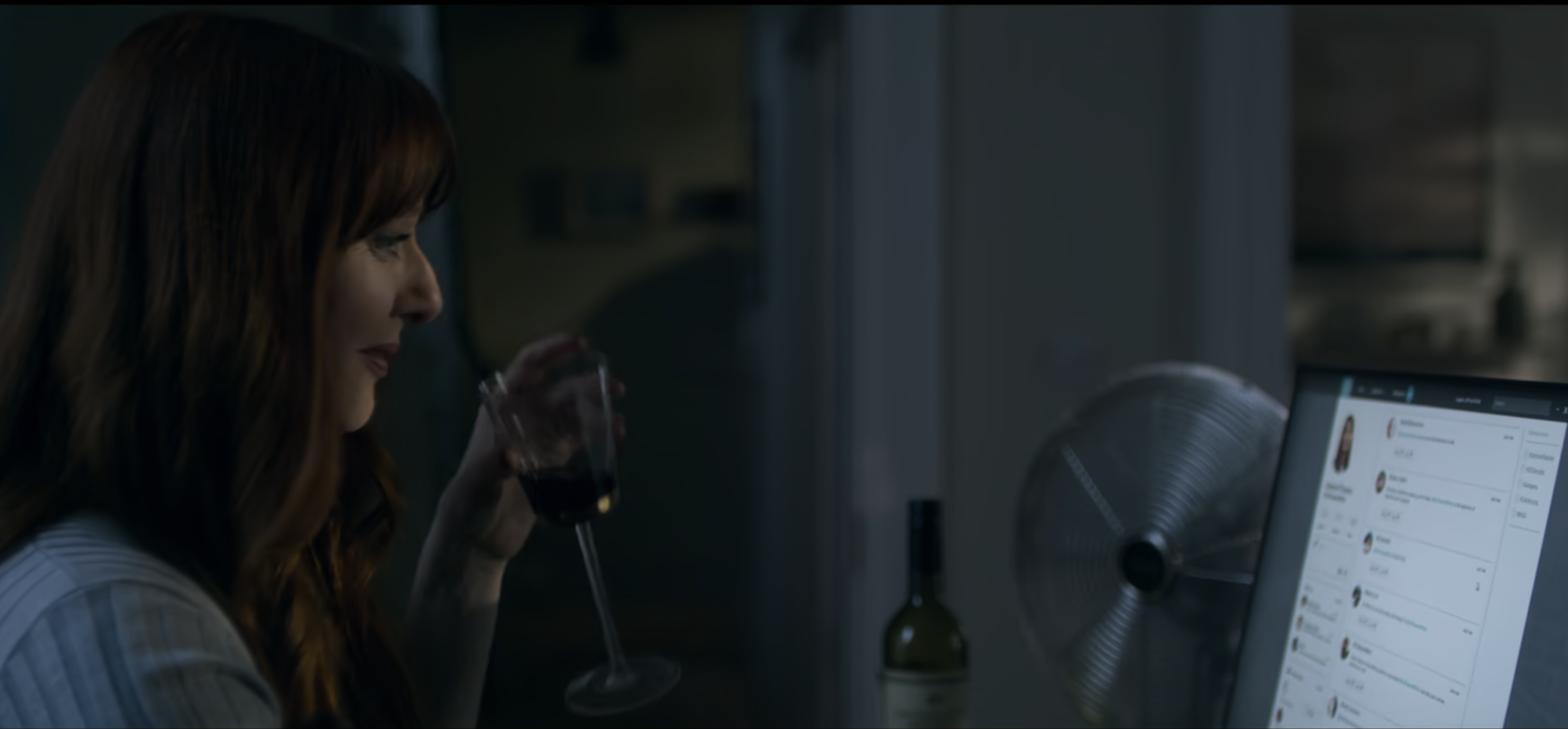

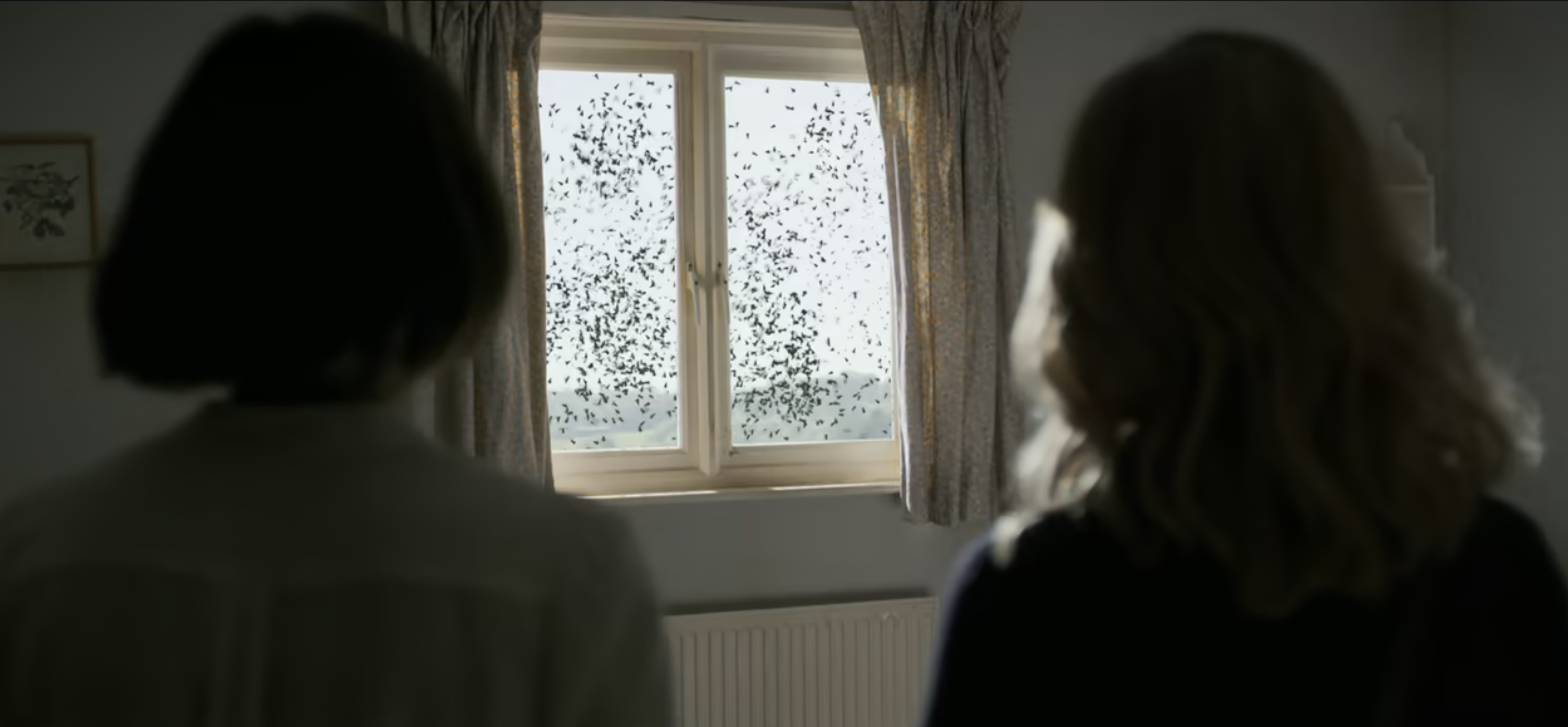
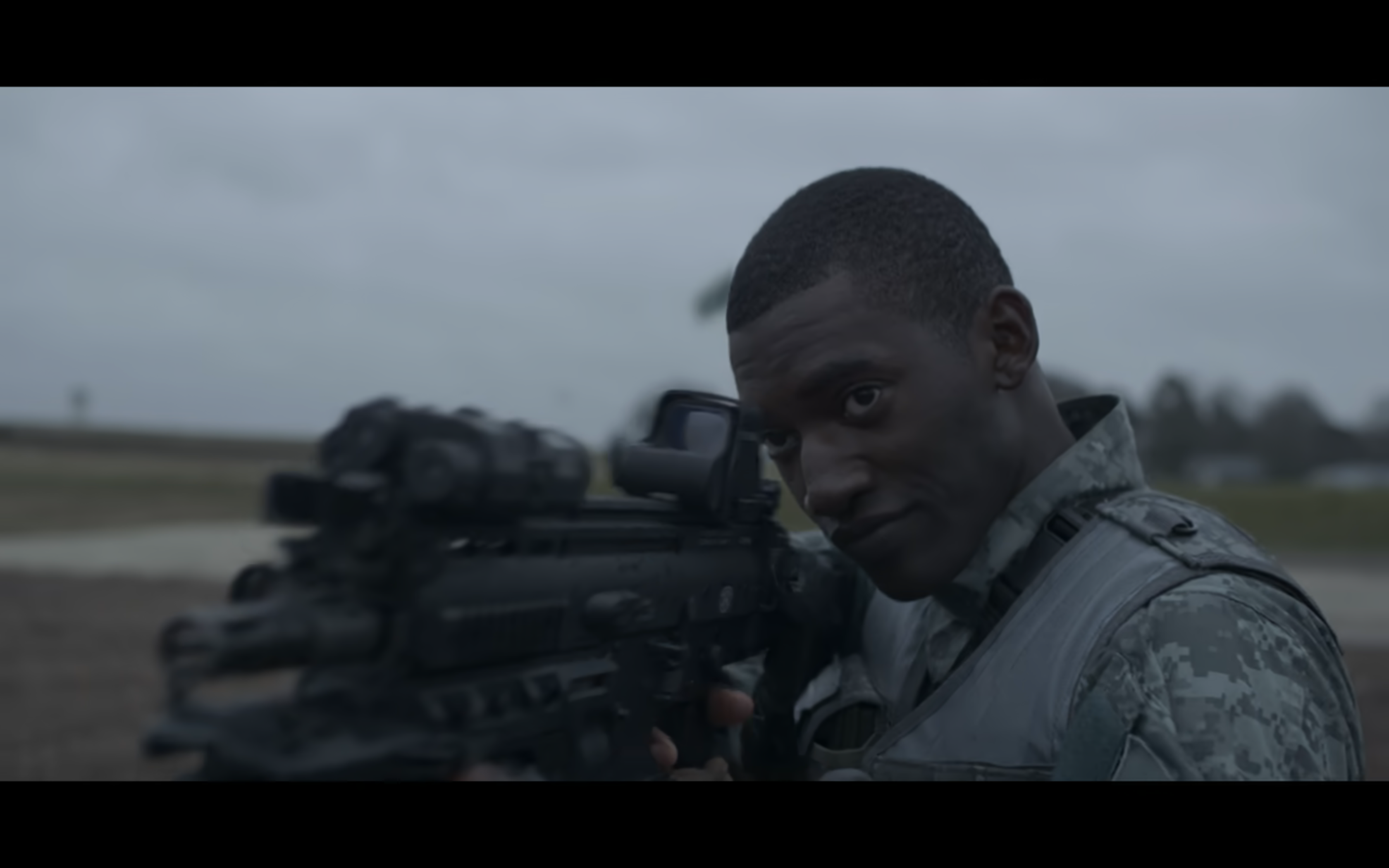




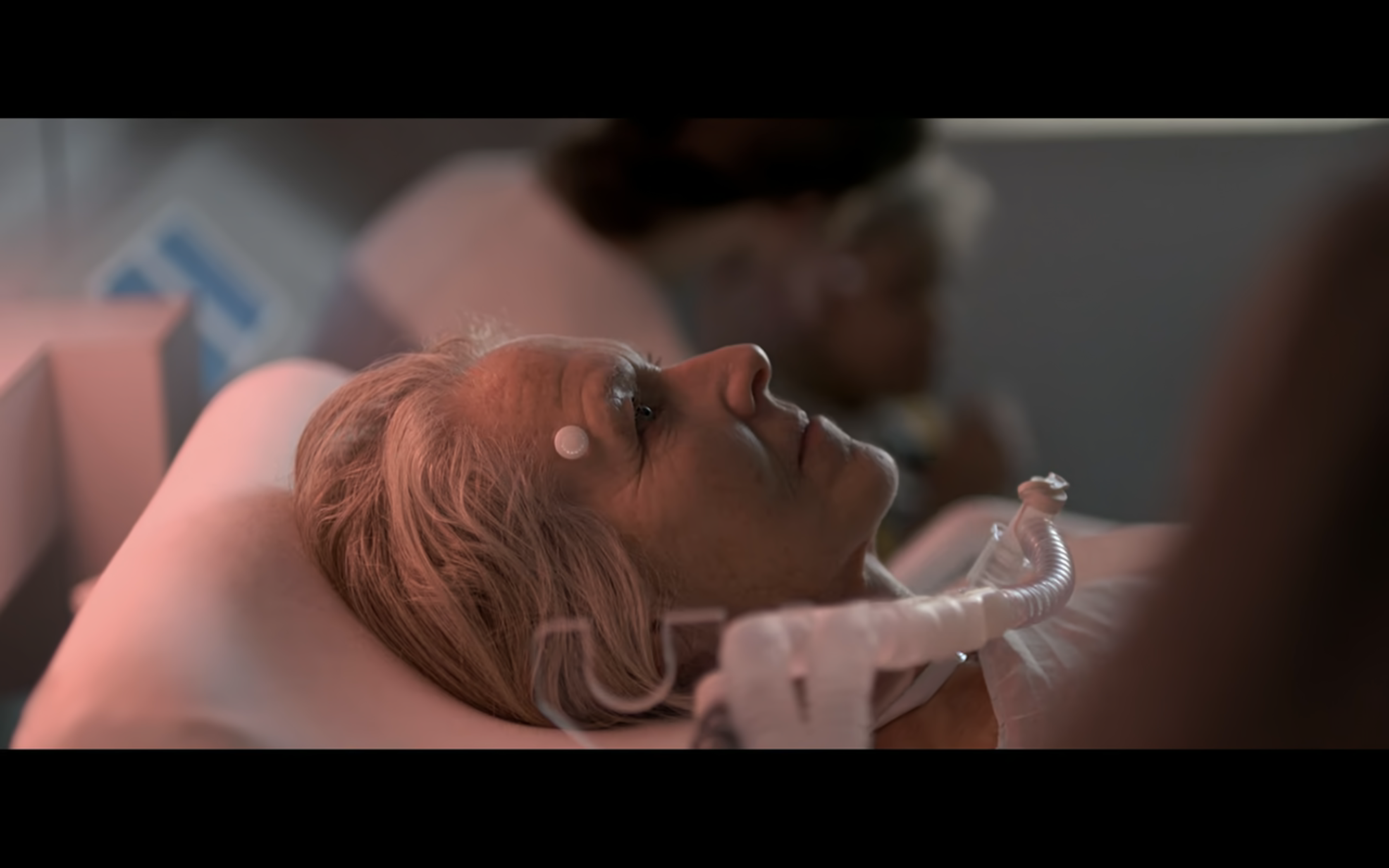
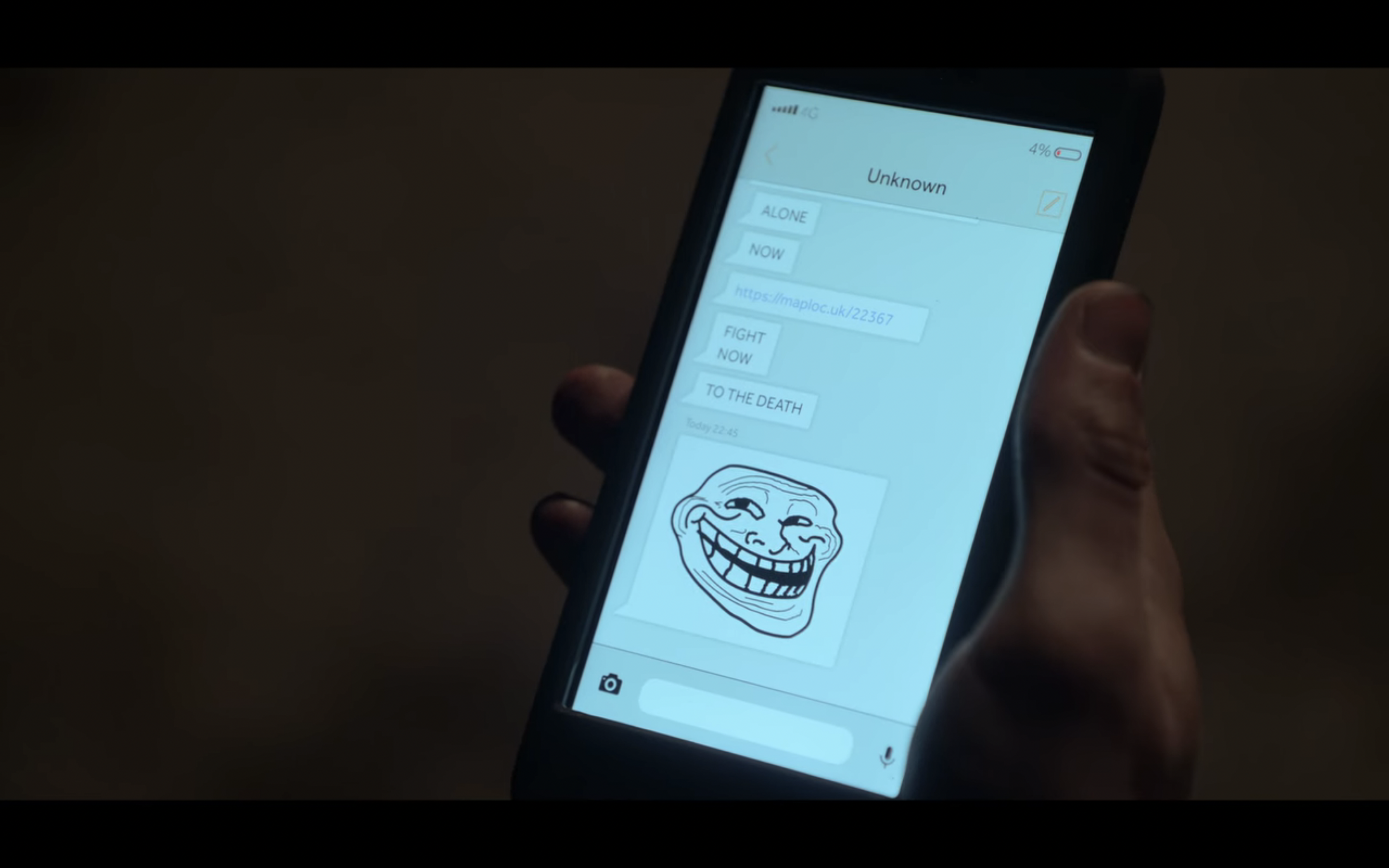
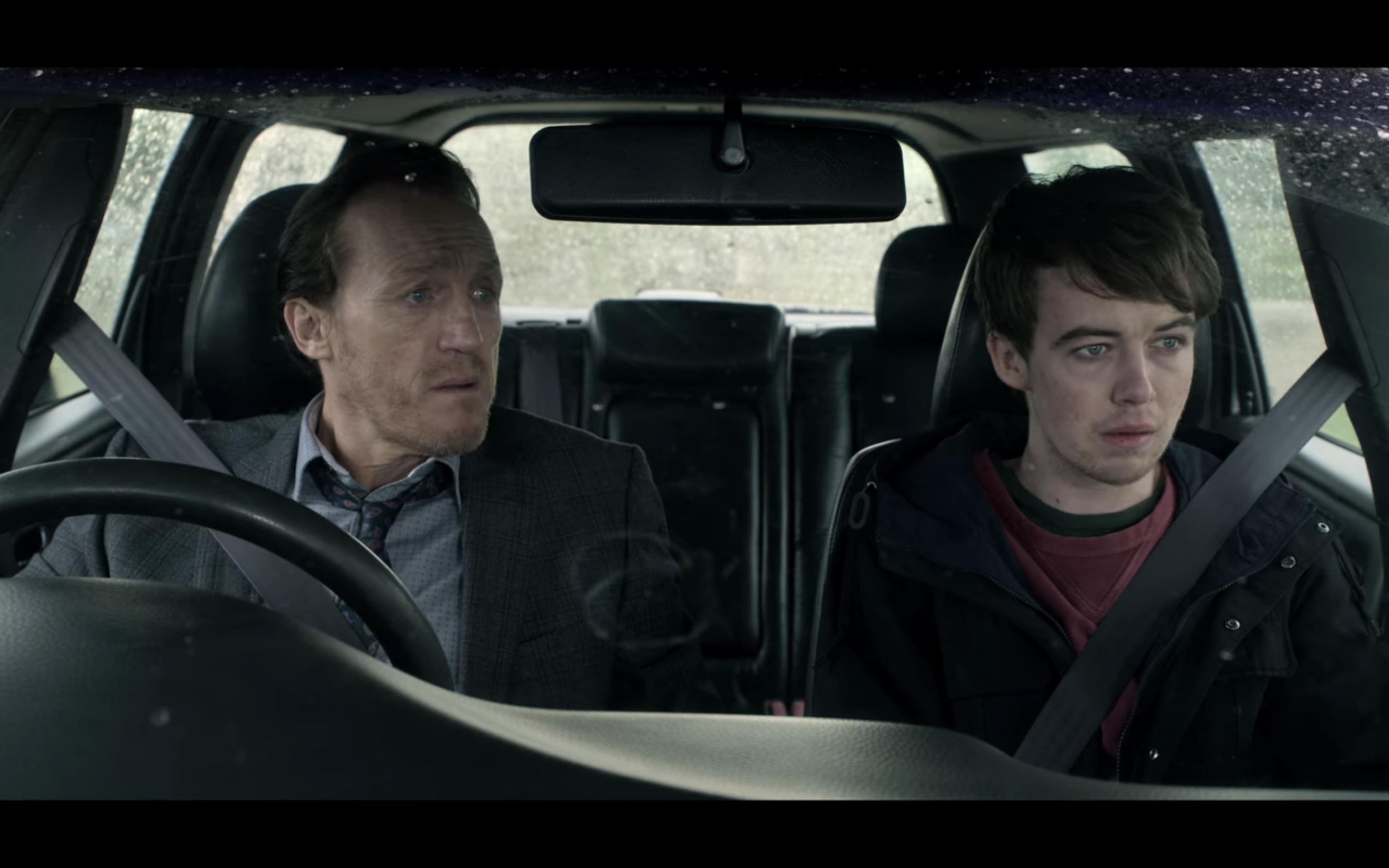
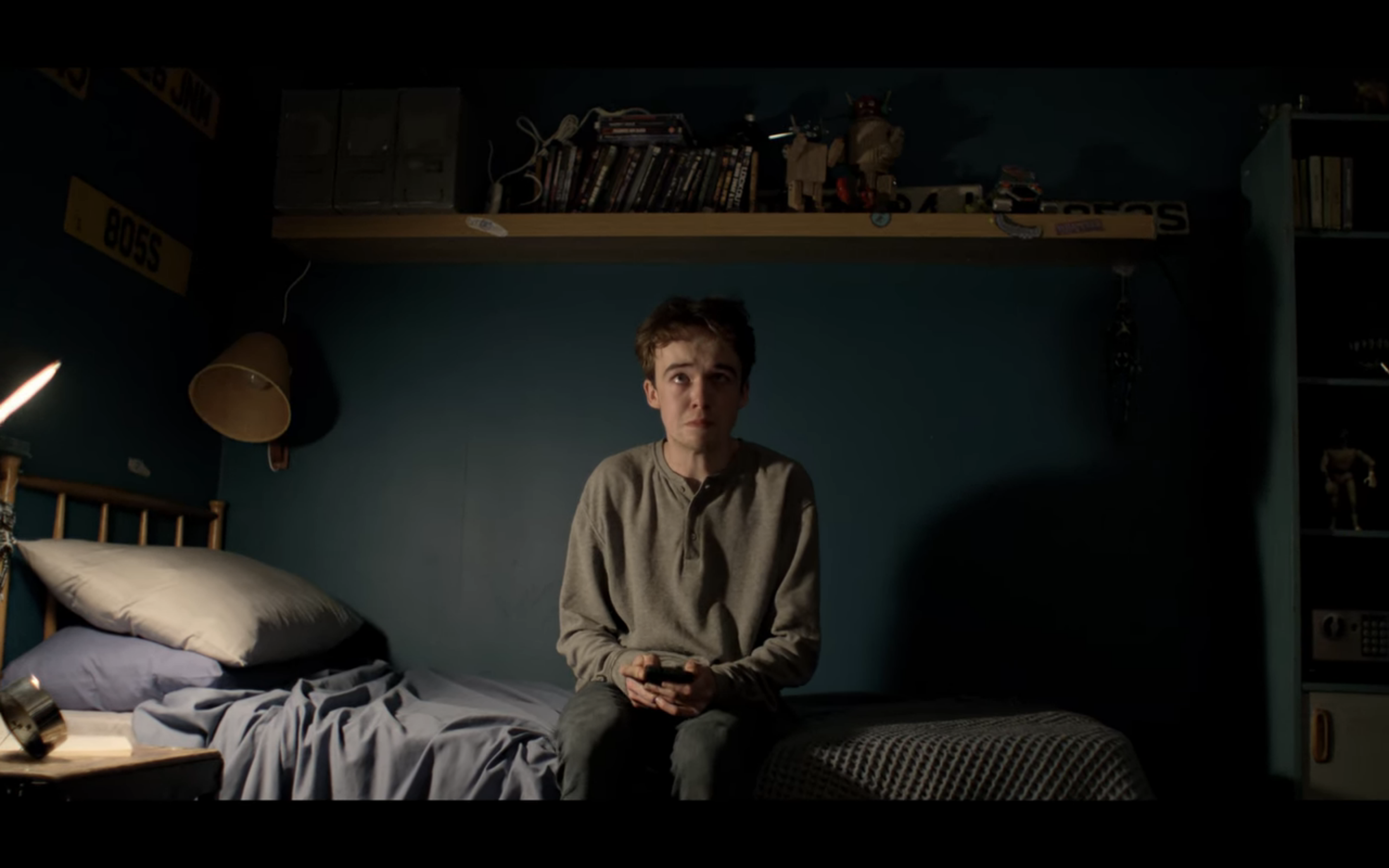
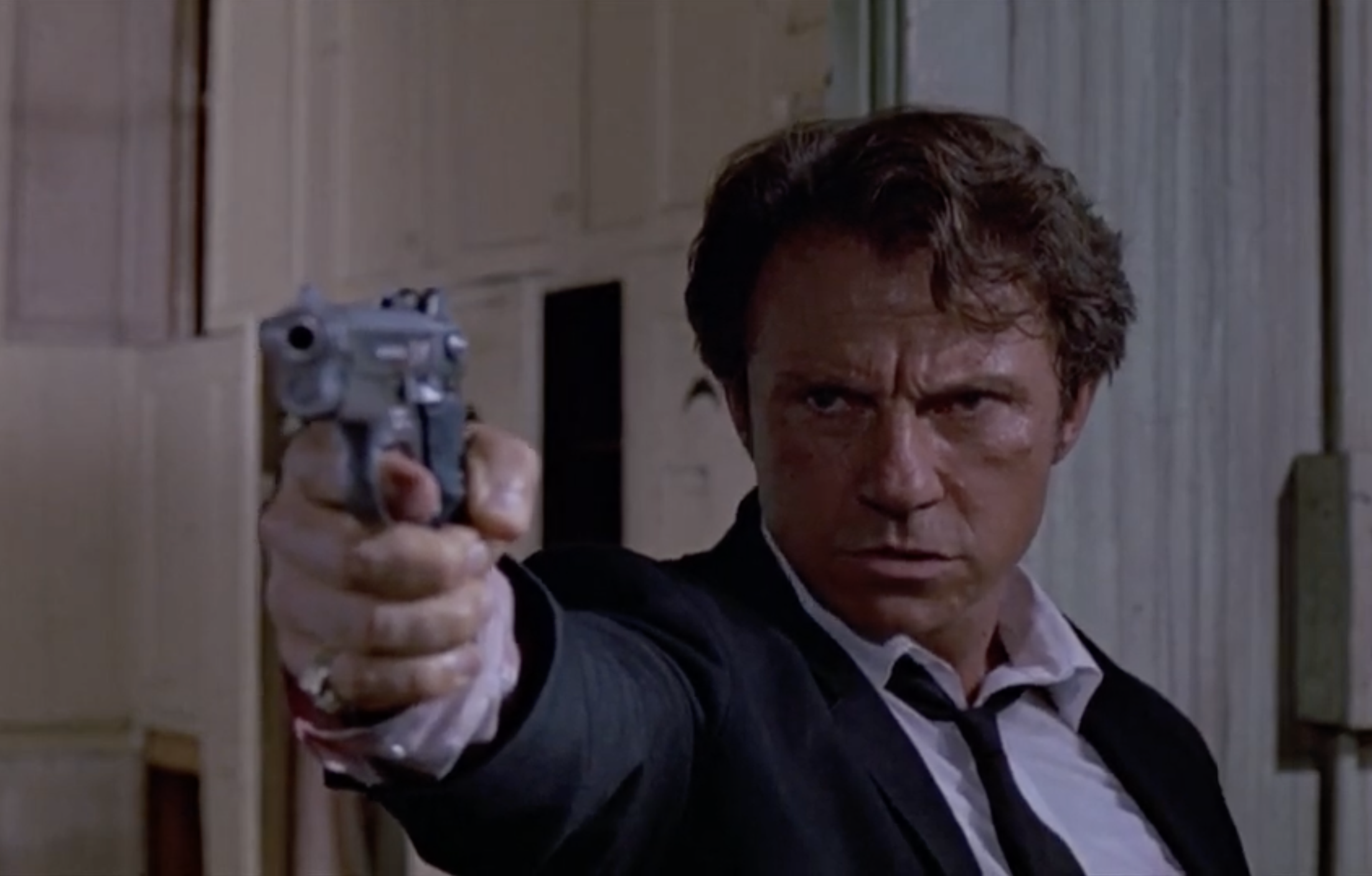



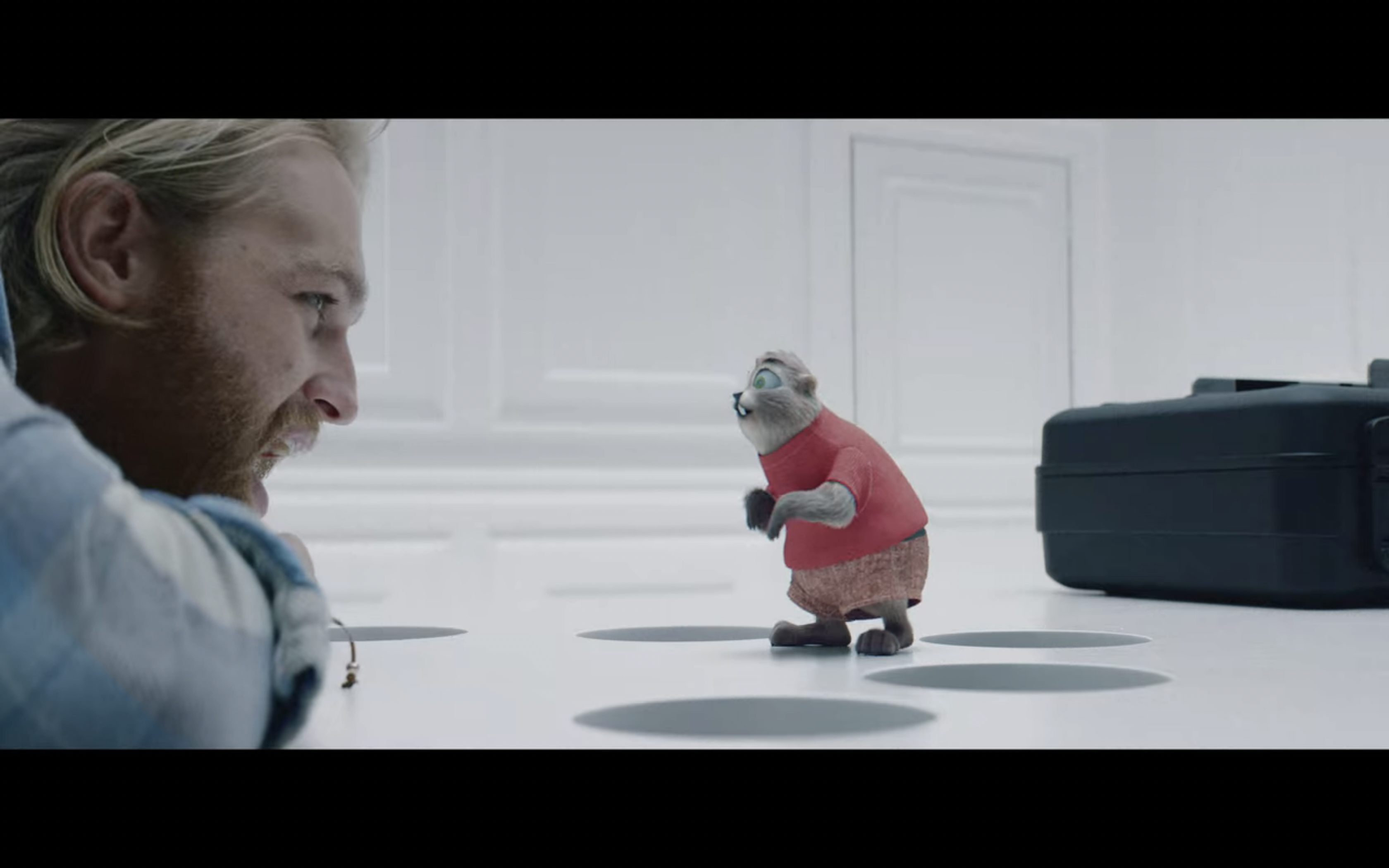
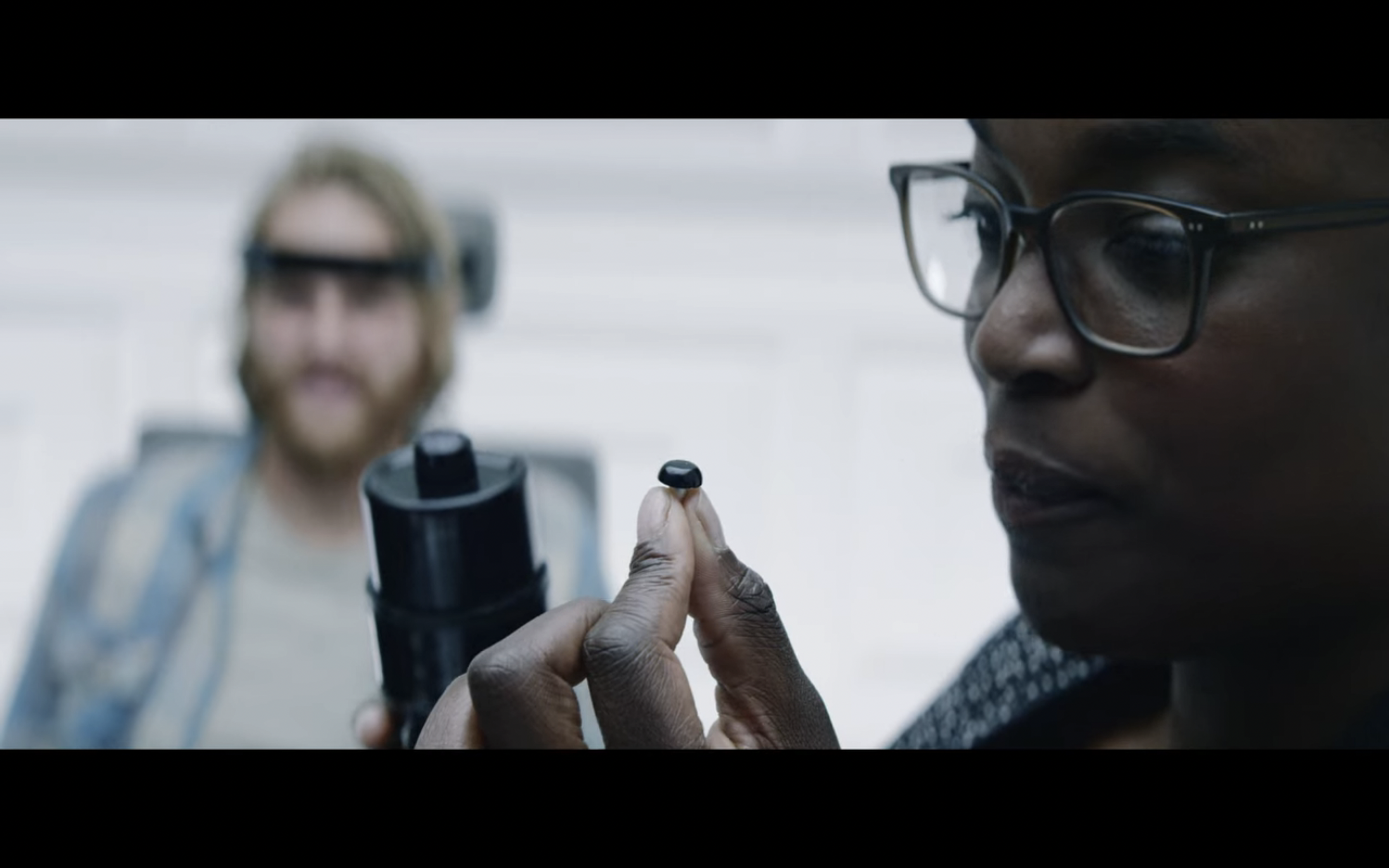

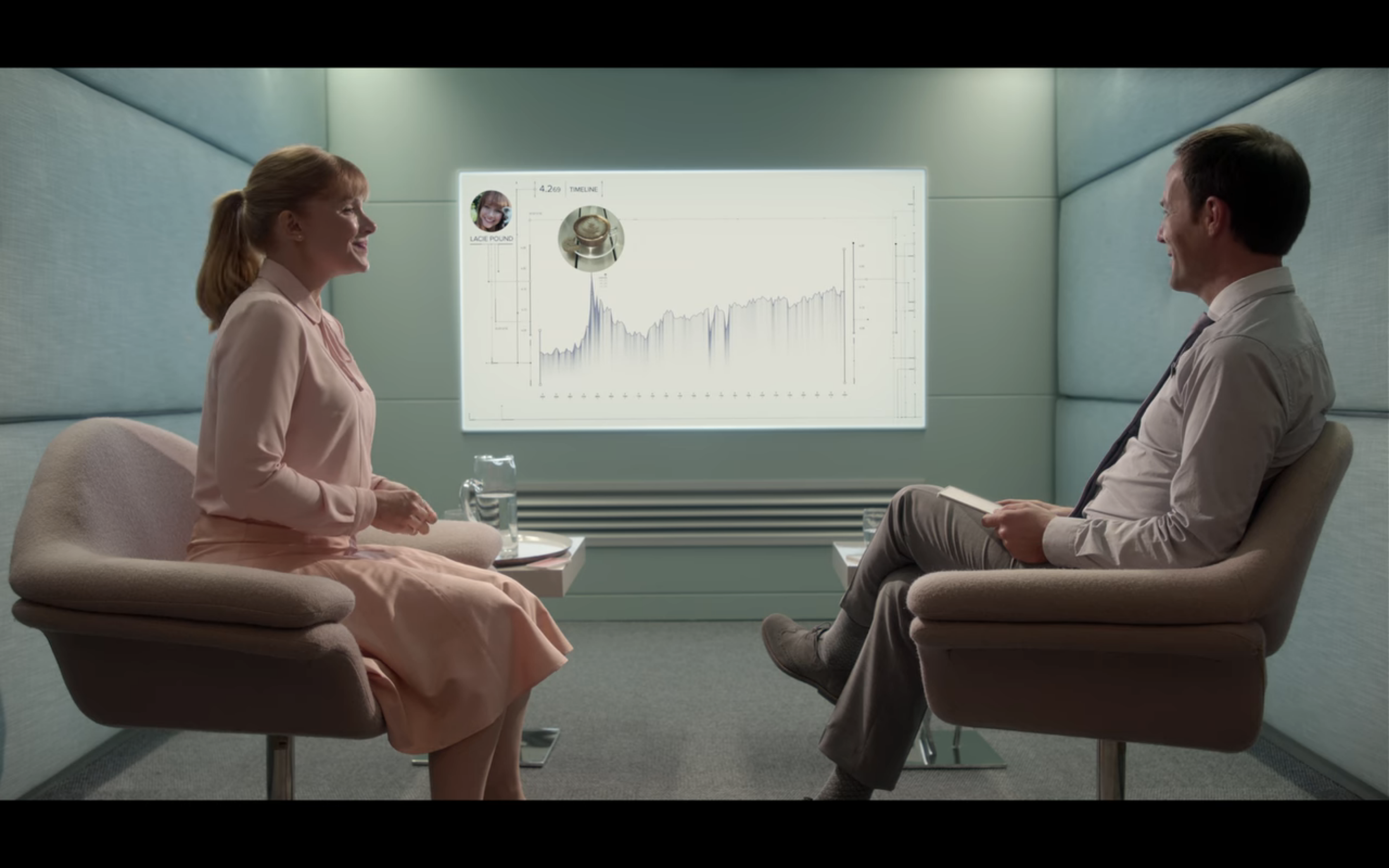

 Elliot Chan