Bryan Cranston—you know, the guy who gave us Walter White—once shared some advice for actors going into an audition. But this advice felt bigger than just acting. He said: “know what your job is
At first, it sounds simple, almost too simple. But then he elaborates:
“I was going to auditions to try and get a job. That is not what you are supposed to do. An actor is supposed to create a compelling, interesting character that serves the text, you present it in the environment where you audition. And then you walk away. And that’s it. Everything else is outside your control, so don’t even think about it, don’t focus on that. You’re not going there to get a job. You’re going there to present what you do. You act. And there it is. And you walk away and there’s power in that.”
Cranston’s not saying “Don’t care about the outcome.” He’s saying, “Care about what you can control.” For him, it’s about crafting a character that serves the story. For us—whether we’re writers, marketers, or creators—it’s about honing our craft and delivering it with intention.
I remember a time when I was deep in job applications, obsessing over every detail, trying to predict what each company wanted. The constant second-guessing, the tweaking of synonyms and punctuations—it was exhausting. My job wasn’t to convince them I was perfect. My job was to show up and be myself—to present what I do best.
The same rule applies when you’re already on the job. Showing up every day isn’t just about ticking off tasks or meeting deadlines. It’s about knowing what’s at the heart of your work. If you’re a writer, your job isn’t just to write—it’s to tell a story that connects. If you’re a marketer, it’s not just about ad campaigns—it’s about creating something that leads to action.
But here’s the thing—the pressure to get it “right” can mess with your head. You want the recognition, the results, the wins. That’s why Cranston’s advice feels so important. He’s saying: let go of what you can’t control. You can’t control how people respond to your performance, your draft, or your campaign. But you can control the effort and care you put into it.
So, how do you do this in real life? First, focus on the process. Instead of asking, “Will they like it?”
Ask: “Am I proud of this? Does it serve the purpose?”
Second, detach from the outcome. Present it and move on.
And third, redefine success. It’s not just about landing the job or nailing the project—it’s about the growth that comes from the work itself.
Rejections sting. Constructive criticism can break me down. And negative comments are hard to ignore. But when you focus on what’s within your control, you start to find a different kind of power. You’re less tied to the highs and lows, and more grounded in the work you’re doing every day.
So, whether you’re pitching ideas, crafting stories, or designing campaigns, take Cranston’s advice: “Know what your job is.” Show up. Do the work. Let go of the rest. There’s freedom in that.
For more writing ideas and original stories, please sign up for my mailing list. You won’t receive emails from me often, but when you do, they’ll only include my proudest works.
Join my YouTube community for insights on writing, the creative process, and the endurance needed to tackle big projects. Subscribe Now!
Before we talk about the events in Hang the DJ, let’s flashback to when this episode was first released: December 29, 2017
On September 25, 2017, Prince Harry and Meghan Markle made their debut as a couple at the Invictus Games in Toronto. Their relationship broke new ground for the British royal family, sparking discussions on cross-cultural relationships and the challenges of maintaining privacy in the spotlight.
Meanwhile, dating apps surged in popularity, with a Stanford study revealing that 39% of couples are meeting online on platforms like Tinder and Bumble. The Tinder Gold’s “Likes You” feature allowing users to see who already swiped right on them, pushed the app’s popularity even further.
At the same time, Bumble expanded beyond romance into professional networking and friendship with Bumble BFF and Bumble Bizz. Yet, the rise of digital matchmaking wasn’t without critique. Studies highlighted its impact on mental health, with terms like “ghosting” and “breadcrumbing” capturing the emotional toll of algorithmic dating.
In 2017, Elon Musk and Mark Zuckerberg clashed over the future of artificial intelligence, with Musk warning about AI’s potential existential risks and advocating for proactive regulation, fearing AI could evolve beyond human control. Zuckerberg on the other hand was optimistic about AI’s potential to improve lives, emphasizing that responsible innovation would outweigh its risks.
The idea that reality could be a simulated construct gained significant media coverage in 2017, partly due to some high-profile endorsements. Elon Musk and other prominent figures suggested that the odds of us living in a “base reality”— the original, unaltered reality from which all other realities might stem — are minimal, given the rapid advancement of simulations and AI.
And that’s what brings us to this episode of Black Mirror, Episode 4 of Season 4: Hang the DJ.
As Frank and Amy navigate the rigidly controlled world of The System, their budding connection forces them—and us—to question the purpose of algorithms in matters of the heart. While The System claims to optimize matches and ensure “perfect” relationships, it also strips away autonomy, leaving users trapped in a cycle of dictated romances.
So we ask: Can technology truly understand the complexities of human connection? At what point does relying on algorithms to find love begin to undermine the very nature of intimacy and self-discovery? Are we, in our quest for compatibility, sacrificing the serendipity that makes relationships meaningful?
In this video, we’ll explore three key themes from Hang the DJ and examine whether similar events have happened—and if they haven’t, whether or not they are still plausible. Let’s go!
Data and Dating
Hang the DJ unfolds within a seemingly idyllic yet tightly controlled dating system, where Frank and Amy are paired together for a pre-determined length of time, 12 hours. Their compatibility, like that of all users, is calculated through an extensive series of timed relationships, generating data to improve the algorithm. The goal? To find each user their ideal match.
The collection of emotional experiences and connections aims to reduce love to a science, yet it simultaneously raises doubts about the role of choice in human connection.
The evolution of dating apps like Tinder has sparked debates around fairness, bias, and authenticity in matchmaking. Tinder’s once-secretive algorithm, “Elo score” ranked users by perceived attractiveness and desirability, sparking allegations of discrimination. Critics noted that minority users often received lower scores, reducing their visibility to potential matches—a practice accused of perpetuating systemic biases.
Relying on behavioral tracking, these platforms analyze user actions such as swiping patterns and response times to improve match recommendations.
Research shows that women swipe right only 30% of the time, and 20% reject over 80% of male profiles. In a sample of 100 male profiles, just one was liked by more than 80% of women, while 38 were universally disliked. These statistics highlight the competitive nature of app-based dating, with women often feeling overwhelmed by message volume (54%), while men report frustration from receiving few responses (64%).
So how do you fight against an artificial intelligence that is giving you a disadvantage on the dating market? You use AI, of course. Tools like Rizz AI and Wing GPT help craft profiles and provide conversation tips. For example, Rizz AI is a chatbot that generates conversation starters or witty replies.
Photo-analysis platforms like PhotoFeeler suggest improvements to profile pictures, boosting user engagement rates. However, these systems only prioritize surface-level appeal, reinforcing beauty standards at the expense of authenticity.
The line between trust in humans and reliance on technology is increasingly blurred, especially as dating and intimacy evolve into processes mediated by digital tools. With online dating becoming more unpredictable and concerns about safety growing in the wake of movements like #MeToo, technology has stepped in to provide checks and balances.
One notable area is consent, where apps like We-Consent and LegalFling offer clear, timestamped records of agreements, securely stored on blockchain.
Did she consent to intercourse? With technology now there is indisputable proof. But while these tools simplify the logistics of consent, they leave little room for the emotional complexity that often accompanies these situations.
Swiping apps and algorithmic matchmaking have left many feeling overwhelmed, uncertain, and even distrustful. Concerns about rejection, compatibility, and navigating the nuances of communication have led to a growing demand for tools that address these anxieties directly.
The anxiety extends beyond the initial stages of dating. Maintaining communication in a relationship can also be daunting, leading couples to turn to apps like Maia, which provides voice-guided emotional check-ins, offering real-time support during tense moments.
Then there are apps like Smitten that incorporate mini-games like “Lie Detector” or compatibility quizzes to break the ice and create memorable interactions. These playful elements mirror trends in broader tech—like how Duolingo gamifies language learning—and can make dating feel approachable.
Much like Spotify’s approach to curating playlists based on your listening patterns, dating apps analyze your preferences—whether it’s swiping habits or skipping songs—to refine their suggestions over time.
However, just as Spotify occasionally suggests a song that doesn’t resonate, dating algorithms can misfire, presenting matches that feel disconnected or are derivatives.
In Hang the DJ, AI takes the concept of algorithmic matchmaking to an extreme. Our surrendering to algorithms reflects the growing trust—and trepidation—we place in technology to shape deeply personal experiences. Because of AI’s relentless ability to learn and curate, we may indeed find ourselves echoing the sentiment: Hang the DJ, for the algorithm knows better than we do, and will no longer take requests.
Expiration Date
Because every relationship in Hang the DJ comes with a set expiration date, instead of living in the moment, the characters are often consumed by the knowledge of how and when it will end. For Frank and Amy, this creates vastly different but equally isolating experiences.
Frank endures a long-term relationship that feels like a prison sentence, with no connection or joy to sustain it. Meanwhile, Amy is caught in a revolving door of short-lived partnerships. By imposing strict limits, the system denies its participants the ability to fully engage, leaving them waiting—not for love, but for the clock to run out.
This theme mirrors modern dating dynamics, particularly the incorporation of time-sensitive features in dating apps. For instance, apps like Happn, Hinge, and Tinder employ mechanisms such as expiring matches, boosts, or time-sensitive notifications to create urgency.
Happn’s location-based model even introduces real-world encounters into the mix, encouraging users to act swiftly before potential connections vanish. Similarly, Tinder’s “Boost” feature amplifies a profile’s visibility for a limited window, leveraging scarcity to drive engagement. Additionally, eHarmony introduced an AI-driven feature that suggested optimal times for users to communicate.
These tools aren’t implementing anything innovative per se, after all, human behavior is influenced by deadlines. For example, studies show that time constraints in speed dating foster initial attraction by prioritizing first impressions.
Albeit they are manufactured for drama, reality shows like Married at First Sight and Love is Blind are interesting samples of these experiments as they test the concept of expedited relationships. However, success rates vary.
Across 17 completed seasons of Married at First Sight, 69 couples have been matched. On “Decision Day,” 38 couples (55%) agreed to stay married. However, over two-thirds of those couples later divorced, filed for divorce, or publicly announced their separation. By August 2024, only 11 couples remained married, resulting in a long-term success rate of 15.9%.
The “seven-year itch,” backed by U.S. Census Bureau data, highlights that marital dissatisfaction peaks around the eight-year mark. About half of all first marriages end in divorce, and roughly 46% of marriages don’t last 25 years. On average, couples who divorce separate after seven years of marriage and finalize the divorce about a year later. For those who remarry, it typically happens around four years after their previous marriage ends.
During the COVID-19 pandemic, divorce rates spiked as couples grappled with the challenges of extended time together. In early 2020, divorce consultations increased by 50%, underscoring how prolonged proximity and external pressures can escalate conflicts and make relationships feel stifling.
Interestingly, studies on short-term sexual relationships suggest the awareness of a time limit reduces emotional attachment but can intensify physical intimacy. A survey by SELF magazine asked over 2,000 single women aged 18 to 64 about their experiences with casual sex. The results showed that 82% had at least one casual encounter, and only 19% expressed regret about it.
Modern relationships are often shaped—and strained—by invisible deadlines. These pressures, whether from dating apps, cultural milestones, or societal expectations to marry by a certain age, intensify the tension between savoring the present and bracing for the end.
Such time-bound systems can guide us toward action or trap us in hurried choices that lead to regret. Dating apps, for instance, don’t just facilitate connection—they frame it, shaping how and when we fall into or out of sync with others. Meanwhile, the fear of impermanence and unmet milestones feeds a cycle where love and time feel forever at odds.
Dangerous Devotion
In Hang the DJ, the matchmaking System promises a 99.8% success rate.
As other couples leave the System in blissful unions, the contrast deepens Frank and Amy’s growing skepticism about the algorithm’s efficacy. Their shared frustrations eventually lead them to rebel against the rigid rules, culminating in their decision to challenge the System’s authority and flee. Perhaps concluding the final test to demonstrate their compatibility.
In modern relationships, we are often encouraged to surrender to a process—whether guided by a system, a coach, or a higher power. Before making a vow in marriage, we first commit to the process itself. However, this openness also exposes us to risks, making us susceptible to bad actors who may exploit our trust, accumulate power, and cause harm.
Among the most notable relationship coaches and frameworks is the Gottman Method, developed by Drs. John and Julie Gottman. This method emphasizes communication, conflict resolution, and building trust through tools like the “Sound Relationship House,” which consists of seven levels: building love maps (understanding each other deeply), sharing fondness and admiration, turning toward each other for support, maintaining a positive perspective, managing conflict constructively, making life dreams come true, and creating shared meaning through rituals and goals.
Contrasting this research-backed methodology are controversial figures like Andrew Tate and Karla Elia. Tate’s teachings promote hyper-masculinity and dominance, often criticized as toxic and harmful, while Elia’s advice on TikTok advocates for transactional relationships that prioritize financial support over emotional connection by addressing personal wants on the first date. The rise of these figures is partly fueled by algorithms on platforms like TikTok and YouTube, which favor engagement over content quality.
Cults like NXIVM and OneTaste exploit these same vulnerabilities under the guise of empowerment. NXIVM’s promises of self-improvement concealed abusive practices, while OneTaste’s focus on “orgasmic meditation” led to allegations of manipulation and exploitation.
Similarly, the Twin Flames Universe preyed on its followers’ desire for love, encouraging obsessive behaviors in pursuit of “destined soulmates.” These examples underscore how systems of control can distort genuine emotional connections, much like the matchmaking System in Hang the DJ.
When Frank and Amy are given a second chance at romance, they decide to avoid looking at the expiration date, allowing their relationship to flourish organically.
However, Frank, consumed by curiosity and doubt, breaks the promise. In doing so, he alters their timeline, turning what might have been a chance for something meaningful into a doomed, shortened experience.
Technology increasingly governs how people commit to higher powers by reinforcing accountability through data and automation. However, this reliance on technology often creates pressure to maintain consistency, with lapses leading to feelings of neglect or failure.
This episode paints a picture of love reduced to data points. In the real world, dating apps already deploy algorithms to analyze preferences, calculate compatibility, and influence decisions. Innovations like simulations, gamified matchmaking, and AI companions hint at a future where love feels both eerily orchestrated and profoundly uncertain. Yet, unlike the utopian undertones of Hang the DJ, where rebellion against the system sparks genuine connection, real-life algorithms often lack the nuance to capture human complexity.
As we inch closer to that future, the question lingers: will these tools guide us toward deeper intimacy or imprison us in an endless loop of swipes and time limits? But perhaps, as the episode reminds us, defying the rules and trusting our humanity may still lead us to our most meaningful connections.
Join my YouTube community for insights on writing, the creative process, and the endurance needed to tackle big projects. Subscribe Now!
For more writing ideas and original stories, please sign up for my mailing list. You won’t receive emails from me often, but when you do, they’ll only include my proudest works.
2024… the end of another year. If I was to choose one word to sum up this year, it would be “recovery”. I started twenty twenty-four beaten down, sad, and disenchanted.
Losing my dog and best friend, Michael, at the end of 2023 hit me hard. My days were thrown into chaos, and my identity was seemingly ripped from my very being. Life felt like it was in a daze, and, in many ways, I was just going through the motions, through the process of everything else I had going on in my life: work, my creative projects, and my triathlon training.
Yes, at least I had my triathlon training. I signed up for three in 2024 to keep myself busy — to avoid addressing the grief. But… even as I tried to find solace in my training, 2024 had another twist.
It happened during a really busy week at work, as many things do, and I felt kind of stressed that day while heading to the office. I crashed my bike. Just a silly mistake that sent me over the handlebars, but I ended up injuring my right arm. Suddenly all the determined progress that I wanted to make in my training evaporated. All the goals I had going into my second race of the year were gone. I was left to re-strategize to reset my expectations. I was left to recover, to return to the ground floor and work my way back up again.
Yes, work became unpredictable, and then one day it ended. Suddenly I found myself like so many other tech workers, laid off. It seems like 2024 was trying to teach me something. It was trying to tell me that anything that I took for granted. My best friend, my physical body, my mental well-being, my employment, my creative motivation, all of that could be taken away in a way that was out of my control. These things don’t last forever.
I pushed myself to get through all of these struggles. I focused on chipping away at my creative work. The big novel I keep talking about. The drawings I committed to. This very YouTube channel has been the foundation for my creative production. Not long after I did find a new gig.
This year, although I found myself back on the start line, I wasn’t without tools, experiences, and support. Climbing back up, I realized that, although the voices in my head were telling me what a failure I was and how everyone disliked me, I consistently found evidence, however big or small, to prove them wrong, and that was assuring.
Recovery. It’s not without its setbacks. As you start to improve, it’s tempting to push yourself—test your limits, move faster, do what you used to be able to do. But then, you overdo it and repeat the same mistakes. You feel foolish, even frustrated. That inner critic? It suddenly gets louder.
Creativity, like fitness, like work, like relationships ebbs and flows. Success is followed by a hangover. Hard work needs to follow rest. Failure leads to lessons.
As twenty-twenty-four ends, I find myself back on the steps, heading back up to where I intended to be. I’m rebuilding my life, I’m getting stronger, I’m getting better.
But in many ways, the person I am has stayed the same. I realize what I still want to do. I still want to create. I still want to write and make videos, draw, and race my triathlons a few times a year. Most importantly, I want to have a dog. As far as all ambitions go, having a dog and raising a dog that shows me that I can be the type of person it sees in me, has been the thing that I have been the most proud of.
It’s been 1 year since my boy Michael passed away. On his one-year death day, we were scheduled to meet with a little rescue dog by the name of Peter “Petey” Pickles. My wife and I fell in love with him immediately. We have just adopted him into our home, his forever home. And we really look forward to having him in our lives. And as all ambitions go… this is the one that I’m prioritizing.
2025 is going to be crazy! We have so much to look forward to. So much left to accomplish. And we have recovered enough to attack this new year, one day at a time.
Join my YouTube community for insights on writing, the creative process, and the endurance needed to tackle big projects. Subscribe Now!
For more writing ideas and original stories, please sign up for my mailing list. You won’t receive emails from me often, but when you do, they’ll only include my proudest works.
Before we talk about the events in Crocodile, let’s flashback to when this episode was first released: December 29, 2017
On October 1, 2017, avid gambler, Stephen Paddock fired from his room in Mandalay Bay Casino, killing 60 people and injuring over 400 concertgoers, marking the Las Vegas shooting as the deadliest mass shooting in U.S. history. Although his motives remain unknown, eyewitness accounts and hotel surveillance footage played key roles in reconstructing events and tracking Paddock’s actions.
In February 2017, the Delphi Murders shocked Indiana when two teenage girls, Abigail Williams and Liberty German, were found dead following a hike. Liberty had managed to capture a photograph and audio recording of a man they encountered on the trail just before the tragedy, leaving behind crucial evidence that became central to the investigation.
One notable case involving the importance of witness testimony and technology was the 2016 Philando Castile Shooting, which gained national attention when Castile’s girlfriend, Diamond Reynolds, livestreamed the aftermath of the shooting on Facebook. Her video testimony went viral, contributing to the debate about police brutality and racial profiling. While Officer Jeronimo Yanez was ultimately acquitted, the case illustrates how digital witnesses can influence public discourse and investigations.
And that’s what brings us to this episode of Black Mirror, Episode 3, Season 4: Crocodile.
According to critics and the creator of Black Mirror, Charlie Brooker — the title holds two significant meanings. Originally, the episode’s concept revolved around a virtual safari, where some passengers experience a serene ride while others are attacked by a crocodile, leaving them traumatized. This reflects how different people carry their past experiences through life, even though they are going through seemingly similar events.
The title also refers to “crocodile tears,” symbolizing feigned remorse while continuing on a destructive path. This duality captures the episode’s central theme of guilt and deceit, where technology and memory tracking uncover hidden truths, showcasing the devastating consequences of evading accountability.
In this video, we’ll explore three key themes from Crocodile and examine whether similar events have happened—and if they haven’t, whether or not they are still plausible. Let’s go!
The Illusion of Escape
In “Crocodile,” the episode opens with Mia and her boyfriend Rob navigating the aftermath of a tragic accident. What begins as a night of reckless fun turns into a nightmare when they accidentally kill a cyclist. Panicked and desperate to avoid prison, they make a chilling decision—to hide the body and move on with their lives.
Years later, Mia has built a successful career and family, but the weight of guilt lingers just beneath the surface. When Rob reappears, intent on confessing to clear his conscience, Mia’s instinct for self-preservation takes over, leading her down a darker path. The illusion of escape, so carefully constructed through denial and deceit, begins to unravel as Mia resorts to increasingly desperate measures to cover her tracks.
The conversation around a tragic cycling accident immediately brings to mind the death of Columbus Blue Jackets player Johnny Gaudreau and his brother Matthew, who were struck by a drunk driver, 43-year-old Sean Higgins on Aug 29, 2024. According to records obtained by NBC Philadelphia, Higgins had a lengthy history of unsafe driving.
While culprits like Higgins stayed at the scene of the crime, many didn’t… resulting in a great effort to find the suspect and bring them to prosecution.
In February 2021, Robert Maraj, the father of rapper Nicki Minaj, was killed in a hit-and-run accident in Long Island, New York. The driver, Charles Polevich, fled the scene. In an attempt to evade responsibility, Polevich hid his car in his garage. Despite his efforts, police were able to track him down using surveillance footage and he was arrested and later pleaded guilty to charges related to leaving the scene of a fatal accident.
According to numerous studies, it is estimated that only 8-10% of hit and run cases are solved. With the number of hit-and-runs increasing in the US annually by 7.2% since 2009.
After fleeing the scene, he avoided prosecution for years, fueling public outrage over his wealth and privilege. The case was reopened in 2020, leading to an eventual arrest warrant. In April 2022, Yoovidhya was reportedly apprehended, underscoring how wealth and influence can delay but not necessarily prevent accountability.
Yes, while the wealthy and powerful can use their status to evade justice, what about those less fortunate? They must act quickly, devise elaborate plans to outsmart technology tracking them, and weave intricate lies without becoming ensnared in their own deception.
In 2018, Chris Watts murdered his pregnant wife, Shanann, and their two daughters in Colorado. Initially, he reported them missing and made public pleas for their return. However, inconsistencies in his story led investigators to suspect foul play. Watts eventually confessed to the murders and was sentenced to life in prison without parole.
Similarly, Jodi Arias was convicted of murdering her ex-boyfriend, Travis Alexander, in 2008. Arias initially denied involvement, then claimed self-defense after photos and DNA evidence placed her at the scene. Despite her manipulation of the narrative, she was convicted of first-degree murder in 2013.
Although it might seem impossible for anyone to evade the law after a crime as gruesome as murder, according to the 2017 FBI’s Uniform Crime Reporting (UCR) data, approximately 62% of homicides in the U.S. are solved. Which means that 38% of cases remain unsolved, but advances in DNA and forensic technology can still lead to convictions in cases years later.
The Golden State Killer case, which had been cold for over 40 years, was finally solved in 2018 with the arrest of Joseph James DeAngelo. Between 1974 and 1986, DeAngelo committed at least 13 murders, 50 rapes, and over 100 burglaries across California.
In 2018, investigators uploaded DNA from the Golden State Killer’s crime scenes to GEDmatch, a public genetic database used by individuals seeking to trace their ancestry.
Using this database, authorities were able to identify distant relatives of the killer. By building a family tree and cross-referencing with other details (such as locations where crimes occurred), they eventually narrowed the search down to Joseph DeAngelo.
His arrest was a landmark moment in forensic science, demonstrating how advancements in DNA technology can solve even the longest-standing cases. DeAngelo later pleaded guilty and was sentenced to life in prison.
Just like in Crocodile, where Mia’s actions lead to more crimes in an attempt to cover up the initial one, real-world cases show that the more someone tries to escape responsibility, the more entangled they become. Each new lie or action increases the risk of leaving behind evidence.
Yes, while there may be a 40% chance of getting away with murder, a more precise way to frame this is that there’s a 40% chance of getting away with it today. Advances in forensic science, like DNA technology and digital surveillance, continuously reduce the window of opportunity for criminals to evade justice, meaning that over time, the likelihood of getting caught increases significantly.
Layers of Investigation
In Crocodile, Shazia, an insurance investigator, is on a mission to establish who’s responsible for an accident involving a man and a pizza vending machine. Using the “Recaller” device, which retrieves memories from witnesses, she goes deeper into their recollections, unearthing details about the seemingly minor incident.
Like digital forensics, authorities use a range of advanced technologies to catch suspects trying to evade justice.
The first is surveillance footage from CCTV cameras, especially in urban areas, highways, and near businesses. This tool is critical in capturing vehicles or individuals fleeing crime scenes.
After the twin bombings during the Boston Marathon on April 15, 2013, authorities combed through hours of footage from cameras near the race’s finish line. A breakthrough came when two brothers were spotted placing backpacks at the scene just before the explosions. The FBI released images of the suspects to the public, which helped confirm their identities.
According to the Insurance Information Institute (III), dashcams provide clear, indisputable evidence, helping to resolve conflicts quickly. In Russia, where fraudulent claims are prevalent, dashcam use is widespread, reducing fraud by over 50%
For example, some scammers deliberately throw themselves onto car hoods or cause rear-end collisions, hoping to extort money from the driver or win a fraudulent insurance claim. Dashcam footage serves as critical proof to defend against such scams.
Installed on police vehicles or fixed locations such as traffic lights or toll booths, Automatic License Plate Readers (ALPRs) are a powerful tool for law enforcement, allowing them to scan and record the license plates of passing vehicles.
A routine stop at a gas station in Indianapolis quickly escalated into a frantic hunt when a car thief sped off with a six-month-old baby still in the back seat. As panic set in, law enforcement scrambled to track the stolen vehicle. Using automatic license plate readers (ALPRs), officers were able to trace the car’s movements across the city. Hours later, the vehicle was found abandoned, and to everyone’s relief, the baby was safely reunited with the family, unharmed.
Law enforcement agencies frequently rely on cell phone data and GPS tracking to pinpoint the whereabouts of suspects and connect them to crime scenes. Phone records provide critical timestamps, while GPS tracking logs exact locations, creating a digital trail that’s nearly impossible to erase.
The case of Timothy Carpenter centers around a series of armed robberies that took place in Michigan between 2010-2011. Carpenter was convicted largely based on cell tower location data, which tracked his movements and placed him near the scenes of the crimes. This data was obtained by law enforcement without a warrant, leading to significant legal debates regarding privacy rights and the Fourth Amendment.
Not only can law enforcement scan your license plate or track your cell phone signals, they have the capability to recognize your face. In China, facial recognition technology has become widespread and integrated into daily life, making it a critical tool for catching criminals.
A famous case occurred in 2018 when a man wanted for economic crimes, identified as Mr. Ao, was caught at a Jacky Cheung concert attended by over 60,000 people in Nanchang.
Facial recognition cameras at the event identified him as a suspect as he was entering the stadium, leading to his immediate arrest by local police. The use of this technology in public spaces, combined with China’s vast network of surveillance cameras, has enabled authorities to catch fugitives even in large crowds.
The list of tools available to investigators is growing, and many of them weren’t even originally designed for law enforcement. These are platforms already in use and accessible to the public.
In 2015, a Canadian woman named Nathalie Blanchard was on long-term disability leave due to depression, which her insurance company was covering. However, when she posted pictures of herself vacationing in sunny destinations, attending parties, and engaging in leisure activities on her Facebook profile, her insurer became suspicious.
Her insurance provider, Manulife investigated her claim and subsequently cut off her benefits, citing her social media posts as evidence that her disability was not as severe as claimed. Blanchard sued, stating that these activities were part of her doctor’s advice to improve her mental health. But this case showed how insurers are using every means in their arsenal to investigate fraud claims.
Alibis crumble, liability expands, and the more layers an investigation uncovers, the harder it becomes for criminals to evade justice. Whether through digital records, forensic analysis, or social media investigations, law enforcement are using every technique available to identify, locate, and apprehend suspects.
The Witness Effect
When Shazia uses the “Recaller” on Mia, her past crimes come dangerously close to being exposed. In a desperate bid to silence anyone who could implicate her, Mia kills the investigator, her husband, and her infant child. However, her downfall comes when she overlooks Codger, the family guinea pig, whose memories are later harvested by authorities to uncover the truth.
The Recaller brings to mind a certain machine used during investigations — the lie detector test — polygraph machines. Invented in the 1920s the polygraph test has been a staple of modern investigations and played pivotal roles in television crime shows.
But unlike the “Recaller”, polygraphs are unreliable because they measure physiological responses like heart rate and perspiration, which can be triggered by emotions such as anxiety rather than deception. This leads to false positives, where truthful individuals are flagged as deceptive, and false negatives, where liars go undetected. Courts often exclude polygraph evidence due to these issues.
Much like polygraphs, photographic memory, aka “eidetic memory,” is a controversial concept. While some people claim to have the ability to recall images, sounds, or objects in great detail after only brief exposure, scientific evidence supporting the existence of true photographic memory is limited.
Most researchers agree that while some individuals may have exceptional memory skills, they don’t possess a literal photographic memory. Many people who claim or appear to have “photographic memory” usually focus on specific areas they’ve practiced or are interested in, like detailed visual scenes, numbers, or structured information like music or maps.
One well-known person who claims to have photographic memory is Stephen Wiltshire, a British architectural artist. Wiltshire, who is on the autism spectrum, demonstrates his ability by memorizing vast cityscapes after brief observations, then accurately reproducing them in intricate detail.
In a famous example, he viewed the skyline of Tokyo from a helicopter for a short period and then created an enormous, precise drawing of the entire landscape on a large canvas without further references.
In Crocodile, we see Shazia opening a bottle of beer and playing some background music during her interview to help activate the witness’s sensory recall and jog their memories. While this tactic may seem odd, there has been numerous evidence of investigation using this approach.
The reason this approach is effective is because sensory experiences often evoke emotions. A song might remind you of a significant life event, such as a first dance or a breakup, because it carries emotional weight, making the memory more vivid.
The Hillsborough disaster occurred on April 15, 1989, during an FA Cup semi-final match between Liverpool and Nottingham Forest at Hillsborough Stadium in Sheffield, England. A crush in the overcrowded standing pens resulted in the tragic deaths of 97 people, with hundreds more injured. This disaster, caused by poor crowd control and inadequate safety measures, became one of the worst stadium tragedies in British history.
During a re-investigation years later, investigators employed sensory recall techniques to help survivors and witnesses retrieve memories of that day. Survivors were encouraged to focus on sensory details like sounds, smells, and specific visual imagery, helping clarify the chaotic events. For instance, auditory triggers such as the crowd noise or the sound of the stadium were used to aid witnesses in piecing together a timeline of the disaster.
If we think of ourselves as walking, talking cameras, with memories as data stored in a personal database, we might seem like surveillance devices open to unrestricted access by authorities. Although we’re not machines (yet), we carry multiple recording devices wherever we go, and legal precedents for accessing this personal data are already beginning to emerge.
In a high-profile case involving the FBI and Apple in 2016, the FBI sought access to the encrypted data on the iPhone of Syed Farook, one of the San Bernardino shooters.
Without Apple’s assistance, the FBI faced difficulties in bypassing its security features, including a setting that would erase the phone’s data after too many incorrect password attempts.
Apple refused to create a backdoor or unlock the phone, arguing that it would compromise the security of all iPhone users, creating a precedent for future cases and potentially weakening encryption standards worldwide.
While our memories can never be fully reliable… We may all soon be equipped with a little dash cam of our own such as the Meta Ray-Ban Smart Glasses. And what happens then?
In 2013, a bystander wearing Google Glass was able to record part of a fight in New Jersey. The video, though not high quality, provided crucial evidence in the case, demonstrating the potential future use of wearable technology. Although Google Glass never became widely adopted, this case highlighted the possibilities of using real-time recording devices to assist in investigations
While mind-reading devices may be a long way in the future, modern technology—such as surveillance cameras, digital footprints, and increasingly sophisticated forensic tools—has made it nearly impossible for criminals to evade detection. The presence of witnesses, be they human or technological, often plays a critical role in uncovering the truth.
Crocodile warns us that each layer of investigation can cut through even the most elaborate cover-ups. One might feel they’ve escaped, yet every step adds another thread to their web of lies. As each layer is peeled back, small traces—the faintest breadcrumbs—are left behind, drawing closer to the truth and the eventual unraveling of their deception.
Join my YouTube community for insights on writing, the creative process, and the endurance needed to tackle big projects. Subscribe Now!
For more writing ideas and original stories, please sign up for my mailing list. You won’t receive emails from me often, but when you do, they’ll only include my proudest works.
I am a notoriously slow reader—almost to the point of embarrassment. When I read with someone else, I often pretend to be finished, even when I’m not, just to appear as though I’m keeping up with their speed. Of course, I have no idea what their speed is; I just get so self-conscious that I find myself staring blankly at the page or the plaque or whatever it is I’m trying to read.
That’s not to say that I don’t read; I actually read more than the average person—usually around 20 to 30 books a year. However, to achieve that, I need to set aside a lot of time for reading, which I enjoy. But something changed this year.
I got busy!
That’s right; up until September, I had only finished three books—three books! That is unacceptable. Granted, I’m over 60% through one long collection of short stories by Alastair Reynold (Amazon) and 50% through the third book of the Wheel of Time series (Amazon), both massive tomes, but still… I am way below my yearly average for 2024.
So, I decided to change that. With a few months left in the year, I wanted to get back on track and finish as many books as I could. To achieve this, I needed to challenge myself properly. I wasn’t just going to set a random goal of reading ten books by the end of the year. No! I needed something more structured.
You see, if I want to read more books in the time I have left this year, I can either schedule more time to read or read faster—or even better, do both!
However, reading faster will require some practice, and that requires a process. If there’s one thing I’m good at, it’s building a process to help myself stay consistent.
I went to the library and picked a book. It could have been any book, but I ended up choosing one bigger than I intended: Killing Commandatore(Amazon) by Haruki Murakami, which is about 680 pages long. My goal is to finish reading it before it’s due, and I plan to do that by speed reading.
As for the process. First, I need to set a specific amount of time—let’s say 30 minutes per day. Next, I need a technique to practice; for me, that’s speed reading.
After doing some research, I discovered that the easiest technique to start with is using a pen to guide my eyes. This helps me focus on the next word in the line without letting my eyes dart around, which is a natural tendency. This is often why I find myself rereading sentences and paragraphs.
Lastly, I need a way to hold myself accountable. The best way to do this is by keeping a record of my practice, and there’s no easier way than filming myself and posting it as an Instagram story. Yes, it may seem a bit odd to showcase myself reading, but I know that external pressure can be one of the most powerful motivators.
So off I went. The objective was clear: I needed to finish this 680-page book before it’s due. The Vancouver Public Library has a borrowing period of 21 days from the day you check out. Which means I need to read an average of over 32 pages every day.
According to Marc Brysbaert from Ghent University in Belgium, who analyzed 190 studies on reading rates, silent-reading adults average 238 words per minute, while adults reading aloud average 183 words per minute.
With a quick calculation, at 350 words per page, I’ll need to read about 11,333 words each day in 30 minutes, which comes out to approximately 378 words per minute.
Of course, I didn’t expect to reach 378 words per minute right away. I anticipated that it would take some practice to get used to it. However, I hoped that I would eventually get there, increasing my average reading speed in everyday life while still maintaining a level of comprehension—and, of course, enjoyment.
So, off I went!
Day 1: I read 19 pages. I didn’t use the pen today—just my bookmark. This gives me a good starting point for my reading speed. Day 2: I bumped it up to 23 pages! I started using the pen, and I felt the difference right away. My eyes were following the words much easier. Day 3: Another 23 pages. It seems I’ve found a new baseline. Day 4: I managed to read 28 pages! Now that I know the technique works, it’s all about pushing myself a bit faster. I need to average 32 pages, after all, which means I have some ground to make up.
Today I passed the 100-page mark!
Day 5: I read 29 pages today. I’m still pushing myself, but it feels like I’ve hit another plateau. Day 6: Finally broke through with 31 pages! This is my first day hitting the 30+ mark, and it feels great. Using the pen to guide my eyes is becoming second nature. Day 7: I only managed 27 pages today. A little regression is totally normal, though. I was tired, and sometimes you just need to recover after a big push during the week.
Today I past the 200-page mark!
Day 8: I hit 31 pages again! This shows me I can get back over 30 pages in 30 minutes. It really boosts my confidence that I can step it up when I need to. Day 9: I reached 32 pages—new personal best! I’m feeling pretty confident that I can hit my goal if I just keep up this pace. Plus, I still have about two weeks left! Day 10: Sticking with it at 31 pages today. Day 11: 31 pages again! Looks like the low 30s are my new comfort zone. It’s going to take a little extra effort to break through, while I’m trying to keep my comprehension up as well.
Halfway through the book!
Day 12: I read 32 pages! I’m halfway through, and I can really feel the improvement. It feels good! I’m ready to pick it up. Day 13: I pushed it to 34 pages. I started reading a bit later in the evening today, and I think the quiet atmosphere helped me focus. Plus, it felt great to hit a new personal best! Day 14: 37 pages today! This is a big milestone for me. I was really feeling it, so I pushed myself a bit more, moving my pen and guiding my eyes just a bit faster. It’s all about gaining confidence in reading the words together instead of just one by one. Day 15: I managed to replicate yesterday’s effort with 36 pages. It felt good, like reaching a new level in weightlifting. Adding just five more pounds on top of 300 is significant, right? We call that marginal gains. Day 16: 37 pages! I’m super proud of my consistency lately. I’ve really shown progress! With less than a week to go, it’s crunch time.
Today I passed the 500-page mark!
Day 17: I read 33 pages today. Not as good as before, but there was a time when 33 pages would have blown me away! Progress is about looking back and seeing how far you’ve come. Day 18: Another 33 pages today. At this point, consistency is key. The fact that I’ve read every day is what matters—it’s like chipping away at a big project. It doesn’t have to be a home run; sometimes you just need to get on base. Day 19: I hit 38 pages—new record! Some days, everything just clicks, and reading feels easier, whether it’s from having more energy or focus. Day 20: I managed 33 pages again. I can feel the finish line coming, and I know I’m going to hit my goal. It’s all about finishing strong and making the most of this time. Day 21: I only needed to read 21 pages to complete the book, and I did it! I finished on the exact day it was due!
If you are familiar with Haruki Murakami’s writing, you know it’s full of beautiful prose and surreal imagery. And this one is no different. If I was to compare it with another one of his novels, I’ll say it’s kind of like The Wind-Up Bird Chronicle (Amazon). So if you like that, check out Killing Commadatore. There’s no way to show my comprehension of the book in this video and I’m not going to give it a proper review. But I do want to share my favorite passage:
“When you’re locked up alone in a cramped, dark place, the most frightening thing isn’t death. The most terrifying thought is that I might have to live here forever. Once you think that, the terror makes it hard to breathe. The walls close in on you and the delusion grabs you that you’re going to be crushed. In order to survive, a person has to overcome that fear. Which means conquering yourself. And in order to do that, you need to get as close to death as you possibly can.”
This year, like I mentioned, has been a bad year for reading, but the year isn’t over yet. And next year is just around the corner. I’m getting back on the horse. I’m not going to let the excuse of being too busy slow me down from my reading goals anymore. If I can’t create more time in the day, I just need to read faster. And now knowing that I can read at 377 words per minute at a somewhat comfortable pace, means I will be able to finish books at a rate hopefully a quarter of the time faster… if not double the time faster.
But there is a lot more practicing for me. A muscle only stays strong if you keep using it. So…
I’m going to keep borrowing books from the library with the intention of finishing them before the due date arrives.
Yes, often times, I will be able to renew the book, but… if the library thinks I can read a book in 21 days… then hell… I’ll do my best.
Join my YouTube community for insights on writing, the creative process, and the endurance needed to tackle big projects. Subscribe Now!
For more writing ideas and original stories, please sign up for my mailing list. You won’t receive emails from me often, but when you do, they’ll only include my proudest works.
Robot factories automate the production of goods, and industries and commerce have changed forever.
People no longer need to work, and they do so only for desired luxuries.
Religion is unnecessary and science is a waste of time.
Old creative works still exist for enjoyment, but there isn’t any new material.
A person can travel to the other side of the world in 24 hours, and everyone on Earth can now speak and read English.
There is surveillance everywhere and crimes have become needless and impossible.
Despite there always being a television set nearby, a utopia retains a familiar struggle: boredom.
What do you think? Still, want to live in a utopia?
For more writing ideas and original stories, please sign up for my mailing list. You won’t receive emails from me often, but when you do, they’ll only include my proudest works.
Join my YouTube community for insights on writing, the creative process, and the endurance needed to tackle big projects. Subscribe Now!
Before we talk about the events in Arkangel, let’s take a look back to when this episode was first released: December 29, 2017.
One of the most high-profile celebrity parenting moments came in June 2017 when Beyoncé gave birth to twins, Sir and Rumi Carter. This announcement went viral, showcasing how celebrities influence public discussions around pregnancy, motherhood, and parenting.
Meanwhile, the ethical debates around gene editing intensified, particularly with CRISPR technology, “designer babies”, and parental control over genetics. According to MIT, more than 200 people have been treated to this experimental genome editing therapy since it dominated headlines in 2017.
In December of that year, France enacted a landmark law banning corporal punishment, including spanking, marking a significant shift toward advocating for children’s rights and promoting positive parenting practices. With this legislation, France joined many of its European neighbors, following Sweden, which was the first to ban spanking in 1979, Finland in 1983, Norway in 1987, and Germany in 2000.
Earlier in the year, the controversial travel ban implemented by the Trump administration raised significant concerns, particularly regarding family separations among immigrants from several Muslim-majority countries. Later, the issue escalated with the separation of immigrant families at the U.S.-Mexico border, sparking heated discussions about children’s rights and the complexities of parenting in crisis situations.
Moreover, the effectiveness of sex education programs came under scrutiny in 2017, particularly as some states continued to push abstinence-only approaches, potentially contributing to rising teenage pregnancy rates. This concern was again exacerbated by the Trump administration, specifically their cuts to Title X funding for teen pregnancy prevention programs.
In 2017, Juul e-cigarettes surged in popularity among teenagers. Social media played a significant role in this trend, with platforms like Snapchat and Instagram flooded with content depicting teens vaping in schools. This led to school bans and public health worries, particularly as Juul e-cigarettes, shaped like a conventional USB harddrive was capable of delivering nicotine nearly 3 times faster than other e-cigarettes. In the coming years, over 60 deaths of teenagers will follow as a direct result of smoking Juuls.
And that’s what brings us to this episode of Black Mirror, Episode 2 of Season 4: Arkangel. As Sara matures, her mother, Marie’s inability to overcome her fears and over-reliance on technology ends up stifling Sara’s growth. Leaving us all questioning our reality, as the prevalence of cameras, sensors, and monitors is now readily accessible — and strategically marketed — to the new generation of parents.
Can excessive control hinder a child’s independence and development? Where does one draw the line between protection and autonomy in parenting? What are the consequences of being overly protective, and is the resentment that arises simply a natural cost of loving a child?
In this video we will explore three themes of this episode and determine whether or not these events have happened and if not, whether they’re still plausible. Let’s go!
Love — and Overprotection
In “Arkangel”, the deep bond between Marie and her daughter Sara is established from the very beginning. After a difficult birth, Marie’s attachment is heightened by the overwhelming relief that followed. However, when young Sara goes missing for a brief but terrifying moment at a playground, her protective instincts shift into overdrive.
Consumed by fear of losing Sara again, Marie opts to use an experimental technology called Arkangel. This implant not only tracks Sara’s location but also monitors her vital signs and allows Marie to censor what she can see or experience. Driven by the anxiety of keeping her daughter safe and healthy, Marie increasingly relies on Arkangel. But as Sara grows older, the technology starts to intrude on her natural experiences, such as witnessing a barking dog or the collapse of her grandfather.
Perhaps the products that most relate to Arkangel the most are tracking apps like Life360, which have become popular, providing parents with real-time location data on their kids. However, in 2021, teens protested the app’s overuse, arguing it promoted an unhealthy culture of mistrust and surveillance, leading to tension between parents and children. In a number of cases, the parents will continue using Life360 to track their kids even after they have turned 18.
Now let’s admit it, parenting is hard — and expensive. A 2023 study by LendingTree found that the average annual cost of raising a child in the U.S. is $21,681. With all the new technology that promises to offer convenience and peace of mind, it would almost seem irresponsible not to buy a $500 product as insurance.
The latest innovation in baby monitors includes the Cubo AI which uses artificial intelligence to provide parents with features such as real-time detection of potential hazards, including facial obstruction, crying, and dangerous sleep positions. It includes a high-definition video feed, night vision, and the ability to capture and store precious moments.
But these smart baby monitors and security cameras have created a new portal to the external world, and therefore, new problems. In 2020, for instance, iBaby monitors were hacked. Hackers not only accessed private video streams but also saved and shared them online. In some cases, horrified parents discovered strangers watching or even speaking to their children through these monitors.
For many years, manufacturers of smart baby monitors prioritized convenience over security, allowing easy access through simple login credentials that users often don’t change. Additionally, some devices use outdated software or lack firmware updates, leaving them open to exploitation.
As technology advances, parenting methods evolve, with a growing trend towards helicopter parenting — a style marked by close monitoring and control of children’s activities even after they pass early childhood.
Apps like TikTok introduced Family Pairing Mode in 2021 to help parents set screen time limits, restrict inappropriate content, manage direct messages, and control the search options.
Child censorship and content blocking tools can be effective in protecting younger children from inappropriate content, however, they can also foster resentment if overused, and no system is foolproof in filtering content.
However, many parents are not using iPads as simply entertainment for their children, they are relying on the iPad as a babysitter. Which hinders their children from learning basic skills like patience, especially when managing something that requires focus and attention.
A 2017 study by Common Sense Media revealed that nearly 80 percent of children now have access to an iPad or similar tablet, making it more common for kids to be consistently online.
Bark, Qustodio, and Net Nanny are just a few apps in a growing market that offer parents control over their children’s digital activities. While these tools provide protection by monitoring texts, emails, and social media, they also allow parents to intervene. But children, like hackers, are getting more savvy as well.
A recent survey by Impero Software, which polled 2,000 secondary school students, showed that 25 percent of them admitted to watching harmful or violent content online during class, with 17 percent using school-issued devices to do so. Additionally, 13 percent of students reported accessing explicit content, such as pornography, while 10 percent used gambling sites—all while in the classroom.
Parental involvement, communication, and gradual freedom are crucial for ensuring these new technologies work as intended. However, we’ve seen from real-world events and this episode, how overreliance on technology like Arkangel, driven by a maternal fear of losing control, can become problematic. This natural impulse to protect a child hasn’t kept pace with the power such technology grants, ultimately overlooking the child’s need for emotional trust and autonomy, not just physical safety.
Sex — and Discovery
In Arkangel, as Sara enters adolescence, she begins a romantic relationship with her classmate, Trick. Unbeknownst to her, her mother, Marie, uses the Arkangel system to secretly monitor Sara’s intimate moments.
The situation reaches a breaking point when Marie uncovers the shocking truth: Sara is pregnant. Overcome with maternal love and anxiety, Marie feels compelled to act by sneaking emergency contraceptive pills into Sara’s daily smoothie — the decisive move that will forever change her relationship.
This episode highlights the conflict between natural curiosity and imposed restrictions, emphasizing the risks of interfering or suppressing someone’s sexual experiences and personal choices. In today’s world, this mirrors the ongoing struggle faced by parents, educators, and regulators navigating the balance between sexual education, community support programs, and the natural discovery of personal identity.
Bristol Palin, daughter of Sarah Palin, was thrust into the spotlight at 17 when her pregnancy was announced during her mother’s 2008 vice-presidential campaign. As Sarah Palin had publicly supported abstinence-only education, Bristol’s pregnancy came across as somewhat hypocritical.
A year later, the tv-series Teen Mom premiered and stood as a stark warning about the harsh realities of teenage pregnancy. Beneath its cheery MTV-branding, the show was a depiction of sleepless nights, financial desperation, and mental health struggles. The hypocrisy of a society that glorifies motherhood but fails to support these young women is evident as innocences is ripped from their lives. This show doesn’t just reveal struggles; it exposes a broken system.
A 2022 study by the American College of Pediatricians found that nearly 54% of adolescents were exposed to pornography before age 13, shaping their early understanding of sex. With gaps in sex education, many adolescents turn to pornography to learn.
According to a report (last updated in 2023) by Guttmacher Institute, abstinence is emphasized more than contraception in sex education across the 39 US states and Washington D.C. that have mandated sex education and HIV education. While 39 states require teaching abstinence, with 29 stressing it, only 21 states mandate contraception information.
Many argue that providing students with information about contraception, consent, and safe sex practices leads to better health outcomes. They cite lower rates of unintended pregnancies and sexually transmitted infections (STIs) in places with comprehensive programs. For example, countries like the Netherlands.
As of 2022, the U.S. had a birth rate of around 13.9 births per 1,000 teens aged 15-19, although this represents a significant decline from previous years. In contrast, the Netherlands with the lowest teen pregnancy rates globally, has just 2.7 births per 1,000 teens in the same age group.
Yes, we can’t overlook the effectiveness of “Double Dutch,” which combines hormonal contraception with condoms.
The provision of contraceptives, including condoms, for minors is a topic of significant debate. While some districts, such as New York City public schools, offer free condoms as part of their health service, many believe that such decisions should be left to the parents.
However, many agree that teens who feel uncomfortable discussing contraception with their parents should still have the ability to protect themselves. A notable example is California’s “Confidential Health Information Act,” which allows minors who are under the insurance of their parents to access birth control without parental notification.
On the other hand, critics contend that such programs may undermine parental authority and encourage sexual behavior. But such matters extend beyond teenagers.
Globally, access to contraceptives is tied to reproductive rights, and therefore, women’s rights. In the U.S., following the Supreme Court’s 2022 decision to overturn Roe v. Wade, many states have enacted stricter abortion laws.
In 2023, the abortion pill mifepristone faced legal challenges, with pro-life advocates seeking to restrict access to medication abortions in multiple states.
The ongoing struggle to protect reproductive rights and the risks of sliding toward a reality where personal choices are dictated by external authorities is upon us. This episode shows us that, just as Marie’s overreach in Arkangel results in dire consequences for Sara, society must remain vigilant in safeguarding the right to choose to ensure that individuals maintain control over their own lives and bodies.
Drugs — and Consequences
Like sex and violence, this episode uses drugs as a metaphor for the broader theme of risky behavior and self-discovery, a process many teenagers go through.
However, when Sara experiments with drugs, Marie becomes immediately aware of it through Arkangel’s tracking system.
By spying on her daughter, Marie takes away Sara’s chance to come forward on her own terms. Instead of waiting for Sara to open up when she’s ready, Marie finds out everything through surveillance. This knowledge weighs heavily on her, pushing her to intervene without considering what Sara actually needs.
But when it comes to drugs, is there really time for parents to wait? Does the urgency of substance abuse among teens demand immediate action? In a situation as life-threatening as drug use, doesn’t every second count?
When rapper Mac Miller passed away from an accidental overdose in 2018, the shock rippled far beyond the music world. His death became a wake-up call, shining a harsh light on the silent struggles of teenage addiction.
In 2022, a report from UCLA Health revealed that, on average, 22 teenagers between the ages of 14 and 18 died from drug overdoses each week in the U.S. This stark reality underscores a growing crisis, with the death rate for adolescents rising to 5.2 per 100,000, largely driven by fentanyl-laced counterfeit pills.
This surge has led to calls for stronger prevention measures. Schools are expanding drug education programs to raise awareness of fentanyl in counterfeit pills, while many communities are making naloxone (Narcan), an opioid overdose reversal drug, more readily available in schools and public spaces.
The gateway drug theory argues that starting with something seemingly harmless and socially accepted, like marijuana or alcohol, may open the door to harder drugs over time.
Teens who use e-cigarettes are more likely to start smoking traditional tobacco products, like cigarettes, cigars, or hookahs, within a short period. In a National Institute of Health study comparing ninth-grade students, 31% of those who had used e-cigarettes transitioned to combustible tobacco within the first six months, compared to only 8% of those who hadn’t used e-cigarettes.
Developed by Chinese pharmacist Hon Lik, the first e-cigarette was patented in 2003 with the intention of aiding smokers in quitting by replicating the act of smoking while minimizing exposure to tar and other harmful substances. Yes, vaping was promoted as a safer choice, attracting a new market of non-smokers drawn in by enticing flavors.
In 2014, NJOY — a vaporizer manufacturer accused of infringing on Juul’s patents — launched a campaign with catchy slogans like “Friends Don’t Let Friends Smoke”.They strategically placed ads in bars and nightclubs, embedding vaping into social settings to help normalize the behavior, making it seem like a trendy choice.
Ten years later, this narrative has been significantly challenged, as vaping has become the most prevalent form of nicotine use among teenagers in the U.S. as of 2024.
But deep down, maybe we’re looking at drug use all wrong. Instead of just thinking about the risks, it’s worth asking why so many young people are turning to drugs in the first place. What drives them to make that choice?
Nearly three-quarters (73%) of the 15,963 teenagers who participated in an online survey conducted by the National Addictions Vigilance Intervention and Prevention Program, about their motivations for drug and alcohol use from 2014 to 2022 reported that they used substances “to feel mellow, calm, or relaxed.” Additionally, 44% indicated they used drugs, such as marijuana, as sleep aids.
While drug use among teenagers is a growing concern, the primary challenges young people face might not be addiction, but rather anxiety, depression, and the crippling sense of hopelessness. It is possible that a parent’s overprotectiveness can sometimes misdirect focus towards the wrong problems, leading to a dangerous reliance on technology that fails to reveal the full picture.
Whether the threat is external or tied to self-exploration, this episode of Black Mirror demonstrates how parental fears can easily transform into controlling behaviors. It reflects real-life scenarios where teens, feeling trapped or misunderstood, may seek escape through drugs, sex, or even violence.
Parents, with their best intention, often believe they’re bringing home a protective shield for their children. However, instead the approach turns into a sword, cutting into their relationships and severing the bonds they’ve worked so hard to maintain. What they thought would keep them safe only deepened the divide, a poignant reminder that sometimes the tools meant to protect can backfire and be the ones that cause the most harm.
Join my YouTube community for insights on writing, the creative process, and the endurance needed to tackle big projects. Subscribe Now!
For more writing ideas and original stories, please sign up for my mailing list. You won’t receive emails from me often, but when you do, they’ll only include my proudest works.
Before we talk about the events in USS Callister, let’s flashback to when this episode was first released: December 29, 2017
In March 2017, Nintendo shook up the gaming industry with the release of the Nintendo Switch, a hybrid console that could be used both as a handheld and a home system. Its flexibility and the massive popularity of games like The Legend of Zelda: Breath of the Wild catapulted it to success with over 2.74 million units sold in the first month.
The same year, Nintendo also released the Super NES Classic, a mini version of their 90s console that left fans scrambling due to shortages.
In the realm of augmented and virtual reality, 2017 also marked important strides. Niantic introduced stricter anti-cheating measures in Pokémon GO, while Oculus revealed the Oculus Go—a more affordable, standalone VR headset designed to bring immersive experiences to more people. Games like Lone Echo pushed the limits of VR, showcasing futuristic gameplay with its zero-gravity world.
However, in the real world, there were significant conversations about the risks of excessive gaming, particularly in China, where new regulations were put in place to limit minors’ time and spending on online games. These shifts in culture raised awareness around the addictive potential of immersive digital environments.
No it was not all fun and games — in fact, there was a lot of work as well. The year was also defined by controversies in the workplace. In October 2017, the Harvey Weinstein scandal broke, igniting the #MeToo movement and leading to widespread discussions about abuse of power, harassment, and accountability.
Uber was rocked by similar revelations earlier in the year, with a blog post by former engineer Susan Fowler shedding light on a toxic work environment, which ultimately led to the resignation of CEO Travis Kalanick.
Google wasn’t exempt from these cultural reckonings either, with the firing of software engineer James Damore after his controversial memo questioning the company’s diversity efforts went viral.
In his memo titled “Google’s Ideological Echo Chamber,” Damore argues that the underrepresentation of women in tech isn’t simply due to discrimination but is also influenced by biological differences between male and female. He further claims that Google should do more to foster an environment where conservative viewpoints, like his, can be freely expressed.
And that brings us to this episode of Black Mirror. Episode 1, Season 4 — USS Callister. This episode combines the excitement of virtual reality with a chilling exploration of power, control, and escapism.
Much like the controversies of 2017, it asks hard questions: How do we balance the benefits of technology with the ethical implications of its use? What happens when someone with unchecked power has control to live out their darkest fantasies? And finally, how do we confront the consequences of our gradual immersion in digital worlds?
In this video, we’ll explore three key themes from USS Callister and examine whether similar events have happened—and if they haven’t, whether or not they are still plausible. Let’s go!
Toxic Workplace
In this episode, we follow Robert Daly, a co-founder and CTO of a successful tech company, Callister. Despite his critical role in the company, Daly is overshadowed by his partner, James Walton, the CEO. Daly’s lack of leadership skills is evident, creating a strained work environment where he is seen as ineffective.
However, in the modified version of the immersive starship game Infinity — a game developed by Callister — Daly lives out his darkest fantasy by assuming the role of a tyrannical captain in a replica of his favorite show, Space Fleet. Here, he wields absolute control over the digital avatars of his employees, who are trapped in the game and forced to obey his every command. This exaggerated portrayal of Daly’s need for power not only reflects his real-world impediments but also highlights his troubling intentions, such as his coercive demands and manipulative actions toward his employees.
USS Callister explores themes of resistance and empowerment as the avatars begin to recognize their situation and challenge Daly’s authority. Their collective struggle to escape the virtual prison serves as a powerful metaphor that underscores the broader issue of navigating workplaces with domineering and unsympathetic employers.
When Elon Musk took over Twitter (now rebranded as X) in October 2022, his management style quickly drew criticism for its harshness and lack of consideration for employees. Musk implemented mass layoffs, cutting about half of the company’s workforce abruptly. By April 2023, Musk confirmed he had fired roughly 80%.
He also implemented a demanding work culture, requiring employees to submit one-page summaries outlining their contributions to the company in order to retain their jobs. This expectation, coupled with long hours and weekend shifts under intense pressure, reflected a disregard for work-life balance and contributed to a high-stress environment.
The rapid and drastic changes under Musk’s tenure not only led to legal and operational challenges but as of January 2024, Fidelity reports that X has seen a 71% decline in value since Elon Musk acquired the company.
In 2020, former staff members accused Ellen DeGeneres and her management team of creating a workplace culture marked by bullying, harassment, and unfair treatment—contradicting her public persona of kindness. Following the backlash and tarnished reputation, Ellen ended her 19 season run and aired her final episode on May 26, 2022 with guests, Jennifer Aniston, Billie Eillish, and Pink.
In November 2017, Matt Lauer, a longtime host of NBC’s “Today” show, was fired after accusations of sexual harassment surfaced. Following his termination, more allegations emerged from female colleagues, revealing a pattern of misconduct. Perhaps the most damning detail was Lauer’s use of a secret button to lock his office door — from the outside—to keep other employees from walking in.
As harassment in the physical world continues to receive widespread attention, it has also found new avenues in digital spaces.
According to an ANROWS (Australia’s National Research Organisation for Women’s Safety) report from 2017, workplace harassment increasingly moved online, with one in seven people using tech platforms to harass their colleagues. Harassment via work emails, social media, and messaging platforms became a rising issue, showing the darker side of digital communication in professional environments.
In the same year, concerns about workplace surveillance and management practices emerged, particularly at tech companies.
These developments highlight broader trends in workplace dynamics, where toxic environments and power imbalances are increasingly magnified by the misuse of technology. This theme is echoed in USS Callister, where personal grievances and unchecked authority in a digital world allow one man to dominate and manipulate his employees within a disturbing virtual playground. The episode serves as a cautionary tale, illustrating how the abuse of power in both real and digital realms can lead to harmful consequences.
Stolen Identity
In USS Callister, Robert Daly’s method of replicating his colleagues’ identities in Infinity involves a disturbing form of theft. Daly uses biometric and genetic material to create digital clones of his coworkers. Specifically, he collects DNA samples from personal items, such as a lollipop discarded by a young boy and a coffee cup used by his colleague, Nannette Cole.
Daly’s access to advanced technology enables him to analyze these DNA samples and extract the personal information necessary to recreate his victims’ digital identities. These avatars, based on the DNA he collected, are trapped within the game, where Daly subjects them to his authoritarian whims.
The use of DNA in this context underscores a profound invasion of privacy and autonomy, turning personal genetic material into tools for exploitation.
Digitizing DNA involves converting genetic sequences into digital formats for storage, analysis, and interpretation. This process begins with sequencing the DNA to determine the order of nucleotides, then converting the sequence into binary code or other digital representations. The data is stored in databases and analyzed using advanced software tools.
These technologies enable personalized medicine, genetic research, and ancestry analysis, advancing our understanding of genetics and its applications. Key players in this field include companies like Illumina and Thermo Fisher Scientific, as well as consumer services like 23andMe and Ancestry.com.
As more of our genetic data is stored in databases, our personal information becomes increasingly vulnerable. Hackers, scammers, and malicious actors are constantly seeking new ways to exploit data for profit.
One example is the 2020 Twitter hack, which saw the accounts of major public figures like Elon Musk and Joe Biden hijacked to promote a cryptocurrency scam. The breach not only caused financial losses for unsuspecting followers but also raised alarms about the security of our most-used platforms.
In 2022, a phishing attack targeted Microsoft Office 365, employing a tactic known as consent phishing to exploit vulnerabilities in multi-factor authentication. In some cases, the attackers impersonated the US Department of Labor and tricked users into granting access to malicious applications and exposing sensitive data such as emails and files.
In 2024, a BBC investigation revealed an almost 60% increase in romance scams, where individuals used fake identities to form online relationships before soliciting money under false pretenses.
Similarly, there has also been a rise in sextortion scams targeting college students, where scammers manipulated their victims into compromising situations and demanded ransoms, threatening to release the sensitive material if they didn’t comply.
Jordan DeMay, a 17-year-old high school student from Michigan, died by suicide in March 2022 after being targeted in a sextortion scam that can be traced to two Nigerian brothers, Samuel and Samson Ogoshi, who were later arrested and extradited to the U.S. on charges of conspiracy and exploitation.
These instances of identity exploitation mirror another concerning trend: the misuse of genetic data. In 2019, GEDmatch—the database that helped catch the Golden State Killer—experienced a breach that exposed genetic data from approximately one million users who had opted out of law enforcement access. The breach allowed law enforcement to temporarily access private profiles without consent, raising significant privacy concerns about the security of sensitive personal data.
Some insurance companies — specifically those in Canada— have been criticized for misusing genetic data to raise premiums or deny coverage, especially in areas like life or disability insurance. This highlights the importance of understanding your policy and legal rights, as insurance companies are not always complying to new regulations such as the Genetic Nondiscrimination Act (GNDA).
All this illustrates the terrifying possibilities shown in USS Callister, that our most intimate data — our identity — could be used against us in ways we never imagined. Whether through hacked social media accounts, phishing scams, or stolen genetic data, the digital age has given rise to new forms of manipulation.
Stuck in a Game
In USS Callister, the very avatars Daly dominates ended up outwitting him in a thrilling turn of events. Led by Nanette Cole, the trapped digital crew formulates a bold plan to break free. While Daly is preoccupied, the crew triggers an escape through a hidden wormhole in the game’s code that forces an upgrade. They outmaneuver Daly by transferring themselves to a public version of the game and locking him out for good. As the avatars seize their freedom, Daly, once the ruler of his universe, is left trapped in isolation — doomed.
For anyone who has ever been drawn into the world of video games, “trapped” feels like a fitting description.
Some games, such as Minecraft or massively multiplayer online games (MMOs), have an open-ended structure that allows for infinite play. Without a defined ending, players can easily become absorbed in the game for hours at a time.
Games also tap into social connectivity. Multiplayer games like Fortnite and World of Warcraft foster relationships, forming tight-knit communities where players bond over shared experiences. Much like social media, this sense of connection can make it more difficult to disengage, as players feel a part of something bigger than themselves.
In both USS Callister and real-world video games, a sense of progression and achievement is built into the experience. Daly manipulates his world to ensure a constant sense of control and success that fails to replicate real life, where milestones and mastery can take weeks, months, and years.
Video games are highly effective at captivating players through well-designed reward systems, which often rely on the brain’s natural release of dopamine. This neurotransmitter, associated with pleasure and motivation, plays a key role in the cycle of gratification. This behavioral reinforcement is seen in other addictive activities, such as gambling.
Game developers employ a multitude of psychological techniques to keep players hooked — trapped.
The World Health Organization’s (WHO) recognition of “gaming disorder” in 2022 underscores the growing concern surrounding video game addiction. Lawsuits against major gaming companies like Call of Duty, Fortnite, and Roblox have shown serious efforts to hold companies accountable for employing addictive algorithms similar to those found in casinos.
Real-world tragedies have also shed light on the dangers of excessive gaming. In Thailand, for instance, 17-year old Piyawat Harikun died following an all-night gaming marathon in 2019, sparking debates over the need for better safeguards to protect young gamers. Cases like this hammer home the need for stronger regulations around how long players, especially minors, are allowed to engage in these immersive experiences.
The financial aspects of gaming, such as esports, has created incentives for players to commit to their addiction as a vocation. Players who make money through competitive gaming or virtual economies may find themselves stuck in cycles of excessive play to maintain or increase their earnings.
This phenomenon is evident in high-profile cases like Kyle “Bugha” Giersdorf, who won $3 million in the Fortnite World Cup, or Anshe Chung, aka the Rockefeller of Second Life, a virtual real estate mogul.
Then there is the rise of blockchain-based games like Axie Infinity, a colorful game powered by Ethereum-based cryptocurrencies, which introduces financial speculation into the gaming world. These play-to-earn models push players to engage excessively in the hopes of earning monetary rewards. However, they also expose players to significant financial risks, as in-game currency values fluctuate unpredictably, often leading to a sunk-cost fallacy where players feel compelled to continue investing despite diminishing returns.
This episode reminds us that we can often find ourselves imprisoned by our work. Yet, the cost of escapism can be high. While technology may seem to open doors to new worlds, what appears to be an endless realm of freedom can, in reality, be a staircase leading to an inevitable free-fall. USS Callister highlights the abyss that technology can create and the drain it has on our most valuable resource — time. This episode serves as a warning: before we log in at the behest of those in power, we should remember that what happens in the virtual world will ultimately ripple out into the real one.
Join my YouTube community for insights on writing, the creative process, and the endurance needed to tackle big projects. Subscribe Now!
For more writing ideas and original stories, please sign up for my mailing list. You won’t receive emails from me often, but when you do, they’ll only include my proudest works.
Twenty months ago, I didn’t swim, bike, or run. I was just a sedentary writer and marketer, feeling frail and pretty down—basically, an all-around sad boy.
Since then, I’ve gradually built up my skills in each discipline and improved my fitness along the way. And honestly, it’s done wonders for my mental well-being. They say if exercise were an antidepressant, it’d be the most effective one out there—and I totally believe it. I might even be a bit addicted now, but I think I’ve got it under control!
Looking back at how far I’ve come is a bit surreal. If you’re interested, check out this video of my first sprint triathlon from last year after you finish watching this one. The improvement is huge!
Now, I’m gearing up for my first Olympic-distance triathlon: a 1,500-meter swim, a 40-kilometer bike ride, and a 10-kilometer run. What once felt impossible now seems totally doable.
While a lot of things went right, I definitely learned some lessons tackling this longer distance. Today, I’ll share what worked for me and where I stumbled in each of the three disciplines. Let’s go!
Swim : What Went Right
Started at the Right Pace
Last year, during my first sprint triathlon, I charged into the swim as fast as I could, thinking I could power through the 750 meters and keep up with the pack. Spoiler alert: that didn’t go as planned. I got completely knocked around after just 200 meters!
This year, though, I played it safe. Knowing the distance was double, I wanted to make sure I had enough energy to get through it.
So, I let the front runners take off ahead of me and eased my way in at the back. I even took a moment to wave goodbye to my wife before diving in.
What I loved about this was that I found myself swimming the first 50 meters next to a guy doing breaststroke! That was a game changer for me because I definitely felt a few jolts of panic throughout the course. But all I had to do was slow down my stroke rate and focus on my breathing. In about 10 to 20 seconds, I was able to chill out, enjoy the splash of the salt water, and just steadily make my way through it.
Swim: What Went Wrong
The Sun Got In My Eyes
Here’s the bad news about the swim, which definitely made me glad I was taking it slow. During the first lap, as I was swimming back to the beach, I was headed east just as the sun was rising above the park. That meant I was basically swimming into the sun for the whole 300 meters back in. You can probably guess how that turned out.
I completely lost sight of the buoy, the beach, and everyone ahead of me. I was pretty much swimming blind! My tinted goggles didn’t help much either. In the end, I ended up taking a super wide line, just guessing where to go, hoping I’d get close enough to hear the commotion on the beach or spot some splashing feet in front of me.
I finished my swim about 4-5 minutes slower than I expected, and when I looked at my data after the race, it all made sense—I swam an extra 200 meters! While it was nice to go at my own pace, that also left me swimming solo, which created a whole new problem in terms of navigation.
This is definitely something I need to work on for future open water swims, especially on sunny mornings!
Bike: What Went Right
Staying Focus
A 40 km bike ride is something I usually chill out and do over 2-3 hours around the city with music blasting in my ear. I’m not really used to doing four laps around a course, but man, the Stanley Park route is absolutely stunning. I had to take a moment a few times just to soak it all in, but a part of me just wanted to power through as quickly as possible.
There were definitely a lot of thoughts running through my head during the ride. How fast should I go? What gear should I be in? Should I try to keep pace with the person in front of me? Should I pass them? Should I save my energy for the climb, or push harder? How reckless should I be on the descent?
I was having this constant dialogue with myself for the hour and twenty minutes I was on the bike, always checking in on how I was feeling. That constant check helped me stay focused. The worst thing that could happen was getting bored and either gunning it or blowing up. Or just crashing. I realized how important it was to keep a gauge on my energy levels and pull back if I was pushing too hard because my goal for the bike was to stay steady and feel good for the run. That’s where I could make up for any lost time!
Bike: What Went Wrong
A Bad T2… Again!
While I didn’t have a stellar bike ride by any means, I made it through in one piece with no mechanical issues. It was just a steady, consistent effort, and overall, I’m proud of that. But what I wasn’t proud of was everything that happened once I got off the bike and hit T2.
Transition 2 was a total mess. I got super disoriented, caught in some congested traffic on the way in, and I ended up fiddling with my watch for way too long while trying to keep moving. Oh man, it was definitely amateur hour!
To make matters worse, once I got into transition, I completely lost track of where I was supposed to rack my bike. I stood in another aisle for like 10-15 seconds just searching for my towel. It turned out to be in another row down, and it was pretty embarrassing. Thank goodness my wife was still walking over, so there’s no footage of me looking like John Travolta in Pulp Fiction.
The thing is, I got so used to seeing the racks from the opposite side—the side I exited to the bike course—that I never familiarized myself with the other side, the side I came in from after the bike. That was honestly just a huge oversight, and it really rattled me. Instead of feeling good about heading into my run, I was all discombobulated and had to take a moment to refocus.
T2 has always been tough for me. I don’t know what it is…
Run: What Went Wrong
Nutrition and Cramping
My goal was to run a 5-minute kilometer for the 10K. I started out strong, but within the first 100 meters, I realized I wouldn’t be able to keep it up. Almost immediately, I felt like my quads were about to cramp up. Usually, when I run off the bike, the first kilometer is the painful part, but it passes.
This time, though, it didn’t pass. I was on the verge of cramping the whole time, which meant that if I even tried to speed up, I’d really feel it, so I rode that fine line for the entire run. Instead of feeling like I’m conquering the run, I had to stick to a much slower pace—about 30 seconds slower than I wanted. It was super frustrating and honestly the most disappointing part of the whole race. My strategy was to feel good during the run, and I definitely didn’t.
My marathoner wife, who’s been through every running experience you can think of, suggested that my crampy legs were likely due to not having enough nutrition and not enough calories to fuel my run. I had one Gu at the start of the swim, another at the start of the bike, a full bottle of Gatorade on the ride, and two more Gu’s during the run, but that didn’t seem like enough. It’s definitely something I need to experiment with in the future.
Run: What Went Right
Enough to Finish Strong
Nevertheless, what went right was that I finished strong. I remember having enough energy to pass two more runners on my way to the finish line, which was exactly what I needed. There was an uphill stretch right before the end that felt like the most torturous part of the whole course. I really picked up the pace there because I didn’t want to hold back. In the last kilometer, I hit the pace I had been aiming for, and it absolutely finished me off. I left it all out there and crossed the line with a time of:
Official Time: 3:08:18 Overall: 162/243 Gender: 126/237 Division: 24/46
Taking everything into account, I think that’s a pretty respectable time for me. It reflects where I am in terms of fitness, skill, and experience. I can’t do another triathlon without feeling accomplished for having completed this one, especially since I didn’t think I could do it 20 months ago.
While I finished this race strong, it’s definitely not the end. Reflecting on this experience, I’ve come up with a ton of ideas for tweaks I can make to improve, and it goes beyond just training and getting fitter.
Conclusion:
This Olympic-distance triathlon was harder than all three sprint triathlons I did combined. But having the base fitness in each discipline gave me the confidence to know that anything is possible now. I have proof that I can do this—and maybe even more.
This wraps up a fun season of sports, and I’m already looking ahead to my next race. I’ve got a couple in mind for 2025. Right now, my goal is to use triathlons as a way to get outside, stay in shape, and explore new towns and cities—starting in my province and then going further. Which race will I sign up for next? We’ll have to wait a bit, but I’m sure I’ll figure it out soon! Hit subscribe so you can follow along.
This is the final part of my Project: Be Consistent — if you are interested in seeing the first two parts, which chronicles my 8 week training plan and carb-loading week in Italy, you can click on the link in the description or the playlist here.
For more writing ideas and original stories, please sign up for my mailing list. You won’t receive emails from me often, but when you do, they’ll only include my proudest works.
Join my YouTube community for insights on writing, the creative process, and the endurance needed to tackle big projects. Subscribe Now!
I’m Elliot, a writer and marketer. Two years ago, I found myself recovering from the doldrums of the pandemic, living a very sedentary life. I knew I needed a change, so I started doing triathlons.
This year, thanks to a fortunate scheduling quirk, we planned a trip to Italy for the week immediately after finishing my 8-week training plan in anticipation for my first olympic distance race. This timing perfectly aligns with my preparation, more specifically my tapering and carb loading week.
If you’re unfamiliar with these concepts, here’s a quick rundown:
Tapering is all about giving your body time to rest and recover from the fatigue of intense training. While it’s important to maintain optimal fitness, continuing training right up until the race can leave you too exhausted to perform at your best. Typically, endurance athletes will taper for a few days to a few weeks, depending on the distance and difficulty of their race.
Carb loading focuses on ensuring that your body is well-nourished to handle the effort required on race day. Without delving into the science, carbs or carbohydrates are stored as an energy source known as glycogen in your muscles, and the more carbs you consume before the race, the more glycogen your muscles can store. Simply put, these extra carbs help sustain your energy throughout the race.
And you know what Italy is known for right?
Pasta! Pizza! Pastries! Carbs!
So, the plan was set! I made a list of all the carbs I wanted to eat and off we went. In this video, I’m going to share my experience carb loading in Italy and answer an important question: Is traveling during taper week a good idea?
Now! Let’s head to Italy.
One day after my final workout, we woke up at the crack of 3 am and skipped off to the airport.
After a 15 hour travel day, we arrived the next morning in Rome.
Our plan is to spend 2 days in Rome and 3 days in a villa in Assisi, and then one more night in Rome before travelling back to Vancouver just in time for 2 days to rest and prep before the big race. While the main purpose of this trip is to attend our friends’ wedding, the second purpose of this trip is to taper and carb load. So my goal was to eat as much as I could.
The general math is that while carb loading, you should consume 8-10g of carbs per kg of body weight per day. That means, I should aim to consume around 330-460 grams of carbs per day for the first 3 days of the trip and then increase to 530-660 grams of carbs per day for the next 3. That sounds like a lot!
Now, I’m going to do my best to add up all the carb heavy meals I had, and omit any dishes that I don’t think have that much carbs, just to keep things simple. On top of that, it’s important to note that I’m just grabbing a general estimate. None of this should be taken as science. I repeat! I am not a scientist. Or a chef. And some of the food, I’m not even sure what the names are. So yeah! That’s the kind of video this is. You’ve been warned.
With that aside, let’s get to it.
Pasta Amatriciana
Day 1:
My Italian adventure kicked off with a delightful lunch of Pasta Amatriciana, packing in 85 grams of carbs. The whole reason we went to this specific restaurant in the Jewish Ghetto neighbourhood was to try one of the famous Jewish artichokes, adding 4 grams. Of course, I washed it all down with a refreshing beer, contributing 26 grams. It was good to know that beer has more carbs than wine!
Dessert was our first of many gelato, offering 42 grams of carbs.
All’AnticoVinaio
On the way back to the hotel, I grabbed one of these world-famous Italian sandwiches from a popular place called All’Antico Vinaio, which added another 46 grams of carbs. We went back to our hotel for a quick nap to recover from the travel and the food before trudging out again to enjoy the evening.
For dinner, I had a Carbonara (85 grams of carbs), shared half a tiramisu with my wife (17 grams), another beer (26 grams), and a second round of gelato (42 grams).
Day 1 Total: I was nice and full and had managed to hit my target carb intake for the day. 347g Can I do it again tomorrow?
Maritozzi
Day 2:
The next morning started with a traditional Roman breakfast: a Maritozzi pastry (23 grams of carbs), a cappuccino (4 grams), and some biscuits (12 grams).
For lunch, I opted for Spaghetti alle Vongole, spaghetti with clams (85 grams), accompanied by an obligatory beer (26 grams) and finished it off with gelato in a cone (51 grams).
Trapizzino
Later, we meandered over to the Trastevere neighbourhood, and I got one of the famous Trapizzino (46 grams), a delightful pizza pocket.
Then we went for a long, hot walk to the Vatican and through some wonderful Renaissance piazzas before arriving back in our hotel for another nap.
Cacio e Pepe
Dinner was another pasta feast with a Roman classic, Cacio e Pepe (82 grams), which was probably the best pasta I had in Italy so far. I also got another beer (26 grams) for the carbs specifically, and half a burrata (1 gram), which was just—dare I say it?—heavenly. Of course, I ended the day with more gelato (42 grams), which also happened to be the best gelato I had in Italy so far. An evening of bests! But how did I do on the carb loading? Let’s check the tally.
Day 2 Total: A day well spent with plenty of pasta and carbs, I consumed 398g! Well within the range. Celebrate! But the next day, carbs may be harder to come by.
Day 3:
Our travel day to Assisi started with a quick breakfast of a cream-filled croissant (25 grams), cappuccino (4 grams), half a meringue (8 grams), and half a cookie (10 grams) before we headed off to the train station.
All and all, it was a five hour journey from Rome to Assisi.
Upon arriving at the villa for the wedding, dinner was a BBQ affair. Unfortunately, it wasn’t very carb-heavy, but I did enjoy some bread (14 grams), two beers (52 grams), wine (3.8 grams), and a tiramisu (32 grams). After dinner, we did discover these Nutella cookies (36 grams) and Focaccia flavored Pringles (4 grams).
Day 3 Total: Carbs were a bit sparse, and even with the extra snacking, I missed my mark this day with only 188.8g. To be expected, but all is good. More meals to come.
Day 4:
Today, our wedding party had plans to explore the town of Assisi.
Before heading out, I had some room bread with jam (56 grams).
Then while touring the town, I, of course, had to grab a gelato (42 grams) to get a little pick me up from being on my best behavior in the church.
We continued our tour, got caught in the rain and then we took a break to grab some lunch.
Lunch featured a Prosciutto Sandwich (45.5 grams) and finally, some sort of craft beer aka not Perronis (26 grams). More gelato followed (42 grams), I was getting adventurous with this one — I literally got licorice flavor, and you know what… It’s pretty good! Forgive me, I have sinned.
Before we returned to the villa, we enjoyed a glass of wine (3.8 grams), focaccia bread (21 grams), some salty meat and cheese (which probably had little to no carbs, but was so good) and a macchiato (1 gram).
Gnocchi
Dinner was the highlight of the evening that started with a gnocchi-making class where we then got to enjoy our creation (156 grams), I washed that down with a beer (26 grams).
For dessert, I tried Zuppa Inglese (34 grams) which is like trifle, and if you’re like me and you don’t know what trifle is… well, it’s a thing of little value or importance. We stayed up late this night, watched the lightning storm roll in and out, and I stayed up for about an hour extra alone in the kitchen, snacking on Nutella (21g), jam (13g) and Fetta Dorate (39 grams), which are these melba toast things.
Day 4 Total: An excellent day of eating, there seemed to be a little of everything and it all tallied up to 526.3g. Mission accomplished! Well, for this day at least.
Day 5:
Today is a big day! The wedding day!
The morning started with cappuccino (4 grams) and biscuits (12 grams). The groom’s father treated us to a variety of Middle Eastern sweets (40 grams).
Lunch included two ham sandwiches (96 grams) and a beer (26 grams). Not sure about the science of carb loading with beer, but I wonder if all the alcohol may have negative effects on my race. I guess we’ll never know.
Then, we had the wedding and afterwards, I snacked on some Hors D’oeuvre (28g)
Finally, we sat down for the wedding dinner, which included a couple of Arancinis (10.8 grams), bread (14 grams), Farro Salad (35.5 grams), Risotto (54 grams), and potatoes (9 grams). There was also a meat dish there as well. It was really good, but sadly, no carbs, so we don’t need to talk about it any further.
Mille Feuille Cake
For dessert, there was this really awesome Mille Feuille (18.5 grams) cake.
Day 5 Total: Yes, while I did consume 346.8g of carbs one must believe that I burned all of it off on the dance floor that night… and let’s not forget an impromptu workout session that… might have been detrimental to my tapering. One will find out later.
Day 6:
Well, our stay at the villa is over.
After a final breakfast of beans (10 grams), pita (16 grams), baklava (14.5 grams), and what I believe is called basbousa (20 grams), we caught the train back to Rome.
The funny thing about traveling in Italy is that you never really know how long a journey will take. What we expected to be a 3 hour direct ride back to the city, ended up taking over 5 hours thanks to some delays and a mid-ride train switch half way through. So… we didn’t get back into Rome until late that evening.
Still we made the most of our last night, and I did all I could do to load up on carbs in just one meal.
Anchovy Pizza
Dinner in Rome was a carb-lover’s dream with a beer (26 grams), Anchovy Pizza (99 grams), Suppli (34.4 grams), and Pasta Marinara (98 grams). Of course, I capped it off with gelato (42 grams).
Day 6 Total: An excellent final night of indulgence before heading back home gave me a total of 359.9g
Day 7: Farewell to Italy
And just like that.. Our Italian trip was over. It’s time to say goodbye to the humidity and the old stuff, and return to Vancouver.
But not before we had one last breakfast. Our last morning in Italy included a cappuccino (4 grams) and a cream-filled donut (58 grams).
At the airport, I enjoyed a final Italian meal: half a croquette (3.9 grams), half an arancini (2.7 grams), pizza (50 grams), and lasagna (35 grams). For the flight, I had a chocolate croissant (33 grams) and half a donut (20 grams), with additional pasta onboard (49 grams).
And let’s not forget about the A&W burger (35g) and fries (54g) I got during layover.
Day 7 Total: It was a sweet ending to my Italian adventure, giving me a total of 344.6g. Although the last few days in transit made it hard to get all the carbs in… it doesn’t change the fact that when I did get some carbs in, it was delicious.
Italy turned out to be a great trip, but I did return real sore and tired. I’m really thankful for the extra day of rest before the race. Do I recommend going to Italy for a taper/carb loading experience? Yes! But you should actually plan out the meals a little better than I did. And make sure you also have a few more days to rest.
Of course, once I got home, I was able to fill up a bit more and spend the whole day Saturday recovering before getting my race package and dropping off my bike on Sunday.
Could I be more rested and carbed up? Yes, I could. But I could also say the same about training and pretty much every factor of my preparation. Life is life, and I’m as good as I am going to be.
So… here it comes… the race.
Join my YouTube community for insights on writing, the creative process, and the endurance needed to tackle big projects. Subscribe Now!
For more writing ideas and original stories, please sign up for my mailing list. You won’t receive emails from me often, but when you do, they’ll only include my proudest works.
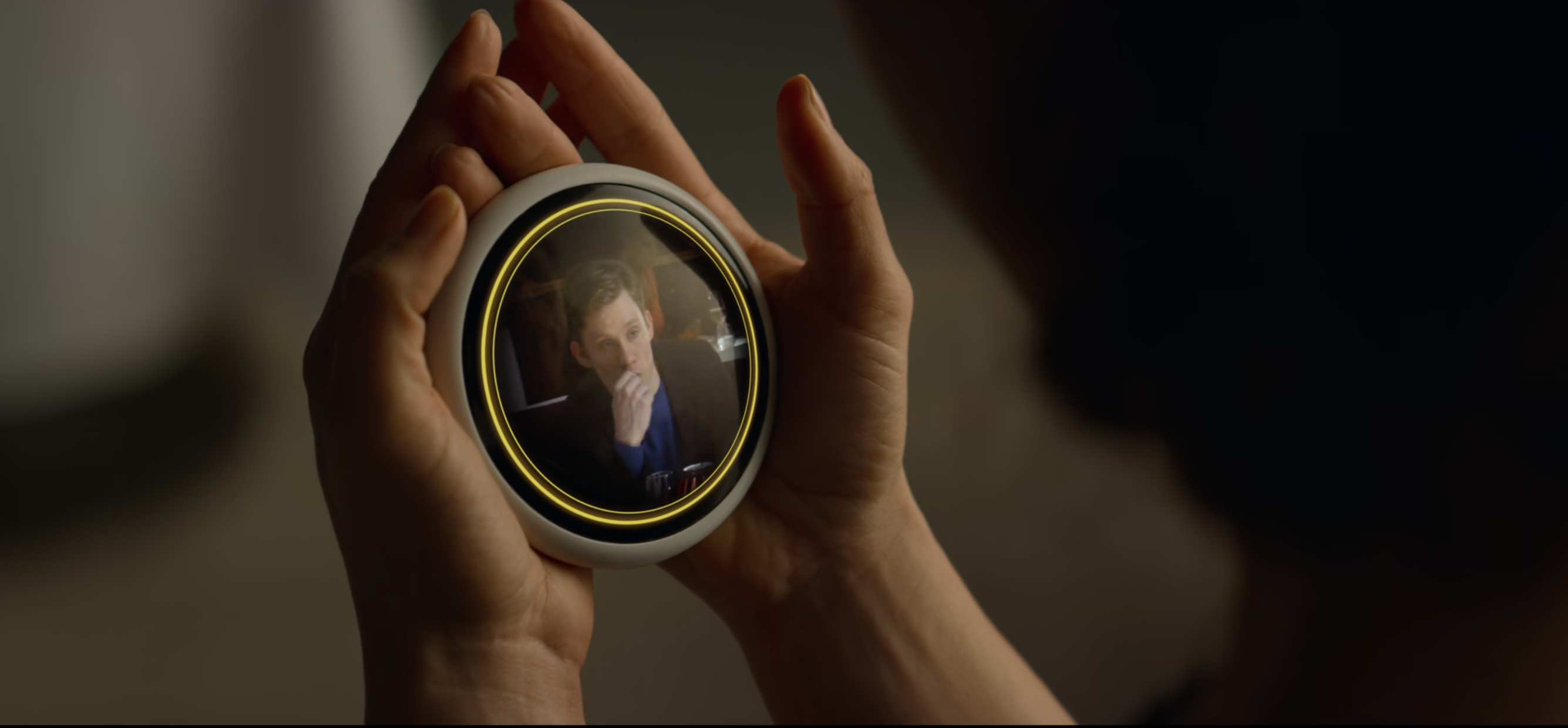
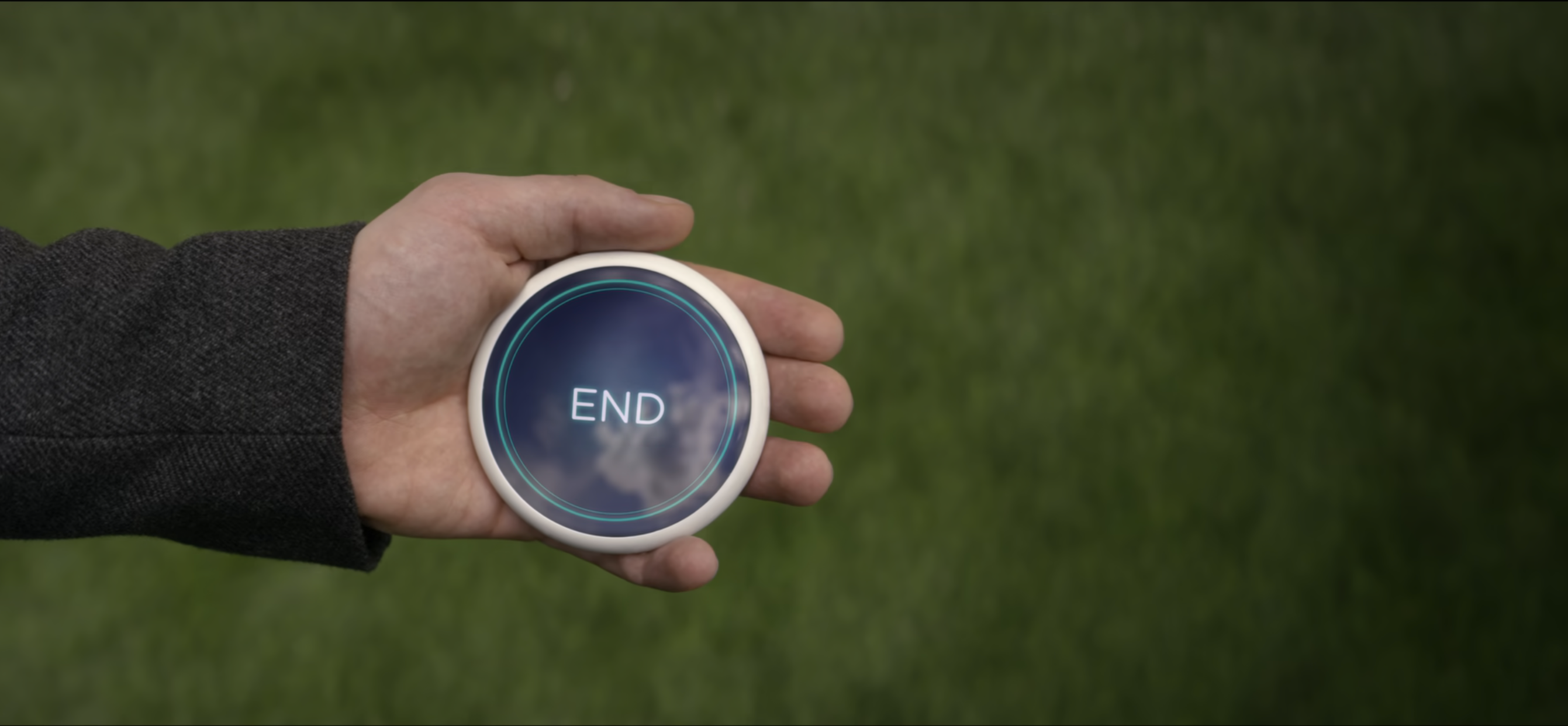
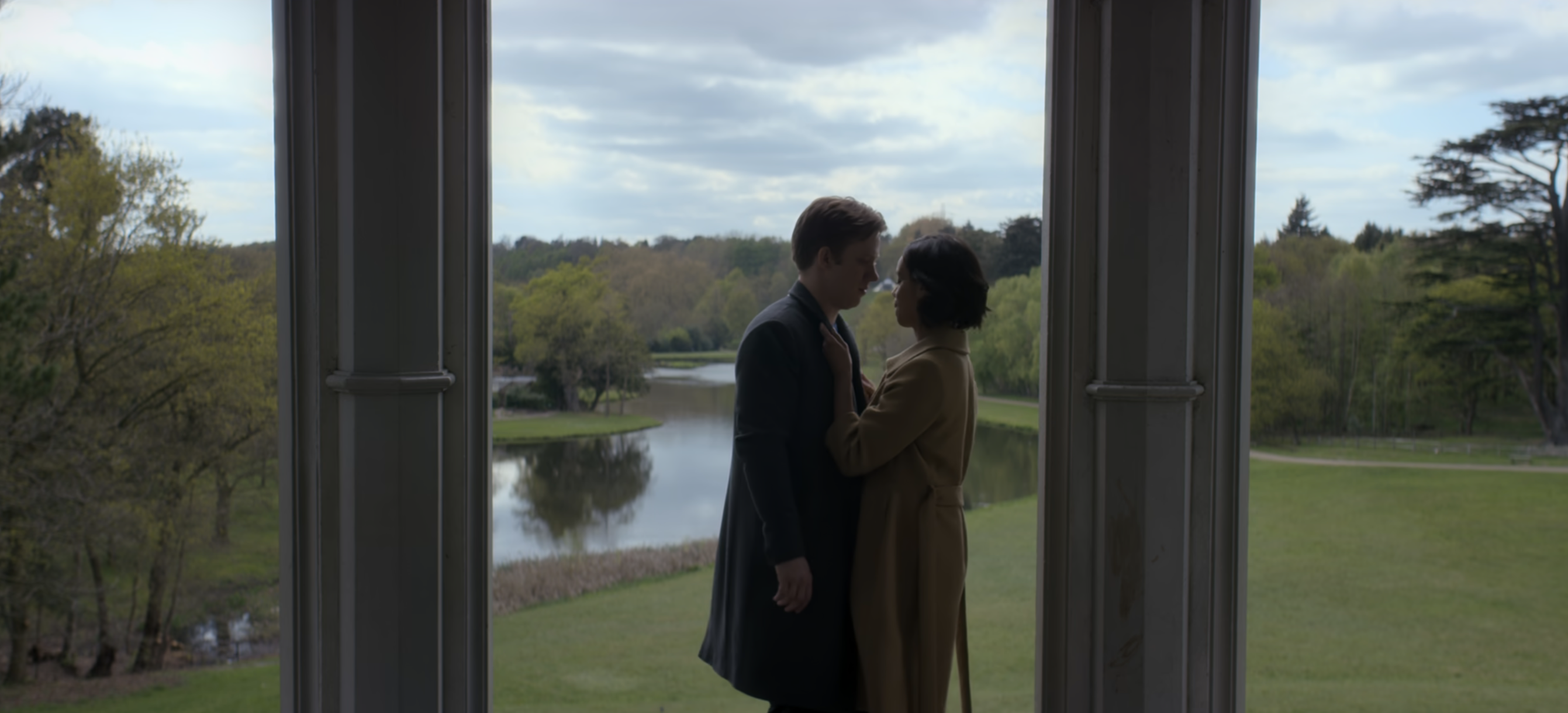


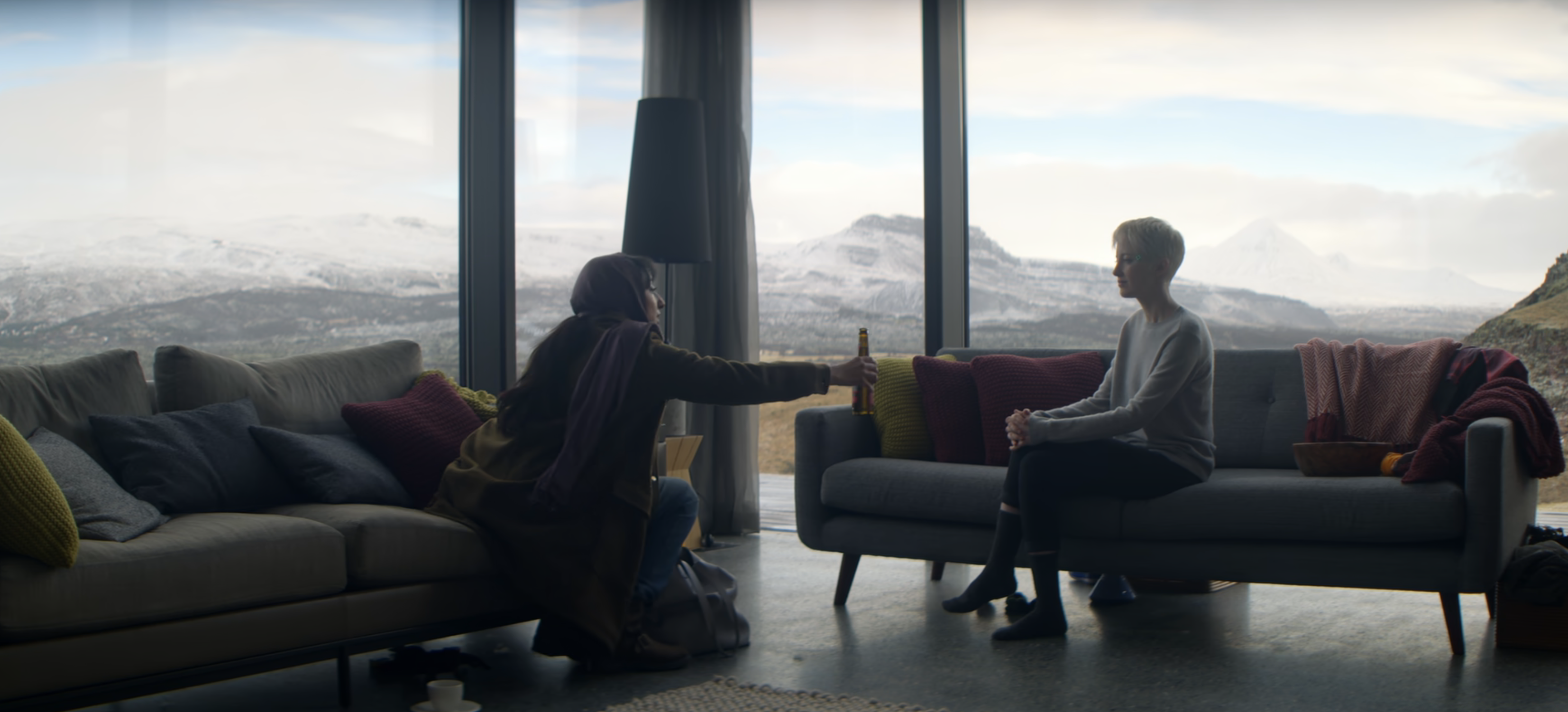
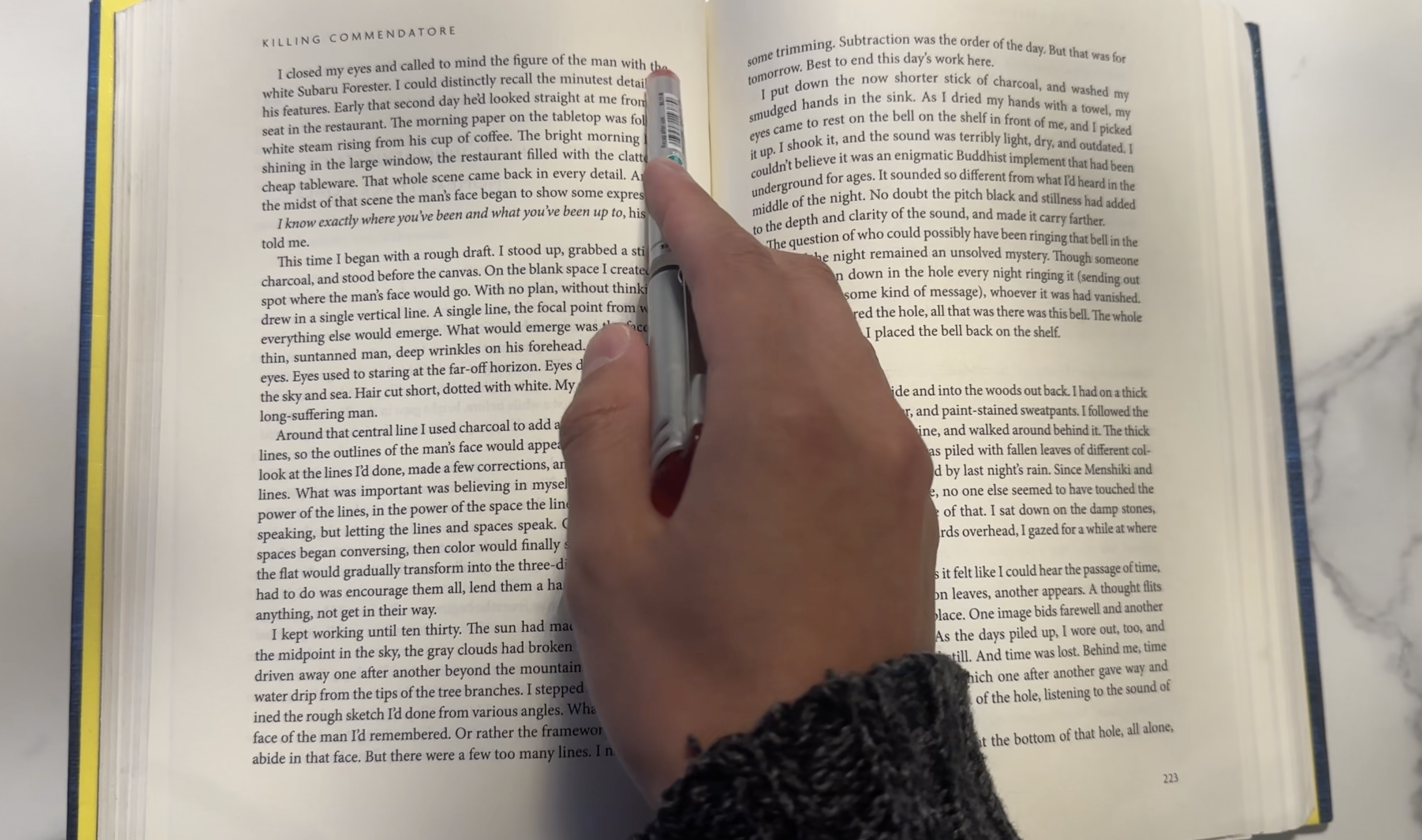


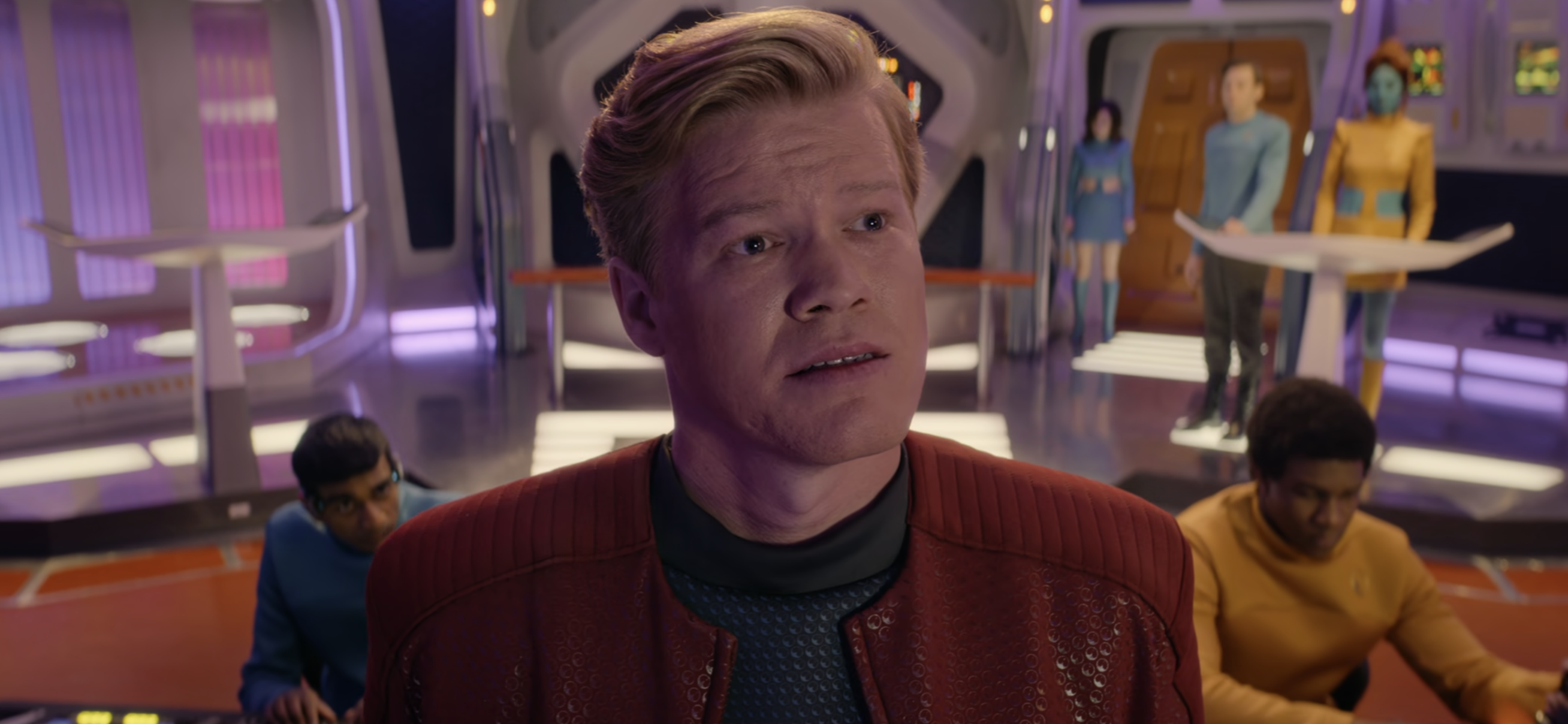

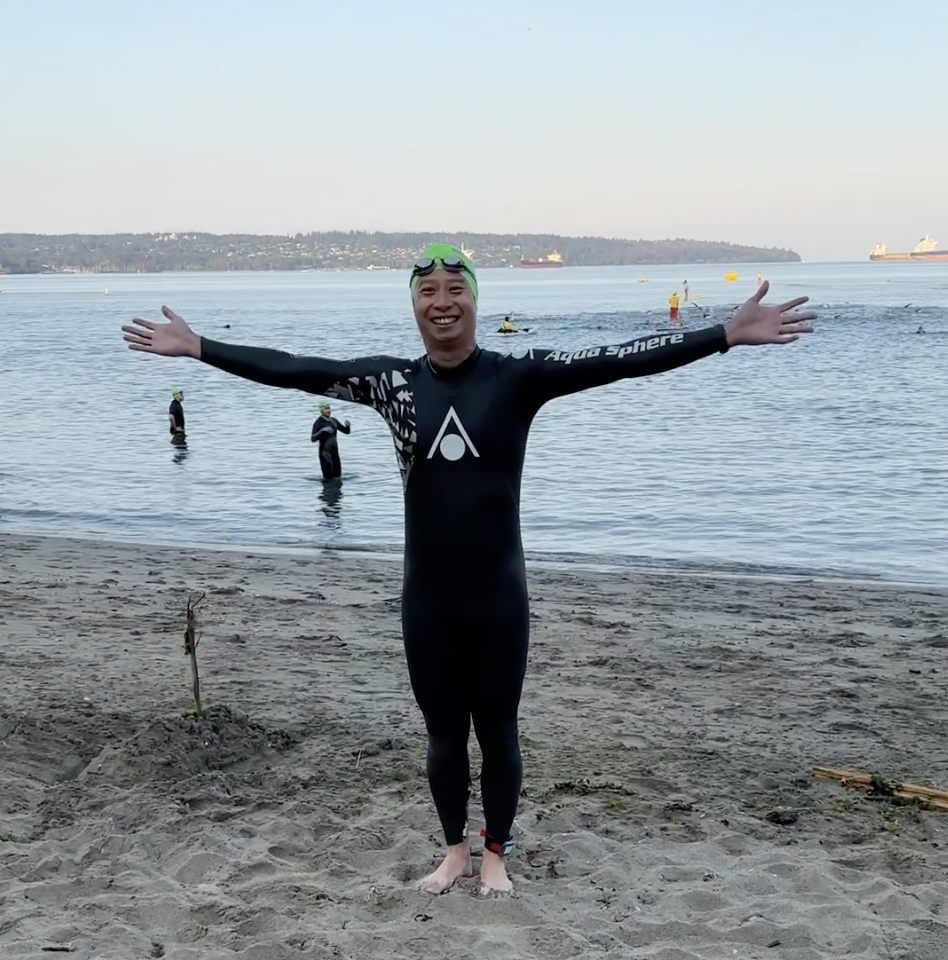
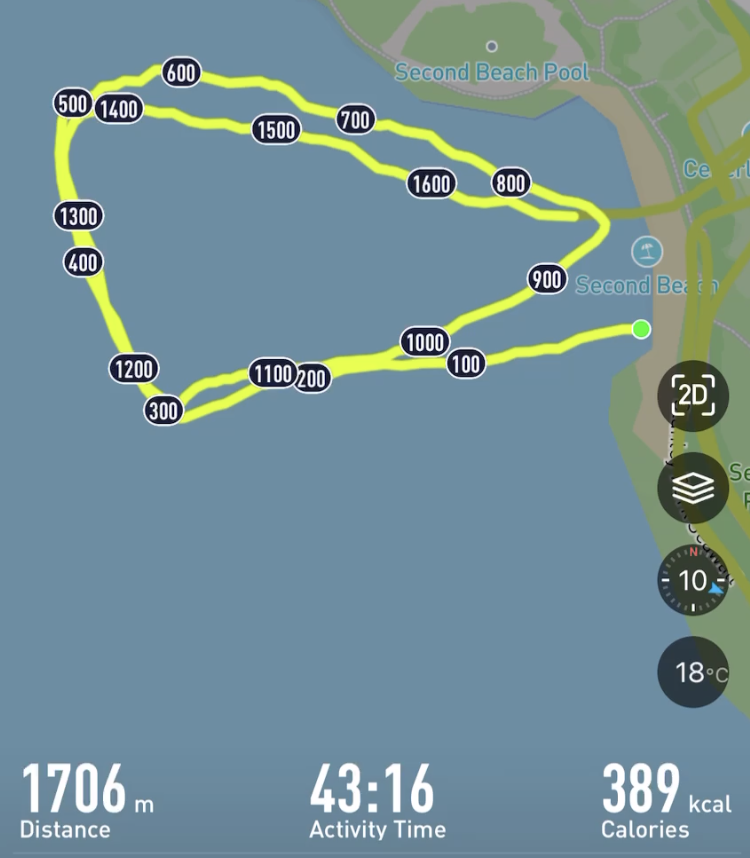

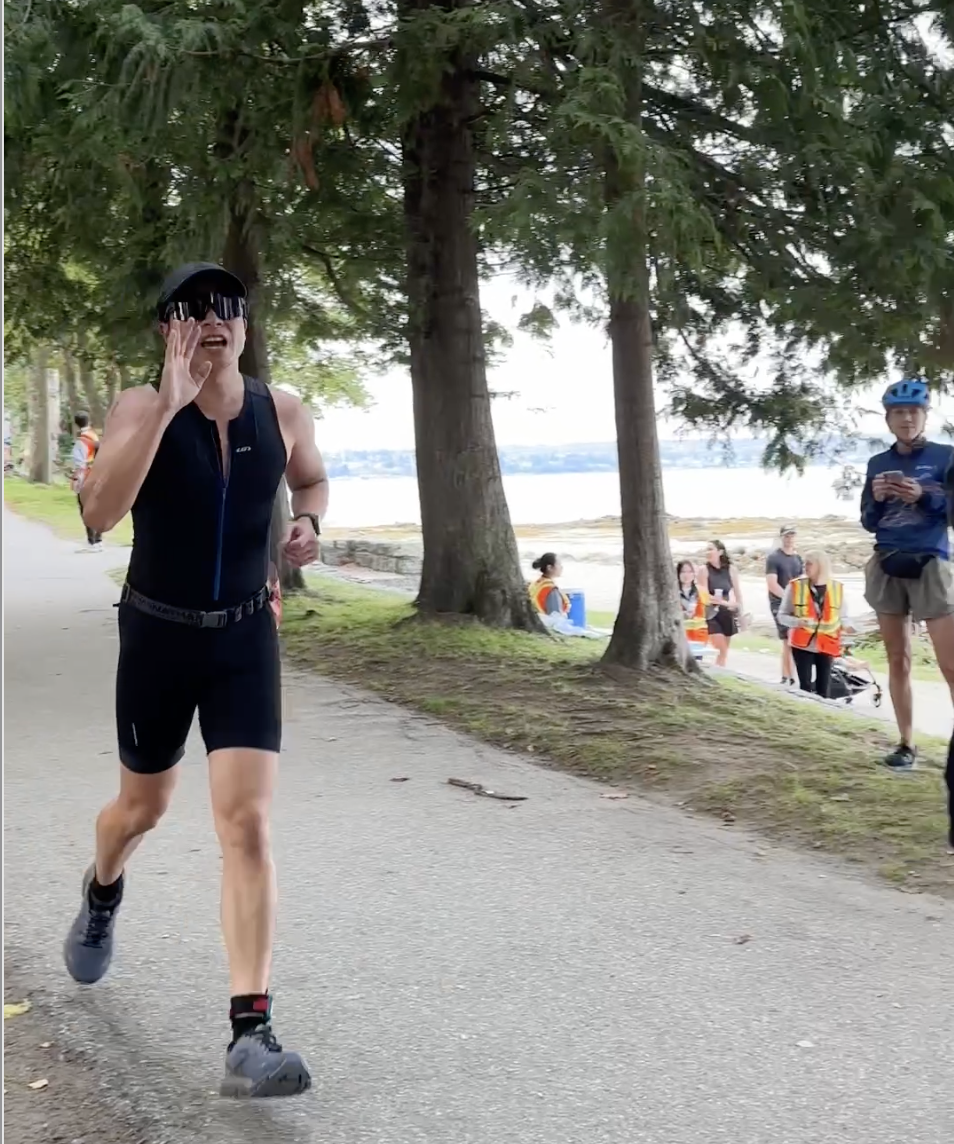




 Elliot Chan