Traditional Chinese medicine and the balance of life
By Elliot Chan, Opinions Editor
Formerly published in The Other Press. Jan. 21, 2014
I grew up with Traditional Chinese medicine (TCM). My mother has always been an advocate of it. On various occasions, my house would reek of a bitter, yet familiar odour. On the kitchen stove would be a large pot of miscellaneous herbs, while my mom hovered over it performing Chinese alchemy. Hours later, after the dark tea had stewed for long enough, she would insist that I drink it because (1) it would help me see better, 2) it would give me energy, 3) it would improve my joints, or (4) because she said so. The concoction tasted awful—always—like the Orient’s version of Buckley’s. I’d be coaxed a few more times before I either downed it all or abandoned it.
Many years later I still wonder if it did me any good. Did it make me healthier? Did it really work?
The history of traditional medicine
Over 2,000 years ago, before Advil and Pepto-Bismol were available to combat headaches and upset stomachs, ancient Chinese doctors found remedies in a practice that continues to this day. To call them doctors would be incorrect, though: during the Shang Dynasty (14th–11th century BC), there weren’t any doctors, only those seeking solutions to ailments.
The Chinese saw illness as disharmony between the human form and the world around it. Instead of approaching sickness as a chemical imbalance the way Western medicine does, TCM seeks cures by looking at the functionality of the body. Inspection, auscultation, olfaction, inquiry, and palpation are the five main methods used to diagnose patients. The practitioner does not hone in on one area of the body, but rather attends to the failing functionality in relation to external elements (wind, cold, fire/heat, dampness, dryness). The human form is one entity and any deficiency pertains to the whole body, not just the stomach or the arm or the brain.
Sweet, sweet herbs
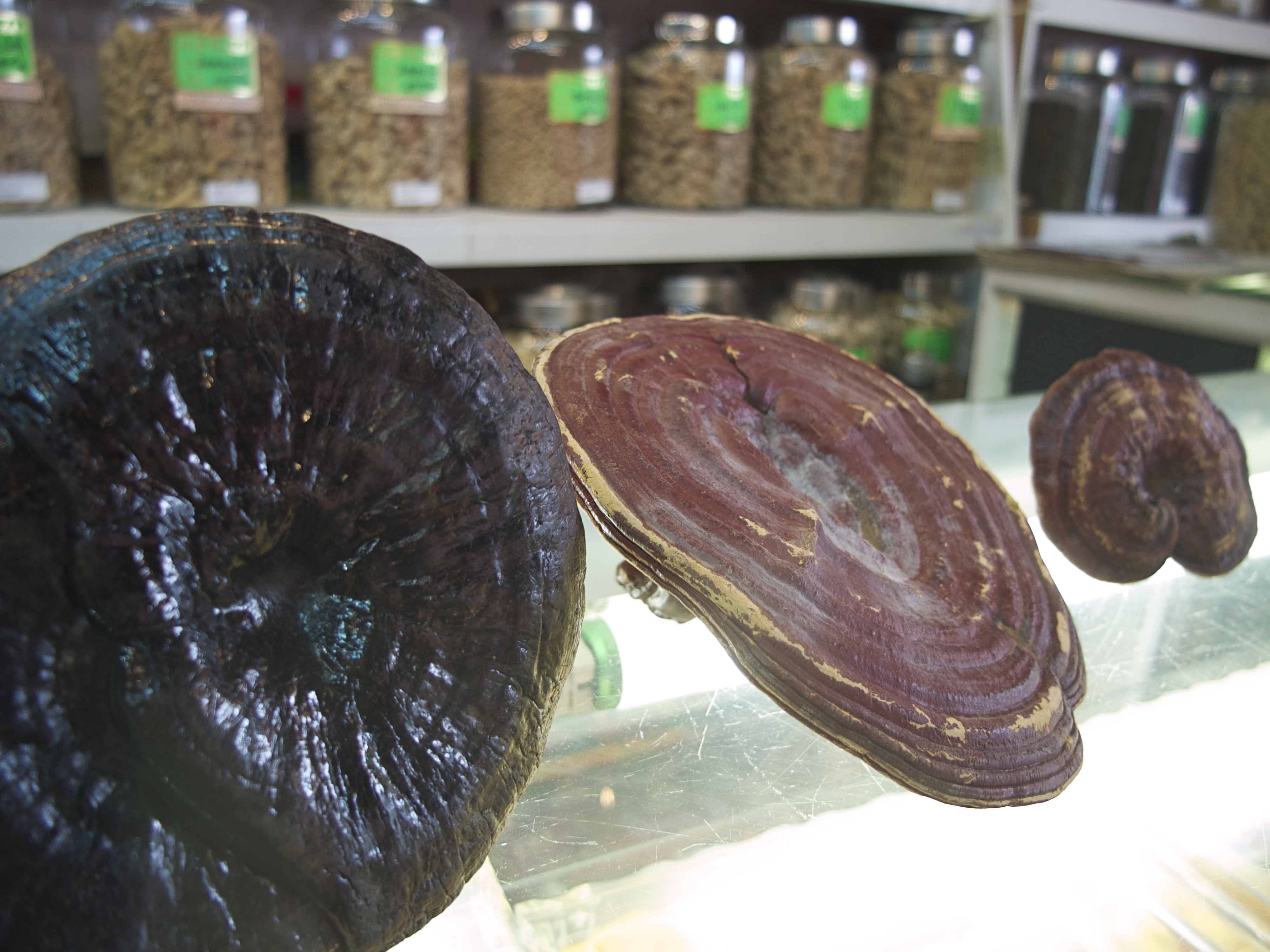
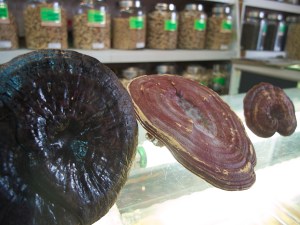
You’ve probably passed by Chinese herbal stores at malls and China Town promenades. Odds are you haven’t had a reason to enter any of them, except to alleviate your curiosity. You’ve peered inside and seen their shelving units and jars upon jars of mystery herbs, extracts, containers of macerated remedies, and fossilized animal carcasses. Such an establishment seems pulled out of the middle ages, just leasing real estate in modern society. Although the effectiveness of herbal therapy is still relatively unproven in 2014, many people live by it.
“People choose traditional medicine because it’s the natural solution,” said Kitty Tsin, employee at the Wah Fung Medicine Company. “You can never be sure how much of what is in pills or capsules. You can’t even be sure what it is. The capsules themselves are made out of gelatine, which isn’t healthy either. The Chinese tradition is that we boil medicine every day and drink the soup as a whole family to improve health. Capsules, tablets, and pills are only meant for individuals.”
TCM comes in a wide variety. Some have little effect, and function only as delicacies. Others are rare and exotic, and have been known to enhance the immune system, in addition to aiding the sickly.
Some common medicines are ginseng (used in many forms to provide energy, reduce the risk of cancer, and even treat erectile dysfunction), sea cucumber (has a property that helps treat arthritis and high blood pressure), and fritillary bulb (can be brewed as a tea to remedy coughs).
Rarer medicine can often cost hundreds—or even thousands—of dollars, and they may be more obscure. Examples include hasma, the fallopian tubes of frogs (known to revitalize internal organs, as well as enhance complexion); and cordyceps, a highly sought-after fungus, also known as the caterpillar fungus (can reduce the effects of asthma, reduce the risk of cancer, and balance out a person’s yin and yang).
The Chinese notion regarding health is based upon the importance of illness mitigation and prevention. While Western medicine tends to focus on treatment, TCM approaches well-being as a life-long pursuit.
Hokey-Pokey
In 2010 I sprained my MCL playing hockey. It took me off the ice for six weeks and the recovery process was agonizing. I re-aggravated the injury a few more times and thought it would never heal. I went to doctors and chiropractors, and when I exhausted all my options I consulted an acupuncture therapist. I’m not going to lie, I was quite skeptical—and perhaps a bit fearful—of the process. After all, lying down in a strange room with needles and cups sticking out and sucking on me was not my ideal day.
My acupuncture practitioner, Dr. Duzy Duyong Lee, punctured a hole in my injured knee, then warmed up a glass cup and placed it over the open wound. The objective (from what I remember) was to suck the blood clot out of my knee so that the healing process could start over again. At first the procedure seemed a bit farfetched—after all, the family doctors and chiropractors merely told me to wear a brace and stay off my leg. It’s hard to say which solution cured me in the end, but now I’m walking and skating just fine.
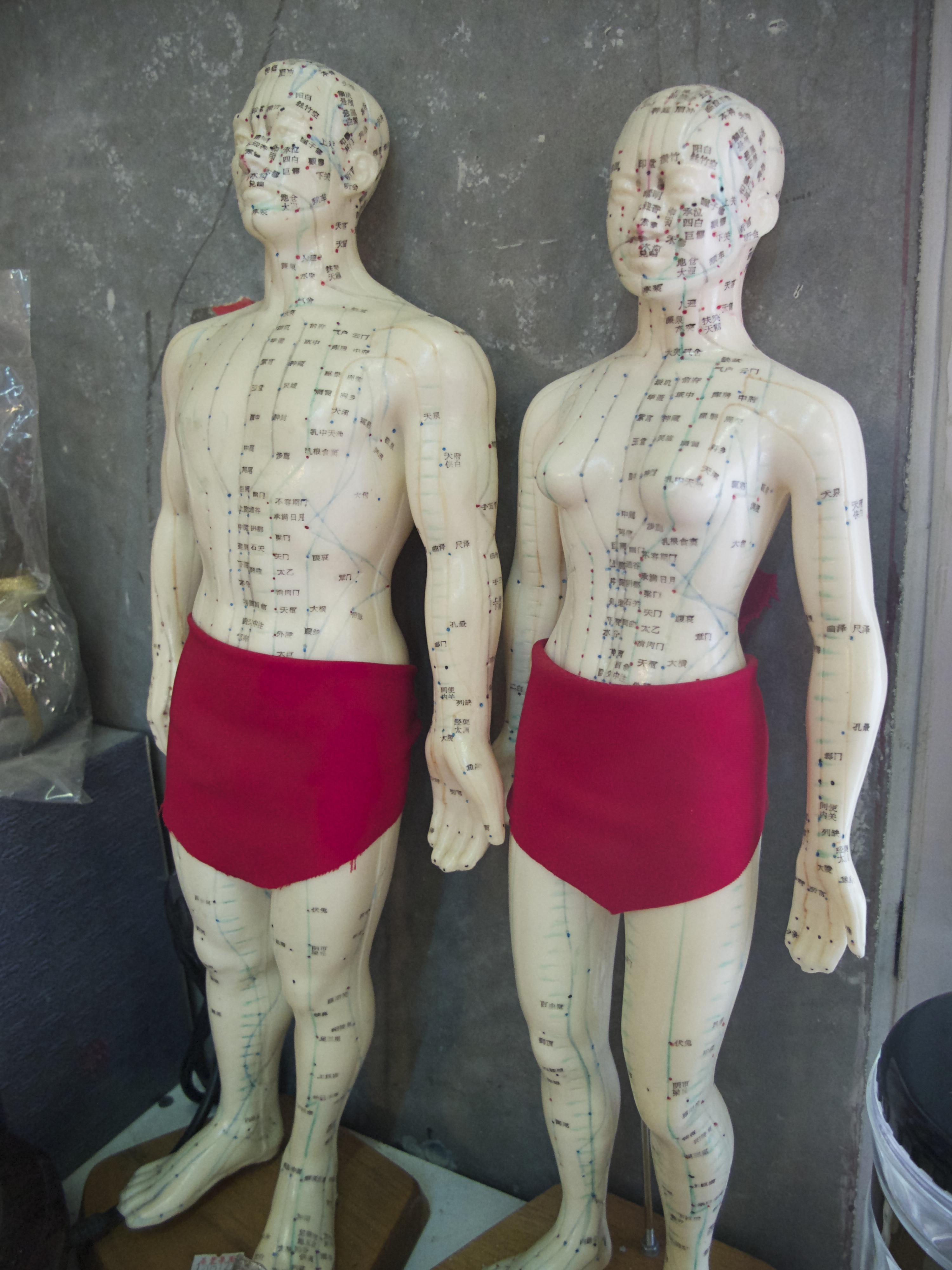
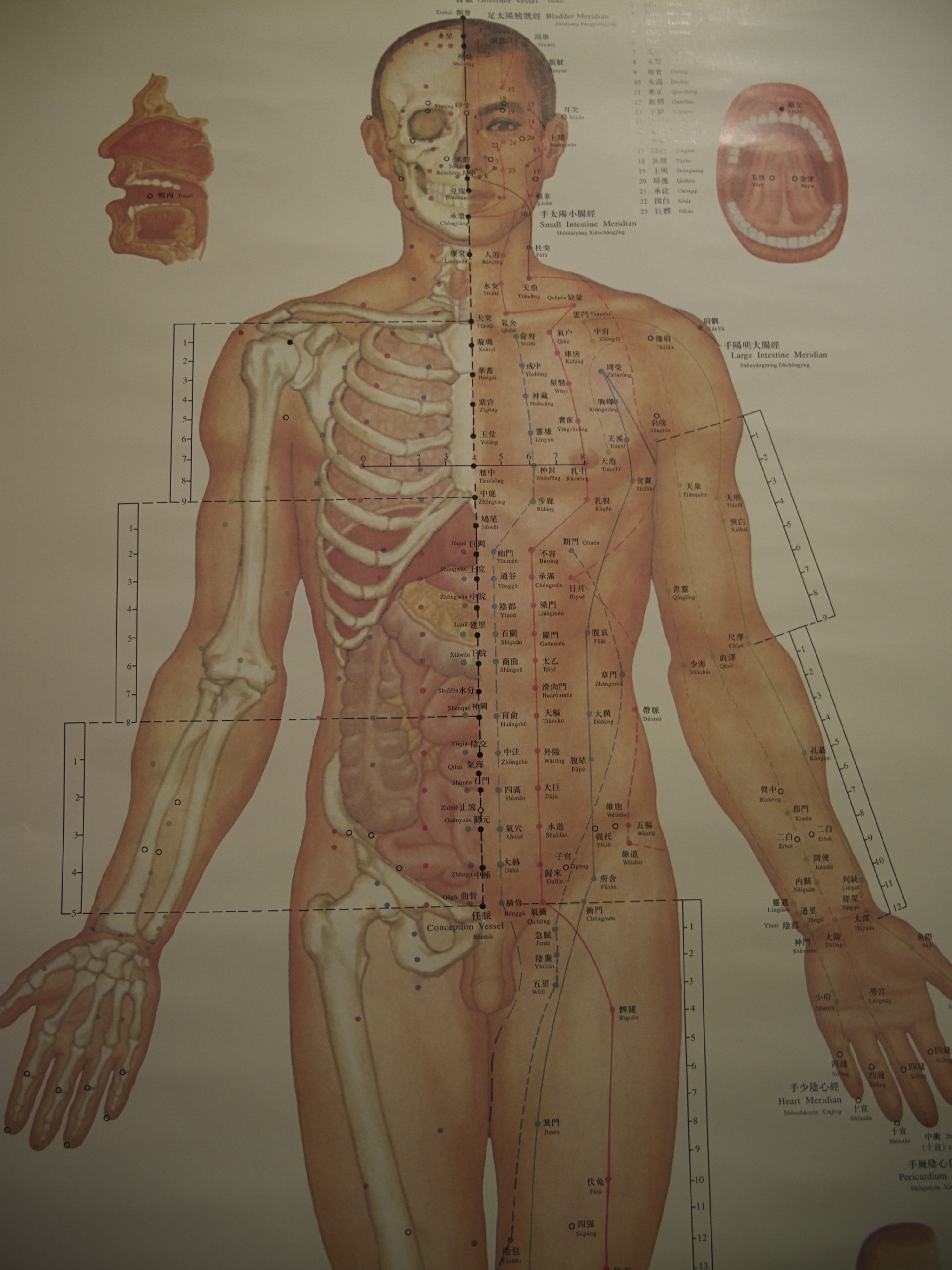
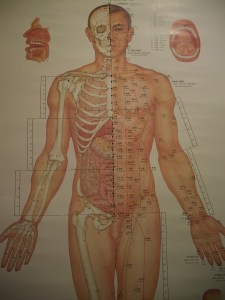
“The skin acts as a meridian to our organs,” said Bonalife Acupuncture and Herbal Medicine Clinic’s Dr. David Kuo. “I don’t touch the organ, but I touch the meridian; I use this meridian to adjust the organ.”
Acupuncture stems from the meridian system, a technique that addresses the human’s functionality and the flow of “qi” or life-energy. Qi includes the body’s circulation, the capability of the limbs, the defence against pathogenic factors, the emission of bodily fluids (urine, sweat, blood, etc.), and the intake of nutrients (food, air, water, etc.). By recognizing the body’s stimulation points, the practitioner can effectively correct the imbalance and restore the flow.
“Every part of your body has a function,” said Dr. Kuo. “When someone coughs, it’s not a coughing problem. There is something inside that is making you uncomfortable that makes you cough. I ask my patients why they are tired. They say, ‘Oh, I’m sick,’ Why are you sick? ‘Because I have a stomachache so I cannot eat and so I’m tired.’ Western medicine hears stomachache, they give you antibiotics—sometimes it’s right—but it’s always wrong. What do antibiotics do? It makes stomachache go away, but when antibiotic goes away, the problem returns. We need to understand the problem, not just the cure.”
The future of traditional medicine
As our technology advances, so do bacteria and viruses. Vaccines, immunizations, and hospital treatments are tackling health with science, but can they ever snuff out the holistic approach of TCM?
A recent report in The Journal of Clinical Endocrinology and Metabolism showed that traditional medicine still has great potential in the Western world as well as the East, and it might be a solution for those with diabetes and other chronic illnesses.
Tianqi, a Chinese herbal mixture that has been shown to improve glucose levels, was the TCM up for the test. In a double-blind, randomized, placebo-controlled study, a sample of 389 people suffering from impaired glucose tolerance participated, where 198 were offered Tianqi and 191 were offered a placebo. The study showed that Tianqi reduced the risk of diabetes by 32.1 per cent. Of those in the Tianqi sample, 63.1 per cent reached normal glucose tolerance, compared to 46.6 per cent of the placebo group.
Many are starting to buy into TCM, making it a profitable market. And the modern science and medicine communities are implementing more studies to identify quality methods of treatment in relation to their own practices.
We live in a world where we are on the edge of medical breakthroughs and global pandemics. Our conditions are getting better and worse—but there is no room to panic. Instead, we should all take the time and find the necessary balance; the recipe that TCM has been cooking up for millennia.