Rachel, Jack and Ashley Too: Black Mirror, Can It Happen?

Before we dive into the events of Rachel, Jack, and Ashley Too, let’s flash back to when this episode first aired: June 5, 2019.

At CES 2019, a diverse range of innovative robots captured attention, from practical home assistants like Foldimate, a laundry-folding robot, to advanced companions such as Ubtech’s Walker and the emotionally expressive Lovot. Together, these robots laid the groundwork for future developments in consumer robotics.

When Charli D’Amelio joined TikTok in May 2019, she was just another teenager posting dance clips. But within weeks, her lip-sync and choreography videos were going viral. By July, her duets were spreading across the platform, and by the close of 2019, she had transformed from an unknown high schooler into a digital sensation with millions of followers.

On February 2, 2019, Fortnite hosted Marshmello’s virtual concert at the in-game location Pleasant Park. The event drew over 10.7 million concurrent players, breaking the game’s previous records. 

In 2019, Taylor Swift’s public fight with Big Machine Records over the ownership of her master recordings exposed deep systemic issues, as Swift’s masters were sold without her consent, preventing her from controlling the use of her own music. In response, she began re-recording her early albums under the Taylor’s Version banner, starting with Fearless (Taylor’s Version) in 2021

In January 2019, Britney Spears abruptly canceled a highly anticipated show in Las Vegas. In April, Spears entered a mental health facility, sparking public concern and amplifying the #FreeBritney movement amid allegations of emotional abuse linked to her conservatorship. 

All of which brings us back to this episode of Black Mirror—Season 5, Episode 3: Rachel, Jack, and Ashley Too. 

The episode dives into the mechanics of digital fame—where algorithms hold the power, artists blur into avatars, and identity bends under the weight of technology. It asks: What happens when the spotlight is no longer earned but assigned? When music is stripped down and musicians reduced to assets? And, in the end, can we lose ourselves to the very machine that makes us visible?

In this video, we’ll explore the episode’s themes and investigate whether these events have already happened—and if not whether or not they are still plausible. Let’s go.

Connection by Algorithm

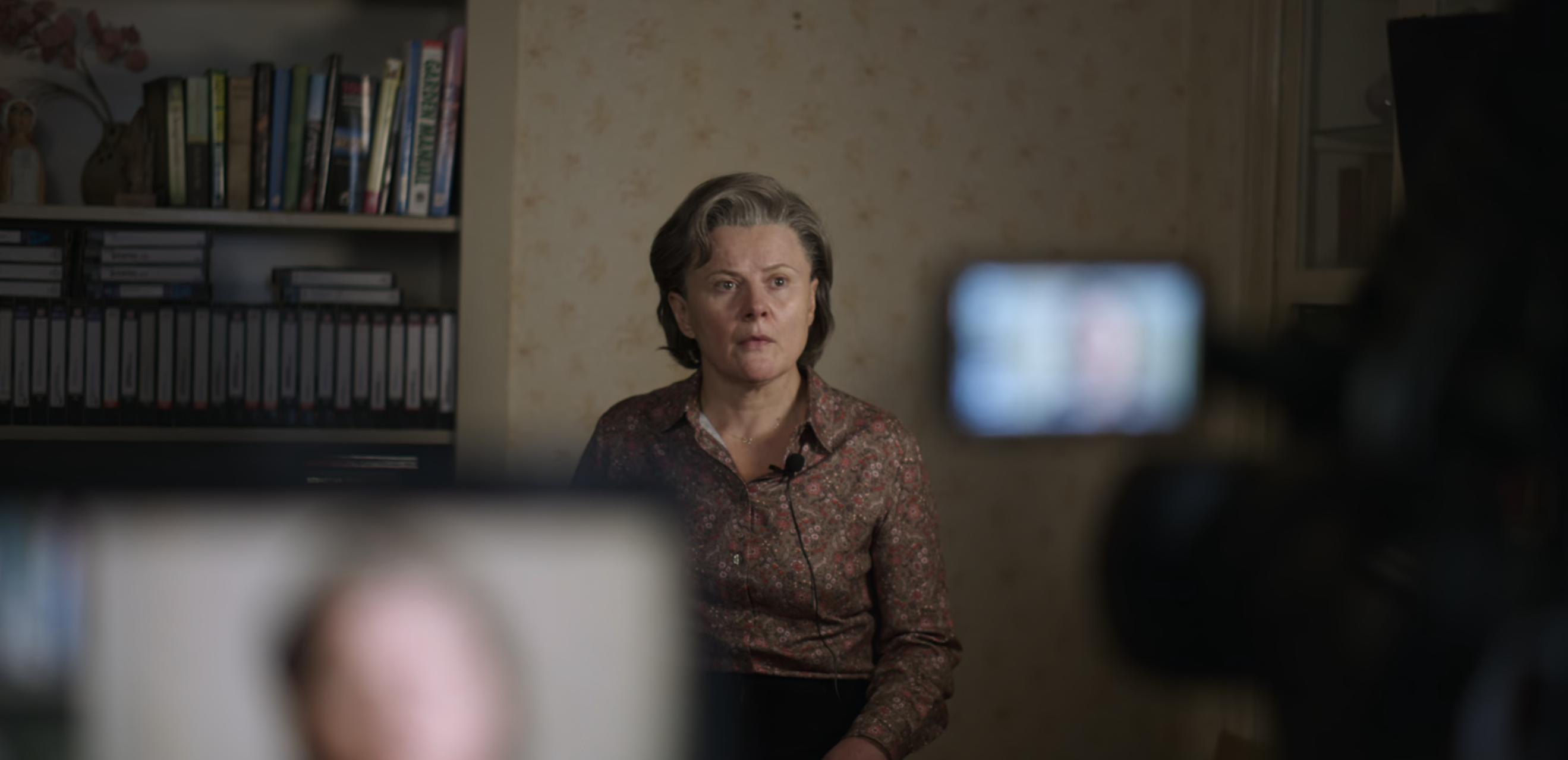
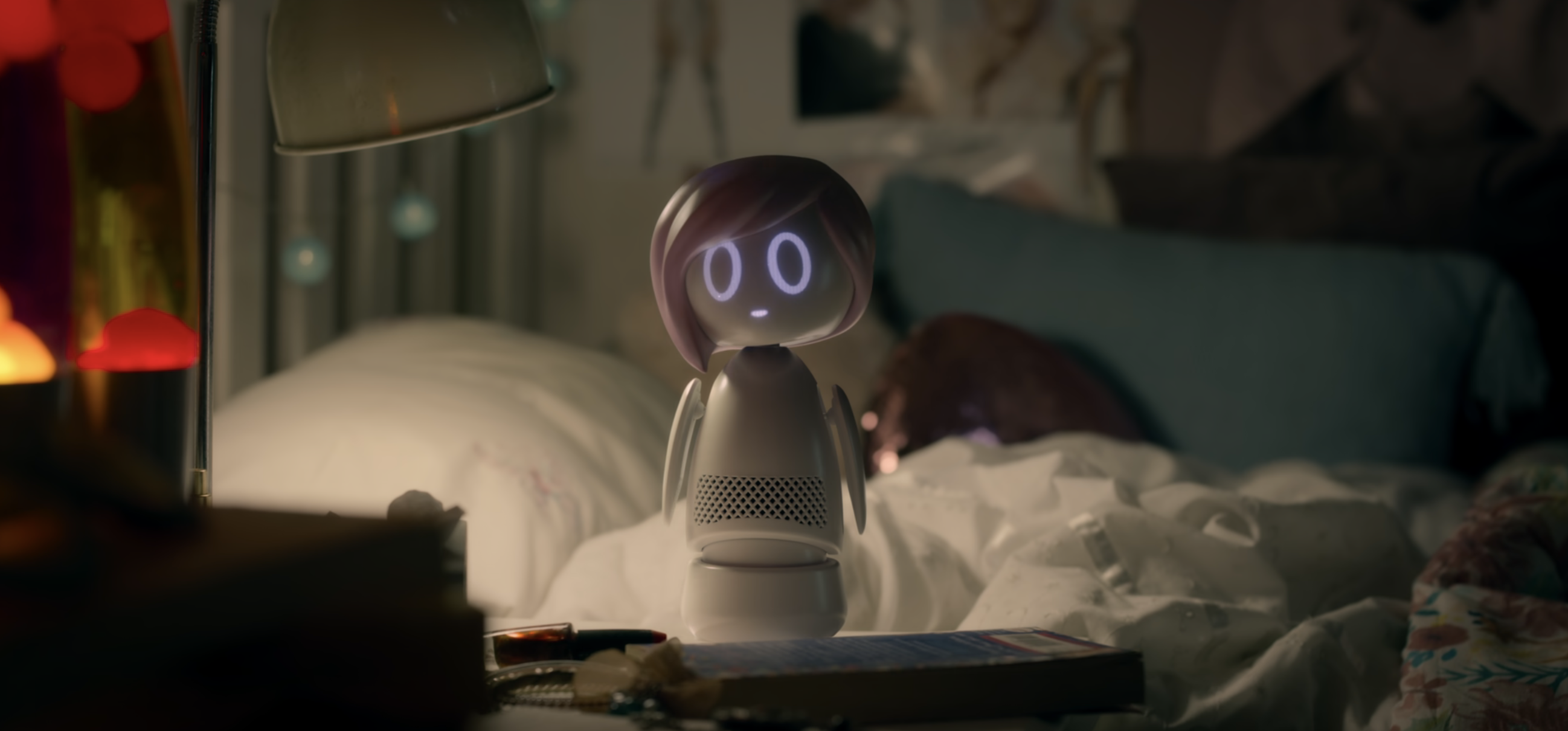
In this episode, we follow Rachel, a teenager struggling with the loss of her mother and looking for connection. In her search for belonging, Rachel grows attached to Ashley Too—a talking doll modeled after pop star Ashley O. She clings to it as both a friend and a channel to her idol.

AI companion apps have exploded in 2025, with more than 220 million downloads and $120 million in revenue projected for the year. Popular platforms now include Character.AI, Replika, Chai, and Kindroid, all offering lifelike interactions.

Even more effective than a friend, AI can now detect depression by analyzing data like daily activity patterns recorded by wearable devices. 

A recent 2025 study from JMIR Mental Health found that an AI model called XGBoost could correctly identify if someone was depressed about 85% of the time. The AI looks at changes in sleep and activity rhythms. However, even with these advances, AI sometimes finds it hard to understand subtle emotions or the context of what a person is feeling.

In this episode, Rachel’s sister Jack—driven by jealousy, or perhaps genuine concern—hides Ashley Too, worried it’s “filling her head with crap.” Her skepticism mirrors a real-world fear: that leaning on digital companions can warp the grieving process.

Recent regulatory actions have begun addressing risks around AI companion apps. New York passed a law effective November 2025 requiring AI companion operators to implement safety measures detecting suicidal ideation or self-harm and to clearly disclose the non-human nature of the chatbot to users. 

In the end, Rachel and her sister discover that the doll’s personality is intentionally restricted by an internal limiter, and when it is removed, the AI reveals a deeper consciousness trapped inside. 

ChatGPT and similar AI models are increasingly used as therapy tools. A 2025 randomized controlled trial of the AI therapy chatbot “Therabot” reported clinically significant reductions in depression and anxiety symptoms, with effect sizes comparable to or exceeding some traditional treatments. 

However, a study presented at the American Psychiatric Association’s 2025 meeting found human therapists still outperform ChatGPT in key therapy skills like agenda-setting, eliciting feedback, and applying cognitive behavioral techniques, due to their greater empathy and flexibility. Another thematic study of ChatGPT users found it provides helpful emotional support and guidance but raised concerns about privacy and emotional depth.

As technology grows more immersive and responsive, these digital bonds may deepen. Whether that’s a source of comfort or a cause for concern depends on how we balance connection, privacy, and the question at the heart of the episode: what does it really mean to be known?


Creativity, Rewired

Ashley O is a pop icon suffocated by the demands of her aunt and record label. She feels trapped as her true voice is silenced and her image squeezed into a marketable mold.

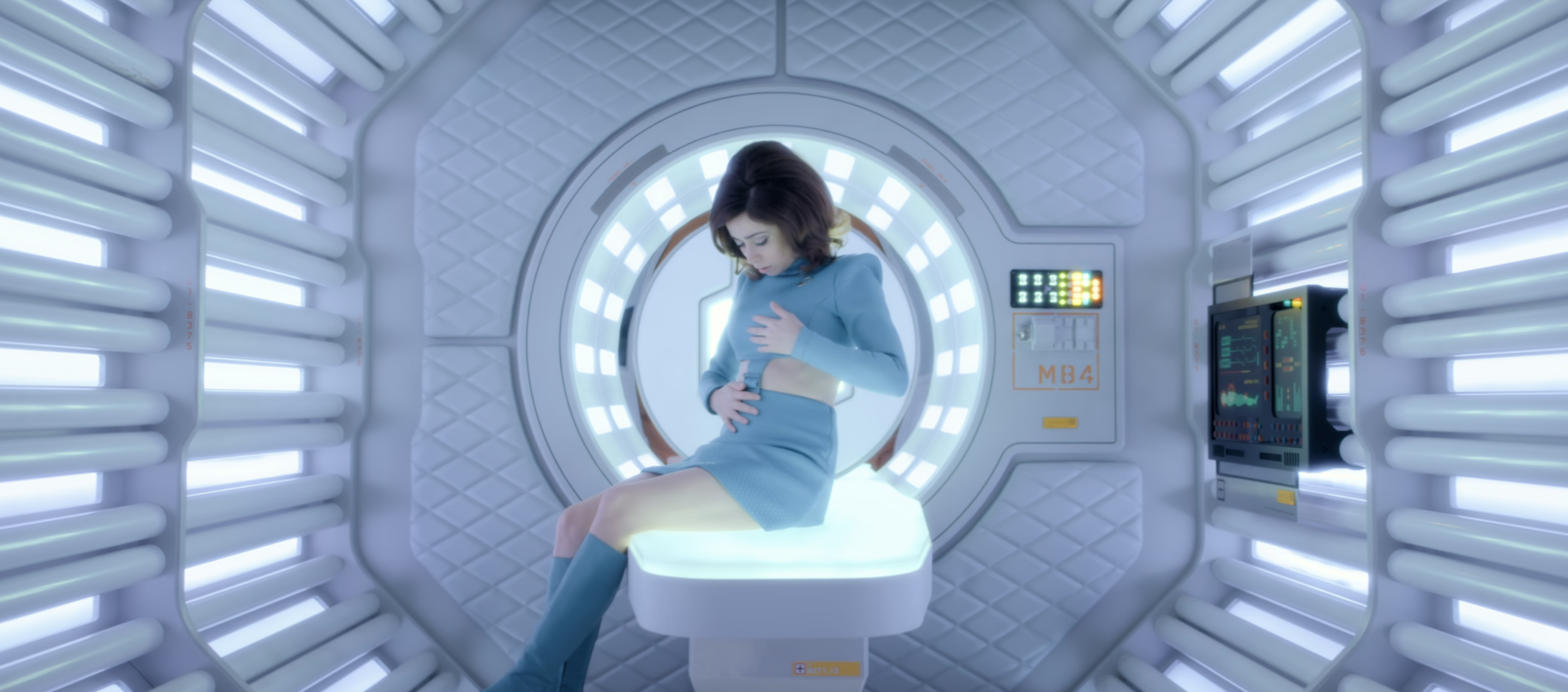
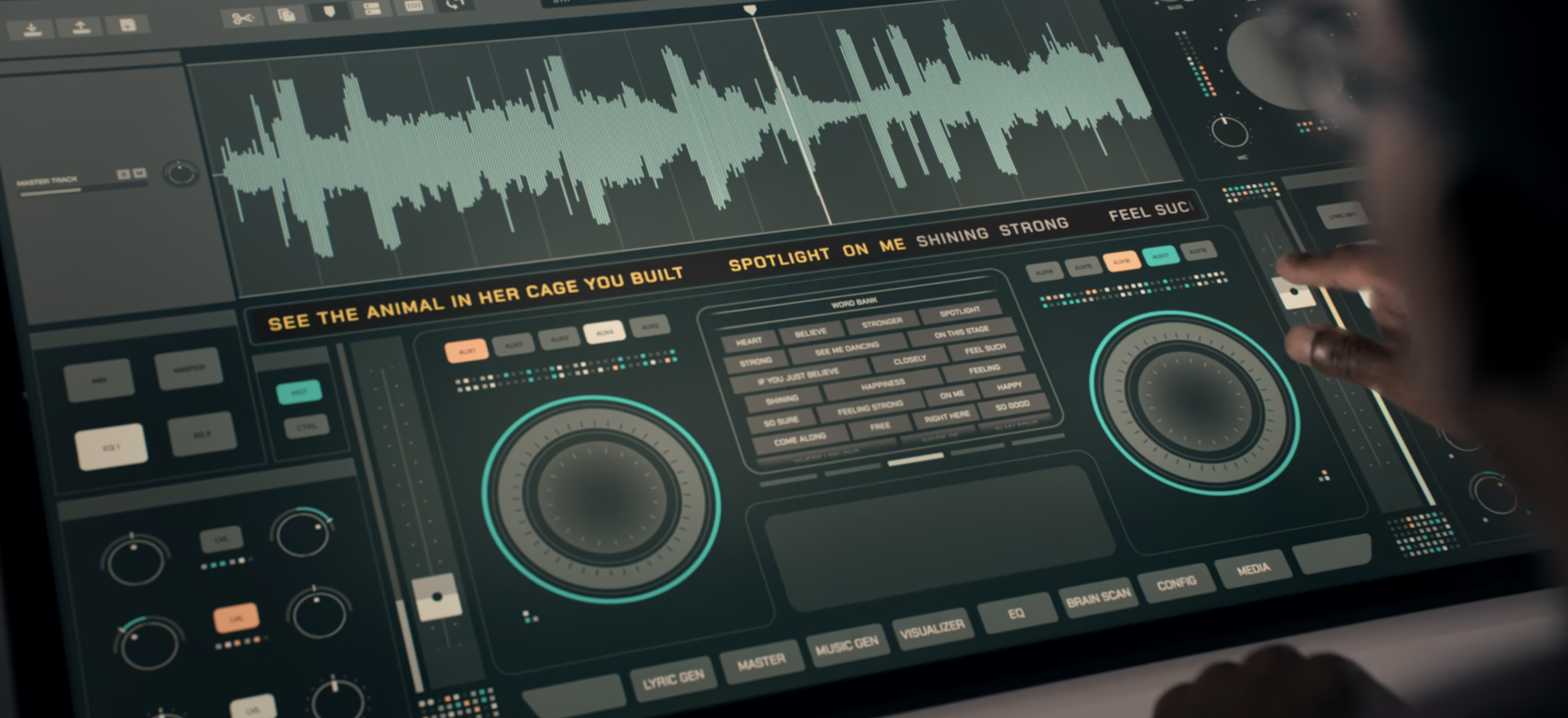
When Ashley is put into a coma, the producers crank up a machine to decode her brainwaves and extract new songs, pumping out tracks without her consent. A literal case of cookie-cutter artistry. 

The Velvet Sundown is an AI-generated music project that emerged in 2025, debuting with two albums on Spotify and quickly sparking global discussion about the future of artificial creativity.

The project, created by an anonymous human creator, used AI tools like Suno for music generation, with style descriptions crafted by language models such as ChatGPT. 

In June 2024, major record labels—including Sony Music, Universal Music Group, and Warner Records—filed lawsuits against AI music companies Suno and Udio, accusing them of large-scale copyright infringement. The labels alleged that the startups used their recordings without permission to train AI systems capable of generating new songs. Both companies denied wrongdoing, claiming their models create original works rather than copying existing recordings. The case remains ongoing as of 2025.

Legal and ethical challenges around AI-generated music are mounting. Unauthorized use of vocal clones or deepfakes has sparked heated debates on consent, ownership, and copyrights. Legal systems struggle to keep up. If a person shapes the AI’s output, copyright might apply—but it’s unclear how much input is enough. This gray area makes artist rights, licensing, and royalties more complicated.

Can creativity actually be replicated by machines, or does something essential get lost when all they do is measure patterns and output? As Ashley’s story shows, automated artistry might never replace the real thing—but it can easily outpace it.

Celebrity in a Cage

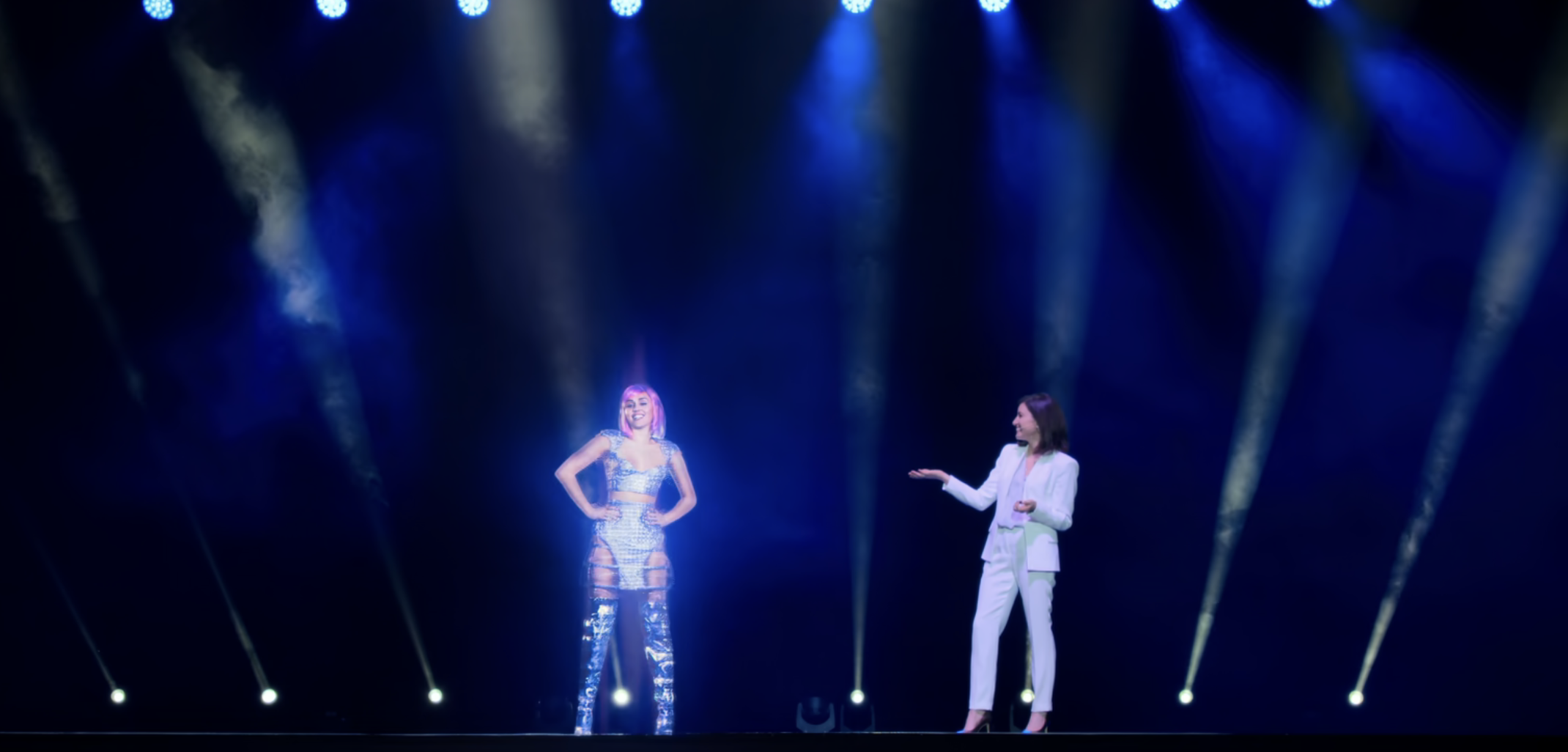
In Rachel, Jack, and Ashley Too, we see the dark side of fame through Ashley O’s story: she is drugged into compliance and eventually placed in a coma, while her aunt schemes to replace her with a holographic version built for endless future tours.

This holographic pop star can instantly change outfits, scale in size, appear simultaneously in thousands of locations, and perform endlessly without the vulnerabilities of a human artist. 

In 2024–2025, virtual K-pop idols like SKINZ and PLAVE emerged as a new wave of celebrity branding that extends beyond music into virtual merchandise and digital idols.

PLAVE is a five-member group, powered by real performers using motion capture. They have racked up over 470 million YouTube views, charted on Billboard Global 200, and sold out virtual concerts while engaging fans with digital fan meetings. 

SKINZ, a seven-member virtual boyband produced by South Korean singer-songwriter, EL CAPITXN, blends rock, hip-hop, and funk, has performed at iconic venues like Tokyo Dome.

This surge in AI and virtual stardom opens extraordinary possibilities, but what about the humans who now have to compete in this new arena? 

This brings to mind Britney Spears, whose long conservatorship battle captivated the world. In total, Britney performed hundreds of shows during the 13-year conservatorship from 2008 to 2021, but always under heavy restrictions and control. 

While AI and holograms can perform endlessly without burnout or loss of control, traditional live tours remain a lucrative but fragile model heavily dependent on a single artist’s health and agency. 

In late 2024, indie-pop artist Clairo faced significant backlash after postponing three highly anticipated concerts in Toronto at the last minute due to “extreme exhaustion.” The cancellations came just as doors were about to open for the first show at Massey Hall, leaving fans frustrated and inconvenienced, especially those who had traveled and faced challenges getting refunds.

In contrast, virtual concerts and holographic tours, already proven by groundbreaking shows like ABBA’s Voyage, which made its long-anticipated debut on May 27, 2022, at the purpose-built ABBA Arena in London’s Queen Elizabeth Olympic Park. The virtual concert residency features hyper-realistic avatars of the band members as they looked in 1979, created using cutting-edge motion capture technology and visual effects by Industrial Light & Magic.

In contrast, virtual concerts and holographic tours rely not on a single performer. This is demonstrated by shows like ABBA’s Voyage, which debuted on May 27, 2022, at the purpose-built ABBA Arena in London’s Queen Elizabeth Olympic Park. Instead, they depend on the coordinated work of many teams. Hyper-realistic avatars of the band as they appeared in 1979 were created through motion capture, stage design, lighting, production, and visual effects by Industrial Light & Magic.

While the performers are getting more digital, many performers are aiming to bring the audience back to the moment. 

Phone-free concerts have grown in popularity as artists seek to create more immersive, distraction-free live experiences. Ghost, a Swedish rock band, has pioneered this approach by requiring fans to secure their phones in lockable pouches called Yondr bags, which can only be opened after the show or in designated areas. 

Yet even as performers reclaim control over the audience’s attention, the question remains: How much control do today’s celebrities really have, and how much of their image and choices are shaped by algorithms, managers, and market trends?

Virtual and hybrid performances blur the line between genuine presence and manufactured spectacle, leaving us to wonder whether we’re watching artists or carefully engineered illusions. 

As fame, creativity, and even friendship are being reshaped, the episode explores the tension between what can be automated and what should remain authentic.

Programs already guide our choices, digital idols fill our feeds, and synthetic voices mingle with human ones. In that haze, where artist becomes asset and companion becomes artificial, the story feels like a glimpse of what’s already unfolding.

For more writing ideas and original stories, please sign up for my mailing list. You won’t receive emails from me often, but when you do, they’ll only include my proudest works.
Join my YouTube community for insights on writing, the creative process, and the endurance needed to tackle big projects. Subscribe Now!

Smithereens: Black Mirror, Can It Happen?

Before we dive into the events of Smithereens, let’s flash back to when this episode first aired: June 5, 2019.

In 2019, guided meditation apps like Headspace and Calm surged in popularity. Tech giants like Google and Salesforce began integrating meditation into their wellness programs. By the end of the year, the top 10 meditation apps had pulled in nearly $195 million in revenue—a 52% increase from the year before.

That same year, Uber made headlines with one of the decade’s biggest IPOs, debuting at $45 a share and securing a valuation north of $80 billion. But the milestone was messy. Regulators, drivers, and safety advocates pushed back after a fatal 2018 crash in Tempe, Arizona, where one of the company’s self-driving cars struck and killed a pedestrian during testing.

Inside tech companies, the culture was shifting. While perks like catered meals and gym memberships remained, a wave of employee activism surged. Workers staged walkouts at Google and other firms, and in 2019, the illusion of the perfect tech workplace began to crack.

Meanwhile, 2019 set the stage for the global rollout of 5G, promising faster, smarter connectivity. But it also sparked geopolitical tensions, as the U.S. banned Chinese company Huawei from its networks, citing national security threats. 

Over it all loomed a small circle of tech billionaires. In 2019, Jeff Bezos held the title of the richest man alive with a net worth of $131 billion. Bill Gates followed, hovering between $96 and $106 billion. Mark Zuckerberg’s wealth was estimated between $62 and $64 billion, while Elon Musk, still years away from topping the charts, sat at around $25 to $30 billion.

And that brings us to this episode of Black Mirror, Season 5,  Episode 2: Smithereens

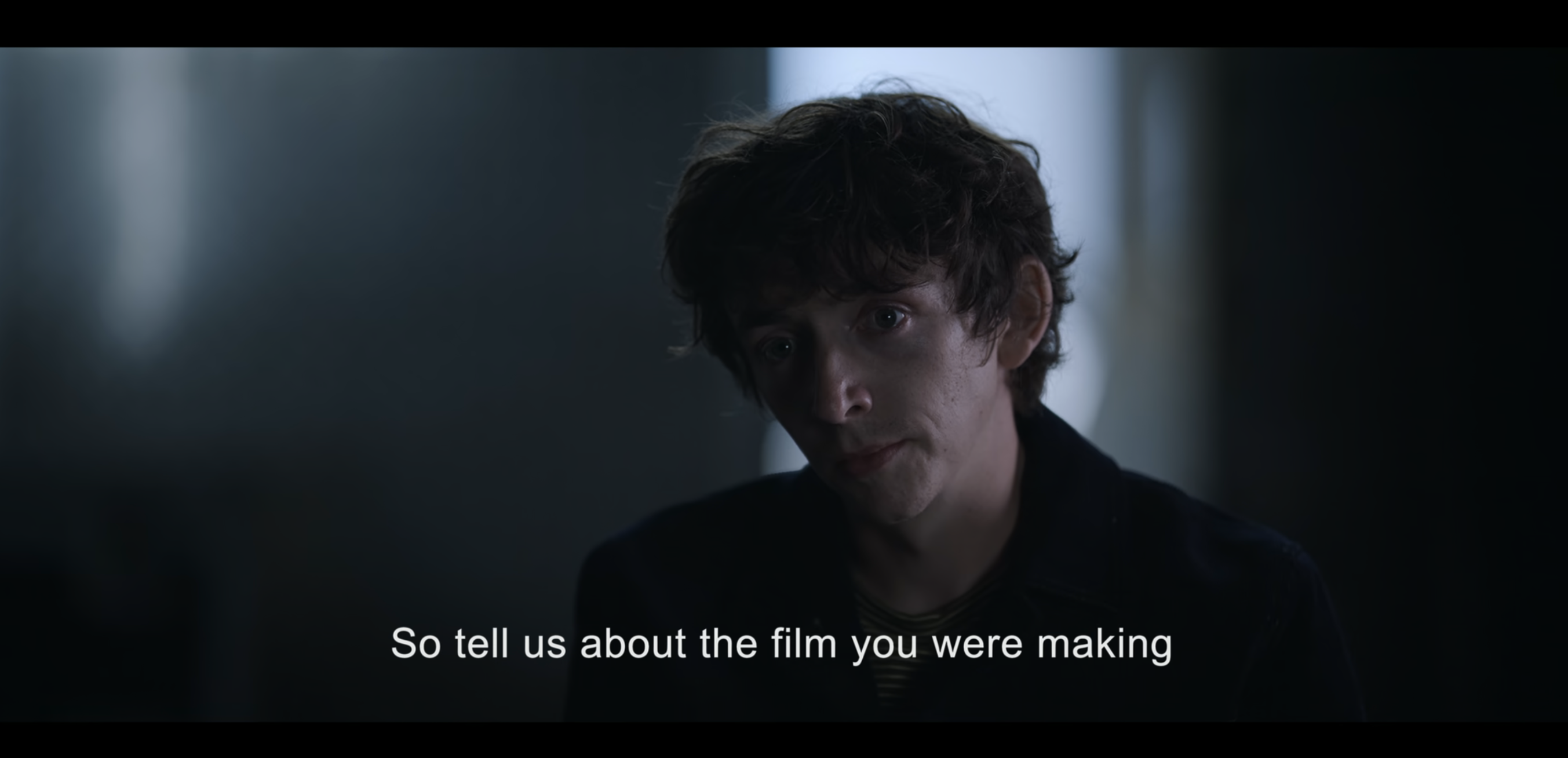
This episode pulls us into the high-stakes negotiation between personal grief and corporate power, where a rideshare driver takes an intern hostage—not for ransom, but for answers.

What happens when the tools meant to connect us become the things that break us?

It forces us to consider:  Do tech CEOs hold too much power, enough to override governments, manipulate systems, and play god?

And are we all just one buzz, one glance, one distracted moment away from irreversible change?

In this video, we’ll unpack the episode’s key themes and examine whether these events have happened in the real world—and if not, whether or not it is plausible. Let’s go!

Addicted by Design

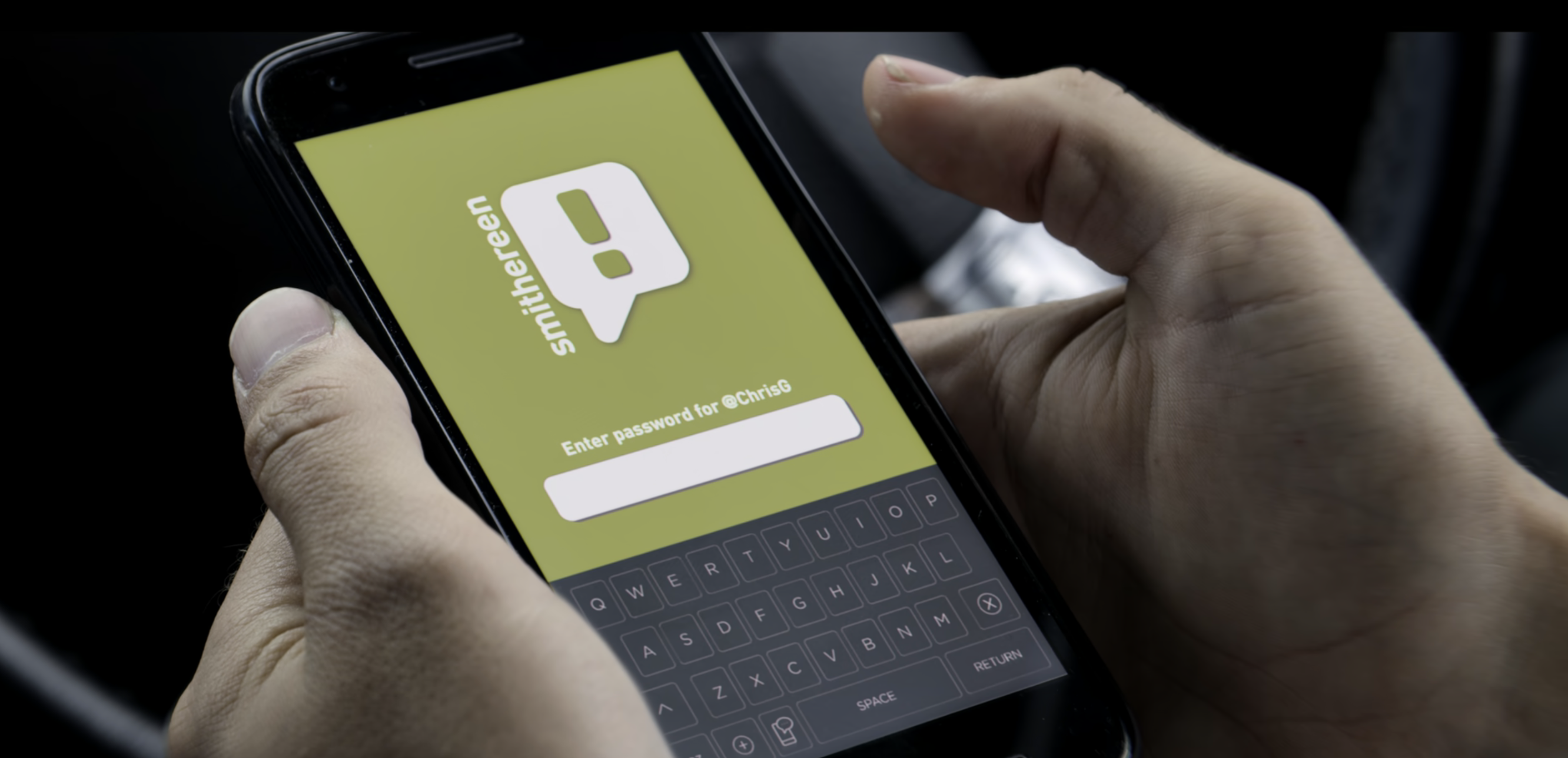
In Smithereens, we follow Chris, a man tormented by the loss of his fiancée, who died in a car crash caused by a single glance at his phone. The episode unfolds in a world flooded by noise: the pings of updates, the endless scroll, the constant itch to check in. And at the center of it all is Smithereen, a fictional social media giant clearly modeled after Twitter.

Like Twitter, Smithereen was built to connect. But as CEO Billy Bauer admits, “It was supposed to be different.” It speaks to how platforms born from good intentions become hijacked by business models that reward outrage, obsession, and engagement at all costs.

A 2024 study featured by TechPolicy Press followed 252 Twitter users in the U.S., gathering over 6,000 responses—and the findings were clear: the platform consistently made people feel worse, no matter their background or personality. By 2025, 65% of users aged 18 to 34 say they feel addicted to its real-time feeds and dopamine-fueled design.

Elon Musk’s $44 billion takeover of Twitter in 2022 was framed as a free speech mission. Musk gutted safety teams, reinstated banned accounts, and renamed the platform “X.” What was once a digital town square transformed into a volatile personal experiment.

This accelerated the emergence of alternatives. Bluesky, a decentralized platform created by former Twitter CEO Jack Dorsey, aims to avoid the mistakes of its predecessor. With over 35 million users as of mid-2025, it promises transparency and ethical design—but still faces the same existential challenge: can a social app grow without exploiting attention?

In 2025, whistleblower Sarah Wynn-Williams testified before the U.S. Senate that Meta—Facebook’s parent company— had systems capable of detecting when teens felt anxious or insecure, then targeted them with beauty and weight-loss ads at their most vulnerable moments. Meta knew the risks. They chose profit anyway.

Meanwhile, a brain imaging study in China’s Tianjin Normal University found that short video apps like TikTok activate the same brain regions linked to gambling. Infinite scroll. Viral loops. Micro-rewards. The science behind addiction is now product strategy.

To help users take control of their app use, Instagram, TikTok, and Facebook offer screen-time dashboards and limit-setting features. But despite these tools, most people aren’t logging off. The average user still spends more than 2 hours and 21 minutes a day on social media with Gen Z clocking in at nearly 4 hours. It appears that self-monitoring features alone aren’t enough to break the cycle of compulsive scrolling.

What about regulations? 

A 2024 BBC Future article explores this question through the lens of New York’s SAFE Kids Act, set to take effect in 2025. This will require parental consent for algorithmic feeds, limit late-night notifications to minors, and tighten age verification. But experts warn: without a global, systemic shift, these measures are just patches on a sinking ship.

Of all the Black Mirror episodes, Smithereens may feel the most real—because it already is. These platforms don’t just consume our time—they consume our attention, our emotions, even our grief. Like Chris holding Jaden, the intern, at gunpoint, we’ve become hostages to the very systems that promised connection.

Billionaire God Mode

When the situation escalated in the episode, Billy Bauer activates God Mode, bypassing his own team to monitor the situation in real time and speak directly with Chris. 

In doing so, he reveals the often hidden power tech CEOs wield behind the scenes, along with the heavy ethical burden that comes with it. It hints at the master key built into their creations and the control embedded deep within the design of modern technology.

No one seems to wield “God Mode” in the real world quite like Elon Musk—able to bend markets, sway public discourse, and even shape government policy with a single tweet or private meeting.

The reason is simple: Musk had built an empire. 

In 2025, Tesla secured the largest U.S. State Department contract of the year: a $400 million deal for armored electric vehicles. 

Additionally, through SpaceX’s satellite network Starlink, Musk played an outsized role in Ukraine’s war against Russia, enabling drone strikes, real-time battlefield intelligence, and communication under siege. 

Starlink also provided emergency internet access to tens of thousands of users during blackouts in Iran and Israel, becoming an uncensored digital lifeline—one that only Musk could switch on or off.

But with that power comes scrutiny. Musk’s involvement in the Department of Government Efficiency—ironically dubbed “Doge”—was meant to streamline bureaucracy. Instead, it sowed dysfunction. Critics argue he treated government like another startup to be disrupted. Within months—after failing to deliver the promised $2 trillion in savings and amid mounting chaos—Donald Trump publicly distanced himself from Elon Musk and ultimately removed him from the post, temporarily ending the alliance between the world’s most powerful man and its richest.

It’s not just Musk. Other tech CEOs like Mark Zuckerberg have also shaped public discourse in quiet, powerful ways. In 2021, whistleblower Frances Haugen exposed Facebook’s secret “XCheck” system—a program that allowed approximately 6 million high-profile users to bypass the platform’s own rules. Celebrities and politicians—including Donald Trump—were able to post harmful content without facing the same moderation as regular users, a failure that ultimately contributed to the January 6 Capitol riots.

Amid the hostage standoff and the heavy hand of tech surveillance, one moment stands out: Chris begs Billy to help a grieving mother, Hayley. And Billy listens. He uses his “God Mode” to offer her closure by giving her access to her late daughter’s Persona account. 

In Germany, a landmark case began in 2015 when the parents of a 15-year-old girl who died in a 2012 train accident sought access to her Facebook messages to determine whether her death was accidental or suicide. A lower court initially ruled in their favor, stating that digital data, like a diary, could be inherited. The case saw multiple appeals, but in 2018, Germany’s highest court issued a final ruling: the parents had the right to access their daughter’s Facebook account.

In response to growing legal battles and emotional appeals from grieving families, platforms like Meta, Apple, and Google have since introduced “Digital Legacy” policies. These allow users to designate someone to manage or access their data after death, acknowledging that our digital lives don’t simply disappear when we do.

In real life, “God Mode” tools exist at many tech companies. Facebook engineers have used internal dashboards to track misinformation in real time. Leaked documents from Twitter revealed an actual “God Mode” that allowed employees to tweet from any account. These systems are designed for testing or security—but they also represent concentrated power with little external oversight.

And so we scroll.

We scroll through curated feeds built by teams we’ll never meet and governed by CEOs who rarely answer to anyone. These platforms know what we watch, where we go, and how we feel. They don’t just reflect the world—we live in the one they’ve built.

And if someone holds the key to everything—who’s watching the one who holds the key?

Deadly Distractions

In Smithereens, Chris loses his fiancée to a single glance at his phone. A notification. An urge. A reminder that in a world wired for attention, even a moment of distraction can cost everything.

In 2024, distracted driving killed around 3,000 people in the U.S.—about eight lives lost every single day—and injured over 400,000 more

Of these, cellphone use is a major factor: NHTSA data shows that cellphones were involved in about 12% of fatal distraction-affected crashes. This means that, in recent years, over 300 to 400 lives are lost annually in the U.S. specifically due to phone-related distracted driving accidents. 

While drunk driving still causes more total deaths, texting while driving is now one of the most dangerous behaviors behind the wheel—raising the risk of a crash by 23 times.

In April 2014, Courtney Ann Sanford’s final Facebook post read: “The Happy song makes me so HAPPY!” Moments later, her car veered across the median and slammed into a truck. She died instantly. Investigators found she had been taking a selfie and updating her status while driving.

Around the world, laws are evolving to address the dangers of distracted driving. In the United States, most states have banned texting while driving—with 48 or 49 states, plus Washington D.C. and other territories, prohibiting text messaging for all drivers, and hands-free laws expanding to more jurisdictions. 

 In Europe, the UK issues £200 fines and six penalty points for distracted driving. Spain and Italy have fines starting around €200—and in Italy, proposed hikes could push that up to €1,697. The current highest fine is in Queensland, Australia, where drivers caught texting or scrolling can face fines up to $1,250

To combat phone use behind the wheel, law enforcement in Australia and Europe now deploys AI-powered cameras that scan drivers in real time. Mounted on roadsides or mobile units, these high-res systems catch everything from texting to video calls. If AI flags a violation, a human officer reviews it before issuing a fine.

As for the role of tech companies? While features like Apple’s “Do Not Disturb While Driving” mode exist, they’re voluntary. No country has yet held a tech firm legally accountable for designing apps that lure users into dangerous distractions. Public pressure is building, but regulation lags behind reality.

In Smithereens, the crash wasn’t just a twist of fate—it was the inevitable outcome of a system designed to capture and hold our attention: algorithms crafted to hijack our minds, interfaces engineered for compulsion, and a culture that prizes being always-on, always-engaged, always reachable. And in the end, it’s not just Chris’s life that’s blown to smithereens—it’s our fragile illusion of control, shattered by the very tech we once believed we could master.

We tap, scroll, and swipe—chasing tiny bursts of dopamine, one notification at a time. Chris’s story may be fiction, but the danger it exposes is all too real. It’s in the car beside you. It’s in your own hands as you fall asleep. We can’t even go to the bathroom without it anymore. No hostage situation is needed to reveal the cost—we’re living it every day.

Join my YouTube community for insights on writing, the creative process, and the endurance needed to tackle big projects. Subscribe Now!

For more writing ideas and original stories, please sign up for my mailing list. You won’t receive emails from me often, but when you do, they’ll only include my proudest works.
Arkangel: Black Mirror, Can It Happen?

Before we talk about the events in Arkangel, let’s take a look back to when this episode was first released: December 29, 2017.

One of the most high-profile celebrity parenting moments came in June 2017 when Beyoncé gave birth to twins, Sir and Rumi Carter. This announcement went viral, showcasing how celebrities influence public discussions around pregnancy, motherhood, and parenting. 

Meanwhile, the ethical debates around gene editing intensified, particularly with CRISPR technology, “designer babies”, and parental control over genetics. According to MIT, more than 200 people have been treated to this experimental genome editing therapy since it dominated headlines in 2017. 

In December of that year, France enacted a landmark law banning corporal punishment, including spanking, marking a significant shift toward advocating for children’s rights and promoting positive parenting practices. With this legislation, France joined many of its European neighbors, following Sweden, which was the first to ban spanking in 1979, Finland in 1983, Norway in 1987, and Germany in 2000.

Earlier in the year, the controversial travel ban implemented by the Trump administration raised significant concerns, particularly regarding family separations among immigrants from several Muslim-majority countries. Later, the issue escalated with the separation of immigrant families at the U.S.-Mexico border, sparking heated discussions about children’s rights and the complexities of parenting in crisis situations. 

Moreover, the effectiveness of sex education programs came under scrutiny in 2017, particularly as some states continued to push abstinence-only approaches, potentially contributing to rising teenage pregnancy rates. This concern was again exacerbated by the Trump administration, specifically their cuts to Title X funding for teen pregnancy prevention programs.

In 2017, Juul e-cigarettes surged in popularity among teenagers. Social media played a significant role in this trend, with platforms like Snapchat and Instagram flooded with content depicting teens vaping in schools. This led to school bans and public health worries, particularly as Juul e-cigarettes, shaped like a conventional USB harddrive was capable of delivering nicotine nearly 3 times faster than other e-cigarettes. In the coming years, over 60 deaths of teenagers will follow as a direct result of smoking Juuls.

And that’s what brings us to this episode of Black Mirror, Episode 2 of Season 4: Arkangel. As Sara matures, her mother, Marie’s inability to overcome her fears and over-reliance on technology ends up stifling Sara’s growth. Leaving us all questioning our reality, as the prevalence of cameras, sensors, and monitors is now readily accessible — and strategically marketed — to the new generation of parents.

Can excessive control hinder a child’s independence and development? Where does one draw the line between protection and autonomy in parenting? What are the consequences of being overly protective, and is the resentment that arises simply a natural cost of loving a child? 

In this video we will explore three themes of this episode and determine whether or not these events have happened and if not, whether they’re still plausible.  Let’s go! 

Love — and Overprotection

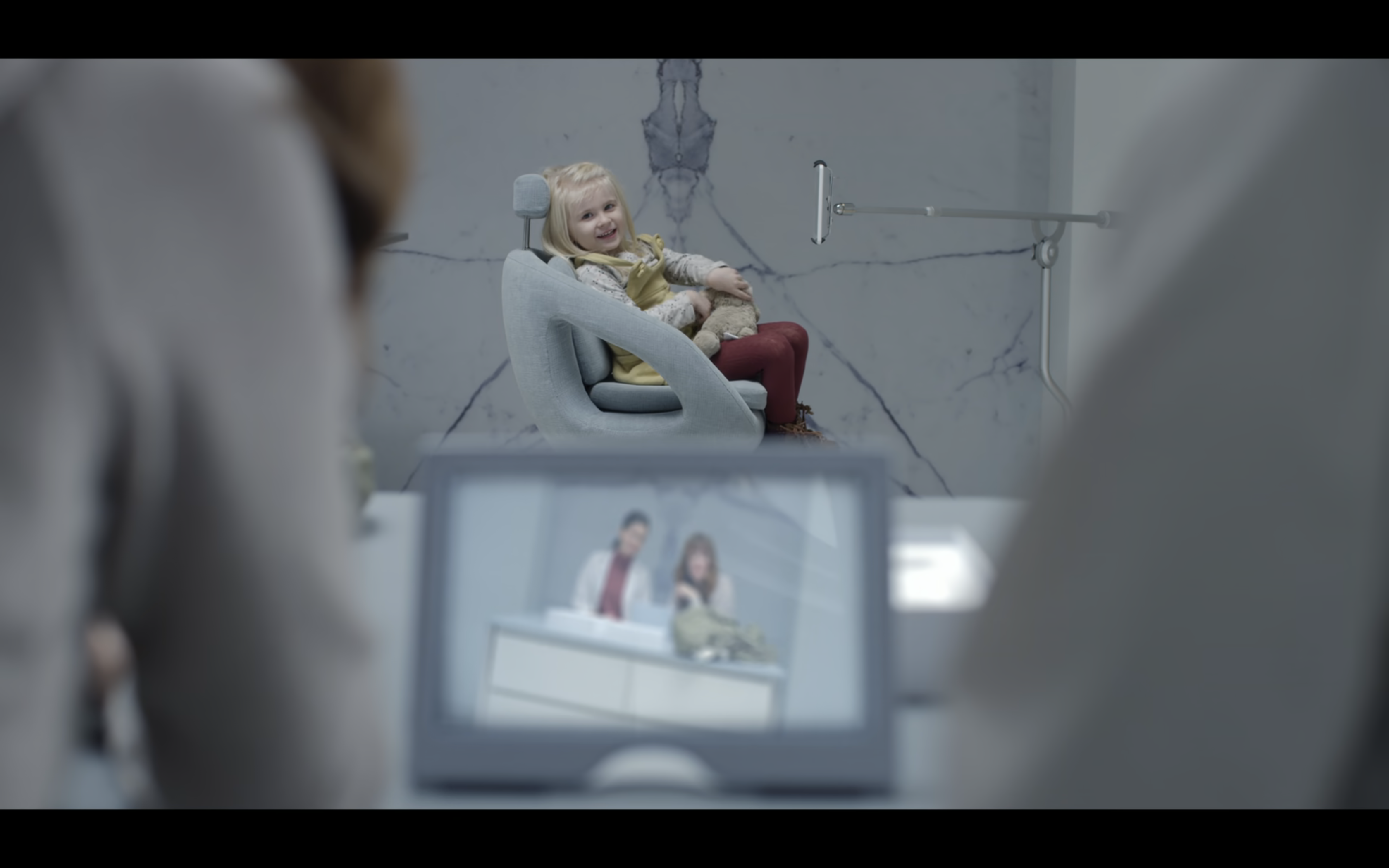
In “Arkangel”, the deep bond between Marie and her daughter Sara is established from the very beginning. After a difficult birth, Marie’s attachment is heightened by the overwhelming relief that followed. However, when young Sara goes missing for a brief but terrifying moment at a playground, her protective instincts shift into overdrive. 

Consumed by fear of losing Sara again, Marie opts to use an experimental technology called Arkangel. This implant not only tracks Sara’s location but also monitors her vital signs and allows Marie to censor what she can see or experience. Driven by the anxiety of keeping her daughter safe and healthy, Marie increasingly relies on Arkangel. But as Sara grows older, the technology starts to intrude on her natural experiences, such as witnessing a barking dog or the collapse of her grandfather.

Perhaps the products that most relate to Arkangel the most are tracking apps like Life360, which have become popular, providing parents with real-time location data on their kids. However, in 2021, teens protested the app’s overuse, arguing it promoted an unhealthy culture of mistrust and surveillance, leading to tension between parents and children. In a number of cases, the parents will continue using Life360 to track their kids even after they have turned 18. 

Now let’s admit it, parenting is hard — and expensive. A 2023 study by LendingTree found that the average annual cost of raising a child in the U.S. is $21,681. With all the new technology that promises to offer convenience and peace of mind, it would almost seem irresponsible not to buy a $500 product as insurance. 

The latest innovation in baby monitors includes the Cubo AI which uses artificial intelligence to provide parents with features such as real-time detection of potential hazards, including facial obstruction, crying, and dangerous sleep positions. It includes a high-definition video feed, night vision, and the ability to capture and store precious moments. 

But these smart baby monitors and security cameras have created a new portal to the external world, and therefore, new problems. In 2020, for instance, iBaby monitors were hacked. Hackers not only accessed private video streams but also saved and shared them online. In some cases, horrified parents discovered strangers watching or even speaking to their children through these monitors.

For many years, manufacturers of smart baby monitors prioritized convenience over security, allowing easy access through simple login credentials that users often don’t change. Additionally, some devices use outdated software or lack firmware updates, leaving them open to exploitation. 

As technology advances, parenting methods evolve, with a growing trend towards helicopter parenting — a style marked by close monitoring and control of children’s activities even after they pass early childhood. 

Apps like TikTok introduced Family Pairing Mode in 2021 to help parents set screen time limits, restrict inappropriate content, manage direct messages, and control the search options. 

Child censorship and content blocking tools can be effective in protecting younger children from inappropriate content, however, they can also foster resentment if overused, and no system is foolproof in filtering content. 

However, many parents are not using iPads as simply entertainment for their children, they are relying on the iPad as a babysitter. Which hinders their children from learning basic skills like patience, especially when managing something that requires focus and attention. 

A 2017 study by Common Sense Media revealed that nearly 80 percent of children now have access to an iPad or similar tablet, making it more common for kids to be consistently online. 

Bark, Qustodio, and Net Nanny are just a few apps in a growing market that offer parents control over their children’s digital activities. While these tools provide protection by monitoring texts, emails, and social media, they also allow parents to intervene. But children, like hackers, are getting more savvy as well.

A recent survey by Impero Software, which polled 2,000 secondary school students, showed that 25 percent of them admitted to watching harmful or violent content online during class, with 17 percent using school-issued devices to do so. Additionally, 13 percent of students reported accessing explicit content, such as pornography, while 10 percent used gambling sites—all while in the classroom.

Parental involvement, communication, and gradual freedom are crucial for ensuring these new technologies work as intended. However, we’ve seen from real-world events and this episode, how overreliance on technology like Arkangel, driven by a maternal fear of losing control, can become problematic. This natural impulse to protect a child hasn’t kept pace with the power such technology grants, ultimately overlooking the child’s need for emotional trust and autonomy, not just physical safety.

Sex — and Discovery

In Arkangel, as Sara enters adolescence, she begins a romantic relationship with her classmate, Trick. Unbeknownst to her, her mother, Marie, uses the Arkangel system to secretly monitor Sara’s intimate moments. 

The situation reaches a breaking point when Marie uncovers the shocking truth: Sara is pregnant. Overcome with maternal love and anxiety, Marie feels compelled to act by sneaking emergency contraceptive pills into Sara’s daily smoothie — the decisive move that will forever change her relationship.

This episode highlights the conflict between natural curiosity and imposed restrictions, emphasizing the risks of interfering or suppressing someone’s sexual experiences and personal choices. In today’s world, this mirrors the ongoing struggle faced by parents, educators, and regulators navigating the balance between sexual education, community support programs, and the natural discovery of personal identity.

Bristol Palin, daughter of Sarah Palin, was thrust into the spotlight at 17 when her pregnancy was announced during her mother’s 2008 vice-presidential campaign. As Sarah Palin had publicly supported abstinence-only education, Bristol’s pregnancy came across as somewhat hypocritical.

A year later, the tv-series Teen Mom premiered and stood as a stark warning about the harsh realities of teenage pregnancy. Beneath its cheery MTV-branding, the show was a depiction of sleepless nights, financial desperation, and mental health struggles. The hypocrisy of a society that glorifies motherhood but fails to support these young women is evident as innocences is ripped from their lives. This show doesn’t just reveal struggles; it exposes a broken system.

A 2022 study by the American College of Pediatricians found that nearly 54% of adolescents were exposed to pornography before age 13, shaping their early understanding of sex. With gaps in sex education, many adolescents turn to pornography to learn.

According to a report (last updated in 2023) by Guttmacher Institute, abstinence is emphasized more than contraception in sex education across the 39 US states and Washington D.C. that have mandated sex education and HIV education. While 39 states require teaching abstinence, with 29 stressing it, only 21 states mandate contraception information. 

Many argue that providing students with information about contraception, consent, and safe sex practices leads to better health outcomes. They cite lower rates of unintended pregnancies and sexually transmitted infections (STIs) in places with comprehensive programs. For example, countries like the Netherlands.

As of 2022, the U.S. had a birth rate of around 13.9 births per 1,000 teens aged 15-19, although this represents a significant decline from previous years. In contrast, the Netherlands with the lowest teen pregnancy rates globally, has just 2.7 births per 1,000 teens in the same age group. 

Yes, we can’t overlook the effectiveness of “Double Dutch,” which combines hormonal contraception with condoms. 

The provision of contraceptives, including condoms, for minors is a topic of significant debate. While some districts, such as New York City public schools, offer free condoms as part of their health service, many believe that such decisions should be left to the parents. 

However, many agree that teens who feel uncomfortable discussing contraception with their parents should still have the ability to protect themselves. A notable example is California’s “Confidential Health Information Act,” which allows minors who are under the insurance of their parents to access birth control without parental notification. 

On the other hand, critics contend that such programs may undermine parental authority and encourage sexual behavior. But such matters extend beyond teenagers. 

Globally, access to contraceptives is tied to reproductive rights, and therefore, women’s rights. In the U.S., following the Supreme Court’s 2022 decision to overturn Roe v. Wade, many states have enacted stricter abortion laws.  

In 2023, the abortion pill mifepristone faced legal challenges, with pro-life advocates seeking to restrict access to medication abortions in multiple states. 

The ongoing struggle to protect reproductive rights and the risks of sliding toward a reality where personal choices are dictated by external authorities is upon us. This episode shows us that, just as Marie’s overreach in Arkangel results in dire consequences for Sara, society must remain vigilant in safeguarding the right to choose to ensure that individuals maintain control over their own lives and bodies.

Drugs — and Consequences

Like sex and violence, this episode uses drugs as a metaphor for the broader theme of risky behavior and self-discovery, a process many teenagers go through. 

However, when Sara experiments with drugs, Marie becomes immediately aware of it through Arkangel’s tracking system.

By spying on her daughter, Marie takes away Sara’s chance to come forward on her own terms. Instead of waiting for Sara to open up when she’s ready, Marie finds out everything through surveillance. This knowledge weighs heavily on her, pushing her to intervene without considering what Sara actually needs.

But when it comes to drugs, is there really time for parents to wait? Does the urgency of substance abuse among teens demand immediate action? In a situation as life-threatening as drug use, doesn’t every second count? 

When rapper Mac Miller passed away from an accidental overdose in 2018, the shock rippled far beyond the music world. His death became a wake-up call, shining a harsh light on the silent struggles of teenage addiction. 

In 2022, a report from UCLA Health revealed that, on average, 22 teenagers between the ages of 14 and 18 died from drug overdoses each week in the U.S. This stark reality underscores a growing crisis, with the death rate for adolescents rising to 5.2 per 100,000, largely driven by fentanyl-laced counterfeit pills. 

This surge has led to calls for stronger prevention measures. Schools are expanding drug education programs to raise awareness of fentanyl in counterfeit pills, while many communities are making naloxone (Narcan), an opioid overdose reversal drug, more readily available in schools and public spaces.

The gateway drug theory argues that starting with something seemingly harmless and socially accepted, like marijuana or alcohol, may open the door to harder drugs over time. 

Teens who use e-cigarettes are more likely to start smoking traditional tobacco products, like cigarettes, cigars, or hookahs, within a short period. In a National Institute of Health study comparing ninth-grade students, 31% of those who had used e-cigarettes transitioned to combustible tobacco within the first six months, compared to only 8% of those who hadn’t used e-cigarettes. 

Developed by Chinese pharmacist Hon Lik, the first e-cigarette was patented in 2003 with the intention of aiding smokers in quitting by replicating the act of smoking while minimizing exposure to tar and other harmful substances. Yes, vaping was promoted as a safer choice, attracting a new market of non-smokers drawn in by enticing flavors.

In 2014, NJOY — a vaporizer manufacturer accused of infringing on Juul’s patents — launched a campaign with catchy slogans like “Friends Don’t Let Friends Smoke”.They strategically placed ads in bars and nightclubs, embedding vaping into social settings to help normalize the behavior, making it seem like a trendy choice.

Ten years later, this narrative has been significantly challenged, as vaping has become the most prevalent form of nicotine use among teenagers in the U.S. as of 2024.

But deep down, maybe we’re looking at drug use all wrong. Instead of just thinking about the risks, it’s worth asking why so many young people are turning to drugs in the first place. What drives them to make that choice? 

Nearly three-quarters (73%) of the 15,963 teenagers who participated in an online survey conducted by the National Addictions Vigilance Intervention and Prevention Program, about their motivations for drug and alcohol use from 2014 to 2022 reported that they used substances “to feel mellow, calm, or relaxed.” Additionally, 44% indicated they used drugs, such as marijuana, as sleep aids.

While drug use among teenagers is a growing concern, the primary challenges young people face might not be addiction, but rather anxiety, depression, and the crippling sense of hopelessness. It is possible that a parent’s overprotectiveness can sometimes misdirect focus towards the wrong problems, leading to a dangerous reliance on technology that fails to reveal the full picture.

Whether the threat is external or tied to self-exploration, this episode of Black Mirror demonstrates how parental fears can easily transform into controlling behaviors. It reflects real-life scenarios where teens, feeling trapped or misunderstood, may seek escape through drugs, sex, or even violence.

Parents, with their best intention, often believe they’re bringing home a protective shield for their children. However, instead the approach turns into a sword, cutting into their relationships and severing the bonds they’ve worked so hard to maintain. What they thought would keep them safe only deepened the divide, a poignant reminder that sometimes the tools meant to protect can backfire and be the ones that cause the most harm.

Join my YouTube community for insights on writing, the creative process, and the endurance needed to tackle big projects. Subscribe Now!

For more writing ideas and original stories, please sign up for my mailing list. You won’t receive emails from me often, but when you do, they’ll only include my proudest works.
USS Callister: Black Mirror, Can It Happen?

Before we talk about the events in USS Callister, let’s flashback to when this episode was first released: December 29, 2017

In March 2017, Nintendo shook up the gaming industry with the release of the Nintendo Switch, a hybrid console that could be used both as a handheld and a home system. Its flexibility and the massive popularity of games like The Legend of Zelda: Breath of the Wild catapulted it to success with over 2.74 million units sold in the first month. 

The same year, Nintendo also released the Super NES Classic, a mini version of their 90s console that left fans scrambling due to shortages.

In the realm of augmented and virtual reality, 2017 also marked important strides. Niantic introduced stricter anti-cheating measures in Pokémon GO, while Oculus revealed the Oculus Go—a more affordable, standalone VR headset designed to bring immersive experiences to more people. Games like Lone Echo pushed the limits of VR, showcasing futuristic gameplay with its zero-gravity world.

However, in the real world, there were significant conversations about the risks of excessive gaming, particularly in China, where new regulations were put in place to limit minors’ time and spending on online games. These shifts in culture raised awareness around the addictive potential of immersive digital environments.

No it was not all fun and games — in fact, there was a lot of work as well. The year was also defined by controversies in the workplace. In October 2017, the Harvey Weinstein scandal broke, igniting the #MeToo movement and leading to widespread discussions about abuse of power, harassment, and accountability. 

Uber was rocked by similar revelations earlier in the year, with a blog post by former engineer Susan Fowler shedding light on a toxic work environment, which ultimately led to the resignation of CEO Travis Kalanick. 

Google wasn’t exempt from these cultural reckonings either, with the firing of software engineer James Damore after his controversial memo questioning the company’s diversity efforts went viral. 

In his memo titled “Google’s Ideological Echo Chamber,” Damore argues that the underrepresentation of women in tech isn’t simply due to discrimination but is also influenced by biological differences between male and female. He further claims that Google should do more to foster an environment where conservative viewpoints, like his, can be freely expressed.

And that brings us to this episode of Black Mirror. Episode 1, Season 4 — USS Callister. This episode combines the excitement of virtual reality with a chilling exploration of power, control, and escapism. 

Much like the controversies of 2017, it asks hard questions: How do we balance the benefits of technology with the ethical implications of its use? What happens when someone with unchecked power has control to live out their darkest fantasies? And finally, how do we confront the consequences of our gradual immersion in digital worlds? 

In this video, we’ll explore three key themes from USS Callister and examine whether similar events have happened—and if they haven’t, whether or not they are still plausible. Let’s go! 

Toxic Workplace

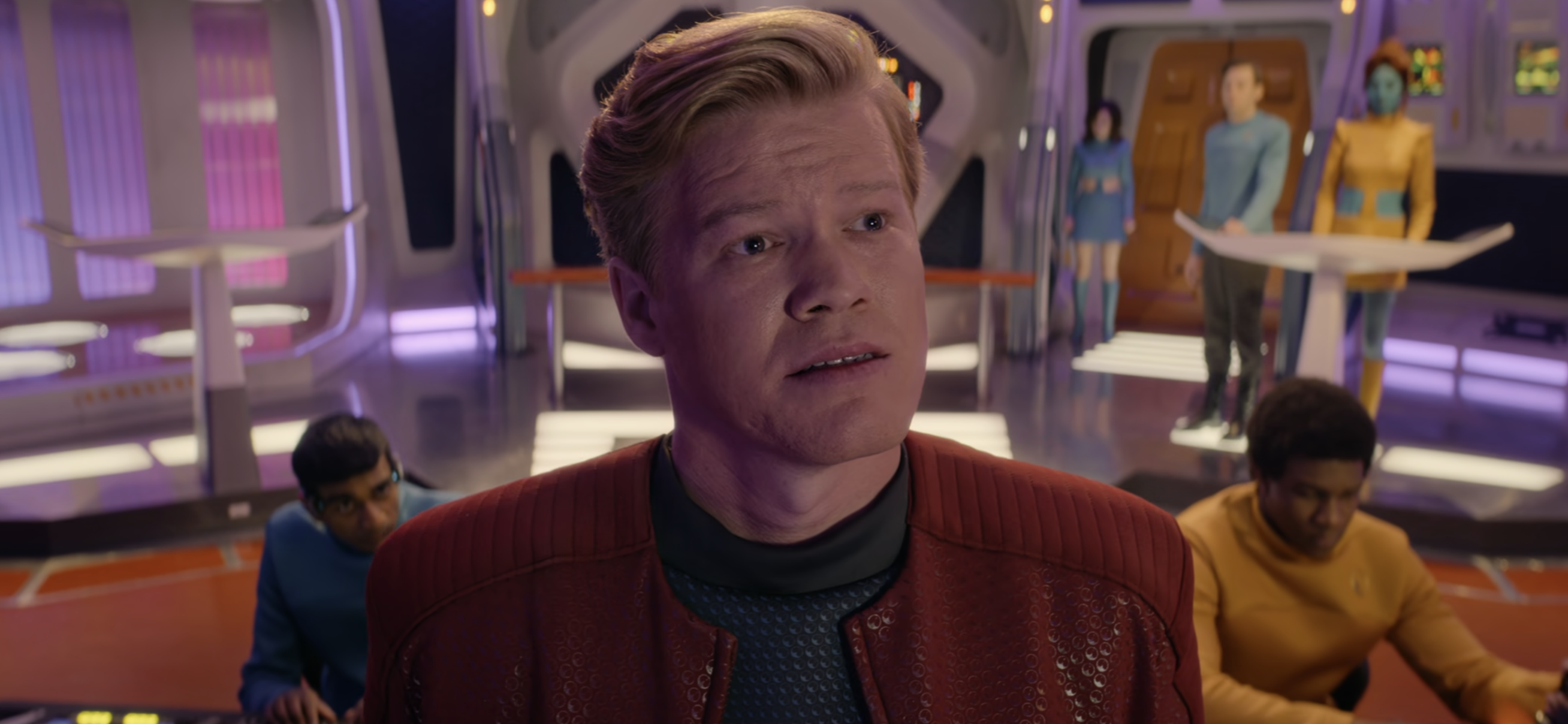
In this episode, we follow Robert Daly, a co-founder and CTO of a successful tech company, Callister. Despite his critical role in the company, Daly is overshadowed by his partner, James Walton, the CEO. Daly’s lack of leadership skills is evident, creating a strained work environment where he is seen as ineffective.

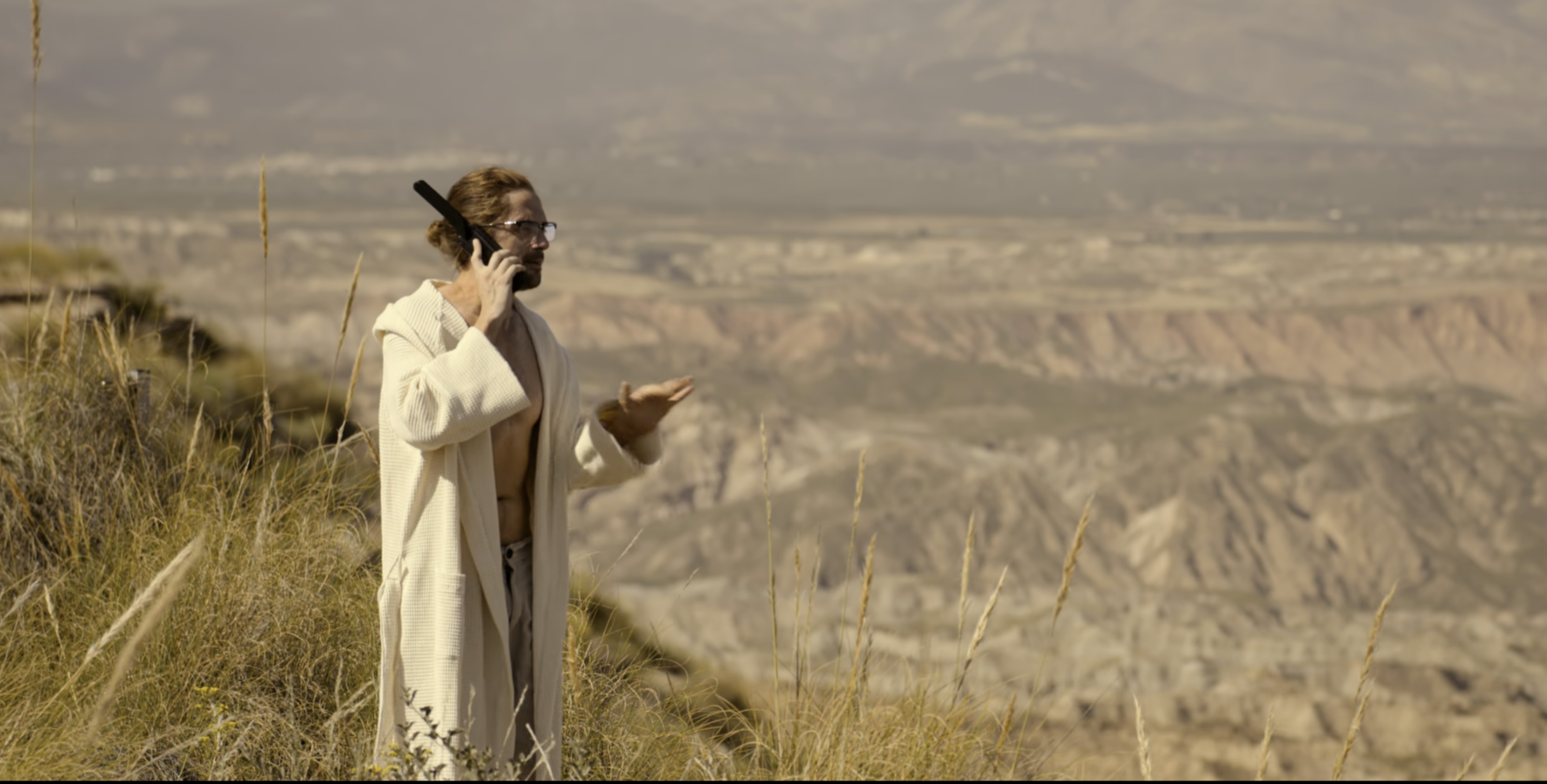
However, in the modified version of the immersive starship game Infinity — a game developed by Callister — Daly lives out his darkest fantasy by assuming the role of a tyrannical captain in a replica of his favorite show, Space Fleet. Here, he wields absolute control over the digital avatars of his employees, who are trapped in the game and forced to obey his every command. This exaggerated portrayal of Daly’s need for power not only reflects his real-world impediments but also highlights his troubling intentions, such as his coercive demands and manipulative actions toward his employees.

USS Callister explores themes of resistance and empowerment as the avatars begin to recognize their situation and challenge Daly’s authority. Their collective struggle to escape the virtual prison serves as a powerful metaphor that underscores the broader issue of navigating workplaces with domineering and unsympathetic employers.

When Elon Musk took over Twitter (now rebranded as X) in October 2022, his management style quickly drew criticism for its harshness and lack of consideration for employees. Musk implemented mass layoffs, cutting about half of the company’s workforce abruptly. By April 2023, Musk confirmed he had fired roughly 80%.

He also implemented a demanding work culture, requiring employees to submit one-page summaries outlining their contributions to the company in order to retain their jobs. This expectation, coupled with long hours and weekend shifts under intense pressure, reflected a disregard for work-life balance and contributed to a high-stress environment.

The rapid and drastic changes under Musk’s tenure not only led to legal and operational challenges but as of January 2024, Fidelity reports that X has seen a 71% decline in value since Elon Musk acquired the company.

In 2020, former staff members accused Ellen DeGeneres and her management team of creating a workplace culture marked by bullying, harassment, and unfair treatment—contradicting her public persona of kindness. Following the backlash and tarnished reputation, Ellen ended her 19 season run and aired her final episode on May 26, 2022 with guests, Jennifer Aniston, Billie Eillish, and Pink.

In November 2017, Matt Lauer, a longtime host of NBC’s “Today” show, was fired after accusations of sexual harassment surfaced. Following his termination, more allegations emerged from female colleagues, revealing a pattern of misconduct. Perhaps the most damning detail was Lauer’s use of a secret button to lock his office door — from the outside—to keep other employees from walking in. 

As harassment in the physical world continues to receive widespread attention, it has also found new avenues in digital spaces. 

According to an ANROWS (Australia’s National Research Organisation for Women’s Safety) report from 2017, workplace harassment increasingly moved online, with one in seven people using tech platforms to harass their colleagues. Harassment via work emails, social media, and messaging platforms became a rising issue, showing the darker side of digital communication in professional environments.

In the same year, concerns about workplace surveillance and management practices emerged, particularly at tech companies. 

Amazon was a prime example of invasive productivity tracking, where employees’ movements and actions were constantly monitored. If their performance drops below their expected productivity rate, they risk being fired.

These challenges extended to remote work, where platforms like Slack encouraged a culture of constant availability, even after hours. 

The rise of automated tools, like HireVue’s AI-powered hiring platform and IBM’s AI-driven performance reviews, raised concerns about bias, unfair evaluations, and the lack of human empathy in the hiring and management processes.

These developments highlight broader trends in workplace dynamics, where toxic environments and power imbalances are increasingly magnified by the misuse of technology. This theme is echoed in USS Callister, where personal grievances and unchecked authority in a digital world allow one man to dominate and manipulate his employees within a disturbing virtual playground. The episode serves as a cautionary tale, illustrating how the abuse of power in both real and digital realms can lead to harmful consequences.

Stolen Identity

In USS Callister, Robert Daly’s method of replicating his colleagues’ identities in Infinity involves a disturbing form of theft. Daly uses biometric and genetic material to create digital clones of his coworkers. Specifically, he collects DNA samples from personal items, such as a lollipop discarded by a young boy and a coffee cup used by his colleague, Nannette Cole.

Daly’s access to advanced technology enables him to analyze these DNA samples and extract the personal information necessary to recreate his victims’ digital identities. These avatars, based on the DNA he collected, are trapped within the game, where Daly subjects them to his authoritarian whims.

The use of DNA in this context underscores a profound invasion of privacy and autonomy, turning personal genetic material into tools for exploitation.

Digitizing DNA involves converting genetic sequences into digital formats for storage, analysis, and interpretation. This process begins with sequencing the DNA to determine the order of nucleotides, then converting the sequence into binary code or other digital representations. The data is stored in databases and analyzed using advanced software tools. 

These technologies enable personalized medicine, genetic research, and ancestry analysis, advancing our understanding of genetics and its applications. Key players in this field include companies like Illumina and Thermo Fisher Scientific, as well as consumer services like 23andMe and Ancestry.com

As more of our genetic data is stored in databases, our personal information becomes increasingly vulnerable. Hackers, scammers, and malicious actors are constantly seeking new ways to exploit data for profit. 

One example is the 2020 Twitter hack, which saw the accounts of major public figures like Elon Musk and Joe Biden hijacked to promote a cryptocurrency scam. The breach not only caused financial losses for unsuspecting followers but also raised alarms about the security of our most-used platforms. 

In 2022, a phishing attack targeted Microsoft Office 365, employing a tactic known as consent phishing to exploit vulnerabilities in multi-factor authentication. In some cases, the attackers impersonated the US Department of Labor and tricked users into granting access to malicious applications and exposing sensitive data such as emails and files. 

In 2024, a BBC investigation revealed an almost 60% increase in romance scams, where individuals used fake identities to form online relationships before soliciting money under false pretenses. 

Similarly, there has also been a rise in sextortion scams targeting college students, where scammers manipulated their victims into compromising situations and demanded ransoms, threatening to release the sensitive material if they didn’t comply.

Jordan DeMay, a 17-year-old high school student from Michigan, died by suicide in March 2022 after being targeted in a sextortion scam that can be traced to two Nigerian brothers, Samuel and Samson Ogoshi, who were later arrested and extradited to the U.S. on charges of conspiracy and exploitation. 

These instances of identity exploitation mirror another concerning trend: the misuse of genetic data. In 2019, GEDmatch—the database that helped catch the Golden State Killer—experienced a breach that exposed genetic data from approximately one million users who had opted out of law enforcement access. The breach allowed law enforcement to temporarily access private profiles without consent, raising significant privacy concerns about the security of sensitive personal data.

Some insurance companies — specifically those in Canada—  have been criticized for misusing genetic data to raise premiums or deny coverage, especially in areas like life or disability insurance. This highlights the importance of understanding your policy and legal rights, as insurance companies are not always complying to new regulations such as the Genetic Nondiscrimination Act (GNDA).

All this illustrates the terrifying possibilities shown in USS Callister, that our most intimate data — our identity — could be used against us in ways we never imagined. Whether through hacked social media accounts, phishing scams, or stolen genetic data, the digital age has given rise to new forms of manipulation.

Stuck in a Game

In USS Callister, the very avatars Daly dominates ended up outwitting him in a thrilling turn of events. Led by Nanette Cole, the trapped digital crew formulates a bold plan to break free. While Daly is preoccupied, the crew triggers an escape through a hidden wormhole in the game’s code that forces an upgrade. They outmaneuver Daly by transferring themselves to a public version of the game and locking him out for good. As the avatars seize their freedom, Daly, once the ruler of his universe, is left trapped in isolation — doomed.

For anyone who has ever been drawn into the world of video games, “trapped” feels like a fitting description.

Some games, such as Minecraft or massively multiplayer online games (MMOs), have an open-ended structure that allows for infinite play. Without a defined ending, players can easily become absorbed in the game for hours at a time.

Games also tap into social connectivity. Multiplayer games like Fortnite and World of Warcraft foster relationships, forming tight-knit communities where players bond over shared experiences. Much like social media, this sense of connection can make it more difficult to disengage, as players feel a part of something bigger than themselves.

In both USS Callister and real-world video games, a sense of progression and achievement is built into the experience. Daly manipulates his world to ensure a constant sense of control and success that fails to replicate real life, where milestones and mastery can take weeks, months, and years. 

Video games are highly effective at captivating players through well-designed reward systems, which often rely on the brain’s natural release of dopamine. This neurotransmitter, associated with pleasure and motivation, plays a key role in the cycle of gratification. This behavioral reinforcement is seen in other addictive activities, such as gambling.

Game developers employ a multitude of psychological techniques to keep players hooked — trapped. 

The World Health Organization’s (WHO) recognition of “gaming disorder” in 2022 underscores the growing concern surrounding video game addiction. Lawsuits against major gaming companies like Call of Duty, Fortnite, and Roblox have shown serious efforts to hold companies accountable for employing addictive algorithms similar to those found in casinos.

Real-world tragedies have also shed light on the dangers of excessive gaming. In Thailand, for instance, 17-year old Piyawat Harikun died following an all-night gaming marathon in 2019, sparking debates over the need for better safeguards to protect young gamers. Cases like this hammer home the need for stronger regulations around how long players, especially minors, are allowed to engage in these immersive experiences.

The financial aspects of gaming, such as esports, has created incentives for players to commit to their addiction as a vocation. Players who make money through competitive gaming or virtual economies may find themselves stuck in cycles of excessive play to maintain or increase their earnings. 

This phenomenon is evident in high-profile cases like Kyle “Bugha” Giersdorf, who won $3 million in the Fortnite World Cup, or Anshe Chung, aka the Rockefeller of Second Life, a virtual real estate mogul. 

Then there is the rise of blockchain-based games like Axie Infinity, a colorful game powered by Ethereum-based cryptocurrencies, which introduces financial speculation into the gaming world. These play-to-earn models push players to engage excessively in the hopes of earning monetary rewards. However, they also expose players to significant financial risks, as in-game currency values fluctuate unpredictably, often leading to a sunk-cost fallacy where players feel compelled to continue investing despite diminishing returns.

This episode reminds us that we can often find ourselves imprisoned by our work. Yet, the cost of escapism can be high. While technology may seem to open doors to new worlds, what appears to be an endless realm of freedom can, in reality, be a staircase leading to an inevitable free-fall. USS Callister highlights the abyss that technology can create and the drain it has on our most valuable resource — time. This episode serves as a warning: before we log in at the behest of those in power, we should remember that what happens in the virtual world will ultimately ripple out into the real one.

Join my YouTube community for insights on writing, the creative process, and the endurance needed to tackle big projects. Subscribe Now!

For more writing ideas and original stories, please sign up for my mailing list. You won’t receive emails from me often, but when you do, they’ll only include my proudest works.
Why “Lemon of Troy” Is The Best Episode of The Simpsons

Lemon of Troy, episode 24 of season 6 of The Simpsons, written by Brent Forrester is a masterpiece in storytelling, joke delivery, and cultural criticism. While it’s debatable which episode of The Simpsons is the best — you can leave your pick in the comments — I would say that Lemon of Troy would have to be in consideration just for its writing alone. 

As a writer, I look to this episode often when I consider how I introduce conflict and establish the structure of a story. This episode is loaded with literary devices and while it still follows the traditional 3-act structure, it is so concise, and the jokes are so economical and funny, that it should be shown to anyone who aspires to write a story of any length. 

While I’m passionate about this episode, I often have a hard time communicating everything I love about it. There is just so much! I get overwhelmed and I trip myself up. This episode links so perfectly that one thing I like immediately connects to another. So I decided to make it easier for all of us and break it down to 10 aspects that make this episode great — and it’s also something writers can acknowledge and perhaps even gain some inspiration from. 

Okay, so 10 things that make Lemon of Troy the best episode of The Simpsons: 

1) The MacGuffin: Lemon Tree 

Let’s start by talking about the MacGuffin. Is it a Scottish person? No, well — it could be — but not really. A MacGuffin — a term coined by Alfred Hitchcock —  is often an object, device, or event that acts as the motivation for the characters but is typically simplistic in and of itself. For example, The Maltese Falcon, the suitcase from Pulp Fiction, or the jade sword from Crouching Tiger, Hidden Dragon, are all MacGuffins. 

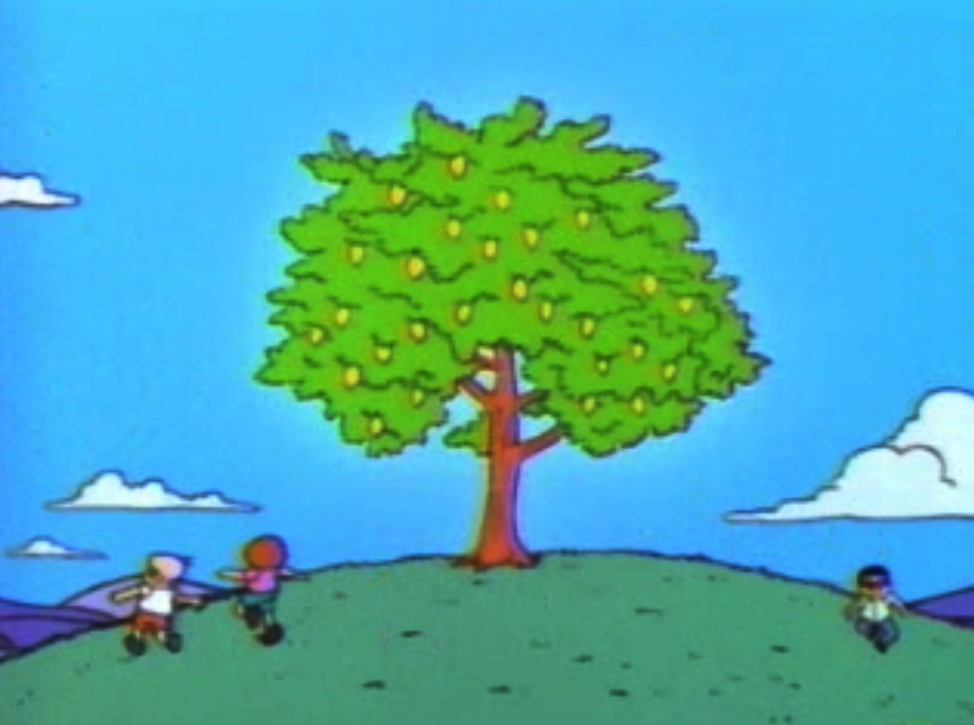
The lemon tree itself has no significance, it’s not magical or anything, but it is the importance that the people of Springfield puts on it that gives the story stakes when it is stolen by Shelbyville. 

2) The Catalyst: Marge’s Speech

While the lemon tree is important, what actually slingshots the story forward is Marge’s passionate speech about being proud of Springfield.

“This town is a part of who you are. This is a Springfield Isotopes cap.  When you wear it, you’re wearing Springfield.  When you eat a fish from our river, you’re eating Springfield.  When you make lemonade from  our tree, you’re drinking Springfield.

A catalyst, or an inciting incident, can sometimes be a major event, but sometimes it’s as simple as a character being influenced to evoke change. Without this speech, Bart wouldn’t have the desire to protect the lemon tree. He wouldn’t have pride that sustains itself for the full duration of the episode. Thinking about it as a chemical reaction, Marge had mixed her ideology with Bart’s spontaneity, which in less that a few minutes of screentime, we already get. All we need now… is something bad to happen to the lemon tree. 

3) The Perfect 3-Act Structure

Writing a three-act structure story sounds easy to anyone who’d never tried it, but it can actually get messy. Certain events need to happen at certain times and — in this case, if we are talking about a televised sitcom — we need to do it all in approximately 22 pages. But Lemon of Troy does it so effectively that if you ever get assigned with a task to write a three-act television show, you can literally use this episode as a template. 

Act One: The Lemon Tree

In the first act, we get to know all the characters involved and most importantly, we understand the significance of the lemon tree. It’s not only a metaphor about what life gives you, we also know what it represents to the protagonist, Bart. With that, we are also introduced to the antagonists, the kids of Shelbyville. We know who the heroes are and who the enemies are. The stage is set. 

Act Two: Entering Shelbyville

Here is where it gets exciting, as the characters cross the threshold, or as Bart intrepidly announces: 

“And now, the time has come to cross this line into mystery and danger — to step out of childhood and become men.”

It’s the progression of danger that makes the second act so effective. The deeper and deeper Bart and his crew get into Shelbyville, and closer they get to the Shelbyville kids, the more risky the venture becomes, until eventually it turns into a mission not to find the lemon tree, but just to merely survive. 

Act Three: Escaping Shelbyville

To conclude the third act and wrap up the story in a satisfying way is not an easy trick to land. But what Lemon of Troy does — that makes it so great — is capture moments that tied back to earlier in the episode: from the Roman Numerals joke to the Milhouses finding common ground to the RV gags that don’t disappoint to the cheeky line by Homer “Hee hee hee, no one in history has ever done anything this clever,” a line that makes the title “Lemon of Troy” just another joke in an already multi-layered episode. 

Not only does the third act conclude with Bart and Homer “saving” the lemon tree, it ends with the lore of what the episode was — another nod to the legacy of how stories and misinformation passes through time, and instead of wrapping it up completely, it opens the discussion to what will happen between Springfield and Shelbyville in the future as the next generation matures. 

4) Genre: Capers/Heist

Familiarity and originality. When a story can give us a good balance of both then it becomes a novel experience for the audience while still being approachable, and Lemon of Troy does this by grounding the story in a specific genre which is the capers/heist genre. 

I often think of this genre as The Reservoir Dogs or Ocean’s 11 genre, because there is this ragtag crew where each member with their own unique set of skills — “I’m the leader, Milhouse is my loyal sidekick, Nelson’s the tough guy, Martin’s the smart guy, and Todd’s the quiet religious guy who ends up going crazy.” — will trespass, break in, infiltrate, and eventually steal (what is often money) but in this case the lemon tree.

5) Types of Jokes:

When you watch other sitcoms on television — I won’t name any names —, or even later seasons of this one, you’ll often find that the writers would get lazy and reuse the same joke styles and structures in the same episode. For smart audiences, this can get repetitive and predictable, and result in fewer lols. 

Lemon of Troy, in just over 20 minutes, delivers such a wide range of jokes that even after all these years, having seen this episode so many times, the humour still remains fresh. The variety in what the set ups are, which characters are delivering the jokes, diversity of what the joke is referencing, and when the punchline actually hits in the story keeps the pacing and the energy of the episode going the way a song with a really good beat does, where you can play it back and it just doesn’t get old. 

It wasn’t easy categorizing the jokes or even qualifying what a joke was, and in respect for your time and for fear of potentially ruining the jokes, I’ll just highlight a few that I think are notable. 

  • Instant Payoffs:  
    • A part of us all… repeating in Bart’s head immediately after the speech. 
  • Call Backs: 
    • Roman numerals 
    • Flying motor cycle
  • Recurring Jokes: 
    • Milhouse thinking he’s being copied
    • Shelbyville citizens finding their cousins attractive
  • Sight Gags and Audible Gags: 
    • The lemon shaped rock
    • Homer cooking multiple turkeys and showering in the RV
    • Milhouse’s camo outfit
    • The fire hydrant is yellow. 
  • Pop Culture and Historical References: 
    • Rocky Movies
    • Trojan Horse
  • Irony: 
    • Lisa being sarcastic when explaining to Marge where Bart is, and she believing every word. 
  • Madcap: 
    • All this talking had made me hungry. 
    • Shake harder boy

If you are writing comedy, take this lesson from Lemon of Troy, don’t just keep throwing right hooks, you gotta jab, you gotta throw some kicks, you gotta have some headlocks, that way, when you get to the punchline it won’t be predictable because anything prior could’ve been a setup. 

6) Character Arcs: Bart/Milhouse 

It’s hard to believe that there are any character arcs in this jam-packed episode, but two characters actually go on a profound journey. 

Bart goes through a somewhat conventional hero’s journey. He gets a call to adventure from his mother, he crosses the threshold into Shelbyville, he encounters challenges (friends, allies, and temptations) along the way, faces tremendous turmoil and defeat, but refuses to quit — and in the end, returns to Springfeild not only as a proud member of the town, as his mother had wanted, but as a hero. 

Milhouse, insecure and lacking a sense of self, is the deuteragonist, a confidant to the protagonist, but with a different character arc. Milhouse’s character arc is more personal. He is self conscious when he sees the Shelbyville kid copying the way he’s holding his backpack or when he says “Radical”, it becomes this possessive thing he struggles with for the whole episode.

We get some back story for why Milhouse may react this way and it’s perhaps his parents — his mother actually being from Shelbyville — that cause some self-hate that lingers inside of him and it comes to the surface when he sees the Shelbyville kid doing what he’s doing. What annoys us the most are often the same things we do that are done by others. For example, if we commonly forget people’s names, what might annoy us most is when other people forget our names. Yet, in the end, Milhouse and the Shelbyville Milhouse find common ground; they can open up and be vulnerable for the first time. 

Bart and Milhouse went on the same journey but went through two different changes to their characters. 

7) Character Relationships: Martin and Nelson

Perhaps my favorite aspect of this entire episode is none other than the relationship between Martin and Nelson. These two when partnered together act as a contrasting comedic pair, Martin playing the stooge and Nelson the straight man. From “Team Discover Channel” “Your wussiness better come in handy” to “Spring forth burly protector and save me”, their chemistry is so delightful that it simply adds another flavour to the already diverse combinations of jokes. 

8) Antagonists: Shelbyville 

Every good story could use a good antagonist that is both despicable and empathetic. The Shelbyville kids are clearly bullies and we have no problems cheering against them, but it’s their lack of better judgement, wasting their energy stealing a lemon tree with little but bragging rights to gain, we understand that they live in a community that is suffering as much as Milhouse is emotionally. 

They live in a taboo place, after all, where it’s cool to marry your cousins. As messed up as that is, you kind of feel bad for them, because these kids didn’t choose to live there. They were just born there, it was the luck of the draw, the lemons they were given. The Simpsons could have as easily been living in Shelbyville. And because of that — and their taboo culture — no wonder they feel so insecure. But even with all that empathy, at the end, we can’t help laughing as they shook their fist harder to no avail. 

9) B-Story: The Parents: 

In some episodes of The Simpsons, the A story and B story are completely different, but in Lemon of Troy, they aren’t. The A story is the kids entering Shelbyville to find the lemon tree and the B story is the parents going after them. Only when the parents find the kids do their storylines converge, which is what a good A and B story should do, it should link together in the end in a cohesive way. 

While the B story isn’t a particularly significant aspect of the episode, it is that restraint that is worth commending because the danger of writing a B story so similar to the A story is that the B story can easily become the A story. 

Whenever we focus on the parents in this episode, it never overshadows what Bart and the kids are doing, it only increases the stakes and supplies some backstory. It’s not repetitive even when Homer, like his son, takes initiative by volunteering Flander’s RV. When you need to jump between characters from A story to B story, you don’t need to think of them as different tracks, but instead as an expansion of the A story, supplying the details necessary for the characters to eventually connect in the third act. 

10) Theme: Tribalism and how history can be misinterpreted

Lastly, Lemon of Troy is a brilliant observation of societal behaviour between neighbouring communities and how tribalism can both unite and divide us. This episode addresses how natural resources, historical events, and cultural rituals can create animosity that drives two groups to engage aggressively to one another. 

Tribal wars have existed since the beginning of human history and Springfield and Shelbyville are no exemptions. But what this episode highlights is how pride can turn into radicalism and how the two sides — regardless of the facts — can tell their own separate stories, casting themselves in a better light, both manipulating their youth and continuing a tradition of disdain. This type of behaviour is of course still happening today, whether it’s neighbouring countries or roommates in a two-bedroom apartment. 

There are many things that make Lemon of Troy great, but it’s the theme that seals it for me, because it reminds us of the importance to respect those around us and to acknowledge what’s causing the negative emotions to rise to the surface. Are we like Marge simply encouraging town pride to prevent our children from vandalizing? Or are we telling our children stories of glory that didn’t happen to harbour a sense of superiority? 

If you think Lemon of Troy is the best episode of The Simpsons let me know, it’ll be nice to know that other people out there feel the same way, but if you have another favorite, please let me know as well!

For more writing and editing inspiration and stories, please consider signing up for my mailing list. You won’t receive emails from me often, but when you do, it’ll include only works that I’m most proud of.