Shut Up and Dance: Black Mirror, Can It Happen?

Before we discuss Shut Up and Dance, let’s take a look back to when this episode was first released: October 21, 2016. 

In 2016, commercial drones experienced a significant surge in popularity, with companies like DJI dominating the market. According to Gartner, the industry for commercial drones was valued at $2.8 billion.

Beyond their application as flying cameras, commercial drones brought to light various privacy concerns and raised questions about the delicate balance between safety, surveillance, and the protection of human rights.

Apart from law enforcement and government agencies, tech companies were also closely monitoring us. In 2016, Google made a change to its privacy agreement, allowing it to link users’ search history with personal information, including their names. Consequently, advertisers gained the ability to target individuals directly by their names. When questioned, a Google spokesperson explained that it was aligned with the way people use smartphones and how ads are viewed across multiple devices.

In late 2015, following the tragic San Bernardino shooting where 14 people lost their lives, the FBI obtained an iPhone but was unable to access the data due to the encrypted lock screen. Confronted with an unprecedented dilemma, Apple made a significant decision: it chose not to yield to the government’s demand to create a backdoor, primarily because of the potential security risks it could pose in the future.

During this time, it seems like everyone wants a piece of our information rather to sell us stuff, protect us, or scam us. 224,000 ransomware attacks in Australia were detected between April and May 2016 alone. These types of attacks require little technical skills and allow hackers to access the victims’ computers, much like how Shut Up and Dance’s protagonist, Kenny’s computer was hacked. 

2016 was a year before Playboy founder, Hugh Hefner’s death and the rise of the Me Too movement. Society was still grappling with the issue of protecting misogynistic individuals and their right to perpetuate toxic behavior.

This was starkly evident in the infamous 2005 hot mic incident involving Donald Trump during an Access Hollywood segment with Billy Bush. In that incident, Trump openly professed that he could do whatever he wanted with women, even going as far as making inappropriate comments about “grabbing them.” Despite this scandalous revelation, Trump’s actions did not prevent him from ultimately becoming the 45th President of the United States.

However, there was a shift in societal attitudes, both in the digital and physical realms. 

In 2016, the world began to redefine its understanding of what is considered right and wrong. An example of this change was seen with the South Korean website Sora.net, which published spy-cam porn. After some victims depicted in the videos tragically took their own lives, there was a significant campaign against the website, resulting in its official ban.

During the trial of Brock Turner, a Stanford student convicted of sexually assaulting a woman, his father stepped forward to defend him. He minimized his son’s actions, referring to the charges as a “steep price to pay for 20 minutes of action…” and attempted to portray his son as depressed. The public was appalled by this defense and united to make it clear that Turner and his father could not be seen as victims in this situation. 

In April 2016, a California woman filed a lawsuit against Jeffery Epstein and Donald Trump, alleging that the two billionaires assaulted her at a series of parties in 1994 when she was just 13 years old. Notably, it would take three more years before Epstein was finally arrested for his involvement in trafficking minors.

Let’s not forget about Jared Fogle, the disgraced Subway spokesperson. We all know what he did. He was arrested in July 2015.

Indeed, the mid-2010s was a troubling period marked by various forms of exploitation and ambiguity. The legal system, in an effort to catch a new breed of criminals, seemed to be navigating uncertain territory, blurring the lines of ethics. Naturally, those who had made a habit of crossing the line were finally getting caught. And that is what brings us to this episode of Black Mirror, episode 3 of season 3: Shut Up and Dance. 

In this video, I will explore three key themes from the episode and analyze whether similar events or concepts have occurred in recent years. Furthermore, I will assess whether these scenarios remain plausible in the present day.

Take a deep breath. This one is going to be a doozy. 
Deviant People and Infected Machines

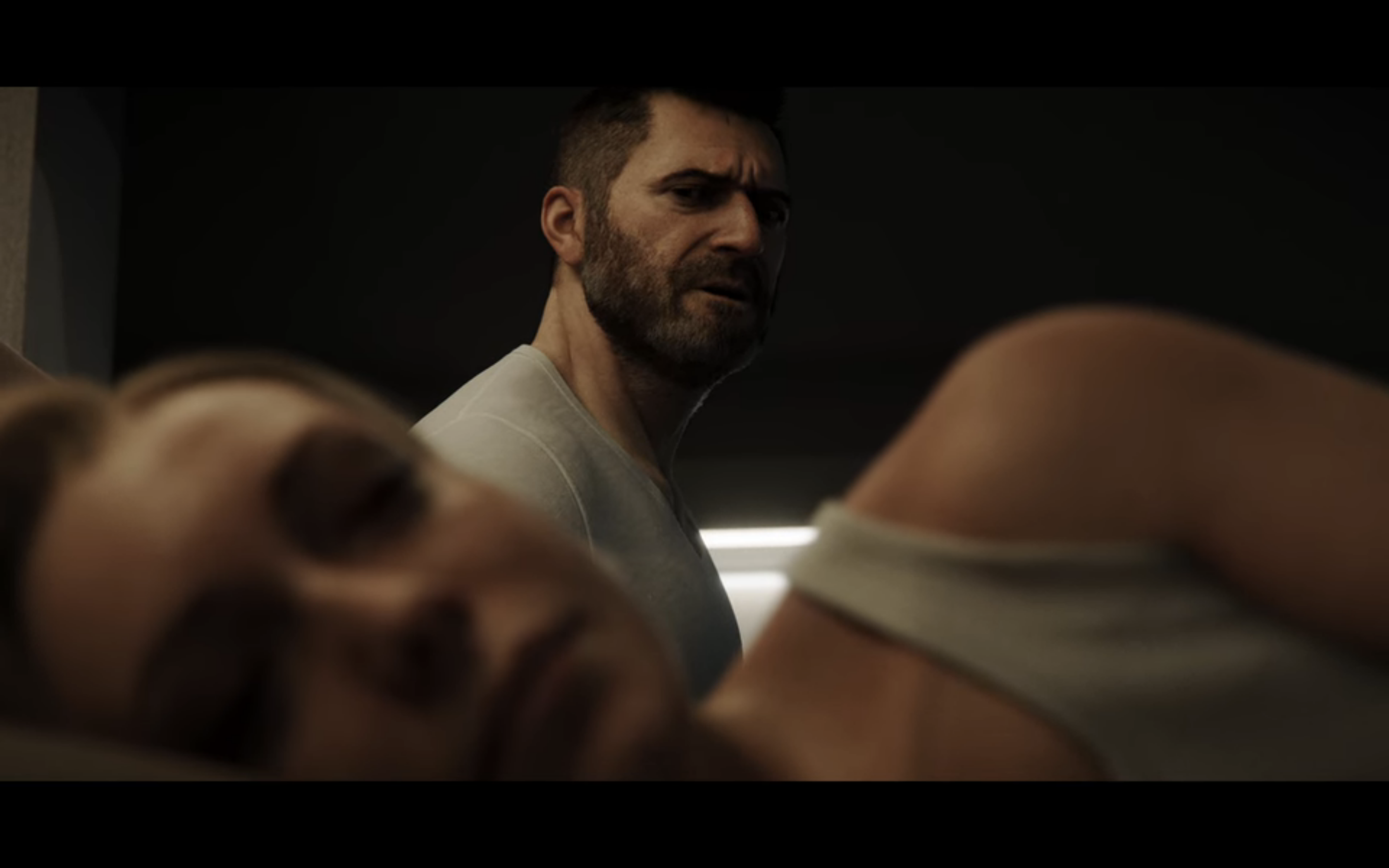
The story centers around Kenny, a regular teenager who works at a restaurant and comes across as a kind individual. However, things take a turn when his sister borrows his computer to download videos, inadvertently installing malware. This event reveals that there’s more to Kenny than his affable exterior suggests.

Malware, or malicious software, has evolved alongside computers since the 1970s. The initial case was “The Creeper,” an experimental program that infected the TENEX operating system, showing the message “I’m the creeper, catch me if you can!” Though not directly harmful, it could replicate and spread. In response, the first antivirus program, “The Reaper,” was created to eliminate and halt its wider dissemination.

Over time, malware has grown in complexity and variety due to computer networks, the internet, and modern operating systems. According to a report by Symantec Corp., from 2016 to 2017, malware variants doubled with 669,947,865 different variants. Today, it includes viruses, worms, Trojans, ransomware, spyware, and more. 

Spotting computer viruses, like uncovering frauds and scams, remains a perpetual cat-and-mouse pursuit. Just as one deceptive approach is terminated, a fresh one arises.

Tech Support Scams are a prime example. Here, impostors pretend to be tech support from respected firms via unexpected calls or deceptive computer ads. They allege device problems, coaxing victims into granting remote access or paying for needless services.

GPS trackers have become a widespread tool. In 2021, Apple introduced the Airtag, initially designed as a key or luggage finder that owners can track if they lose or become separated from their belongings. However, there have been several incidents of Airtags being planted on individuals and misused as stalking devices.

In today’s world, there is a constant fear of harmful individuals gaining access to our sensitive data. Victims find themselves compelled to comply with the scammers’ demands to prevent their private information from being exposed. Typically, scammers engage in such illegal activities for financial gain. 

However, in the story of Shut Up and Dance, we witness a unique twist where the victims are unwittingly drawn into a wild goose chase, only to discover later that the virus and scams were orchestrated as a form of retribution, revealing that the victims themselves had engaged in wrongful doings.

We are quick to judge people, particularly their online behavior. Criticizing others on the internet has become commonplace, and with the emergence of cancel culture and doxing, nobody is immune to having their privacy exposed to the world. Unfortunately, the impact on the individual is often overlooked.

In 2015, a tragic incident occurred when 13-year-old Izabel Laxamana committed suicide after her father—as punishment— publically shamed her by cutting off her hair on video and sharing it on YouTube. Evidence of private events left in reckless hands becomes a potent weapon. A father using social media to punish his daughter had more force than he knew. Nearly a decade later, we are only starting to recognize the cost of public shaming and more importantly the difference between discipline and punishment. 

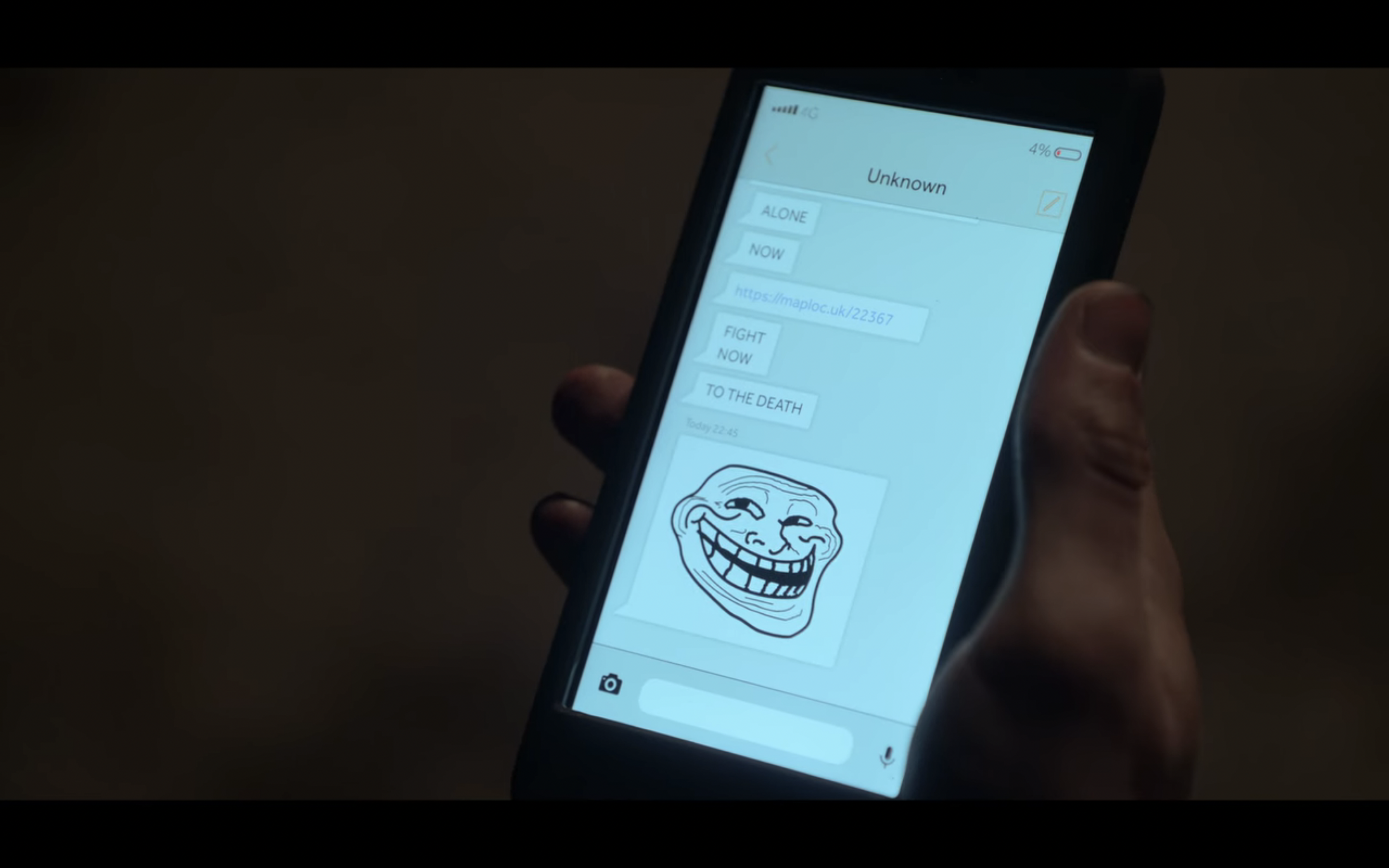
In the case of the vigilante hacker in Shut Up and Dance, their act of indifference towards Kenny and the other victims, sending the Troll face instead of prioritizing their pursuit of justice, raises doubts about their genuine moral integrity.

There is a valuable lesson to be learned from this episode. If you ever find yourself in a situation where someone is threatening to expose private data about you, remember one crucial rule when dealing with blackmail: Do Not Comply with the Blackmailer’s Demands, whether it involves paying a ransom or fulfilling their requests. Complying with their demands does not guarantee that they will keep their word, and it can even encourage more blackmail attempts, as demonstrated in this episode.
Privacy: Curtains or Locks

In this episode, a recurring theme is privacy and how technology dismantles the barriers that protect us during our most vulnerable moments, exposing us to the world. 

When we talk about privacy, it’s not about whether we have secrets or not. We all have things we want to keep to ourselves. Privacy gives us the freedom to make our own choices without worrying that the government or criminals will use our personal information against us.

Although hackers can’t physically harm us, they can inflict indirect damage. They can coerce us into increasingly perilous situations, ensnaring us further within a criminal network.

In 2017, the Equifax data breach compromised the personal details of about 147 million people. A substantial portion of this data such as names, Social Security numbers, birth dates, addresses, and credit card data was suspected to have been sold on black markets.

Back in 2016, there was a picture of Facebook’s CEO, Mark Zuckerberg, using a laptop with tape covering the camera. For many, this confirmed that hackers could turn on your computer’s camera without you knowing. 

Various types of malware can seize control of a laptop camera. A prime example is a Remote Access Trojan (RAT), a harmful program that hands attackers remote control over a victim’s computer.

While CEOs and public figures worry about privacy breaches due to their involvement with sensitive information, women are especially vulnerable to these attacks. 

In November 2013, 20-year-old, Jared James Abrahams pleaded guilty to hacking over 100 women’s computers and installing the highly invasive malware Blackshades in order to obtain sensitive images and videos of them. He got 18 months for that crime.

In the pandemic’s early months, as education went virtual, unauthorized people began intruding into online classes via Zoom, causing disruptions. These disruptions included sharing inappropriate content, making noise, and harassment. Sacrificing convenience for security, Zoom and educational institutions took measures to bolster defenses against Zoom bombing.

Government agencies like the FBI’s core mission involve enforcing federal laws and tackling cybercrime and online dangers like hacking, identity theft, fraud, terrorism, and child exploitation.

An instance of the FBI apprehending online sexual predators via surveillance is the 2015 case of Operation Pacifier, also referred to as the Playpen case. As a result of Operation Pacifier, the FBI was able to identify and arrest hundreds of individuals worldwide. While the operation was a success, the approach left many wary. It sparked debates about the ethical implications of law enforcement engaging in hacking activities and the potential challenges to privacy rights.

Surveillance is available to the “good guys” and the “bad guys.” It not only reveals criminals but our most private moments, feelings, and thoughts, making it difficult to trust anyone or anything around us.

It only takes one dumb decision caught on camera to destroy our reputation. “Shut Up and Dance” illustrates the paramount importance of privacy for that reason. Anyone could be caught with their pants down. So today, we are left with a question: how do we find the right balance between cautious sanity and controlled paranoia? 
Pornography and Everything that Comes After

The show doesn’t explicitly state what Kenny was watching, but it’s clear it involved minors, as his mother strongly condemns it at the end of the episode.

Thanks to the Internet, pornography—like communication and knowledge—is now more accessible and diverse than ever. This has enabled a broader and deeper exploration of fetishes, giving rise to communities like Looners (balloon fetishists), ABDL (Adult Baby/Diaper Lover role-playing), and Furries.

The impact of pornography on sexual attitudes and behaviors is an ongoing debate. Research indicates that exposure to certain types of pornography might lead to more permissive views about casual sex, unrealistic expectations, and acceptance of aggressive or non-consensual behavior. Some even link excessive pornography to millennials having less sex than earlier generations.

With that being said, views about the adult industry are also shifting due to the internet. Individuals are now empowered to create and share explicit content via social platforms, webcams, and amateur sites, blurring the line between consumers and creators.

Popular subscription platform, OnlyFans helped usher a new phase of adult content and sex work by promoting personal freedom and destigmatizing the industry. As it became acceptable to engage with pornography without shaming, the focus shifted to consumer protection. Much like the YouTube adpocalypse, a similar trend played out within the gated walls of OnlyFans.

In August 2020, actress and model Bella Thorne initially promised to share exclusive explicit content on her OnlyFans account. Yet, when her content was eventually released, the many misled subscribers were outraged to find that her content didn’t align with the implied explicitness. 

The situation got more intense when news came out that she made over a million dollars on her first day of releasing content. This whole thing highlighted the problems that arise when famous people join platforms like OnlyFans. As a result, changes in OnlyFans’ rules ended up affecting how much money many creators made.

Today, we’re more accepting of the fact that producing adult content is a decision made personally, with considerations of informed consent, boundaries, and individual circumstances.

On the flip side, unsolicited explicit images, known as “dick pics,” is still considered a disrespectful act, often a form of harassment. This digital form of flashing surged with the advent of camera phones. According to a 2017 YouGov survey, 46% of women had received unsolicited dick pics, with 22% of men admitting to sending them without consent. 

A memorable example was in 2010 when former football player Brett Favre was accused of sending “dick pics” to a female New York Jets employee. The incident garnered media focus and led to NFL fines.

While dick pics are generally unwelcomed, a large portion of men who send them (44%) are expecting a similar picture in return. An act of naivety rather than malice. But alas, the realm of online pornography can get much darker. 

The now-defunct IsAnyoneUp.com was infamous for being a hub for sexually explicit content distributed without the subject’s consent, also known as revenge porn. This resulted in legal actions against the creator and so-called “professional life ruiner”, Hunter Moore.

And still, the Internet got even darker—

In 2017, a video surfaced where British commentator, Milo Yiannopoulos seemed to defend pedophilia. His controversial comments caused him to step down from Breitbart News. The downfall of Yiannopoulos, already a contentious right-wing figure, demonstrated that some topics have no room for debate. 

YouTube always had strong rules against sexual content and pornography, but up until 2019, YouTube did little to protect children and younger users. The video-streaming company was often criticized for allowing inappropriate content targeting children to evade its moderation systems. What really opened their eyes was the serious legal issues they faced. By collecting information from users under the age of 13 without parental consent, they violated the Children’s Online Privacy Protection Act (COPPA), which cost them $170 million. 

Today, YouTube is making a commitment to safeguarding children and young users. One key approach was introducing a policy that limits or prevents comments on videos featuring minors. 

As we strive to stay safe, we should also be wary of conspiracy theories online, most notably those linked to extreme right-wing groups. These false claims often suggest large pedophile rings or powerful figures involved in such activities. These stories are designed to destroy the reputation of opponents and spread distrust in institutions.

Take the 2016 Pizzagate conspiracy, for instance. It wrongly alleged a D.C. pizzeria was a hub for child sex trafficking involving high-ranking Democratic officials, including Hillary Clinton. Despite being debunked, it gained attention and led to a shooting at the pizzeria.

If you grew up in the 2000s like me, you might remember the show “To Catch a Predator,” hosted by Chris Hansen. The reality television series aimed to expose individuals arranging sexual encounters with minors through online chats. The show collaborated with law enforcement for sting operations, leading to arrests at meet-up locations. Although the exact number is unclear, it is estimated that dozens were apprehended. In the new age of the internet, To Catch a Predator prompted discussions about online safety, despite facing ethical criticisms and questions about entrapment.

And that is where Shut Up and Dance sits. Like Chris Hansen, Kenny’s hackers operated in a grey area, albeit the shades are different. In fact, much of the Internet resides there now—neither purely good nor evil. We all breathe and sweat on this spectrum of allure and anxiety, which is what makes this episode so impactful. In the digital world, nobody is safe, we are all susceptible to scams, exposure, and reputational damage. 

“Shut Up and Dance” warns against getting too comfy online. Just like computers, we need to scan to detect viruses within, whatever might be messing up our “operating system.” What can be this anti-virus for our human soul? Certainly, that’s not something we can find on the Internet. Or can we? 

Join my YouTube community for insights on writing, the creative process, and the endurance needed to tackle big projects. Subscribe Now!

For more writing ideas and original stories, please sign up for my mailing list. You won’t receive emails from me often, but when you do, they’ll only include my proudest works.
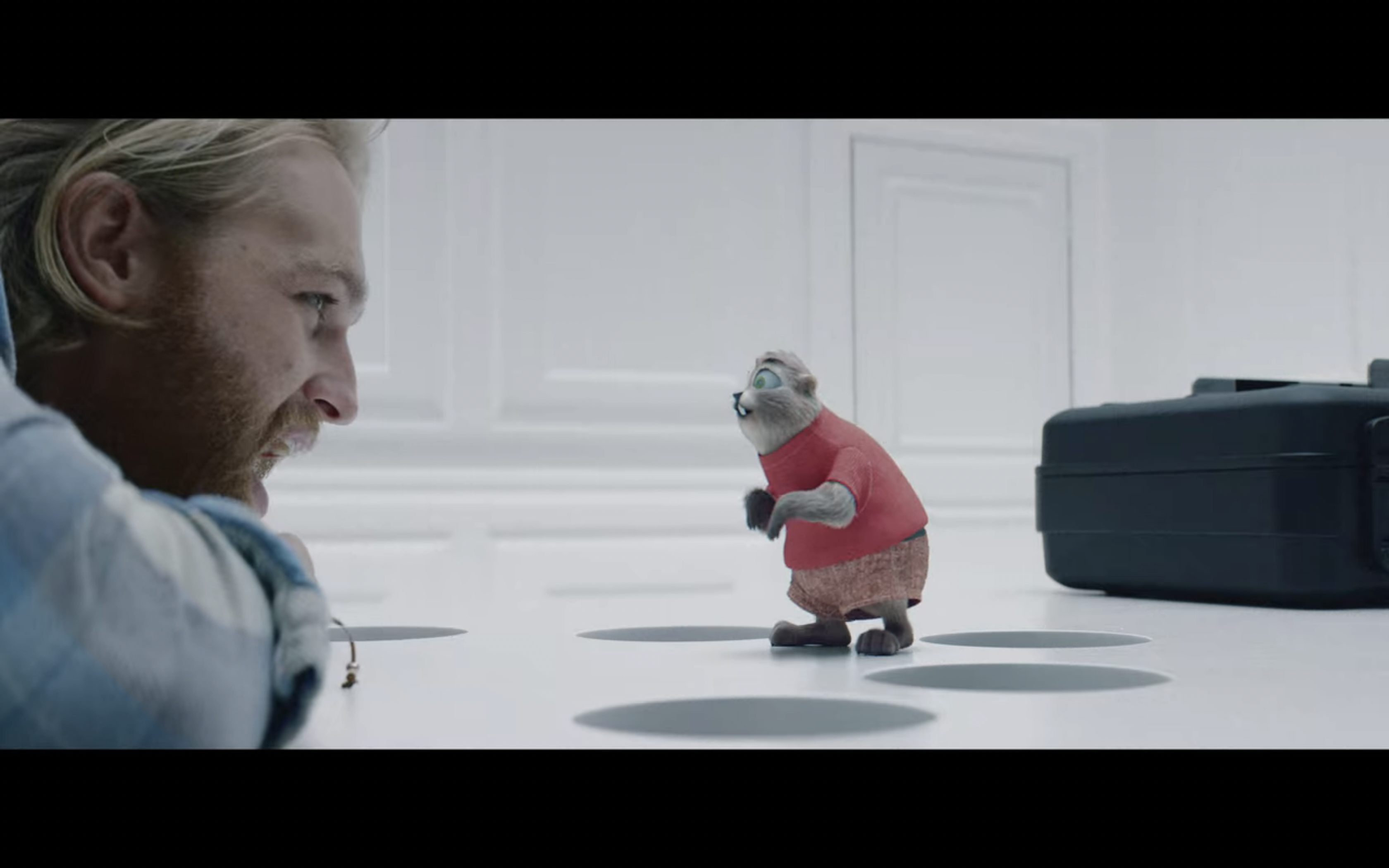
Playtest: Black Mirror, Can It Happen?

Before we discuss Playtest, let’s look back to when this episode was first released: October 21, 2016. 

A couple of weeks earlier, on October 2, HBO released their genre-bending television series, Westworld. Although fiction, this show had us all thinking: Where will we draw the line for technology and entertainment? 

When we talk about tech and entertainment, we have to talk about video games. While conventional favorites like Overwatch, Fallout, and Uncharted were the most popular, we will forever remember 2016 as the year of PokemonGo. Regional-exclusive Pokemon, enabled by GPS, allowed people to interact with gaming in a new physical way. People used to travel for culture; now they travel to catch Pokemon

Augmented reality was a fun novel concept for the general public. And thanks to photo-sharing apps like Snapchat, people picked it up pretty quickly, and just as quickly, filters and lenses became excessive and overused. 

Another technology gaining momentum in 2016 was virtual reality. VR was in its infancy in 2016. Nothing exemplified that more than Google’s Cardboard VR headset, which resembled something a high school student would’ve handed in for a homework assignment. While 360 VR content was available, there just wasn’t enough for people to take action. 

But the opportunity couldn’t be ignored. Businesses took advantage of this trendy technology as a promotional add-on. In 2015, Marriot Hotels offered VR as a room service item, aka VRoom Service, where their guests could rent an Oculus Rift VR headset for 24 hours. 

Now you may be thinking: VR on vacation? Well, in 2016, there was a heightened awareness of the damage tourism had on vulnerable ecosystems. When Thailand discovered that their coral reefs and marine life in the Phi Phi archipelago were being battered by boats and people, they closed off a bunch of islands. One of these islands was Maya Bay, made famous by the Leonard DiCaprio movie The Beach. This small island, which saw 4,000 tourists a day, was suddenly off-limits to the public. 

While we were trying to protect the natural world, Apple was trying to protect the reveal of their newest iPhone, the iPhone 7, set to release in September 2016. Through the summer months leading up to the annual keynote, images and videos of the latest device were leaked on the Chinese social media platform, Weibo. This leak was so controversial because the iPhone 7 was the first iPhone without a headphone jack, and you best believe people were upset to discover that change. 

2016 was indeed a year where tech was front and center. There were a lot of new ideas and opportunities flying around. There was a general sense of optimism, even for the devices that will soon eat away at our attention span. We were relying on it more, not only for entertainment but with the hope that it would heal us and optimize our lives. Oh, we were so naive in 2016. We could’ve been fooled by anything. And trickery is what leads us to this episode of Black Mirror, episode 2 of season 3: Playtest. 

In this article, I will explore three themes of the episode and discuss whether such events or concepts have happened in some form in the last few years and, if they haven’t, whether or not they’re still plausible. 

The Dangers of Escapism

The episode begins with Cooper sneaking out of his house and traveling the world, from Australia to Asia to Europe. We see him taking pictures, having a great time, and asking touristy questions, but what we don’t see is the darkness that lies layers and layers beneath, the darkness that surfaces each time his mother calls.

His father recently died of Alzheimer’s. As the one taking care of him, Cooper feels guilty for the death, and inadvertently, creates this narrative in his mind that his mother blames him as well. 

According to the World Health Organization, approximately 280 million people worldwide suffer from depression, which is usually triggered by some life-altering event such as unemployment or the death of a loved one.

In a survey by the American Psychiatric Association, out of 2,200 participants, 37% rated their mental health as fair or poor, with relationships with family and friends being a common cause for stress. 

Moreover, research shows that 27% of Americans are estranged from a member of their own family, often initiated by adult children. When these scenarios occur, the parents are often confused by the cause and blame their children for “rewriting their childhood.” Meanwhile, the adult children feel their parents are “out to get them.” 

Whether it’s mental health or the state of our relationships, we are led by the stories we tell ourselves. While his father lost his memories through a disease, Cooper was losing his memory through his own design. 

To reboot his life, Cooper seeks new experiences—new memories. There was a time when traveling was a benefit for mental health, and booking a flight led to a lot of excitement. But since the pandemic, travel has caused a lot of stress. As of 2022, 92% of Americans find travel to be “nerve-racking.” Passports, bad weather, and the unpredictability of airlines have made journeying around the world harder for many, especially for those already dealing with anxiety. Don’t even get me started about the panic of running out of money in a foreign country. Could there be anything more stressful? 

We relate to Cooper because we see him escaping from one uncomfortable situation to another uncomfortable situation throughout this whole episode. But we can also learn something from his impulsiveness. When things are not right, we may want to escape physically. We perceive the cause of our anxiety, depression, and stress as external causes: our jobs, our families, or our friends. However, the struggle is internal, and there is no escape. On one hand, you can go too far and never return, or on the other hand, when you do return, you’re flooded with all the emotions you thought you’d escape from. 

Communication has become instantaneous and invasive. Pings, calls, and notifications all day long. We want to escape those as well. I believe Cooper is a millennial, and as millennials, phone calls have become the most demanding form of communication. Unlike a direct message, where you can respond at your own pace, a phone call is an interruption. 

The phone call is one of the few tethers left connecting the aging generations of Boomers and their millennial children. And it’s not a strong one, because the intimacy of a phone call has been stolen from us by all the spam calls we get daily.   

When it comes to escaping problems, this episode of Black Mirror shows us what travel and technology are unable to do. And that’s where we are today, still desperately trying to explore those avenues and creating more problems along the way. 

The Dominance of Games 

As of 2020, the global video game industry was valued at $159.3 billion, far surpassing other entertainment industries, including music at $19.1 billion and movies at $41.7 billion. 

In 2016, 4,315 games were released compared to 2022, where a whopping 10,963 games were released. By 2024, the number of worldwide gamers is set to reach 3.32 billion people. That is just over 40% of the entire world! Yes, games are popular, and companies are investing more and more in them. 

The term playtest refers to a quality assurance session where a person plays the game to find design flaws and bugs before it is sold to the public. After Cooper had his bank account hacked and was desperate to get a flight back home, he signed on to be a playtester for a high-profile yet secretive gaming company, SaitoGemu. 

Game studios spend years and years conceiving, designing, and testing their games before they hit the shelves. So the idea of having trade secrets leaked out is a big deal. The leak of any popular franchises will undoubtedly draw attention. For example, in 2022, Rockstar Games was hacked and had numerous video files containing testing builds of GTA VI shared on the Internet. 

While most games have a shelf life of a couple of years, we are seeing games embedded into people’s lives. Fortnite was released in 2017, and as of this video, six years later, the game continues to see a steady rise in popularity with 236 million active monthly players. Even a game that is over a decade old like Minecraft continues to grow. As of the start of 2023, there are 176 million players. 

That’s what the gaming industry wants. While they want to tell great stories, they also want to create a world where the players can live in, coming back hours after hours and exploring for years and years. 

We see this everywhere. Nearly every piece of software we own uses gamification to get us to log back in. Teams of the world’s smartest people are all trying to hook us with their products. The tactics are different, but the idea is the same. They want to create a sense of accomplishment, whether by offering us badges for completing a task, building communities for us to engage in, or keeping us challenged in just the right way. 

In the past years, we have seen leaps in two categories: artificial intelligence and the metaverse. The metaverse and Web3 market is far less bullish since 2021, when Facebook changed its name to Meta, while AI technology is having a huge surge recently, becoming more prevalent and even winning an art contest.

As AI starts understanding us better, it doesn’t only learn what hooks us but what scares us as well. In 2016, MIT developed a deep learning project called Nightmare Machine, where users feed the algorithm insights into which images scare them. 

When we create games, we are also collecting data. And while it might not be tech companies’ main priority to identify our fears—by subjecting people to hours and hours of scary immersive VR video games—technology companies will accumulate a lot of information regardless. How much do we want Amazon to know about our traumas? How much do we want Google to know about our repressed memories? 

In life, we fear many things, but confronting them can lead us to danger or societal disapproval. That’s why horror video games offer us one of the greatest feelings of being alive: fear quickly followed by a sense of relief. 

A few things happen in our brains when we play scary video games. First, our amygdala processes the fear, and then the hippocampus associates the fear with a memory. It is the latter that allows us to fill in the gaps. When that imaginative part of our brains projects the traumatic experience into a reality, such as VR, then even the most courageous thrill-seekers will face their worst fears. The technology, a digital boggart monster, will know exactly what shakes them.

When people say technology is getting scary, they mean that technology is knowing more and more about you. And what’s scarier than technology knowing your exact fear? It’s not the tech industry’s main focus. They are trying to spin it in an unscary way, but knowing our fears is unavoidable when it attempts to keep us coming back to their product as a place for salvation.

The Implantation of Microchips

As a part of the test, Cooper had a device embedded into the back of his neck called a “mushroom”. This device manipulated his mind, allowing the game makers to generate augmented reality through his own senses. But neurologically, the device dug deeper. In milliseconds, it accessed his memories to create haunting scenarios beyond the operator’s control. 

The first microchip embedded into someone dates back to 1998, and even then, the proposal was clear: convenience. We will no longer need to click a mouse or type on a keyboard. Additionally, having all our critical data implanted into our body ensures we don’t lose it. We don’t have to worry about losing our credit cards, train tickets, or phones ever again. 

In 2018, Bill & Melinda Gates Foundation funded the development of a technology at MIT that allows people to store medical information inside their bodies by injecting a dye under the skin. This project sparked many conspiracy theories about how Radio Frequency Identity (RFID) microchips were secretly included in vaccinations. This is not true. But it highlighted the fear many had that medical innovation could be used to track us. 

In 2021, a company called Dsruptive Subdermals was testing a Covid-19 passport that could be implanted beneath the skin. The objective was to use an NFC microchip—the same type of technology in your credit card and smartphone—to share vaccination data. 

Whenever we have a conversation about technology implantation, we have to also talk about privacy. And what is more private than our memories? 

The technology of Elon Musk’s Neuralink is designed to help those who don’t have the full function of their bodies but still have a mind worth saving. Think of the potential if we could tap into those people’s brains and allow them to continue living fulfilling lives. 

Much like drugs, video games—including VR games—have served as therapy for veterans who’ve been in battle. These games offer them an experience of eudaimonia, which is a feeling of psychological well-being that comes when someone does something good. Allowing a veteran to play a first-person shooter helps them recognize what’s good and evil. In the real world, it’s hard to process what’s good or evil. But in a game, it’s obvious.

The challenge for engineers and practitioners is balancing the benefits with the addictive properties of those treatments. 

Could we see the same potential when using implanted microchips to cure neurological disorders such as dementia? Will we dare to dig further, relying more on technology to solve deeper problems, or will the unknown cause us to pull back due to privacy concerns? Will we delay progress by raging a war—like the war on drugs that persisted for decades—and thus slowing down the potential of medical advances? 

Playtest is a story about escape and discovery, confidence and fears, regrets and guilt. It reminds us of the dangers of concealing secrets and repressing traumatic events. We are not machines but put under the pressure of bottling up our feelings, we too can short circuit. Like a computer crashing, one second we’re working, the next, the screen is blank. All it takes is one interfering signal, a trigger to make us snap. 

We have all gone through a lot in the past few years. Alone in the haunted mansion of our minds, we can find ourselves layer and layer deep into a tale we tell ourselves. Like a character in an Edgar Allen Poe story, we hide all the most terrible parts in an unvisited room. 

A troubled mind is a home where we can’t walk freely. Therefore, we must open the doors, face each challenge, unleash the worms, and accept that this mess is ours, and we must clean it up. There are solutions to the woes of life, and like a game, we could even make it fun. 

But the question remains, can the events in Playtest happen? Well, sacrifices have to be made in experimenting with technology, just like how people have to die to figure out which food is edible and which drugs are effective. Are we willing to do the same for video games that have the potential to nourish us and repair our minds—without frying them? I believe the answer is yes because whether it cures us or not, it’s gonna too much fun not to try. 

For more writing ideas and original stories, please sign up for my mailing list. You won’t receive emails from me often, but when you do, they’ll only include my proudest works.
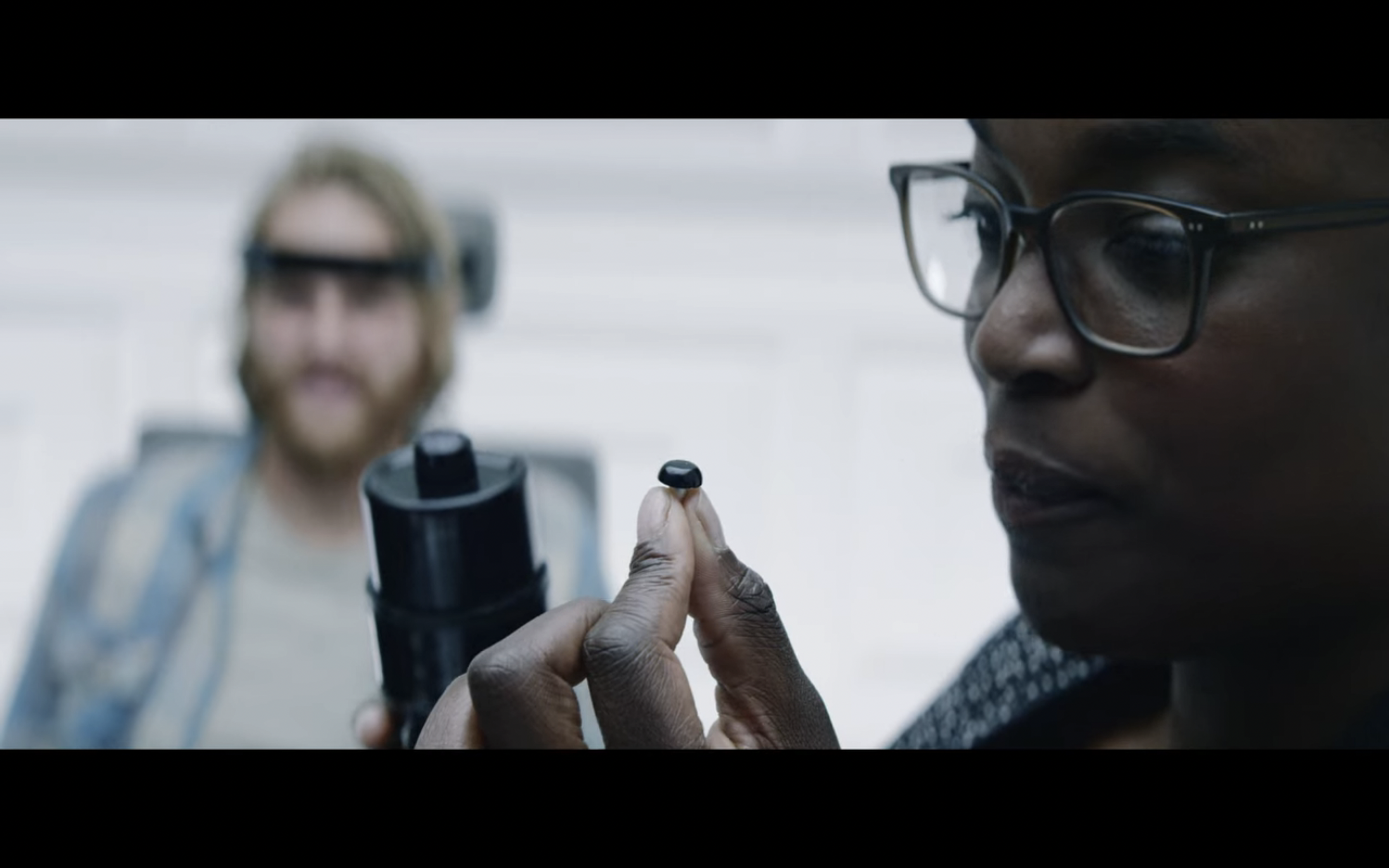
Join my YouTube community for insights on writing, the creative process, and the endurance needed to tackle big projects. Subscribe Now!

Nosedive: Black Mirror, Can It Happen?

Before we determine whether the events in Nosedive can happen, let’s look back to when this episode was released: October 21, 2016. 

2016 was the year our smartphones completely took over our lives. The rise of Pokemon Go during the summer was a key piece of evidence. In a matter of weeks, people worldwide were wandering around staring at their phones. Some even ventured into dangerous neighborhoods and private priorities to catch them all and ended up losing their lives. 

Disappearing videos were also growing in popularity. Snapchat had a big year in 2016, with one in five Americans engaging with the platform. Gaining adoption from an older audience, Snapchat proved that ephemeral content was not only for kids. 

Across the Internet, the rabbit holes for obscure, hateful, and extreme content dropped deeper and deeper, creating echo chambers for conspiracy theories. While we were suspicious that algorithms and foreign influence might be involved, we didn’t know Facebook and Cambridge Analytica were using data harvested from the social network to fuel political unrest leading to Donald Trump becoming president and the UK leaving the European Union. 

In 2016, the physical world had many problems: political tensions, soaring debt, school shootings, and Samsung phone explosions. Technology companies were making our attention span shorter and our insatiable hunger for attention more vital. And while we may not be able to afford a house in the physical world, at least we could find comfort in a digital one… But slowly that realm was corroding. And there was no rewind button—no eject—we had fallen too deep.  

As we longed for a simpler time, our nostalgia was left exposed. And money-hungry executives happily used it against us by selling uninspired remakes and clothing with old logos. 

That was where the zeitgeist was in 2016. Technology was pushing us forward while we were looking back longingly. We wanted to be heroes and victims. Masters and influencers. Stars and black holes. And with that, let’s look at Black Mirror season 3, episode 1: Nosedive. 

In this post, I will explore three themes of the episode and discuss whether such events or concepts have taken place in some form in the last few years and if they haven’t, whether or not they’re still plausible. 

Without further ado, let’s jump into it. 

Social Credit Score

In the world of Nosedive, the residents don’t live such different lives from ours. Their hopes and desires are much the same. And we too need to be approved in order to get them. In order to buy a house, start a business, get into a college, or find a job we need to have our credits evaluated. 

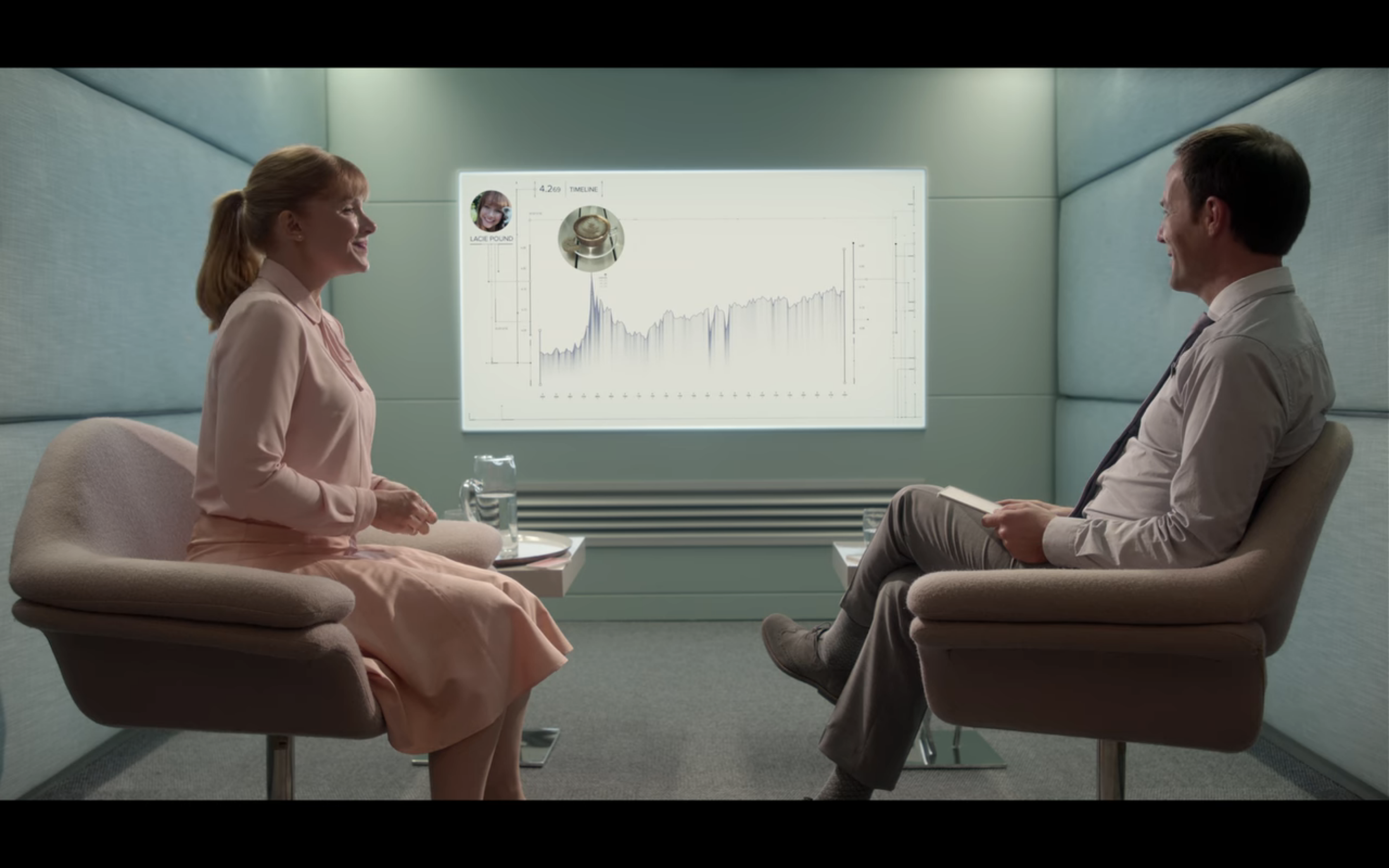
The story follows a young professional, Lacie, who wants to purchase her own property. But to do so, she needs to increase her rating—which is directly linked to her socioeconomic status—from 4.2 to 4.5. 

I remember watching this episode in 2016 and feeling uneasy about the idea of reviewing people. Since then, I’ve signed up for apps such as Uber and Airbnb, so the concept of giving someone a score on a device has all gotten familiar even though it’s still uncomfortable. If it meets expectations, I’m giving it a 5-star. I don’t want to be a critic for everything I do.

Most consumers have a credit score, an objective number that predicts credit risk and informed financial institutions to lend them money or not. A credit score takes account of indisputable aspects of our financial habits, such as how regularly we pay off our bills, how many accounts we own, and how much available credit we use. For example, you’d need a credit score of 680 or over to get a mortgage. 

Additionally, there are academic scores, which most of us had suffered through when embarking on our educational pursuits. The grade point average determines whether we qualify for one institution over another. For example, you’ll need a GPA of 4.18 or over to get into Harvard. 

However, the eeriest real-life scenario relating to this episode is the Social Credit Score that may or may not be implemented in China. 

In 2013, the government of Rongcheng, China, a city with half a million people, implemented a social credit score. Each person began with a rating of 1,000 to start, and good and bad deeds would lower or increase that number. 

During this experiment, citizens lost points for spreading harmful information, with one citizen losing 950 points in three weeks for distributing letters online about a medical dispute. Of course, the government decides what’s considered harmful. That’s the main argument for the social credit score: it’s to help enforce existing laws. But when the laws can be twisted, social credit scores become scary and Orwellian. The authorities no longer need to listen to criticism—because criticism is harmful. 

Criticizing the government could theoretically lower your rating and rank you as someone who had gone to prison or been bankrupt. This penalization will disqualify you from getting a loan, buying a car, or even traveling abroad. Like in Nosedive, there isn’t a reliable appeal process either. Lacie could beg the authority at the airport all she wants, but whatever the law feels is necessary, it does.

The whole system falls apart when the power goes to those with no qualms about abusing the ratings. That is why any good review platform will have impartial moderators. Otherwise, those with a higher rank can create loyalists by rewarding good behaviors while oppressing those they deem threats or disobedient.

Boosting Social Status

Social media has given us another obsession with numbers: the amount of likes, follows, and comments. We put a numerical value on everything we do. These metrics can give us a hit of dopamine or bum us out, but they can also now greatly influence our income. You don’t even need to be an influencer. Amazon sellers need good reviews, and podcasters need five stars. It’s too competitive. There is just no way to survive without it. And because of that vulnerability, the power can be abused. 

One of my favorite parts in this episode was when Lacie goes to this analytics consultant, and he walks her through all her data. As a marketer, this is all too relatable. How many times have I charted the result of a successful campaign? Or reviewed why a piece of content didn’t appeal to an audience? 

In this social media world, we all have to be personal brands. We treat ourselves like a business. Like a restaurant on Yelp or an app in the App Store, we need to monitor our influence, measure our performance, and increase our exposure. We need a communication team, a public relations team, and a growth team. If we miss a beat, we can expose ourselves to bad press. We need to know which side to stand on, like when Lacie had to pick sides between coworkers. To avoid being ostracized—or, as we say these days, getting canceled—she needs to join the mob. 

We are an investment, a stock trending up and down. Overall we want to go up. We want to stay relevant and increase in value. Marketing is important because it’s how businesses gain positive exposure and present their offerings to the world. When everyone is a content creator, getting married is a media production, a big marketing campaign. Weddings are like the Oscars or the Olympics. It’s where you can really increase your reach and up your score. 

While Naomi carefully curated her wedding to maintain her rank, Lacie wanted to leverage the wedding to boost her score. The stakes increased since the wedding would include many high-rated individuals whose scores were inherently worth more. By interacting with them at such a grand event, she’d get the spike in ratings she needed to reach her goals. 

When people are only measured by their scores, we get a homogenized world where every action is driven by numbers. This is a dangerous way of living. It creates a constant sense of discontentment. There is always a higher number, and we will always want more. We’d want to upgrade everything. Nothing is ever enough. Not our home. Not our followers. Not our friends. Not our lovers. Not our jobs. We will be stuck on what experts call the hedonic treadmill, where whatever happiness we get from money, accolade, or status would feel nice at first but won’t ever be enough. Eventually, we will return to our default level, wanting more. 

Faking It

Another theme of this episode was how Lacie had to be constantly on. She had to present herself in a certain way because the world was a stage. From the posts she published on social media to her interactions with service people, she had to maintain a pleasant persona. 

At the start of the pandemic, everyone was locked down, and the only way to see our friends and work was through video calls. Every day we had to sit in front of a camera and put on a show. Being so disconnected from body language, social cues, and physical energy, we needed to channel Meryl Streep so that our viewers—our friends, families, clients, and coworkers—would perceive how we were feeling. Not everyone wants to be an “influencer,” but our ability to perform for the camera is critical if we want to succeed in this new game. 

When it comes to increasing a score, it is very much a game. And games are strategic. There is nothing authentic about someone trying to win a game. You don’t reveal your plan to your enemies. Every interaction becomes a move upon a chessboard. This idea was nicely illustrated when Naomi announced that she didn’t invite Lacie because of the kindness of her heart. She didn’t consider her a true friend but rather a deliberate play to earn sympathy points. 

We are living in a Photoshopped magazine cover where everything is carefully composed. That’s why seeing our features superimposed into advertising is so dangerous. We are easily manipulated. And few approaches are more effective than appealing to our ego, creating urgency, and evoking our fear of missing out, aka FOMO. 

Once we can envision the status we desire, it’s terrifying to lose it. This marketing approach is not so different from trying on clothes, test driving a car, or using 3D AR software to furnish a room. By engaging with it, we’re more likely to purchase. It’s the visualization that drove Lacie to extremes. The holographic images of her beautiful new kitchen with a lover at her side became her north star or a vision board. 

While we always want more, we also fear losing what we have. That’s why nostalgia is so powerful. Nostalgia can bring us back to an even ground, a simpler time. When we were children we were all equals, the closest we were to authentic, or so it seemed. 

The homely Mr. Rags was a representation of the innocent days before the betrayal, before the days when points mattered. Nostalgia reminds us of a time when we were ourselves, not whatever number represents us now: the ratings, the funds in our bank, or the number of friends at our party. 

Wise words constantly remind us to have empathy for others because we don’t know what someone else is going through. However, when we see someone desperately trying to regain footing in front of a crowd—like a celebrity caught in hot water—we can say, “Wow. Glad that’s not me up there”—and enjoy the show.

In an unempathetic world, where everyone is keeping scores the same way Google keeps track of everything we search, we will guard how we truly feel, live in incognito mode, and fake it. 

During these past several years, I, like Lacie, just wanted to express my anger, sadness, and frustration. I wanted to be a child and scream. However, as an adult, screaming is not allowed. I cannot scream outside because I’d get arrested. I cannot scream in my home because the neighbors would freak out. There are only a few places for us urbanites to go to express these emotions. We can escape from the city and find a place of our own. Or we could join a protest and start a riot.  

Nosedive encapsulates what Black Mirror is all about. A dark reflection of our current existence. Watching this episode feels as satisfying as peeling off a layer of sunburnt skin. The fun is over, the damage is done, we recovered, we are still alive, and even though we know the consequences when the next sunny day comes, we still go outside again to play the game. 

So the question remains, can the events in Nosedive happen? My friend, count all the numbers associated with your life. All the followers you have, all the scores the government and financial institutions designate, and all the hours you spend pursuing your virtual goals. At any point, those numbers can drop to zero. And it’ll be devastating.

The event of this episode is happening. Now, how can we stop it from taking over every facet of our lives? How can we still express our feelings without damaging our reputation? How do we be ourselves without exposing our vulnerabilities? I offer no solution except this, besides all the scores the world keeps, maintain an inner scorecard. You get to rate yourself as well. Give yourself a good score. Why not? 

For more writing ideas and original stories, please sign up for my mailing list. You won’t receive emails from me often, but when you do, they’ll only include my proudest works.

Join my YouTube community for insights on writing, the creative process, and the endurance needed to tackle big projects. Subscribe Now!

10 Best (Most Mind-Bending) Episodes of Love Death + Robots | Season 1-3

Recently I’ve been super busy and sitting down for a two-to-three-hour movie is difficult. So these short stand-alone episodes from Netflix’s Love Death + Robots were a great way to take a break and watch something without spending too much of my time. 

I was happy to hear that Netflix renewed the sci-fi anthology for a fourth season. I look forward to seeing how the different studios innovate on what they’ve already created. I love comparing the storylines, concepts, and art styles.  

From the first three seasons, a few episodes stood out. And that’s what I’d like to share with you today. If you haven’t checked out Love Death + Robots, watch these episodes. If you have seen it, then watch them again. 

This list is purely my opinion, so if you disagree and I left out one of your favorites, please let me know in the comments. 

Okay, let’s count it down! 

10. Zima Blue

The first time I watched this episode, I didn’t think much about it. Yes, the art style was cool—a thick-line comic book aesthetic that reminded me of the 90’s cartoon Daria—but I wasn’t sure what the deal was until it got to the end. 

There was a time when we were confident that art was the language of humans. We have experiences and emotions, and that’s what makes art meaningful. The sentiment was clear: Robots have no place in art. 

Today, with the advent of Dall-E, Midjourney, Lensa, and ChatGPT, AIs are coming closer and closer to creating art. They may only be interpreting our keywords to produce an image or write a paragraph now, but how soon will they be able to take their experiences and design something of their own? And when they do, what will they make? That’s the question Zima Blue poses… and the answer might be too simple for us to understand. 

9. The Tall Grass

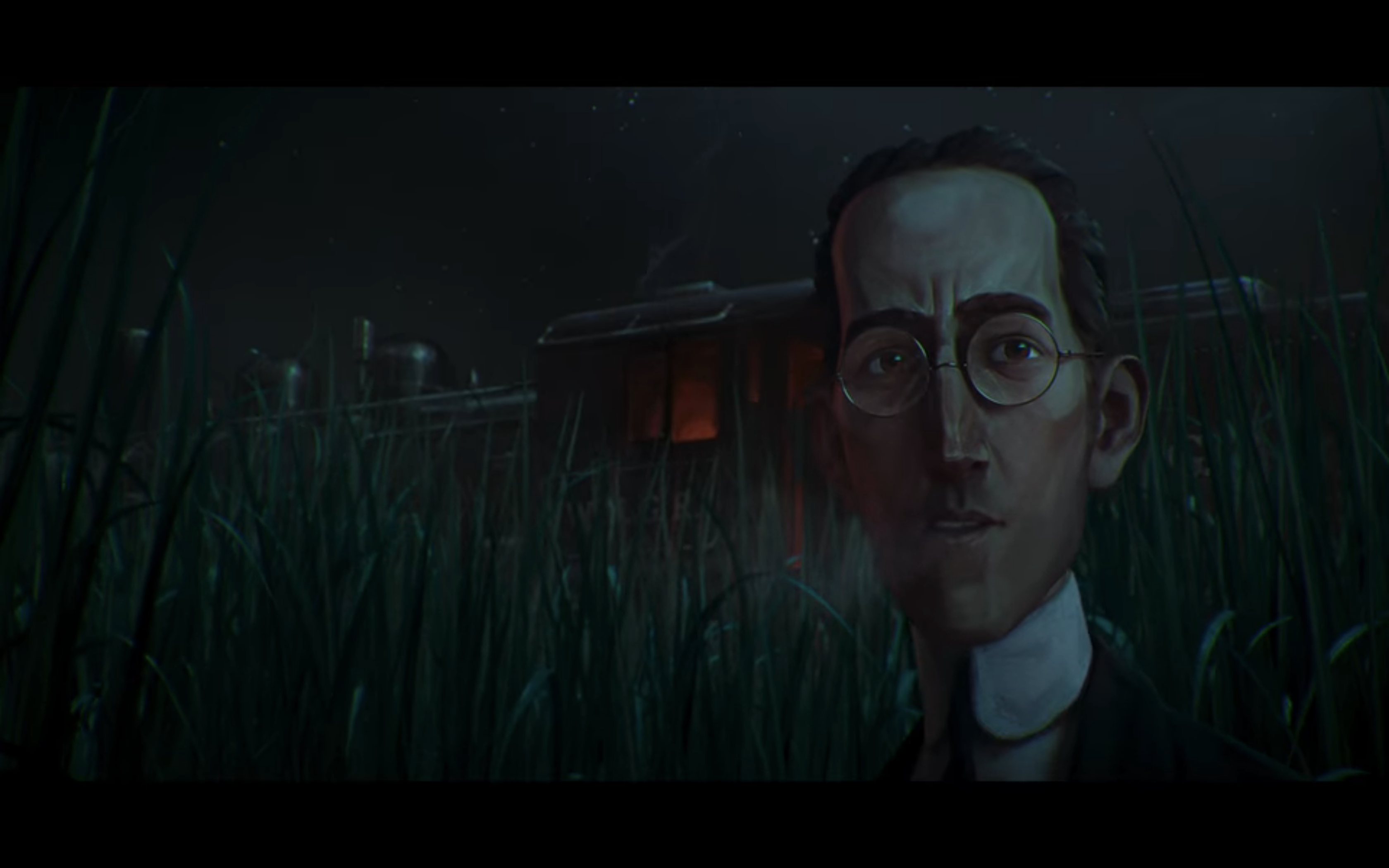
There is something calming about a man smoking a cigarette and venturing into the tall grass. But the pendulum swings to fear quickly. We’ve been there before. How often do we decline helpful advice and go off on our own? How often do we find our curiosity and hubris leading us to danger? 

The Tall Grass is an episode where as a spectator, it’s so obvious the passenger was going to get lost. From our perspective, we’ve seen this a thousand times. 

After saving him, the conductor tells the passenger that out in the middle of nowhere, a door opens to another world, and those monsters coming through were once lost humans. That explanation is somehow terrifying and assuring. We are not immune, and we may be one bad decision from getting lost ourselves. 

8. Pop Squad

As a child-free person, this episode felt like an attack. In our current world, we are facing overpopulation, but there will be more older people than young. According to the US Census Bureau, in America, the fastest-growing population are people above 80. 

Depending on how you look at it, it can feel selfish to have children and selfish not to have children. While immortality is still fiction, the moral decision is worth debating. 

It’s well-documented that Elon Musk wants everyone to have more children, and he’s leading by example, but how will he feel when there is no more room at the party? What if someone needs to go for someone else to join? Do I believe Elon Musk love himself enough to want to live forever? Yes, I do. Is he seeing the world through the children’s eyes, or does he see them as resources for the future? Expendable like Twitter employees. 

7. Jibaro

Telling a powerful story without dialogue is tough. The soundscape, musical score, and audio mixing must be on point, and when it is I feel chills. It’s hard to find words to describe this episode. You can even say that at the end, I too was speechless. What did I just experience? 

This twisted episode is a feast for the eyes as well. The surreal mix of Spanish conquistadors, South Asian-inspired costume design, and the North American wilderness presents a story full of symbolism while leaving plenty of room for interpretations. 

Fear and anger drive this episode, but the temptation is navigating. Both the siren and the knight wear armor, one of steel and the other of gold and jewels, but neither can protect what’s within. Jibaro blends interpretive dance, operatic performance, and a hostile assault to tell a story about humanity’s true disabilities, not our inability to speak and hear but our sins: greed and lust. 

6. Life Hutch

There are several episodes in Love Death + Robots about malfunctioning machines going on a killing spree, including Mason’s Rats and Automated Customer Service. It also brings to mind that famous episode of Black Mirror: Metalhead. So what separates Life Hutch from other attacking-robot stories? 

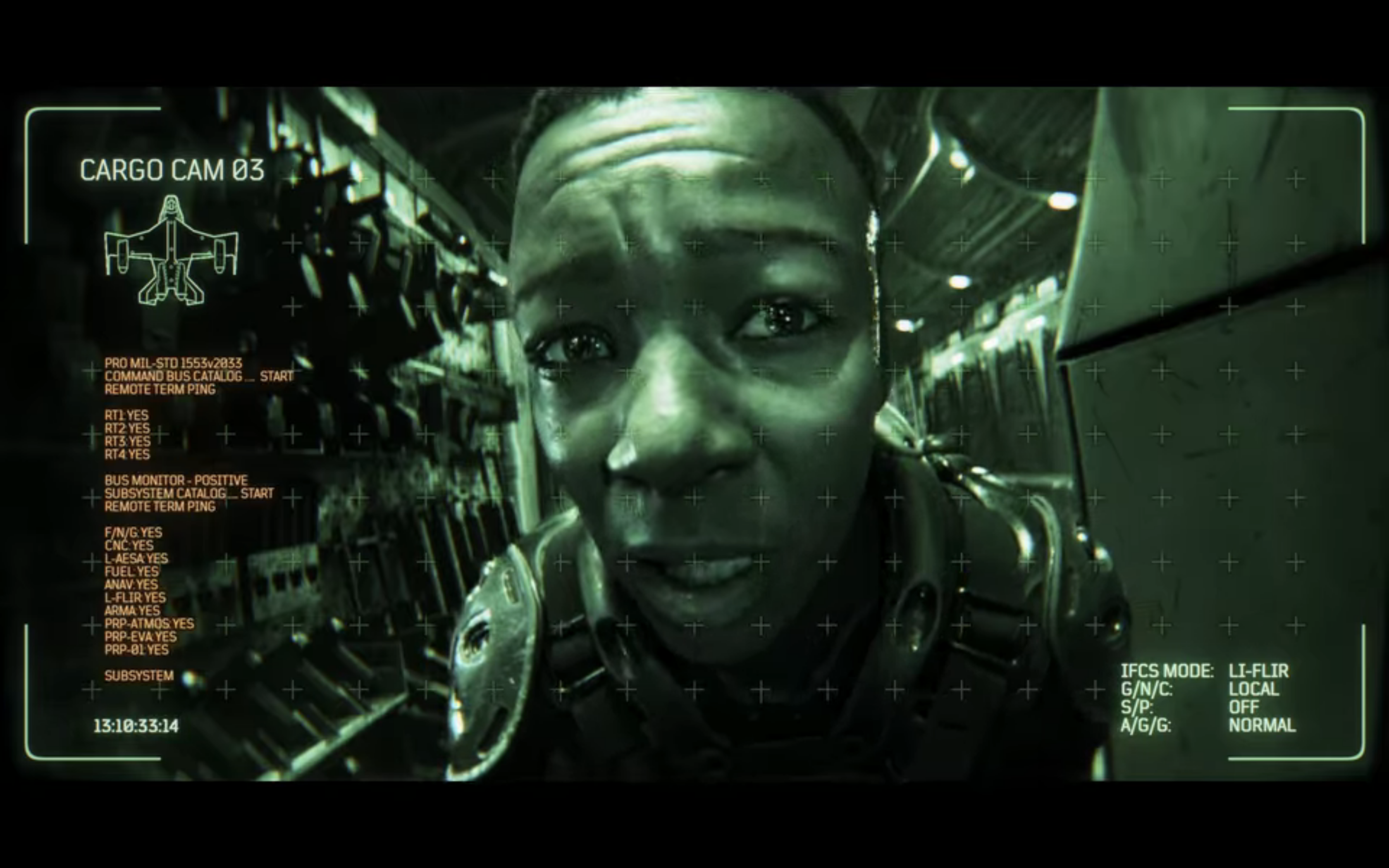
This episode built tension and then held it. At no point does this feel repetitive, which can’t be said about some of the other examples. Whenever the momentum was on the verge of slipping, it cuts to a back story about surviving an army of aliens, space debris, and a crash landing on the rugged planet. It goes to show that in space, there is always danger. After all he’s been through, it’s so satisfying when he finally beats up the robot with its arm.    

HM: Lucky 13

Before we carry on with the countdown, here’s an honorable mention, Lucky 13. While the number 13 being unlucky is a bit cliche, I did enjoy the idea of superstition in a futuristic world. 

Whenever chance is in question, a bit of faith is required. In a dangerous situation, nobody wants to run out of luck. Yet, how much does a break in pattern matter? Good luck after a string of bad luck. Is it all in our minds? People want to feel like they can control the uncontrollable, whether they do or not, it’s the stories they tell themselves that will keep them going. 

Now back to the countdown… 

5. Beyond the Aquila Rift

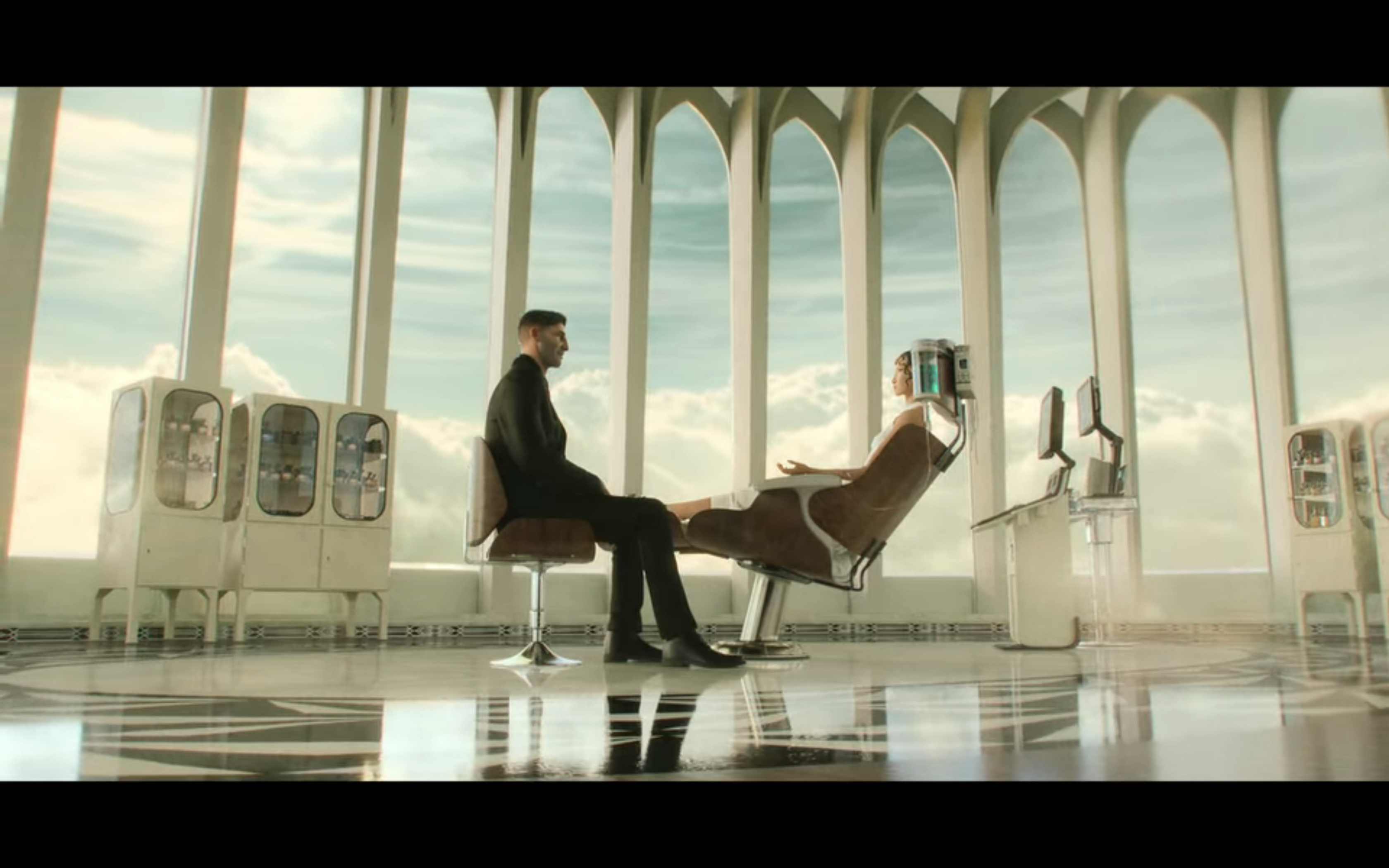
The award for the most intense sex scene goes to Beyond the Aquila Rift, and that’s enough to get it into the top five. Okay, but seriously the episode about how an error in the routing system caused ships to overshoot their destination by hundreds of thousands of light-years away is a tragedy. A combination of Groundhog Day, the Matrix, and Interstellar, Beyond the Aquila Rift poses many questions. The twist at the end is a horrifying reminder that if something is hidden from us, it might be for a good reason. And so it goes with everything out there in space. 

What this episode does great is show the significance of space travel and the power of technology. We, humans, should be careful where we wander, but the fact of the matter is that we may already be trapped. If you ever feel that life is a simulation, that’s okay because this reality may be the most ideal version. 

4. Sonnie’s Edge

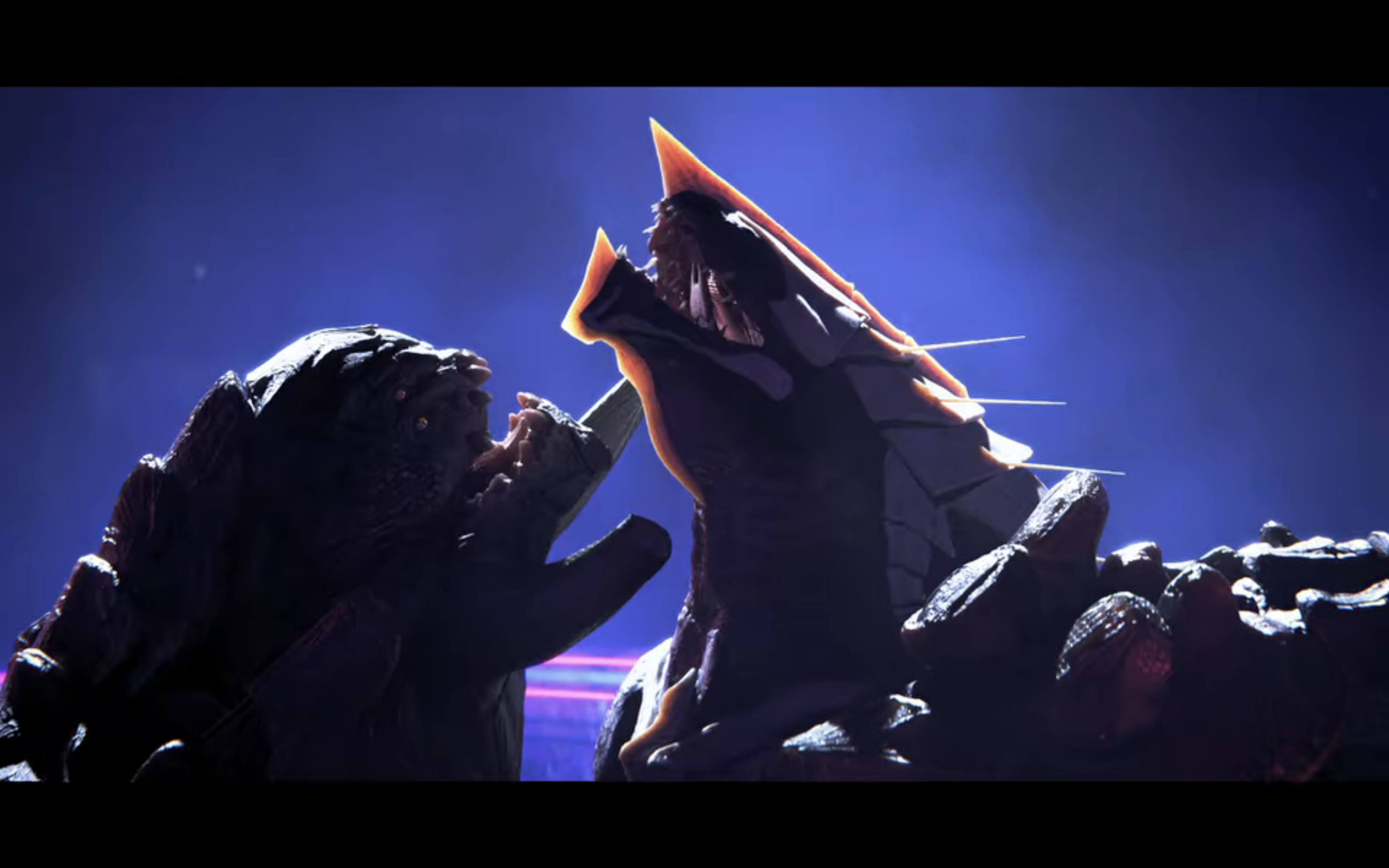
Just failing to make the podium is Sonnie’s Edge. This gritty, gruesome, and erotic Pokemon-esque episode has everything I want in a sci-fi/fantasy short, including an epic battle between giant monsters.

On the surface, this episode appears to be a feast for our obsession with violence and sex, but beneath, it has a powerful message about the corruption of men. Driven by overconfidence and pride, the upper class feels secure when they shouldn’t, for there is an edge that those living below have. Fear. A story about feminism and the strength of women, Sonnie’s Edge is layers upon layers deep. 

3. Helping Hand

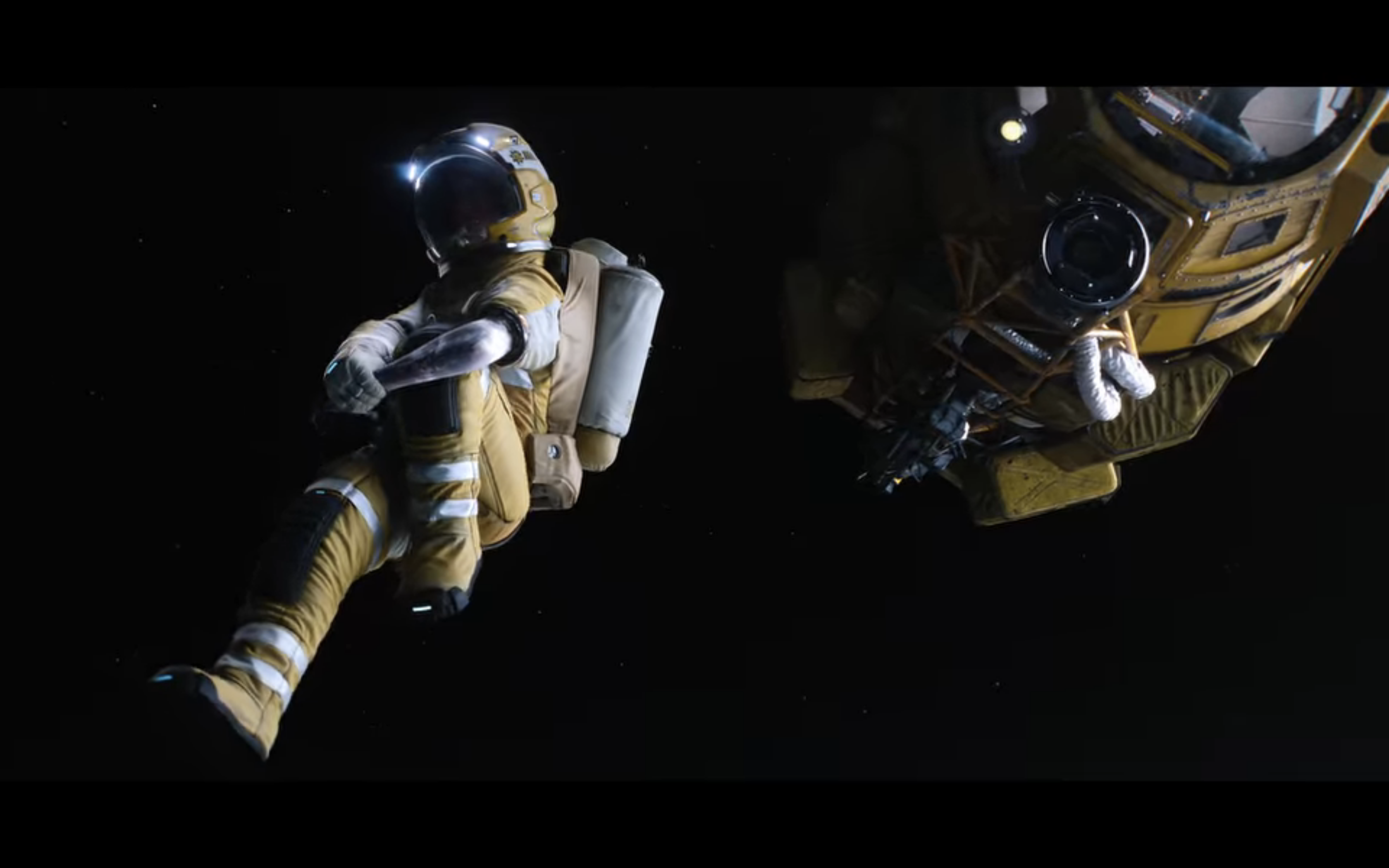
If you enjoyed the movie Gravity, Moon, or 127 Hours, you’d like Helping Hand. Nothing captures my attention like a survival story. I consider what I would do in that situation. What would I sacrifice to save my life? They say there is no will more powerful than the will to live, and until you stare death in the face, you will never fully know how you’d respond. 

Small debris causes the greatest devastation. And no instrument of destruction is more powerful than our thoughts. Can we break free of the inertia that will carry us deeper and deeper into darkness? Or will we be able to throw what we hold most precious and change the momentum? Helping Hand is an incredible short because it hits on something real: the perseverance of humans and the coldness of space. 

2. Bad Traveling

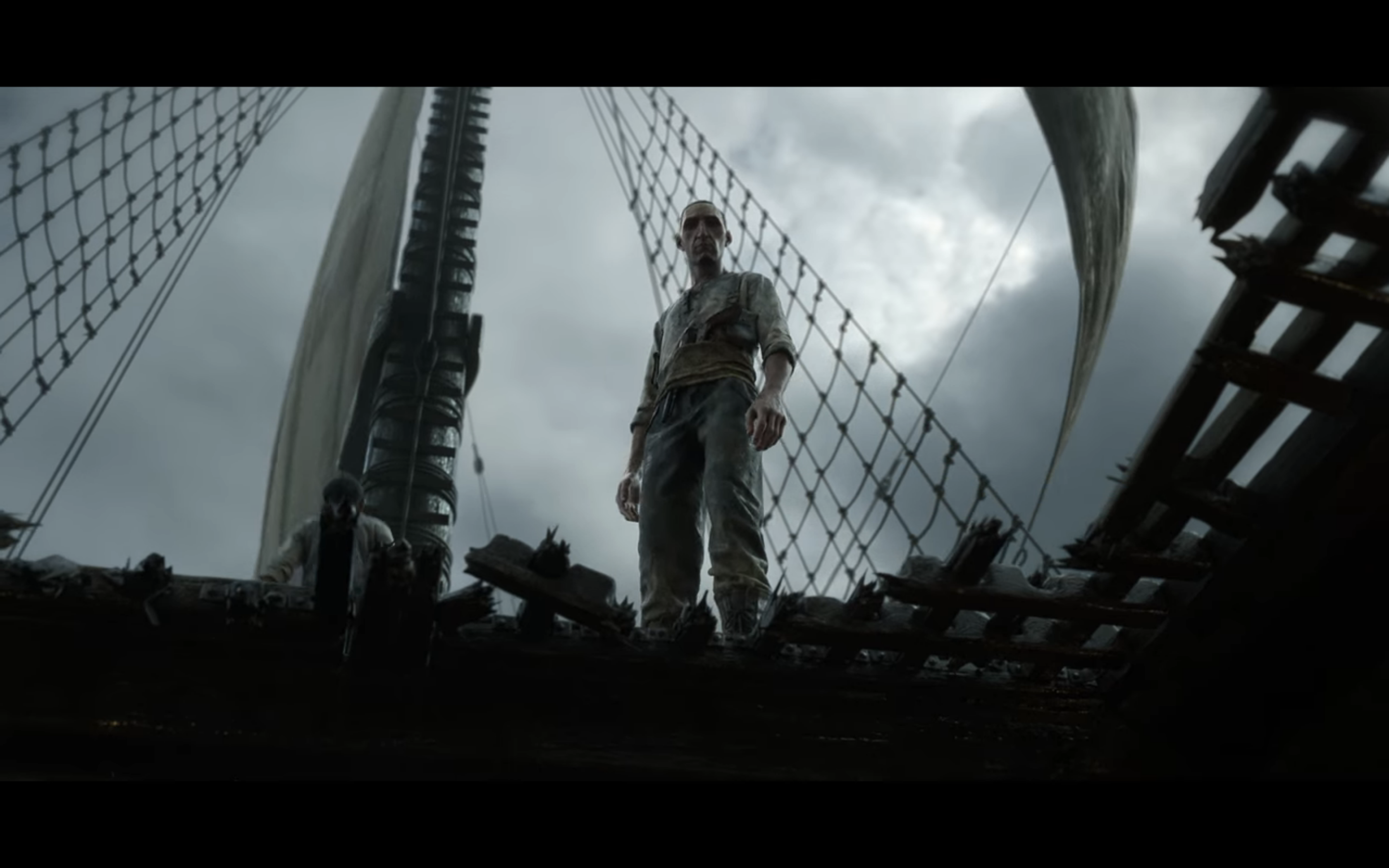
This episode might be about a giant crustacean taking over a ship and causing havoc but it’s also about the deceit of democracy, the power struggle within a workforce, and the negotiation with an enemy. The theme of Bad Traveling is so relevant to the world we are currently living in. Are we making cowardly choices because we fear the enemy or mistrust those who are in charge? 

What makes a good leader? Is it someone who can manipulate the monsters we’ll face? Or is it someone who can see the evil within ourselves? Perhaps it’s both. In which case, how will he make choices when theoretically there is nobody on his side? Taking action for the greater good is as isolating as being alone on the ocean. 

1. The Witness

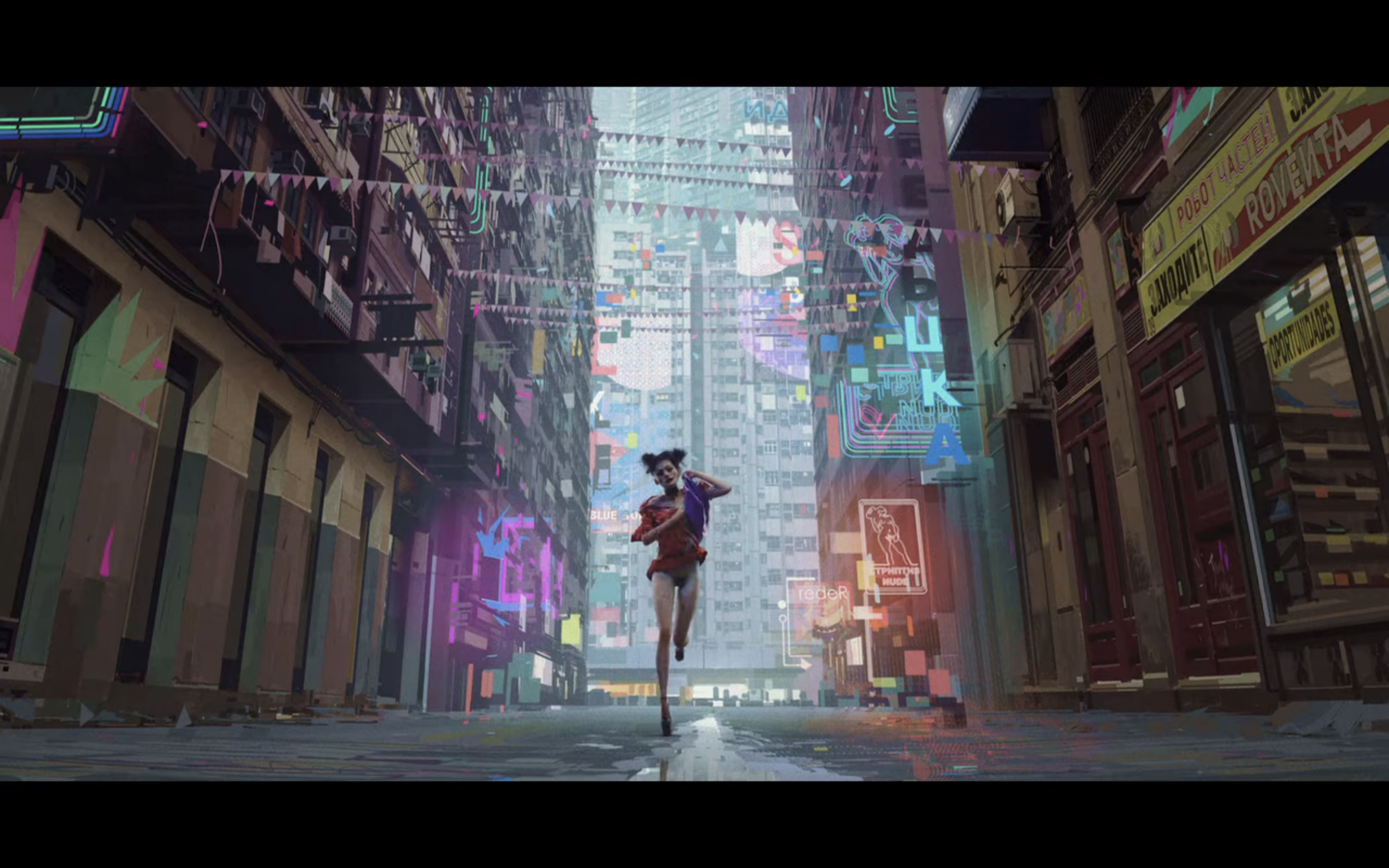
The Witness is an incredibly stimulating experience with the topsy-turvy comic art style, the titillating performance, and the claustrophobically tall buildings combined with a disorienting soundscape and fast cuts. The story starts with a sex worker witnessing a murder in the apartment across the street, then a chase through a populated city that doesn’t seem to care about anything but itself, and concludes in a chaotic struggle.

This mind-bending story about infinite loops is so brilliantly done that I don’t know if I can ever get the visuals out of my head. The way the characters breathe, so realistically, right onto the camera lens—I can feel it. The insanity of the situation. The need to know, the need to save ourselves, the fear of being caught. In such a diverse collection of stories, The Witness stands out on its own. And the open-ended conclusion leaves us wanting more, almost daring to chase it down ourselves, drawing our conclusions like the characters in the story. 

There you have it! Those are my top 10 episodes of Love Death + Robots. What do you think? Did your favorite episode make the list? Let me know in the comments below. As I mentioned, I’m excited that the sci-fi anthology was renewed for another season. I can’t wait to see what other trippy, scary, and bizarre stories creator Tim Miller and his contributing filmmakers will have. 

Join my YouTube community for insights on writing, the creative process, and the endurance needed to tackle big projects. Subscribe Now!

For more writing ideas and original stories, please sign up for my mailing list. You won’t receive emails from me often, but when you do, they’ll only include my proudest works.
Mr. Plow or Flaming Moe’s: Which is the Better Episode of The Simpsons?

There are two episodes of The Simpsons that stand out in my mind. These two episodes aren’t the bests but definitely make my top 20 list. I’m talking about Flaming Moe’s (season 3 episode 10) and Mr. Plow (season 4 episode 9). 

These two episodes had a lot in common, mainly they shared the theme of “stolen credit”. In both episodes, Homer encounters good ideas — or rather, stumbled upon happy accidents — only to have the success taken from him by a close friend. In Flaming Moe’s, it’s Moe, and in Mr. Plow, it’s Barney. 

While both episodes are pretty similar, one must stand above the other. Subjectively, one must be better. In this video, I share my thought process in making this very important, very valid judgment. 

But before I get into it, tell me, which one did you enjoy more? Which do you feel is the better episode? Feel free to let me know your reasons in the comments. I love to hear why! 

I also must say that these opinions are just that — opinions. They’re both awesome episodes, or terrible episodes, or whatever you want to believe. There is no wrong answer. Okay? Now that I’m done appeasing you, on with the video. 

The Opening: 

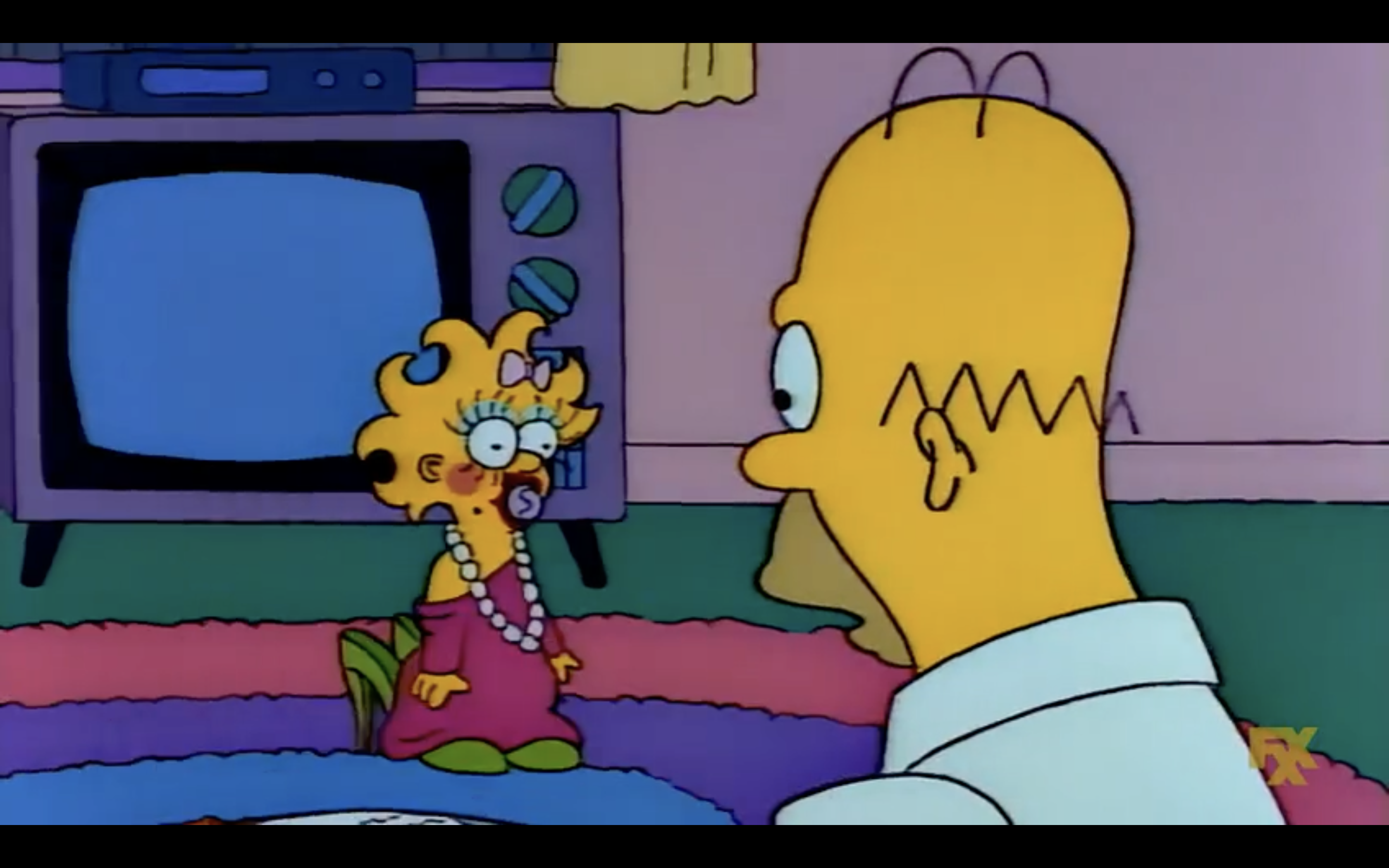
Both episodes begin in the same way, with Homer watching TV. This is one of my favorite opening structures because it always lends itself to ridiculous jokes with no setup or context.  

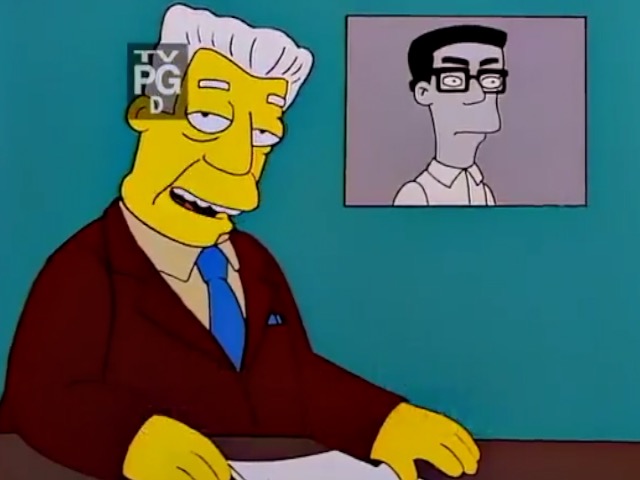
In Flaming Moe’s, Homer is watching at home while Lisa is having a slumber party upstairs. On the TV, it’s Eye on Springfield with Kent Brockman, previewing the episode, which includes the Silver anniversary of the Springfield Tire Yard Fire, Springfield’s oldest man meets Springfield’s fattest man (who isn’t so fat), an interview with Drederick Tatum, and part seven of the eye-opening look on the bikini. 

Whereas, in Mr. Plow, the kids are watching Troy Maclure in Carnival of the Stars. In this segment, we see Angela Landsbury walking on hot coals and Krusty getting mauled by three white tigers. Shortly after, the kids switched to the Bumblebee Man Show.  

Hilarious, but no context. 

When it comes to the opening scene, I have to give it to Flaming Moe’s. It was an overall funnier segment of Springfield television.

Flaming Moe’s: 1

Mr. Plow: 0

The First Act: 

In Flaming Moe’s, Homer decides he has enough of his children and heads off to Moe’s. However, the tavern is a failing business, and Moe is all out of beer. In a sober panic, Homer recalls a drink he made on a boring night watching his sisters-in-laws’ vacation slides. Blending random household liquids, Homer made a pretty good drink. But when Selma’s cigarette ashes fell into his glass and set it on fire, balancing out the alcohol content, it got even better! 

He shares the recipe with Moe, and the bartender recreates the drink. It’s as good as he last remembered — after it’s set on fire, of course. In order to please another customer, Moe slides over Homer’s concoction, and the customer loves it too! But just when Homer is about to tell the random what the drink is called, Moe cuts in and steals his credit. A shocking moment for viewers. 

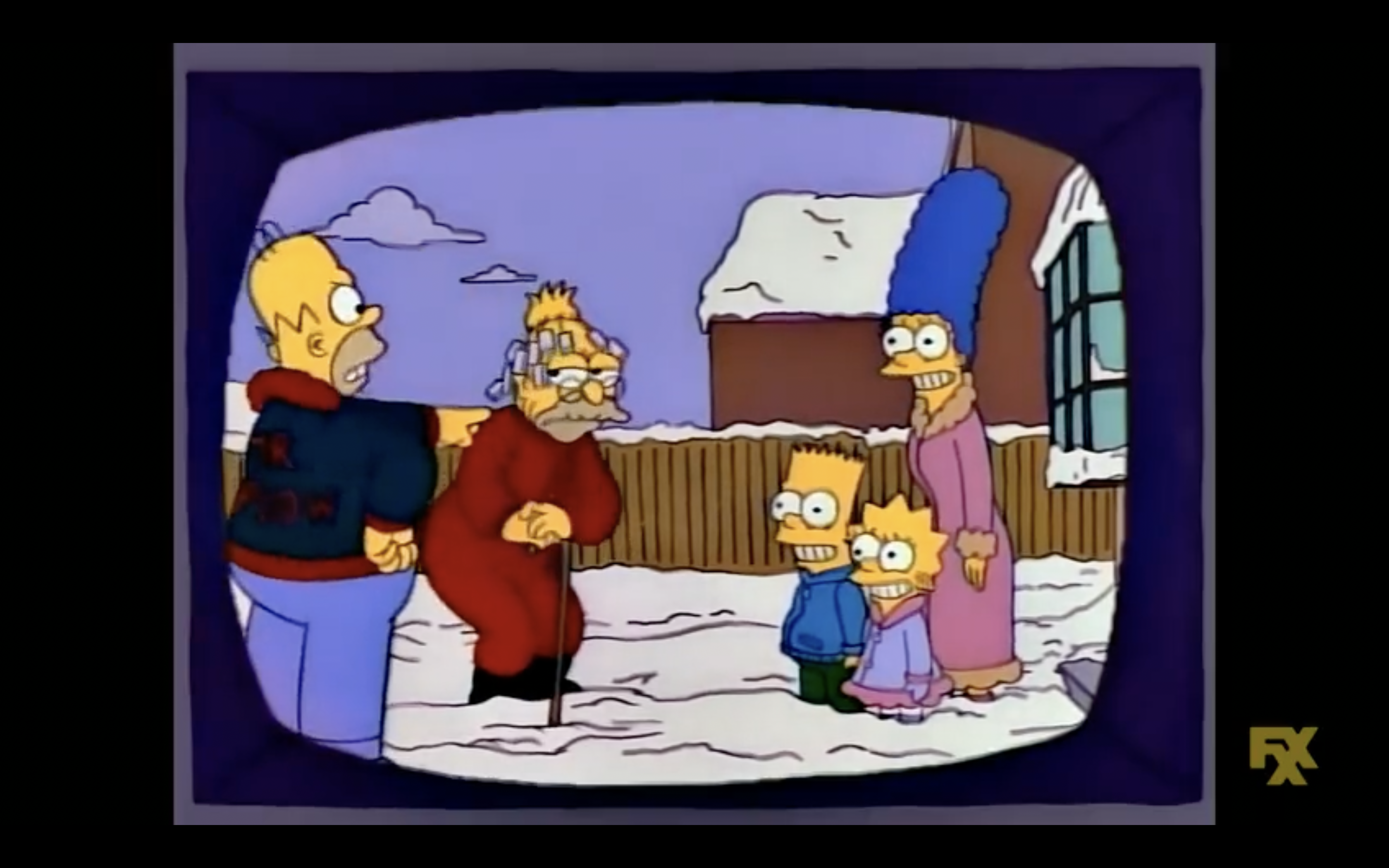
In Mr. Plow, Moe’s Tavern is also the setting of the inciting incident, proving that bad stuff happens when you go to Moe’s. Amid a snow storm, Homer attempts to drive home and ends up smashing his car into Marge’s, a hilarious turn of events that nobody expected on first viewing and remains funny still. Suddenly, the Simpsons totaled both of their vehicles. 

The first act ends with Homer attending the Springfield Auto Show, where he eventually gets pressured into buying a snowplow over some sexist gesture from the salesman. So Homer! 

In terms of story structure, Mr. Plow has a more straightforward first act. Very effective, clear, and packed with a lot of jokes. The most notable one is when Homer’s thinking on his feet, coming up with another location that would have him returning home in the middle of the night. And don’t forget about all the antics at the auto show, especially with the one true Batman, Adam West. This opening act is hard to beat.

However, Flaming Moe’s is a quintessential Simpsons first act, because, for the first four minutes, you think the episode will go in one direction, but then it takes a turn into another. A classic Simpsons opening. 

I’ve seen this episode a hundred times, and I still love the twists and turns it has — especially the betrayal right before the first commercial break. Was Moe seriously going to take his credit? Was Homer going to sit there and allow it? 

Beyond the Homer-making-the-drink flashback being one of the most iconic moments in The Simpsons, it also explores Moe’s character in a way that made him human — despicable — but human still. Moe is one of my favorite characters, and I think this episode is a big reason why.  He’s more than just a catchphrase. He’s dark. 

While both these episodes effectively created drama in the inciting incident, it’s Flaming Moe’s that takes the two-nothing lead over Mr. Plow. 

Flaming Moe’s: 2

Mr. Plow: 0

The Slight:

Next, let’s look at the severity of the slight against Homer. Which stolen credit is actually worse? Which is more realistic? 

While the name Flaming Moe’s can be trademarked, the recipe can’t. I’m not a lawyer, but I believe if Homer wants to compete in the market, he can. He didn’t sign any contracts. He just can’t call it Flaming Moe’s, and likely can’t call it Flaming Homer’s either. 

Homer could still beat Moe to the national market and sell the recipe to major manufacturers first. Legally there was nothing stopping him. But he didn’t. Perhaps even while bitter, he exemplified goodness. Or more likely he was too stupid to realize that that was possible. 

When you think about it, the slight had nothing to do with the drink or Moe’s fame. It was about the betrayal between friends. Had some other person stolen Homer’s idea, he might not have been so angry that he hallucinated that person’s face in flowers. No, it wasn’t that Moe stole the drink’s name. It was that he didn’t even ask for it or apologize. 

While the conflict in Mr. Plow is similar, the episode’s structure is quite different. Homer spends the first half of Act 2 growing his snow plow business by using strange marketing tactics, including hijacking a church sermon, planting windshield wiper flyers, and producing a 3 am commercial.  

Homer is struggling, hustling, and still, he’s barely successful. 

To best understand the slight, one must ask how Barney acquired the plow. From Marge’s reaction, we know that plows aren’t cheap. How did a deadbeat like Barney buy one? When you think about it, unless Barney inherited the plow, he’d made the same risk as Homer. And, in a way, should be commended. 

It’s true that plows are most common during the snowy seasons, but many with plow trucks also find work during the summer in construction or for the public. There is work out there for people with equipment. Homer just needed some business acumen to see beyond the obvious clients. 

Much like Moe, Barney took his idea right from under him and sold it better than he could. While the slight is real, it is never about the originality or lucrativeness of the business plan but rather the way it was taken. If, at any point, they partnered up, they could’ve built a sustainable business. 

There were flaws in both of these slights, which were exaggerated for the purpose of comedy. But I cannot ignore Homer’s hustle to grow his business in Mr. Plow and all the belief and effort he put in, despite being a mediocre plowman. That’s why, for the category of slight, I’m giving the point to Mr. Plow. 

Flaming Moe’s: 2

Mr. Plow: 1

The Villian’s Intent: 

Now let’s look at the antagonists: Moe and Barney. Which one is the more convincing and despicable villain? 

The thing is, both were at a low point when they betrayed Homer. Moe’s Tavern had completely run out of beer, while the only work Barney could find was as a giant baby handing out flyers. 

Where they confronted their devils was at the high point. Moe, blinded by fame, fortune, and Aerosmith, ignores Homer when he tries to tell him how he felt and that Moe had lost not only a customer but a friend. Greed and pride had turned Moe into a monster. 

Only when Moe was at risk of losing a beautiful woman did he reconsider his stance on giving Homer a portion of the sale, a conversation that perhaps didn’t need an ultimatum. 

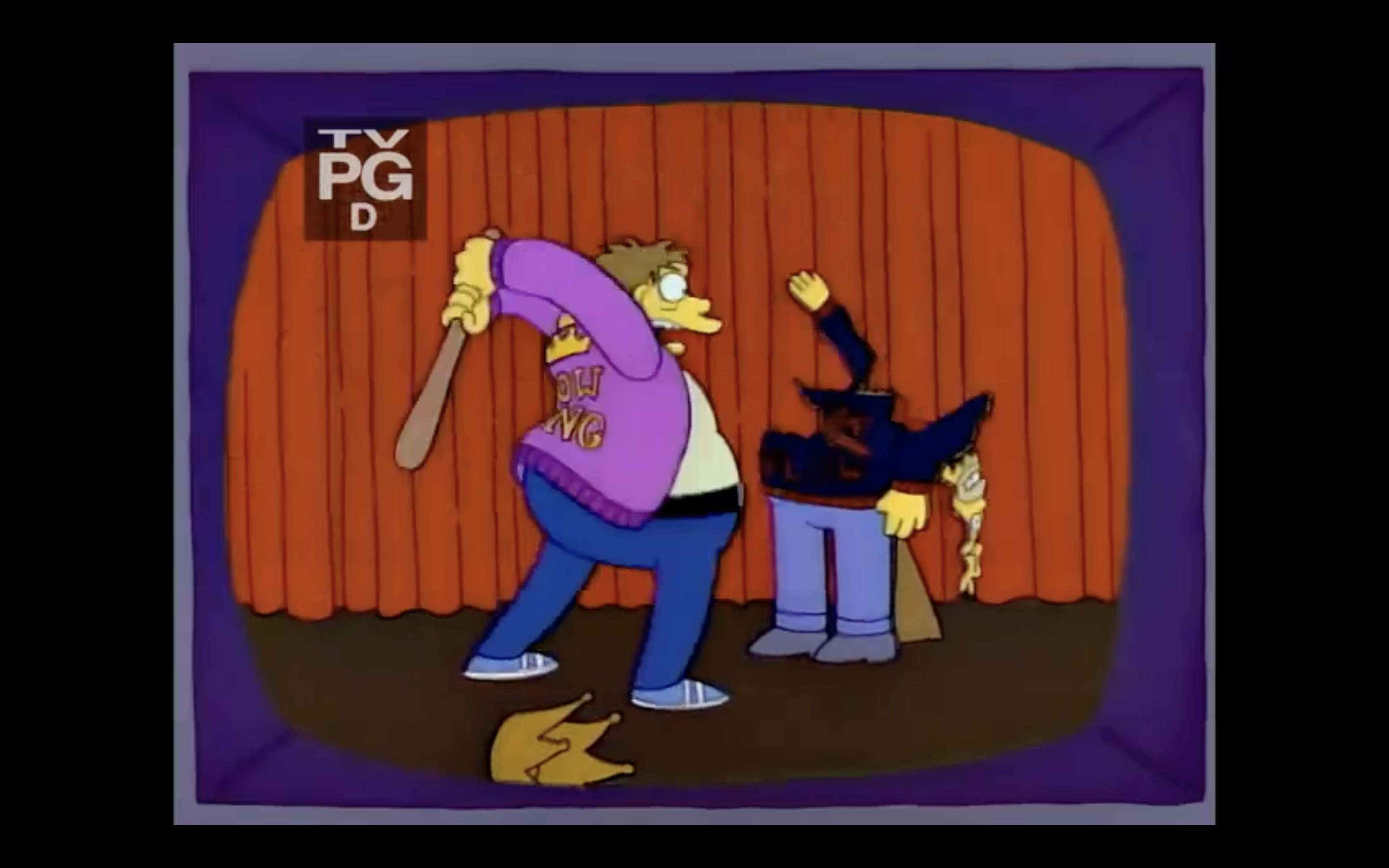
Barney’s darkest moment was during a Plow King commercial when he bashes the Homer cardboard cutout. That’s when we see Barney guided by wrath. Even though he was once a dear friend, Barney wanted to destroy Homer and eliminate him as a competition. 

Fun fact: In the original script, it was Lenny who was supposed to betray Homer and become his plow business rival. It was a smart choice to replace him with Barney because can you really see Lenny doing such an evil act? 

So, comparing Moe with Barney, who is the greater villain? When we look at it from Homer’s perspective, Barney is far worse. Not only does Barney steal his idea, but he also takes all the achievements away from Homer —the clients and the key to the city, which is not made of chocolate — and shames him publically. Barney is far more ruthless. With that, I’ll give the point to Mr. Plow.

Flaming Moe’s: 2

Mr. Plow: 2 

Celebrity Cameos and Musical Numbers:

What makes these classic Simpsons episodes great is the seamless incorporation of celebrity cameos and musical numbers. These two episodes have some really good ones. 

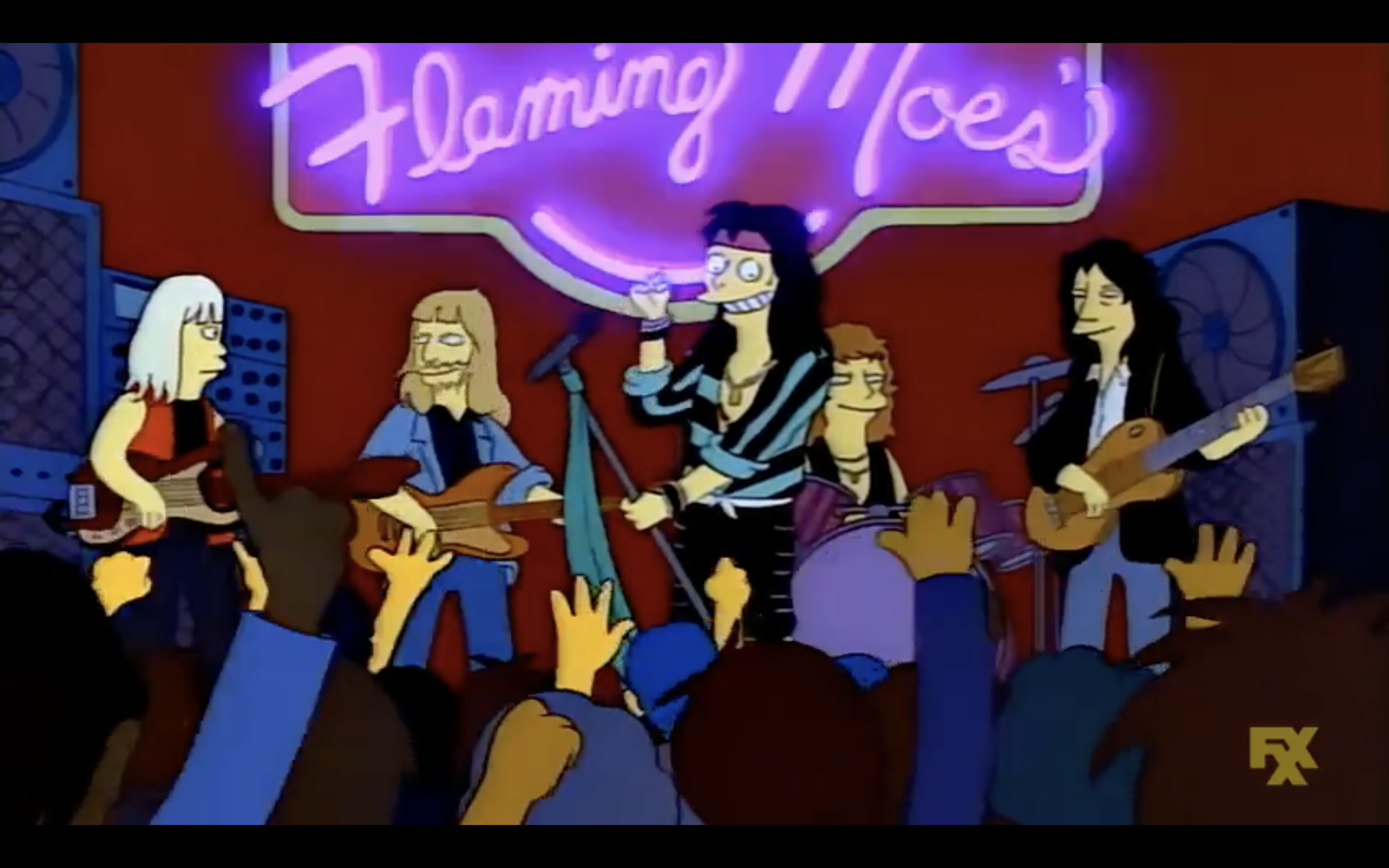
In Flaming Moe’s, Aerosmith makes their cameo as a bunch of guys sitting at the bar and then pressured to perform on a stage that was already perfectly set up. Maybe it’s a little contrived, but what better way to show the height of a venue’s popularity during the 90s than having Aerosmith play Walk This Way? 

What really impressed me was the Cheers theme song parody. I love the old-timey crosshatching style and the way it transitioned right into the studio audience sitcom. The Woody Harrelson character greeting Barney as he entered and the laugh track in the background all flowed together so well. 

Not to be outdone, in Mr. Plow, Adam West gives one of the most memorable celebrity cameos ever. When Bart doesn’t know who Robin is, West goes off on a tangent at the Auto Show, with the camera shifting to a dutch angle, a call back to the old Batman episodes. It was such a clever way to incorporate a guest into the storyline. Using Adam West and the iconic Batmobile in an episode about awkward vehicles is just brilliant. 

Another cameo — this one went over my head because I’m not a country music fan — was Linda Ronstadt. All I know was that she was engaged to George Lucas. While I don’t know any of her original music, I still laugh every time I hear, “Mr. Plow is a loser and I think he is a boozer…” 

Both these episodes have knock-out cameos and musical numbers, but I have to give it to Flaming Moe’s. The Cheers parody, the way the visual and audio all work together, is the element that tips it over for me. 

Flaming Moe’s: 3

Mr. Plow: 2

The Roles of the Family: 

Both these episodes focus on Homer, but the Simpsons family is essential in supporting him. 

In Flaming Moe’s, Bart is such a great character. First, he’s the victim of his sister’s abuse, which is a role reversal. Then Bart acts as his dad’s advocate by sharing his achievement in a show and tell. Later he flips and gets a Flaming Moe’s fan t-shirt. And finally, his phone call prank backfires on him. This is a refreshing episode for Bart, as he shares his father’s plight, making Homer more sympathetic.

Marge’s supportive bedroom scene is one of the most iconic compositions in The Simpsons. It’s so simple, yet so theatrical. And her muted expression only makes it better.

In Mr. Plow, the family is a support system for Homer. The first commercial, an homage to the late-night cable, is one of the funniest scenes in the entire episode. 

The relationship between Homer and Marge is an inspiration for all married couples. First, Homer recognizes that he should talk to his wife before purchasing the plow, however, ends up being manipulated anyways. Then when she confronts him, Homer accepts that it was a stupid decision and that if she were to keep getting angry at him, he would just have to stop doing stupid things. Very understanding. Finally, it’s perhaps Marge’s attraction for Homer and his Mr. Plow uniform that we remember best. 

There is so much to love in both these episodes involving the family, but the commercial in Mr. Plow, where all the family members are incorporated, even Grandpa as Old Man Winter, is what wins it over for me. I love that sequence, especially Bart questioning Homer about being “bond and licensed”. For that, I give the family involvement point to Mr. Plow, which ties it up at 3. 

Flaming Moe’s: 3

Mr. Plow: 3

The Conclusion: 

Now to break the tie, let’s return to the plot and talk about how Homer responds to the injustice and the episode’s conclusion.

In Flaming Moe’s, Homer responded well at first. He was reasonable in expressing how he felt to his friend, but when Moe consistently ignored him, jealousy and frustration started to boil over. Even when Marge attempted to calm him, it only sent him deeper into a mental breakdown. 

Once he spiraled out, Homer revealed the secret ingredient in front of everyone at the bar. If he was more sensible, he could’ve sold the recipe to Tipsy McStagger’s Good Time Drinking and Eating Emporium. Giving it for free in the way he did was a foolish move. And this reminds us that Homer doesn’t deserve fame and fortune either. 

In Mr. Plow, Homer nearly commits murder by misleading Barney out to Widow’s Peak where he gets caught in an avalanche. Luckily, he redeems himself by going out there and rescuing him. After stealing some of his business, of course. 

In both scenarios, Homer didn’t respond in the most moralistic way. He exhibited the if-I-can’t-have-it-then-they-couldn’t-have-it-either mentality. Still, both episodes return to neutral grounds, and he makes amends.

So which episode gets the point? For me, it’s not just about how Homer responds, but how his friend reacts in turn. The episode that ties it up the best, wrapping up the “stolen credit” theme in the most satisfying way is Flaming Moe’s. 

The last scene, where Moe offers Homer the drink with its original name, still melts my heart. And I believe that shows growth in the character that was missing from Mr. Plow. For that, the winner of this comparison goes to Flaming Moe’s. 

Flaming Moes: 4

Mr. Plow: 3

There you have it! Congratulations Flaming Moe’s. What an honor. 

Now there are many ways to measure and compare an episode. I chose to examine both through the lens of the theme and the story structure. If you disagree with this assessment or if you have an aspect that I missed in this article, please let me know in the comments. 

Check out these other articles about The Simpsons here:

Join my YouTube community for insights on writing, the creative process, and the endurance needed to tackle big projects. Subscribe Now!

For more writing inspiration and original stories, please sign up for my mailing list. You won’t receive emails from me often, but when you do, they’ll only include my proudest works.

Why Squid Game Episode 2 Is So Interesting and Important

When Squid Game was first described to me, I heard comparisons with The Hunger Games. After watching it. I understood. Both had the word Game in the title. Both shared some themes: poverty, control, survival. Both were global successes and tapped into the zeitgeist of what we were all thinking about which was killing each other. 

I’ve seen these types of every-person-for-themselves action dramas before. After watching the first episode I was satisfied. It could have ended there and have been a chilling end to an intriguing short film. Of course, it didn’t end there. There were eight more episodes in the season. And sure, the writers could have kept the story going with each episode being a game, with characters being sacrificed, and the protagonist making it to the end. That’s all easy to predict. But then Episode 2 happened. 

If you haven’t seen Squid Game yet… I must warn you that there will be spoilers. With that being said allow me to quickly sum up Episode 2, Hell: 

After surviving the first game of Red Light, Green Light, the remaining 201 players vote to decide whether they want to continue playing or forfeit the money and return to their normal lives. With one person left determining the vote, the old man, number 001, votes to go home. Back in Seoul, the contestants attempt to survive a different game. In addition to the protagonist, Gi-hun, the story now follows an additional five other players from the Game, as well as establish a B plot with the police officer, Jun Ho. The episode follows the characters as they confront the challenges of their lives whether it’s getting money to pay for surgery, evading arrest for fraud, getting a sibling out of an orphanage, avoiding unpaid debts, or fleeing after horribly mutilating a corrupt boss. In the end, all six characters decide that their only choice is to return to the game and try their luck. 

Episode 2 is pretty straightforward. It’s the characters jumping out of the pan, but into the fire. It’s one of those episodes where we follow multiple characters’ storylines with multiple story arcs. However, this episode is critical for us to continue to watch Squid Game. It’s this episode that made it an international phenomenon. Without this episode, it would be another gimmicky violent thriller, a derivative of many others. So while I understand the comparison with The Hunger Games, it is this episode, for me, that makes Squid Game something unto itself. 

Enhance the Viewer’s Participation

We might not be the VIPs, but every one of us watching Squid Game is making a bet subconsciously. We wonder who will make it to the end. We can safely guess that Gi-hun will be there; he’s the protagonist, after all. But who would challenge him in the finale? 

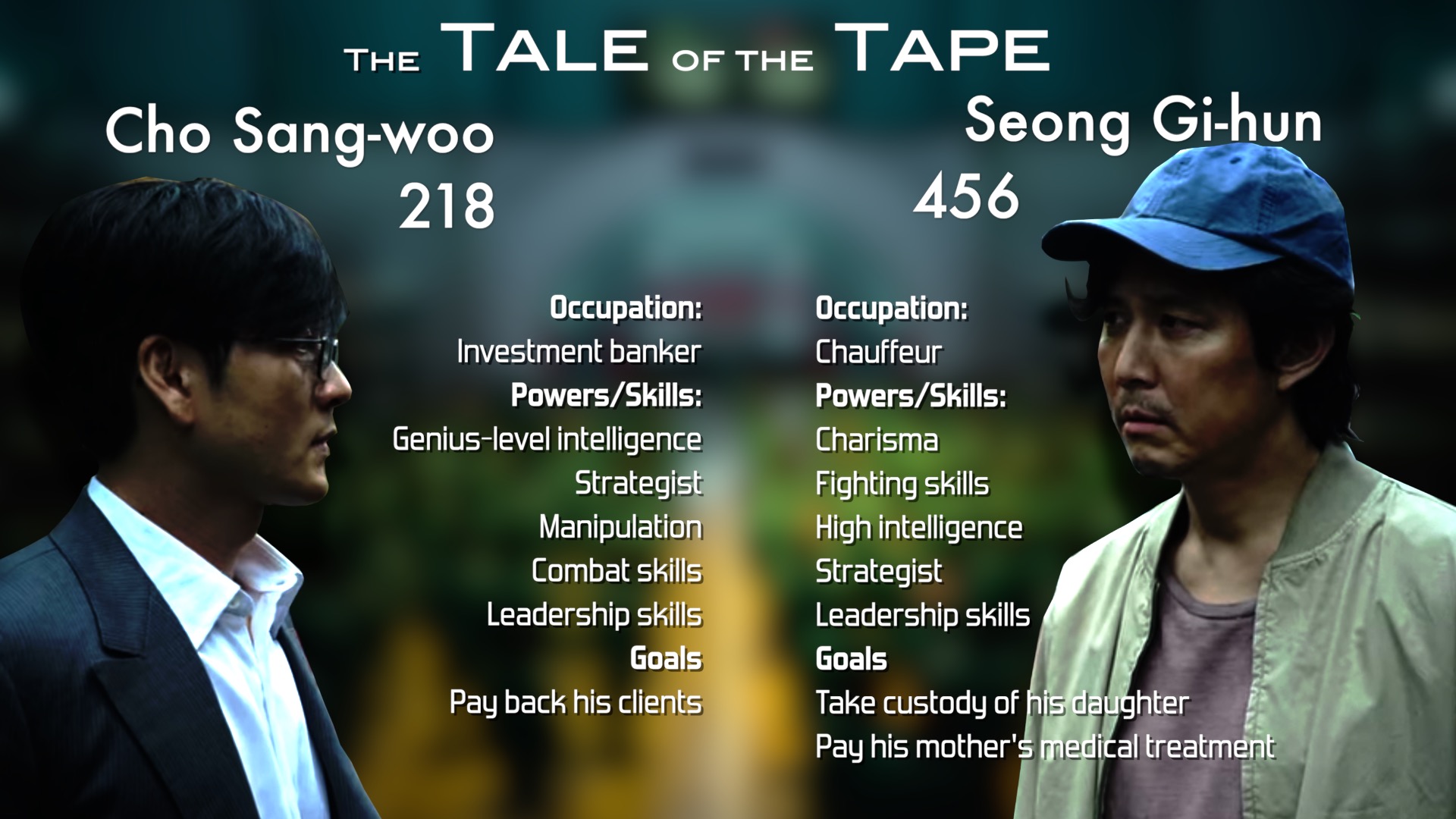
Like the tale of the tape, we need to know the strengths and weaknesses of the contestants before we can make a solid decision. That is why before we watch a boxing or MMA fight, we often follow the little documentaries and listen to the interviews of the fighters to see what drives them. 

Episode 2 branches out, and allows us to examine the five other contestants in a familiar environment. What are their values? How risk-averse are they? What do they have at stake? How do they treat others? 

This is what makes the show so appealing because it taps into the psyche of so many of us during these trying times. Some of us have made bad decisions, some of us are feeling vengeful, some of us are desperate, but all of us are struggling. We can all relate to one of the six characters that the show follows. We all see positives and negatives in these characters that we can attribute to ourselves. 

This episode, allows us to make an educated guess and understand these characters. Yet, this episode still retains the unpredictability of the story and keeps the viewer invested, as much as a sports fan would when cheering for their team. 

Present the Alternative

Episode 2 shows us a completely alternate show. If they were to never return to the Squid Game, we could continue following these characters in this hellish world, and it will probably still be entertaining. 

Would it be an international sensation? No, but it would still be a respectable show with complex characters surviving thrilling scenarios. 

Episode 2 doesn’t only show the characters how terrible their realities are, it shows us, the viewers, something we are familiar with. Episode 2 has rules we all understand. Episode 2 cleanses our palettes before we start the main course. Episode 2 prepares us for all the violence and bloodshed that the show has left to offer. Episode 2 gives us time to tell ourselves… “Okay… I could stop here… this isn’t my thing.” 

By allowing this little moment for us all to breathe, we can brace for all the drama and tension to come. If you open with a bang… you don’t follow up with another bang… you follow up with a breath. Episode 2 is a lesson in pacing.  

Reinforce the Theme

Squid Game is a show about making choices. Making choices to join, making choices during the games, making choices with alliances, making choices to give mercy or kill. 

Episode 2 maintains that theme. It’s all about characters making choices. In the beginning, they choose whether to leave and in the end, they choose whether to return. Scene after scene, in between, we witness characters making key decisions.

Yet… wait… at the beginning they ask to leave and at the end, they return? Wasn’t it all kind of pointless? Does any of the choices even matter? 

One of the greatest questions in philosophy is whether free will exist. Is everything already pre-determined? Are we merely floating through space and time at the whim of the universe? Does any of it matter? 

At the end of the season, we hear the contestants being referred to as horses in a race. This reminded me of a saying I heard once — and I consider it when I think of free will: Horses don’t know we want them to go faster, they just know they’re being whipped.

Episode 2 is so brilliant because like all great philosophy it’s a bit of a contradiction. 

If you like Squid Game, Episode 2 probably wouldn’t be your favorite episode. But Episode 2 is the summation of the story’s thesis. Episode 2 is the one episode you can skip and you wouldn’t miss any of the trademarks that make the show. However, you’d lose a layer of character development that takes the show from another gimmicky concept to a multi-layered character piece. And with that, the audience feels as though they are involved. 

How did you feel about this episode? Do you think another episode was more critical? Let me know in the comments below.

For more writing ideas and original stories, please sign up for my mailing list. You won’t receive emails from me often, but when you do, they’ll only include my proudest works.

How to Write a Tragic Character: Frank Grimes

Today we’ll be exploring one of the most tragic characters in the Simpsons canon, Homer’s Enemy, Frank Grimes. Frank Grimes or Grimey appeared in what many consider to be one of the darkest episodes in all of The Simpsons. What made episode 23 of season 8 so unique and unforgettable was that the Frank Grimes character actually represented a normal person (a hardworking, persevering American everyman) stepping into The Simpsons Universe. Frank Grimes is most of us. 

But what was it that made Frank Grimes so relatable yet so tragic? It was the shape of his story.

Charting characters’ journeys through a story is a good way to ensure they don’t stay stagnant.  This can be done by monitoring how the character moves up and down the rankings of fortune. What happens to this character? What does he or she do from beginning to end? And do those events and actions yield something good or something bad? 

In a 2004 lecture, the author of Slaughter-House Five, Kurt Vonnegut showed the variety of shapes a story can take on a graph he drew on a chalkboard. On the vertical axis (The G-I axis) top represents good fortune for the character (they get a promotion, they get married, or they win a championship) and at the bottom ill fortune (they get sick, they get fired, or they lose everything in a hurricane). On the horizontal axis (The B-E axis) the left is the beginning and the right is the end of the story. 

Using this graph we can see the story of Frank Grimes unfold more clearly and recognize how to use triumphs and failures to build a character. 

Frank Grimes’ life begins like any other somewhere just above good fortune for having been born. Yet early in his story, he is stricken with bad luck. At the age of four, Frank Grimes was abandoned by his family. Orphaned at such a young age, this set his life into a downward trend. 

At least he gets a job, but he doesn’t rise up far, for it’s a job as a delivery boy, delivering toys to richer more fortunate children. Fortune continues going down for many years until his 18th birthday, when Frank Grimes is blown up in a silo explosion. The bottom falls out and we find our character as low as he’s ever been. 

Grimes recovers, slowly rising upward, and begins learning to hear and feel pain again. Gradually he climbs using his leisure time to study science by mail. Seventeen years past since his accident, working hard and persisting, Frank Grimes finally crosses the line from ill fortune into good fortune. At 35 years old, he received his correspondence school diploma in Nuclear Physics, with a minor in determination. He experiences a blimp immediately after this as a bird tries to steal his diploma. 

A week after, Frank Grimes’ fortune soared higher, when his segment in Kent’s People aired and Mr. Burns sought to hire him as the Executive Vice President of the Power Plant. Now, if Frank Grimes’ story was to end here, it would be a true underdog story, a man starting at zero and rising to the top. However, in this episode, this is where the story really begins. The story begins with Frank Grimes at his peak and we see how quickly his fortune reverses. 

Grimes spent no more than one full day at the pinnacle of his fortune. The next day Mr. Burns watched another segment of Kent’s People, this time about a heroic dog, and had already forgotten about the self-made-man. 

Having been put out of the way, Grimes begins a slow decline into madness. First with Homer touching his pencils, then calling him Stretch and eating his special dietetic lunch, then destroying his pencils, and finally being annoying and shirking his job, especially when there’s a Five-Thirteen,  

Even as annoying as Homer is, Grimes doesn’t fall below origin, that is until he saves Homer’s life, knocking a haphazardly placed beaker of sulphuric acid out of his hand into the wall, melting it completely. This just so happens as Mr. Burns is walking by. Things drop significantly, when Mr. Burns doesn’t terminate Grimes, but gives him one more chance, at a reduced salary. Grimes is not at rock bottom, things aren’t worse than when he was caught in the silo explosion, but it’s a dramatic turning point for Grimes, who wants nothing more to do with Homer. 

As bad as Grimes’ life is living in a single room above a bowling alley below another bowling alley and working a second job at the foundry, things don’t get any worse, until Homer tricks him to come over to his palace for an extravagant lobster dinner and to show off his perfect family. After seeing all of Homer’s achievements, going to space and winning a Grammy, the floor falls away and Grimes nosedives, but catches himself when he storms out after calling Homer a fraud. 

In an effort to get even, expose and disgrace Homer, and get some positive fortune, Grimes fools Homer into participating in the Children’s Nuclear Design Contest. Things were looking good for a short moment, but then, Homer hit his car on his way home to work on his design. All of that would be fine, if Homer is embarrassed on stage, but his plan fails and Homer wins the competition. This time, Grimes is unable to catch himself. Losing his mind, he mimics Homer self destructively, causing a scene and eventually electrocuting himself to death. Grimes’ life ends at a new low point. To accomplish all he had and to end up so disrespected, Frank Grimes’ character journey truly represents the tragedy of the American working class. How hard working people can overcome so much and still implode upon themselves. 

Yes, Homer’s Enemy is a dark episode, but it’s also one of the most memorable ones, because when we watch The Simpsons, in reality, more often than not, we are in Frank Grimes’ shoes. We all face good and ill fortune, that is what makes a character relatable. If you want to create your own character that experiences profound change, I recommend plotting their life on a story shape graph. Make sure they face good and ill fortune through their lives. Then choose a starting point. In the case of Frank Grimes, the story starts while he’s most fortunate. Maybe that’s a good place to start the story of your tragic character as well. 

Do you want to see the shape of a story for another famous character? Let me know in the comments. It can be from a movie, television show or literature. I’ll do my best to make it possible.

My favourite episode of The Simpsons is Lemon of Troy. It’s arguably the best written 22 minute of television. Allow me to explain. Read the article here.

For more writing and editing inspiration and stories, please consider signing up for my mailing list. You won’t receive emails from me often, but when you do, it’ll include only works that I’m most proud of.