A problem, but not our problem
By Elliot Chan, Opinions Editor
Formerly published in the Other Press. Dec. 2, 2015
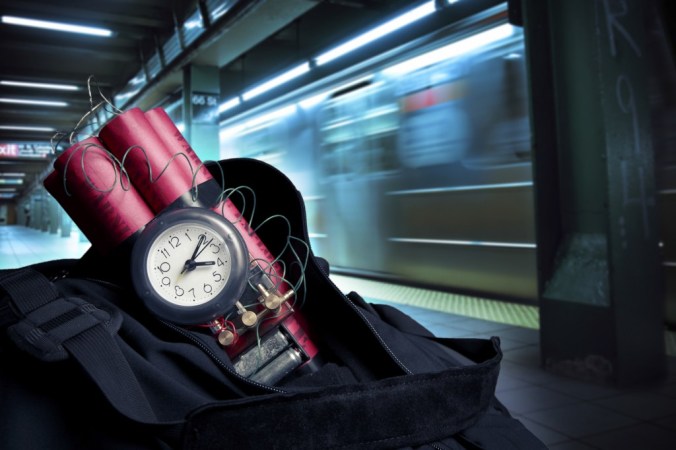
We can’t live our lives in fear. Terrorists want to instill fear into us, and as a whole it’s working. In the wake of a tragedy, we can all feel that fear. We all sympathize with the victims, and worry about our own safety. What’s stopping an attack from happening here, close to home? The answer: nothing.
Yet we all believe that there is a solution. We believe that if we can work together and put aside all our differences, we can fix everything.
When people talk about terrorism, what I hear is a situation akin to a natural disaster. But instead of earthquakes, hurricanes, and diseases, we suffer the wrath of people, Mother Nature’s most notorious killer. We understand the shift of tectonic plates, but we have yet to understand these “people.” We want to fight them, but can we fight a way of thinking? Can we fight a hurricane?
When I hear people talk about terrorism, I think about all the bad people in world—or merely those who we consider bad. I wonder what made them this way. I wonder how safe I am from becoming one of those people. How thin is that line from being the person running away from a bomb to being the person wearing the bomb?
The media presents terrorism through the lens of fear and anger. And so we fear it and we are angry at it. Yet, we seldom prepare for it. We expect it to stop somehow, as if that tragic time before will be the last time. We all know that earthquakes are never going to stop. Should one happen and we are caught unaware, we have nobody to blame. However, when a terrorist attack occurs and we are caught unprepared, we blame the act itself. We don’t blame the earthquake for being an earthquake?
Perhaps it’s time we react to terrorism as a continuous problem, one that is as natural as the movement of the earth, the temperature shift of the atmosphere, and our own poor health. We keep addressing terrorism as the terrorists’ problem—they are the ones that need to change. They are the ones that need to die, before they kill us. It is not their problem; it is our problem. If a fire takes place in our house, it is not the fire’s job to put itself out. It’s our problem. We need to know immediately what to do after the flame goes out of control.
What I hear when we talk about terrorism? I hear us trying to solve a problem that has existed forever. People killing other people. It’s a virus that lives within our humanity. In one form or another, it’ll continue to happen. It’s natural. Terrorist attacks, school shootings, mass murders: to stop these problems is, in a way, to stop being humans.

 Elliot Chan