Loch Henry: Black Mirror, Can It Happen?

Before we dive into Loch Henry, let’s flash back to when this episode first aired: June 15, 2023.

In 2023, policing and law enforcement were under intense scrutiny across the United States, and small towns in particular made headlines in ways that echo the tensions explored in Loch Henry. In January, Tyre Nichols — a 29-year-old Black man — died after being beaten by five Memphis police officers from “Scorpion”, the city’s specialized crime-suppression unit.

That same month, a violent and racially charged incident unfolded in Rankin County, Mississippi, when six white law enforcement officers entered a home without a warrant and tortured two Black men

The officers, calling themselves the “Goon Squad,” were later convicted and sentenced to prison terms ranging from 10 to 40 years. 

Meanwhile, across the U.S., countless small towns have been forced to downsize—or even disband. In Minnesota, the town of Goodhue made headlines in 2023 when its entire police force resigned over low pay and staffing challenges, leaving the community entirely in the hands of the county sheriff. 

In 2023, Netflix released Murdaugh Murders: A Southern Scandal, a documentary that peeled back the façade of one of South Carolina’s most influential families. What started as a story about a tragic boating accident unraveled into a web of corruption, financial fraud, and generational violence orchestrated by attorney Alex Murdaugh. The series revealed how a powerful patriarch could operate unchecked for decades, because an entire community learned to look away.

All of this brings us to Black Mirror—Season 6, Episode 2: Loch Henry. The episode dives into personal trauma, systemic injustice, and buried community secrets. Davis returns to his small hometown, only to uncover a dark history of violence and corruption, including his own father’s hidden crimes. 

In this video, we’ll break down the episode’s themes, explore real-world parallels, and ask whether these events have already happened—and if not, whether it is still plausible. 
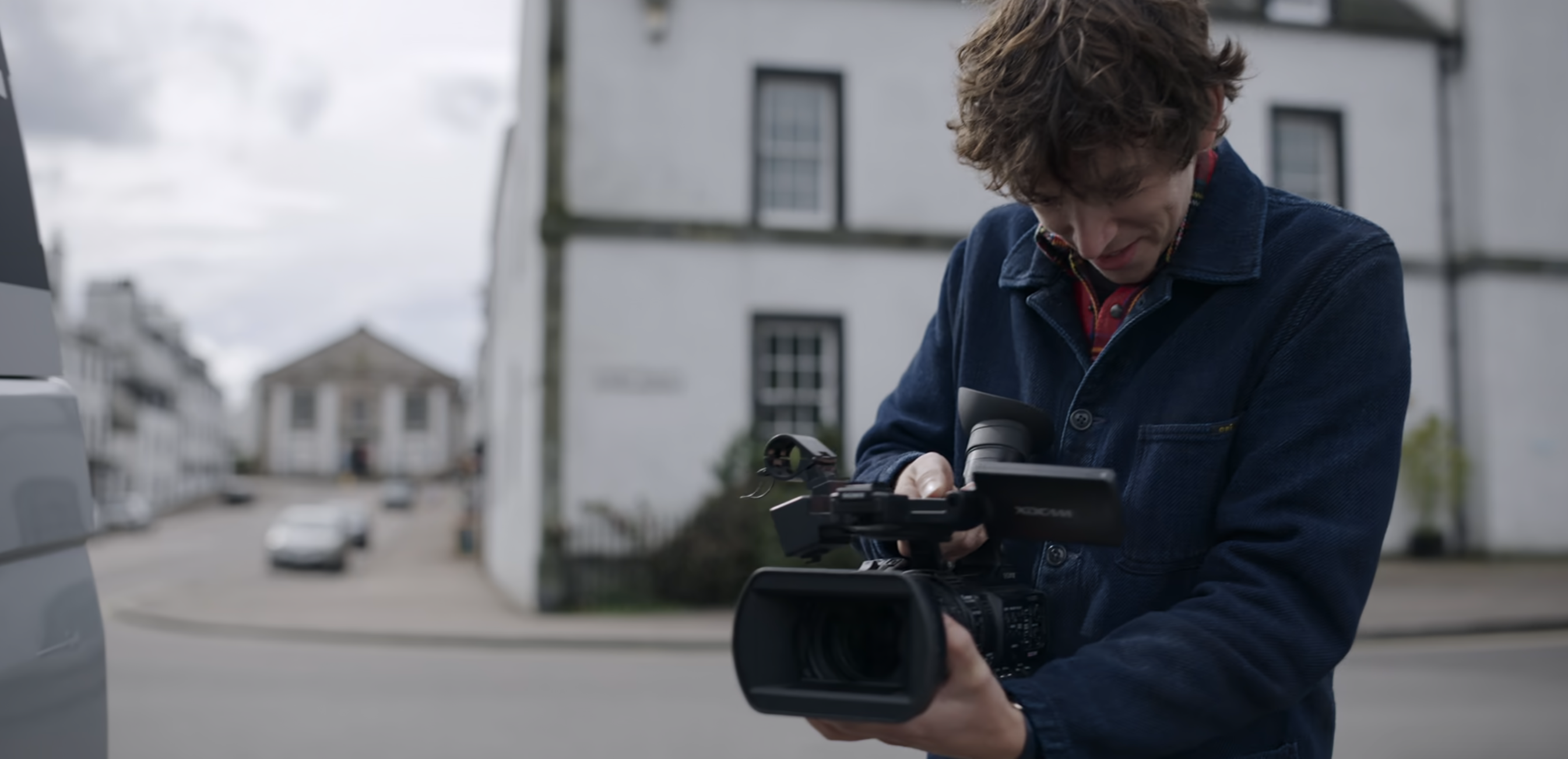
1. Still Recording

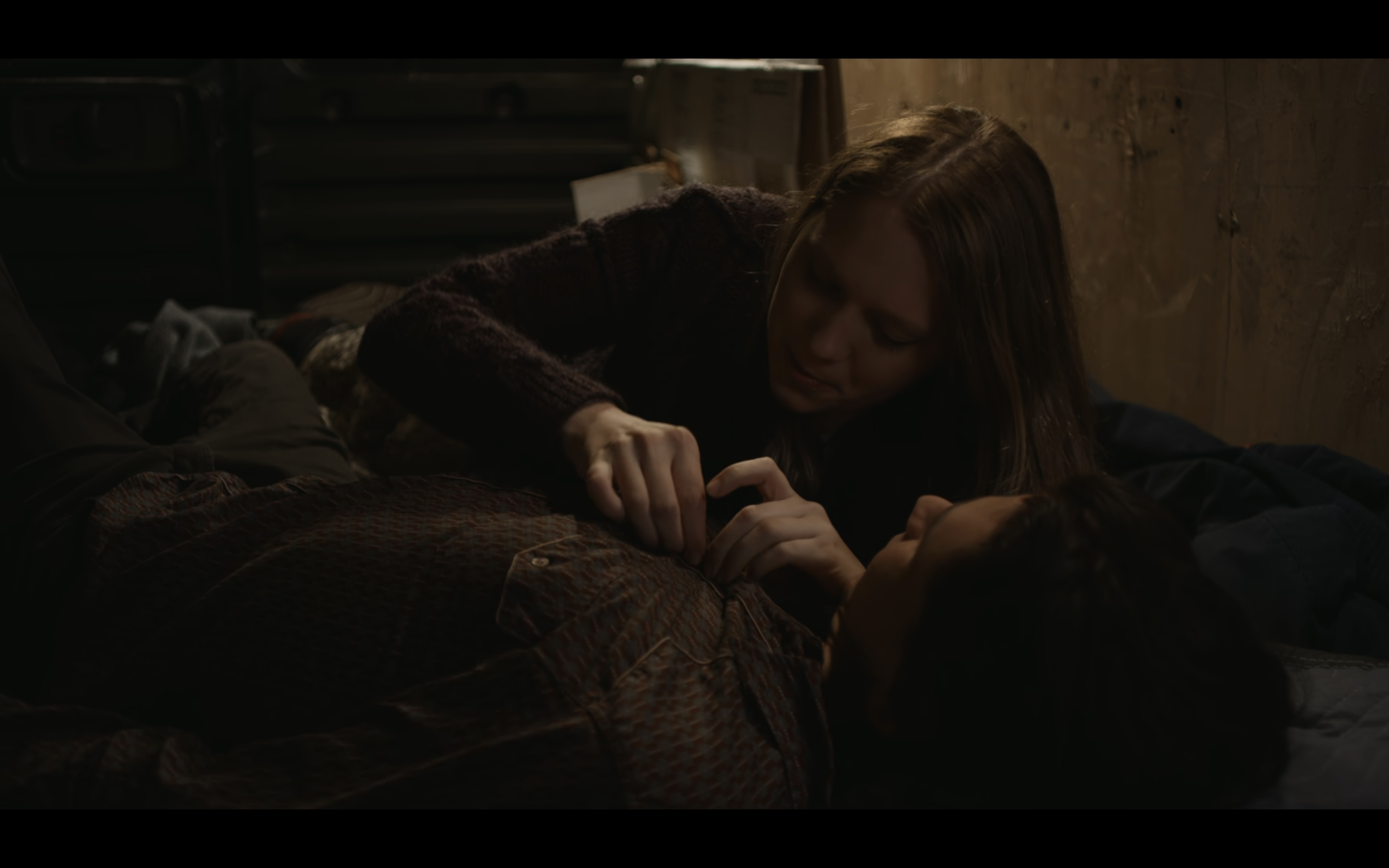
In Loch Henry, Davis brings his girlfriend Pia home to Scotland, expecting nothing more than a quiet visit and a small documentary project. But the moment they start digging into a local cold case, the more they uncover a truth no one ever intended to see. 

Digitizing his mom’s forgotten videotapes seemed like an innocent act, a way to preserve fading memories, until those memories revealed truths Davis had spent a lifetime unknowingly living beside.

What makes Loch Henry so unsettling is how familiar that unraveling feels. In real life, technology can expose the truth just as suddenly and brutally, often through the very tools we use to record memories. Old camcorders, security footage, and archived videos don’t just preserve the past; they can capture crimes, lies, and hidden actions that were never meant to be seen.

Take police body cameras. They were introduced as tools of transparency, but instead they’ve documented some of the most devastating failures in modern policing. 

On March 31, 2021, 22‑year-old Anthony Alvarez was fatally shot by a police officer in Chicago. Body‑cam footage showed Alvarez being shot in the back while fleeing, despite the police’s claim that he posed a threat.

When Pia first meets Davis’s mother, she asks if Pia grew up in America, noting her accent. What seems like an innocent question lands as a probing first impression, part of a series of subtle microaggressions that highlight her outsider status. The tension is heightened by the knowledge that Davis’s father was a police officer. These everyday slights reflect a harsher reality: around the world, visible minorities are often scrutinized and disproportionately targeted by law enforcement.

In late 2025, the Edmonton Police Service launched a pilot program equipping body-worn cameras with real-time facial recognition, scanning a “watch list” of more than 7,000 people. Privacy experts immediately raised red flags. Facial-recognition tech is still wildly unreliable, especially on marginalized groups, and rolling it out without broad public consultation risks turning entire communities into living databases.

A 2025 academic study by University of Philadelphia showed that the blurrier the footage the more facial recognition breaks down. The systems disproportionately misidentify Black people and women, creating a feedback loop of digital injustice.

Even the U.K. Home Office had to admit that the facial-recognition tools used by police generated significantly higher false positives for Black and Asian individuals—sometimes hundreds of times higher than for white subjects.

While converting old tapes to digital, Pia discovers footage that reveals Davis’s mother as an active participant in the murders.

Recording adds another layer of power to the abuse. For some perpetrators, the camera is a tool of control. Capturing the act makes it permanent, something they can own, revisit, and dominate long after the moment itself has passed.

In 2025, VICE reported on a video known online as “The Vietnamese Butcher”—a piece of footage circulated as entertainment despite documenting a real killing. Shot from multiple angles and edited like a production. 

Online investigators later linked the apparent victim to a Vietnamese man, who had previously discussed fantasies about being killed and sought out others willing to do so. At the same time, clips and still images from the video were reportedly sold in bundled packs on dark-web forums and Telegram channels.

Recording has always been sold as protection, a way to preserve facts. But from the moment video existed, it also created new problems: new forms of evidence to interpret and new arguments over who controls the narrative. History has shown how cameras can document injustice—or turn violence into spectacle, from sensationalized true crime to the disturbing legacy of snuff imagery. 
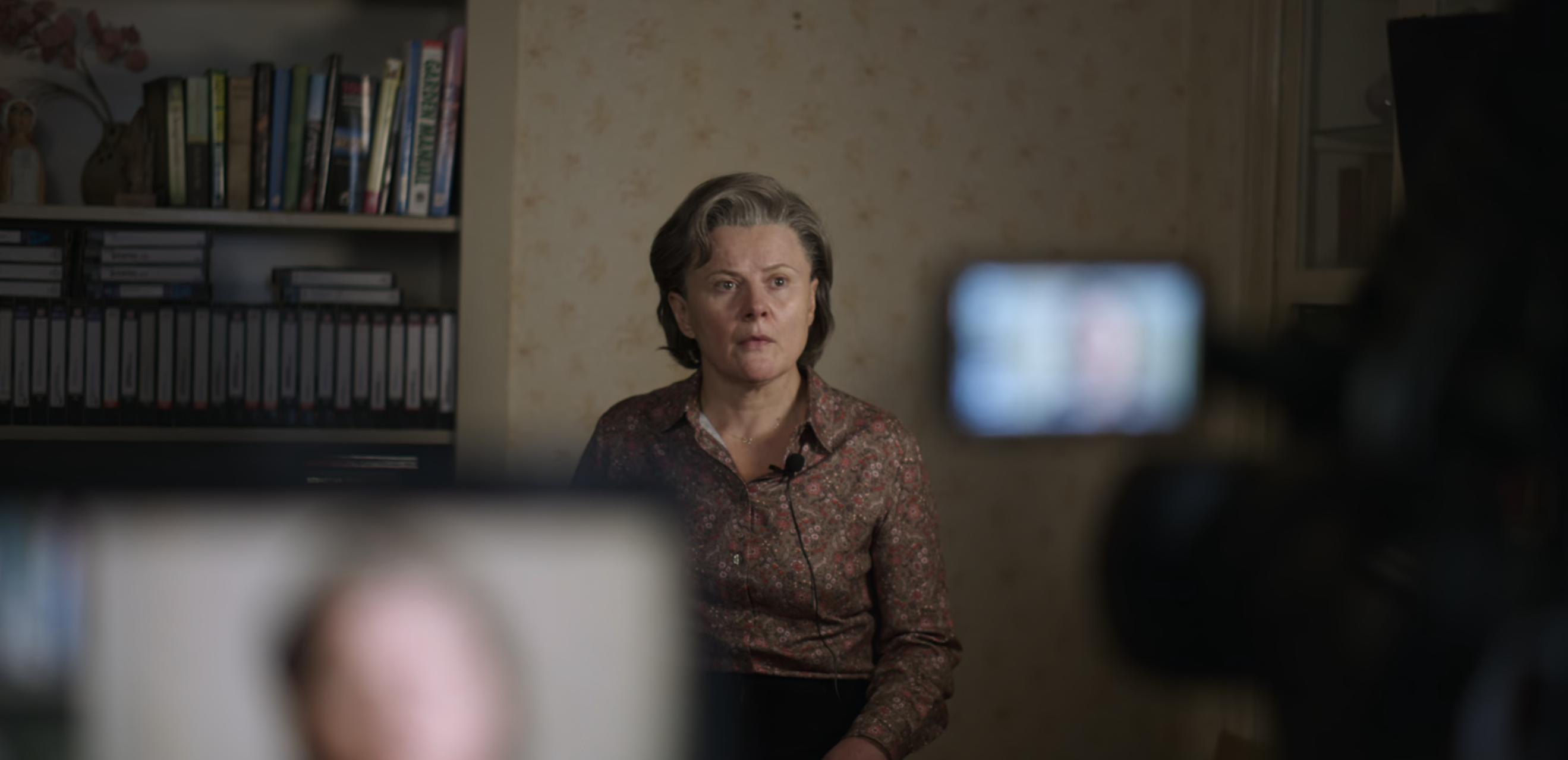
2. The Code of Silence

Once authorities uncovered Ian Adair’s torture chamber in Loch Henry, the quiet village was thrust into the national spotlight. But beneath the spectacle lies a familiar story: small communities often close ranks, protecting their own even in the face of terrible crimes.

Real-world parallels make this even more unsettling. Take Thunder Bay. For years, this Canadian city faced national scrutiny over the unexplained deaths of Indigenous youth, many of whom were dismissed as accidents or misadventures.

It wasn’t until external pressure mounted that a deeper investigation revealed systemic failures. Yet the truth only emerged fully when journalists and the Thunder Bay podcast revisited the cases, re-examining timelines and bringing long-ignored inconsistencies to light. 

Small towns often rely on overlapping social networks—police, officials, and longtime families—which makes whistleblowing socially costly. This is starkly illustrated by Skidmore, Missouri, a town of fewer than 300. In 1981, local bully Ken Rex McElroy was shot in broad daylight on the main street in front of dozens of townspeople. McElroy had terrorized residents for years and repeatedly evaded legal consequences. When he was finally killed, no one identified the shooters. The town’s near-unanimous silence was a deliberate, community-wide decision to shield those responsible.

Loch Henry captures this same dynamic: towns, families, and neighbors often band together to hide uncomfortable truths. And just like in Thunder Bay or Skidmore, it’s only when outsiders dig through old footage and forgotten records that the cracks in the community’s façade are exposed.
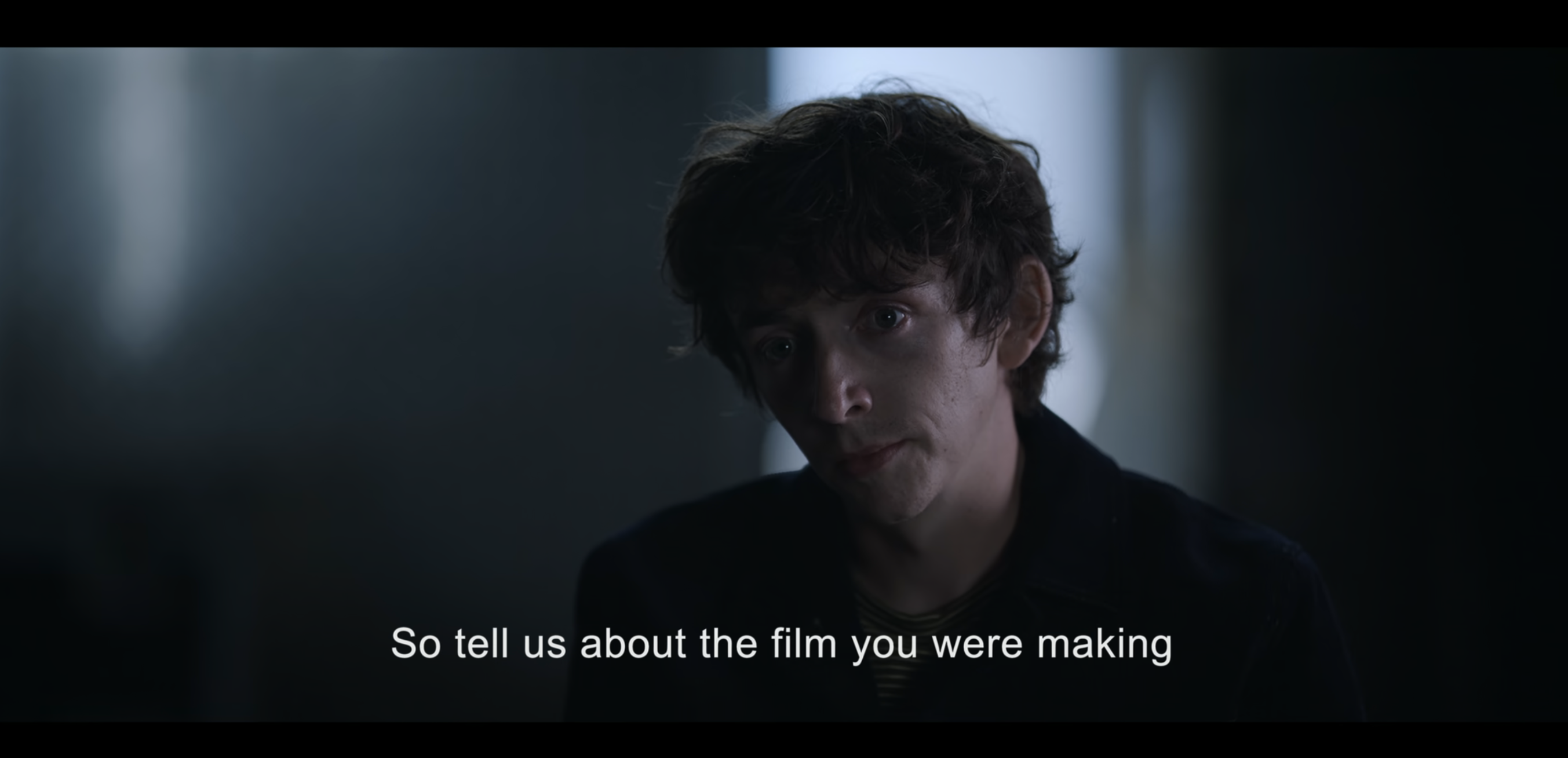
3. The Documentary Effect

In Loch Henry, the act of making a documentary rips open old wounds. Davis and Pia set out to film something they assume will barely get traction. But once they pitch the idea to their production contacts and unexpectedly secure funding, the project grows teeth. With real backing behind them, they push deeper into the town’s past.

In the real world, some of the biggest shifts in criminal justice have come from courageous filmmakers who were supposed to be observers — yet became participants.

In 2015, Netflix’s Making a Murderer thrust a salvage yard owner Steven Avery—convicted of the murder of photographer Teresa Halbach—into the global spotlight. The series re-examined the crime itself alongside allegations of mishandled evidence, coercive interrogations, and the institutional forces that shaped his conviction.  

The ground-breaking podcast Serial did something similar for Adnan Syed’s case in 2014, drawing millions into a meticulous re-examination of timelines, phone records, and investigative shortcuts—pressure that eventually led to the overturning of his conviction after more than two decades in prison.

Sometimes, the act of documentation itself becomes the turning point. The Jinx, released in 2015, began as a documentary profile of Robert Durst—a wealthy New York real estate heir long suspected in multiple murders but never successfully prosecuted. During post-production, filmmakers uncovered a chilling moment recorded after an interview, when Durst, still wearing a live microphone, muttered to himself: “Killed them all, of course.” That accidental recording became pivotal evidence, helping reopen the case and leading to Durst’s arrest and eventual conviction. 

Modern documentaries often succeed where police files have gone cold. Digitizing old tapes, enhancing degraded footage, re-analyzing audio, and applying new forensic tools can expose details investigators once missed. 

Series like The Staircase, The Keepers, and Don’t F**k With Cats show how returning to old evidence can fundamentally change our understanding of a crime. 

Taken together, these cases underline what Loch Henry captures so well: cameras, recordings, and storytelling don’t simply preserve the past—they dig it back up, pulling buried truths, forgotten evidence, and long-suppressed crimes into the present.

The more we unearth old recordings and forgotten technology, the more the cracks beneath the surface appear. Media can bring accountability, but it also turns private trauma into public reckoning. That tension is what makes the episode feel like a warning, because nothing truly stays buried once someone presses record.

Join my YouTube community for insights on writing, the creative process, and the endurance needed to tackle big projects. Subscribe Now!

For more writing ideas and original stories, please sign up for my mailing list. You won’t receive emails from me often, but when you do, they’ll only include my proudest works.
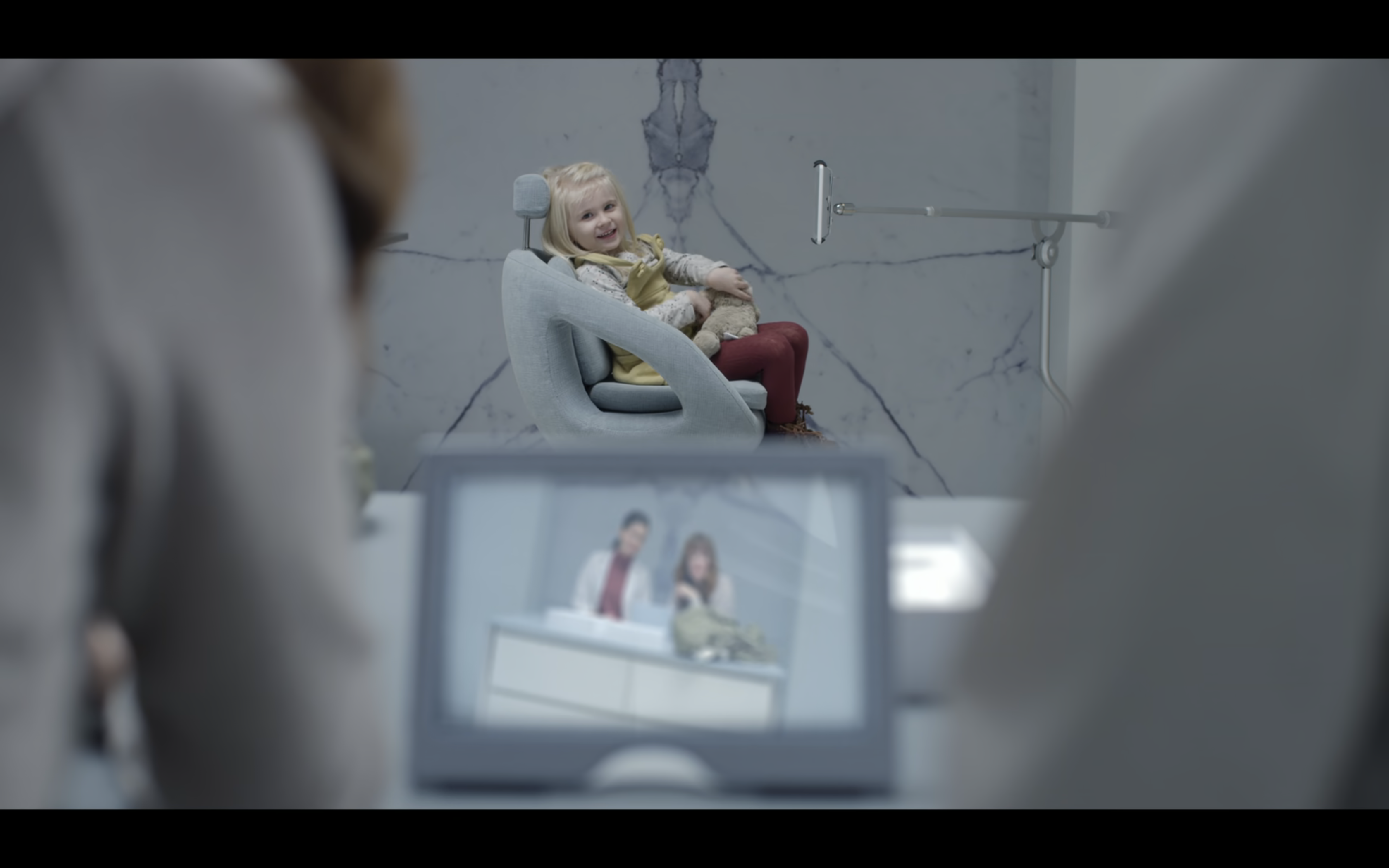
Arkangel: Black Mirror, Can It Happen?

Before we talk about the events in Arkangel, let’s take a look back to when this episode was first released: December 29, 2017.

One of the most high-profile celebrity parenting moments came in June 2017 when Beyoncé gave birth to twins, Sir and Rumi Carter. This announcement went viral, showcasing how celebrities influence public discussions around pregnancy, motherhood, and parenting. 

Meanwhile, the ethical debates around gene editing intensified, particularly with CRISPR technology, “designer babies”, and parental control over genetics. According to MIT, more than 200 people have been treated to this experimental genome editing therapy since it dominated headlines in 2017. 

In December of that year, France enacted a landmark law banning corporal punishment, including spanking, marking a significant shift toward advocating for children’s rights and promoting positive parenting practices. With this legislation, France joined many of its European neighbors, following Sweden, which was the first to ban spanking in 1979, Finland in 1983, Norway in 1987, and Germany in 2000.

Earlier in the year, the controversial travel ban implemented by the Trump administration raised significant concerns, particularly regarding family separations among immigrants from several Muslim-majority countries. Later, the issue escalated with the separation of immigrant families at the U.S.-Mexico border, sparking heated discussions about children’s rights and the complexities of parenting in crisis situations. 

Moreover, the effectiveness of sex education programs came under scrutiny in 2017, particularly as some states continued to push abstinence-only approaches, potentially contributing to rising teenage pregnancy rates. This concern was again exacerbated by the Trump administration, specifically their cuts to Title X funding for teen pregnancy prevention programs.

In 2017, Juul e-cigarettes surged in popularity among teenagers. Social media played a significant role in this trend, with platforms like Snapchat and Instagram flooded with content depicting teens vaping in schools. This led to school bans and public health worries, particularly as Juul e-cigarettes, shaped like a conventional USB harddrive was capable of delivering nicotine nearly 3 times faster than other e-cigarettes. In the coming years, over 60 deaths of teenagers will follow as a direct result of smoking Juuls.

And that’s what brings us to this episode of Black Mirror, Episode 2 of Season 4: Arkangel. As Sara matures, her mother, Marie’s inability to overcome her fears and over-reliance on technology ends up stifling Sara’s growth. Leaving us all questioning our reality, as the prevalence of cameras, sensors, and monitors is now readily accessible — and strategically marketed — to the new generation of parents.

Can excessive control hinder a child’s independence and development? Where does one draw the line between protection and autonomy in parenting? What are the consequences of being overly protective, and is the resentment that arises simply a natural cost of loving a child? 

In this video we will explore three themes of this episode and determine whether or not these events have happened and if not, whether they’re still plausible.  Let’s go! 

Love — and Overprotection

In “Arkangel”, the deep bond between Marie and her daughter Sara is established from the very beginning. After a difficult birth, Marie’s attachment is heightened by the overwhelming relief that followed. However, when young Sara goes missing for a brief but terrifying moment at a playground, her protective instincts shift into overdrive. 

Consumed by fear of losing Sara again, Marie opts to use an experimental technology called Arkangel. This implant not only tracks Sara’s location but also monitors her vital signs and allows Marie to censor what she can see or experience. Driven by the anxiety of keeping her daughter safe and healthy, Marie increasingly relies on Arkangel. But as Sara grows older, the technology starts to intrude on her natural experiences, such as witnessing a barking dog or the collapse of her grandfather.

Perhaps the products that most relate to Arkangel the most are tracking apps like Life360, which have become popular, providing parents with real-time location data on their kids. However, in 2021, teens protested the app’s overuse, arguing it promoted an unhealthy culture of mistrust and surveillance, leading to tension between parents and children. In a number of cases, the parents will continue using Life360 to track their kids even after they have turned 18. 

Now let’s admit it, parenting is hard — and expensive. A 2023 study by LendingTree found that the average annual cost of raising a child in the U.S. is $21,681. With all the new technology that promises to offer convenience and peace of mind, it would almost seem irresponsible not to buy a $500 product as insurance. 

The latest innovation in baby monitors includes the Cubo AI which uses artificial intelligence to provide parents with features such as real-time detection of potential hazards, including facial obstruction, crying, and dangerous sleep positions. It includes a high-definition video feed, night vision, and the ability to capture and store precious moments. 

But these smart baby monitors and security cameras have created a new portal to the external world, and therefore, new problems. In 2020, for instance, iBaby monitors were hacked. Hackers not only accessed private video streams but also saved and shared them online. In some cases, horrified parents discovered strangers watching or even speaking to their children through these monitors.

For many years, manufacturers of smart baby monitors prioritized convenience over security, allowing easy access through simple login credentials that users often don’t change. Additionally, some devices use outdated software or lack firmware updates, leaving them open to exploitation. 

As technology advances, parenting methods evolve, with a growing trend towards helicopter parenting — a style marked by close monitoring and control of children’s activities even after they pass early childhood. 

Apps like TikTok introduced Family Pairing Mode in 2021 to help parents set screen time limits, restrict inappropriate content, manage direct messages, and control the search options. 

Child censorship and content blocking tools can be effective in protecting younger children from inappropriate content, however, they can also foster resentment if overused, and no system is foolproof in filtering content. 

However, many parents are not using iPads as simply entertainment for their children, they are relying on the iPad as a babysitter. Which hinders their children from learning basic skills like patience, especially when managing something that requires focus and attention. 

A 2017 study by Common Sense Media revealed that nearly 80 percent of children now have access to an iPad or similar tablet, making it more common for kids to be consistently online. 

Bark, Qustodio, and Net Nanny are just a few apps in a growing market that offer parents control over their children’s digital activities. While these tools provide protection by monitoring texts, emails, and social media, they also allow parents to intervene. But children, like hackers, are getting more savvy as well.

A recent survey by Impero Software, which polled 2,000 secondary school students, showed that 25 percent of them admitted to watching harmful or violent content online during class, with 17 percent using school-issued devices to do so. Additionally, 13 percent of students reported accessing explicit content, such as pornography, while 10 percent used gambling sites—all while in the classroom.

Parental involvement, communication, and gradual freedom are crucial for ensuring these new technologies work as intended. However, we’ve seen from real-world events and this episode, how overreliance on technology like Arkangel, driven by a maternal fear of losing control, can become problematic. This natural impulse to protect a child hasn’t kept pace with the power such technology grants, ultimately overlooking the child’s need for emotional trust and autonomy, not just physical safety.

Sex — and Discovery

In Arkangel, as Sara enters adolescence, she begins a romantic relationship with her classmate, Trick. Unbeknownst to her, her mother, Marie, uses the Arkangel system to secretly monitor Sara’s intimate moments. 

The situation reaches a breaking point when Marie uncovers the shocking truth: Sara is pregnant. Overcome with maternal love and anxiety, Marie feels compelled to act by sneaking emergency contraceptive pills into Sara’s daily smoothie — the decisive move that will forever change her relationship.

This episode highlights the conflict between natural curiosity and imposed restrictions, emphasizing the risks of interfering or suppressing someone’s sexual experiences and personal choices. In today’s world, this mirrors the ongoing struggle faced by parents, educators, and regulators navigating the balance between sexual education, community support programs, and the natural discovery of personal identity.

Bristol Palin, daughter of Sarah Palin, was thrust into the spotlight at 17 when her pregnancy was announced during her mother’s 2008 vice-presidential campaign. As Sarah Palin had publicly supported abstinence-only education, Bristol’s pregnancy came across as somewhat hypocritical.

A year later, the tv-series Teen Mom premiered and stood as a stark warning about the harsh realities of teenage pregnancy. Beneath its cheery MTV-branding, the show was a depiction of sleepless nights, financial desperation, and mental health struggles. The hypocrisy of a society that glorifies motherhood but fails to support these young women is evident as innocences is ripped from their lives. This show doesn’t just reveal struggles; it exposes a broken system.

A 2022 study by the American College of Pediatricians found that nearly 54% of adolescents were exposed to pornography before age 13, shaping their early understanding of sex. With gaps in sex education, many adolescents turn to pornography to learn.

According to a report (last updated in 2023) by Guttmacher Institute, abstinence is emphasized more than contraception in sex education across the 39 US states and Washington D.C. that have mandated sex education and HIV education. While 39 states require teaching abstinence, with 29 stressing it, only 21 states mandate contraception information. 

Many argue that providing students with information about contraception, consent, and safe sex practices leads to better health outcomes. They cite lower rates of unintended pregnancies and sexually transmitted infections (STIs) in places with comprehensive programs. For example, countries like the Netherlands.

As of 2022, the U.S. had a birth rate of around 13.9 births per 1,000 teens aged 15-19, although this represents a significant decline from previous years. In contrast, the Netherlands with the lowest teen pregnancy rates globally, has just 2.7 births per 1,000 teens in the same age group. 

Yes, we can’t overlook the effectiveness of “Double Dutch,” which combines hormonal contraception with condoms. 

The provision of contraceptives, including condoms, for minors is a topic of significant debate. While some districts, such as New York City public schools, offer free condoms as part of their health service, many believe that such decisions should be left to the parents. 

However, many agree that teens who feel uncomfortable discussing contraception with their parents should still have the ability to protect themselves. A notable example is California’s “Confidential Health Information Act,” which allows minors who are under the insurance of their parents to access birth control without parental notification. 

On the other hand, critics contend that such programs may undermine parental authority and encourage sexual behavior. But such matters extend beyond teenagers. 

Globally, access to contraceptives is tied to reproductive rights, and therefore, women’s rights. In the U.S., following the Supreme Court’s 2022 decision to overturn Roe v. Wade, many states have enacted stricter abortion laws.  

In 2023, the abortion pill mifepristone faced legal challenges, with pro-life advocates seeking to restrict access to medication abortions in multiple states. 

The ongoing struggle to protect reproductive rights and the risks of sliding toward a reality where personal choices are dictated by external authorities is upon us. This episode shows us that, just as Marie’s overreach in Arkangel results in dire consequences for Sara, society must remain vigilant in safeguarding the right to choose to ensure that individuals maintain control over their own lives and bodies.

Drugs — and Consequences

Like sex and violence, this episode uses drugs as a metaphor for the broader theme of risky behavior and self-discovery, a process many teenagers go through. 

However, when Sara experiments with drugs, Marie becomes immediately aware of it through Arkangel’s tracking system.

By spying on her daughter, Marie takes away Sara’s chance to come forward on her own terms. Instead of waiting for Sara to open up when she’s ready, Marie finds out everything through surveillance. This knowledge weighs heavily on her, pushing her to intervene without considering what Sara actually needs.

But when it comes to drugs, is there really time for parents to wait? Does the urgency of substance abuse among teens demand immediate action? In a situation as life-threatening as drug use, doesn’t every second count? 

When rapper Mac Miller passed away from an accidental overdose in 2018, the shock rippled far beyond the music world. His death became a wake-up call, shining a harsh light on the silent struggles of teenage addiction. 

In 2022, a report from UCLA Health revealed that, on average, 22 teenagers between the ages of 14 and 18 died from drug overdoses each week in the U.S. This stark reality underscores a growing crisis, with the death rate for adolescents rising to 5.2 per 100,000, largely driven by fentanyl-laced counterfeit pills. 

This surge has led to calls for stronger prevention measures. Schools are expanding drug education programs to raise awareness of fentanyl in counterfeit pills, while many communities are making naloxone (Narcan), an opioid overdose reversal drug, more readily available in schools and public spaces.

The gateway drug theory argues that starting with something seemingly harmless and socially accepted, like marijuana or alcohol, may open the door to harder drugs over time. 

Teens who use e-cigarettes are more likely to start smoking traditional tobacco products, like cigarettes, cigars, or hookahs, within a short period. In a National Institute of Health study comparing ninth-grade students, 31% of those who had used e-cigarettes transitioned to combustible tobacco within the first six months, compared to only 8% of those who hadn’t used e-cigarettes. 

Developed by Chinese pharmacist Hon Lik, the first e-cigarette was patented in 2003 with the intention of aiding smokers in quitting by replicating the act of smoking while minimizing exposure to tar and other harmful substances. Yes, vaping was promoted as a safer choice, attracting a new market of non-smokers drawn in by enticing flavors.

In 2014, NJOY — a vaporizer manufacturer accused of infringing on Juul’s patents — launched a campaign with catchy slogans like “Friends Don’t Let Friends Smoke”.They strategically placed ads in bars and nightclubs, embedding vaping into social settings to help normalize the behavior, making it seem like a trendy choice.

Ten years later, this narrative has been significantly challenged, as vaping has become the most prevalent form of nicotine use among teenagers in the U.S. as of 2024.

But deep down, maybe we’re looking at drug use all wrong. Instead of just thinking about the risks, it’s worth asking why so many young people are turning to drugs in the first place. What drives them to make that choice? 

Nearly three-quarters (73%) of the 15,963 teenagers who participated in an online survey conducted by the National Addictions Vigilance Intervention and Prevention Program, about their motivations for drug and alcohol use from 2014 to 2022 reported that they used substances “to feel mellow, calm, or relaxed.” Additionally, 44% indicated they used drugs, such as marijuana, as sleep aids.

While drug use among teenagers is a growing concern, the primary challenges young people face might not be addiction, but rather anxiety, depression, and the crippling sense of hopelessness. It is possible that a parent’s overprotectiveness can sometimes misdirect focus towards the wrong problems, leading to a dangerous reliance on technology that fails to reveal the full picture.

Whether the threat is external or tied to self-exploration, this episode of Black Mirror demonstrates how parental fears can easily transform into controlling behaviors. It reflects real-life scenarios where teens, feeling trapped or misunderstood, may seek escape through drugs, sex, or even violence.

Parents, with their best intention, often believe they’re bringing home a protective shield for their children. However, instead the approach turns into a sword, cutting into their relationships and severing the bonds they’ve worked so hard to maintain. What they thought would keep them safe only deepened the divide, a poignant reminder that sometimes the tools meant to protect can backfire and be the ones that cause the most harm.

Join my YouTube community for insights on writing, the creative process, and the endurance needed to tackle big projects. Subscribe Now!

For more writing ideas and original stories, please sign up for my mailing list. You won’t receive emails from me often, but when you do, they’ll only include my proudest works.

You only have one reputation

Photo illustration by Joel McCarthy

Don’t underestimate the destructive force of dishonesty

By Elliot Chan, Opinions Editor
Formerly published in The Other Press. Feb. 24, 2015

Journalists getting into trouble—an old story, yet a frequent one. There is not much you can predict these days except that sooner or later some established media figure will stumble off the pedestal they created for themselves and writhe in the filth of their undoing. What happened to Brian Williams, NBC’s Nightly News anchor, could not have happened to anyone. It was not an honest mistake. He did not misquote a subject. He did not make a typo. He made a conscious decision to lie. And although the public may be forgiving, they will never forget.

A person’s reputation is built upon their competence and integrity. When someone compromises it, as in the case of Williams, that reputation is tarnished. The stakes are the same; it doesn’t matter if the person is a 40-year veteran or a newly hired intern. But what can we learn from this incident? After all, we understood at a very young age not to lie.

The reason we lie is not necessarily because we are evil, lazy, hurtful people. The main motivation for lying comes internally from the person telling it. They may have a lack of confidence, lack of ability, or lack of trust. People lie to themselves first in a fake-it-until-you-make-it sort of way. The lies then snowball and eventually what began as a little confidence boost becomes a rolling, unstoppable stone of trouble.

When Williams was called out for his exaggerated story, he admitted to misremembering the situation. And believe it or not, in his subconscious mind, that is in fact true. If you tell a lie enough, eventually it does become true; however, that doesn’t change reality. We need to be aware of what we are lying about and how far we string our web.

It is time we recognize that there is no such thing as a harmless lie. Whether it’s in a professional, academic, or social environment lying can compromise your reputation and destroy your relationships. We must have confidence in ourselves and own up to our mistakes. People are quick to forget errors. We all make mistakes. We all live pretty normal lives. We all work hard. We should stop allowing lies to be an acceptable norm.

Take a look at your resumé or listen to yourself at a party and try to catch yourself when you stray from the truth. Call yourself out on it. The sooner you know you are a liar, the sooner you can stop. You do need to stop. If you don’t, it will destroy your life. Maybe not today. Maybe not 20 years from now. But one day. Look at all the famous people who are now only recognized for the lies they told and not their accomplishments. You don’t want your name on the career tombstone alongside Brian Williams, do you?

Reporters aren’t robots

Opinions_Bias-news1

By Elliot Chan, Opinions Editor

Formerly published in The Other Press. Oct. 2013

Mass media has an enormous cultural responsibility. It can influence everything from the food we eat to the politicians we vote for, so it’s critical that all the news presented is informative and accurate.

All that is good, but society has been so focused on the “truth” that journalists have become all tight-lipped when giving their opinions on the topics they cover. Fearful of losing their job, being ridiculed, or getting sued, most reporters and journalists choose the “no comment” method of relaying news in order to appeal to the collective and avoid backlash. But with reporters hiding behind a veil of ingenuousness, it’s the readers and viewers who don’t really get the full story. After all, credibility is an illusion.

Understand this: all media is biased, whether it’s a conglomerate like MSNBC or FoxNews, or an independently run news source like the Other Press. There’s always your story, my story, and the truth—so wouldn’t it be better to know what everyone’s opinion is right from the start? From there we can select who to listen to and who to avoid, who to share ideas with and who to challenge. Understanding is gained from open dialogue, not bottled up suspicion and mistrust.

Criticizing media bias is like criticizing the way we learn from our instructors, our parents, and our friends. You would never condemn any of them for giving their points of view; why shouldn’t the same go for media professionals? The public demands ethical journalism, but individual opinions are just as viable, as long as they’re shared ethically and honestly.

In the annual State of the News Media report done by Pew Research Center, MSNBCwas touted as the most opinionated news network, with 85 per cent of their content being opinions and commentary, versus 15 per cent factual news. Other news media outlets aim for a 50/50-split, and I believe that is a fair balance.

In a world with so many options for news sources, bias is not a negative. In the same ways that we all think and speak differently, news sources should present their differences as well. It would open the playing field for readers and viewers to think critically and build upon their own individual opinions.

News and current events aren’t supposed to be comforting. News is not a television sitcom or a romantic comedy you can cuddle up to. It’s informative, it’ll spark conversations, and only through discussion can we heighten social standards and awareness. Media bias isn’t the problem. The issue is a refusal to see from another’s point of view. That leads to prejudice, stereotyping, and inaccurate assumptions.

I understand the thin line between subjective opinion and propaganda, so don’t get me wrong: what I’m preaching is hard-hitting free speech, not bullshit. As long as an idea is based around facts, there is no problem with voicing harmless thoughts. If you don’t want to hear it then find something else, but in a chaotic world, it would be nice to know what those influencers from television, radio, newspaper, and the Internet are really thinking. In the end, the truth will always surface, regardless of what was reported.