When we talk about endurance sports, we often hear about battling through pain. So much of the sport is about pushing our limits, and it’s in that process where we truly improve. When it gets hard, that’s when we’re challenged. That’s when we discover who we are. That’s when we endure.
That’s when we prove to ourselves: we are not quitters.
Of course, this mindset isn’t just for sport. We can bring that kind of endurance to every part of life. Don’t give up on what you started. Follow through on what you said you’d do. As a creative, I know that struggle well. How many projects have I started only to abandon them halfway through?
In life and in triathlon, endurance is everything. When things get hard, scary, or painful, we have to push through. We have to keep going.
During this training block, I faced plenty of challenges—not just tough workouts, but all the resistance that comes with the sport. There are always reasons to stop.
Lately, I’ve been finding it hard to get on the bike for long rides. Not just because of the weather, but because of my schedule. This season doesn’t really allow me to be away for hours. And sure, I don’t need that long of a session for a sprint triathlon, but I still feel like I should be putting in the time. My new dog, my new job—life has been full, and it’s been keeping me off the bike.
But I’m still enduring. And enduring sometimes means problem-solving. Last year, I relied on Zwift for convenient indoor training. When it stopped connecting to my bike, I tried Rouvy. But I wasn’t riding enough to justify the cost, so I cancelled. I thought I just had to tough it out with nothing but numbers on my watch, but that’s unnecessary suffering. I signed up for MyWhoosh last week, and suddenly, my excitement for biking returned.
Things go wrong. Equipment breaks. Problems arise. We have to endure that, too. This is the good kind of endurance—the kind that builds patience, confidence, resilience. Not just physical strength, but mental strength too.
Recently, my GPS watch started glitching. After just a year, the battery drains quickly, and the elevation tracking stopped working. I’m working with support to fix it, but it’s frustrating. When my gear isn’t working, my motivation drops. I love collecting data—tracking workouts, measuring progress. When the metrics are off, everything feels off. It’s like playing hockey with dull skates. But I kept going anyway. And good news: I discovered Strava has a “Correct Elevation” feature, so even if my watch is wrong, I can fix it.
This is what endurance really looks like—dealing with the little things. Because when you don’t deal with them, they pile up. It’s like cleaning your house—if you clean as you go, it’s easy. If you don’t, it becomes a mess. Maybe even a hoarder-level mess.
Good endurance is good habit. It’s confidence. It’s delayed gratification.
But not all endurance is good.
Bad endurance is ego. It’s pushing through when you shouldn’t. It’s training through injury. It’s ignoring your mind and body. It’s refusing to fuel or rest properly. It’s bottling up your feelings. It’s not asking for help when you need it.
Bad endurance is thinking you’re strong for holding your hand to the flame. Sure, it might impress someone in the short term—but long term, it only burns you. Physically, mentally.
Bad endurance is staying in toxic relationships or jobs. It’s putting up with bullying and gaslighting. That kind of endurance doesn’t make you stronger—it chips away at you. It erodes your confidence. It delays your healing.
After everything I’ve been through these last few years, I’m learning what’s worth enduring and what isn’t. What makes me stronger, and what just does damage. What’s worth waiting for, and what isn’t.
Triathlon is an endurance sport—but that doesn’t mean you should endure everything. There’s good endurance, and there’s bad endurance.
I remind myself of this whenever I feel like quitting. I take a moment to reflect on what’s really stopping me. Am I avoiding a problem I could solve? Am I just making an excuse? Or am I actually being fair and reasonable with myself?
That said, training is going well. After a few speed bumps with my health, I’m feeling good. So I’m trying something new: riding across the Lion’s Gate Bridge into West Van, down to Ambleside Beach. It was my first time doing that route, and let me tell you—the descent off the bridge is way steeper than I expected. But I stayed calm. I didn’t stop. I managed the panic.
And that, to me, is good endurance.
For more writing ideas and original stories, please sign up for my mailing list. You won’t receive emails from me often, but when you do, they’ll only include my proudest works.
Join my YouTube community for insights on writing, the creative process, and the endurance needed to tackle big projects. Subscribe Now!
Before we talk about the events in Arkangel, let’s take a look back to when this episode was first released: December 29, 2017.
One of the most high-profile celebrity parenting moments came in June 2017 when Beyoncé gave birth to twins, Sir and Rumi Carter. This announcement went viral, showcasing how celebrities influence public discussions around pregnancy, motherhood, and parenting.
Meanwhile, the ethical debates around gene editing intensified, particularly with CRISPR technology, “designer babies”, and parental control over genetics. According to MIT, more than 200 people have been treated to this experimental genome editing therapy since it dominated headlines in 2017.
In December of that year, France enacted a landmark law banning corporal punishment, including spanking, marking a significant shift toward advocating for children’s rights and promoting positive parenting practices. With this legislation, France joined many of its European neighbors, following Sweden, which was the first to ban spanking in 1979, Finland in 1983, Norway in 1987, and Germany in 2000.
Earlier in the year, the controversial travel ban implemented by the Trump administration raised significant concerns, particularly regarding family separations among immigrants from several Muslim-majority countries. Later, the issue escalated with the separation of immigrant families at the U.S.-Mexico border, sparking heated discussions about children’s rights and the complexities of parenting in crisis situations.
Moreover, the effectiveness of sex education programs came under scrutiny in 2017, particularly as some states continued to push abstinence-only approaches, potentially contributing to rising teenage pregnancy rates. This concern was again exacerbated by the Trump administration, specifically their cuts to Title X funding for teen pregnancy prevention programs.
In 2017, Juul e-cigarettes surged in popularity among teenagers. Social media played a significant role in this trend, with platforms like Snapchat and Instagram flooded with content depicting teens vaping in schools. This led to school bans and public health worries, particularly as Juul e-cigarettes, shaped like a conventional USB harddrive was capable of delivering nicotine nearly 3 times faster than other e-cigarettes. In the coming years, over 60 deaths of teenagers will follow as a direct result of smoking Juuls.
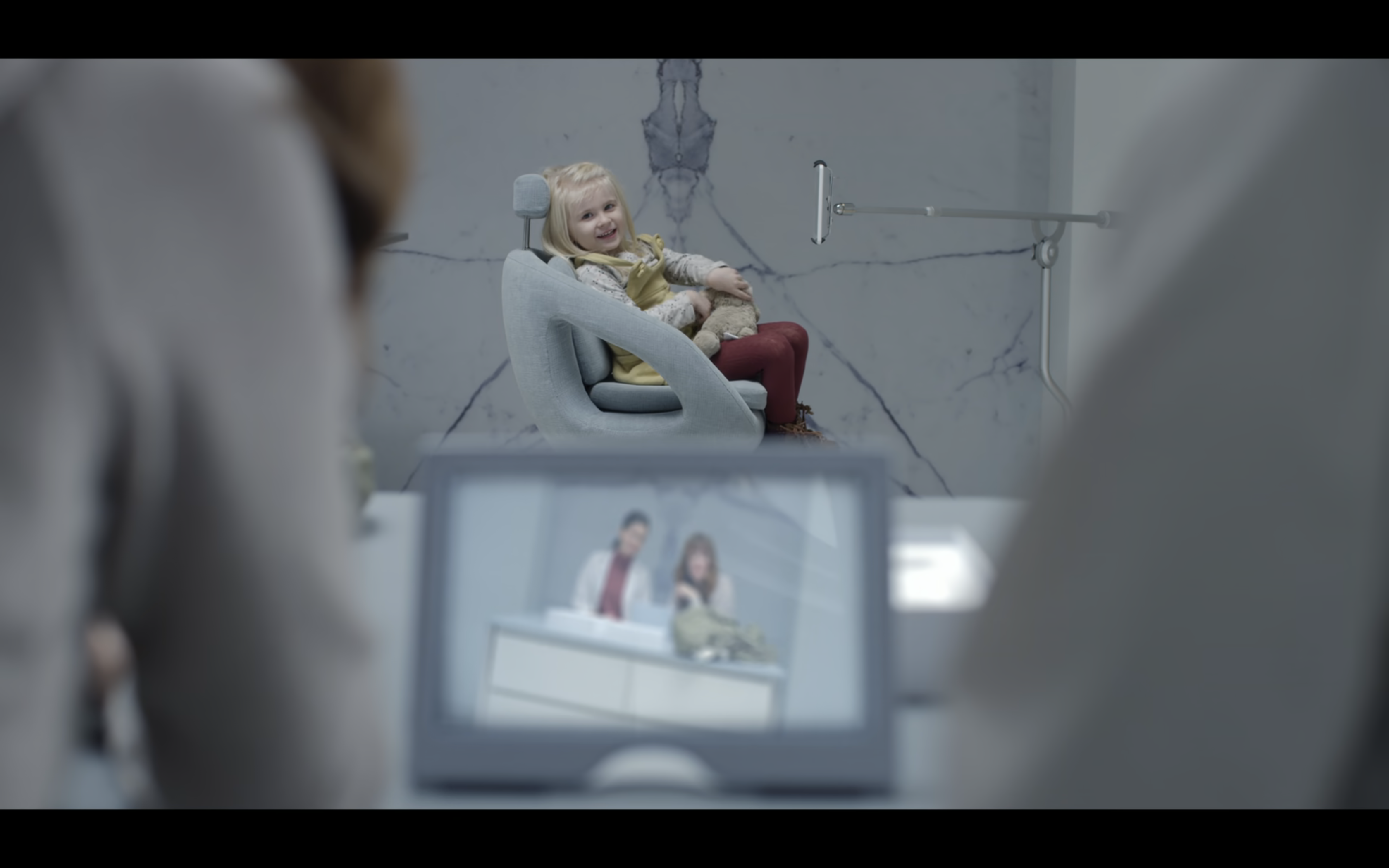
And that’s what brings us to this episode of Black Mirror, Episode 2 of Season 4: Arkangel. As Sara matures, her mother, Marie’s inability to overcome her fears and over-reliance on technology ends up stifling Sara’s growth. Leaving us all questioning our reality, as the prevalence of cameras, sensors, and monitors is now readily accessible — and strategically marketed — to the new generation of parents.
Can excessive control hinder a child’s independence and development? Where does one draw the line between protection and autonomy in parenting? What are the consequences of being overly protective, and is the resentment that arises simply a natural cost of loving a child?
In this video we will explore three themes of this episode and determine whether or not these events have happened and if not, whether they’re still plausible. Let’s go!
Love — and Overprotection
In “Arkangel”, the deep bond between Marie and her daughter Sara is established from the very beginning. After a difficult birth, Marie’s attachment is heightened by the overwhelming relief that followed. However, when young Sara goes missing for a brief but terrifying moment at a playground, her protective instincts shift into overdrive.
Consumed by fear of losing Sara again, Marie opts to use an experimental technology called Arkangel. This implant not only tracks Sara’s location but also monitors her vital signs and allows Marie to censor what she can see or experience. Driven by the anxiety of keeping her daughter safe and healthy, Marie increasingly relies on Arkangel. But as Sara grows older, the technology starts to intrude on her natural experiences, such as witnessing a barking dog or the collapse of her grandfather.
Perhaps the products that most relate to Arkangel the most are tracking apps like Life360, which have become popular, providing parents with real-time location data on their kids. However, in 2021, teens protested the app’s overuse, arguing it promoted an unhealthy culture of mistrust and surveillance, leading to tension between parents and children. In a number of cases, the parents will continue using Life360 to track their kids even after they have turned 18.
Now let’s admit it, parenting is hard — and expensive. A 2023 study by LendingTree found that the average annual cost of raising a child in the U.S. is $21,681. With all the new technology that promises to offer convenience and peace of mind, it would almost seem irresponsible not to buy a $500 product as insurance.
The latest innovation in baby monitors includes the Cubo AI which uses artificial intelligence to provide parents with features such as real-time detection of potential hazards, including facial obstruction, crying, and dangerous sleep positions. It includes a high-definition video feed, night vision, and the ability to capture and store precious moments.
But these smart baby monitors and security cameras have created a new portal to the external world, and therefore, new problems. In 2020, for instance, iBaby monitors were hacked. Hackers not only accessed private video streams but also saved and shared them online. In some cases, horrified parents discovered strangers watching or even speaking to their children through these monitors.
For many years, manufacturers of smart baby monitors prioritized convenience over security, allowing easy access through simple login credentials that users often don’t change. Additionally, some devices use outdated software or lack firmware updates, leaving them open to exploitation.
As technology advances, parenting methods evolve, with a growing trend towards helicopter parenting — a style marked by close monitoring and control of children’s activities even after they pass early childhood.
Apps like TikTok introduced Family Pairing Mode in 2021 to help parents set screen time limits, restrict inappropriate content, manage direct messages, and control the search options.
Child censorship and content blocking tools can be effective in protecting younger children from inappropriate content, however, they can also foster resentment if overused, and no system is foolproof in filtering content.
However, many parents are not using iPads as simply entertainment for their children, they are relying on the iPad as a babysitter. Which hinders their children from learning basic skills like patience, especially when managing something that requires focus and attention.
A 2017 study by Common Sense Media revealed that nearly 80 percent of children now have access to an iPad or similar tablet, making it more common for kids to be consistently online.
Bark, Qustodio, and Net Nanny are just a few apps in a growing market that offer parents control over their children’s digital activities. While these tools provide protection by monitoring texts, emails, and social media, they also allow parents to intervene. But children, like hackers, are getting more savvy as well.
A recent survey by Impero Software, which polled 2,000 secondary school students, showed that 25 percent of them admitted to watching harmful or violent content online during class, with 17 percent using school-issued devices to do so. Additionally, 13 percent of students reported accessing explicit content, such as pornography, while 10 percent used gambling sites—all while in the classroom.
Parental involvement, communication, and gradual freedom are crucial for ensuring these new technologies work as intended. However, we’ve seen from real-world events and this episode, how overreliance on technology like Arkangel, driven by a maternal fear of losing control, can become problematic. This natural impulse to protect a child hasn’t kept pace with the power such technology grants, ultimately overlooking the child’s need for emotional trust and autonomy, not just physical safety.
Sex — and Discovery
In Arkangel, as Sara enters adolescence, she begins a romantic relationship with her classmate, Trick. Unbeknownst to her, her mother, Marie, uses the Arkangel system to secretly monitor Sara’s intimate moments.
The situation reaches a breaking point when Marie uncovers the shocking truth: Sara is pregnant. Overcome with maternal love and anxiety, Marie feels compelled to act by sneaking emergency contraceptive pills into Sara’s daily smoothie — the decisive move that will forever change her relationship.
This episode highlights the conflict between natural curiosity and imposed restrictions, emphasizing the risks of interfering or suppressing someone’s sexual experiences and personal choices. In today’s world, this mirrors the ongoing struggle faced by parents, educators, and regulators navigating the balance between sexual education, community support programs, and the natural discovery of personal identity.
Bristol Palin, daughter of Sarah Palin, was thrust into the spotlight at 17 when her pregnancy was announced during her mother’s 2008 vice-presidential campaign. As Sarah Palin had publicly supported abstinence-only education, Bristol’s pregnancy came across as somewhat hypocritical.
A year later, the tv-series Teen Mom premiered and stood as a stark warning about the harsh realities of teenage pregnancy. Beneath its cheery MTV-branding, the show was a depiction of sleepless nights, financial desperation, and mental health struggles. The hypocrisy of a society that glorifies motherhood but fails to support these young women is evident as innocences is ripped from their lives. This show doesn’t just reveal struggles; it exposes a broken system.
A 2022 study by the American College of Pediatricians found that nearly 54% of adolescents were exposed to pornography before age 13, shaping their early understanding of sex. With gaps in sex education, many adolescents turn to pornography to learn.
According to a report (last updated in 2023) by Guttmacher Institute, abstinence is emphasized more than contraception in sex education across the 39 US states and Washington D.C. that have mandated sex education and HIV education. While 39 states require teaching abstinence, with 29 stressing it, only 21 states mandate contraception information.
Many argue that providing students with information about contraception, consent, and safe sex practices leads to better health outcomes. They cite lower rates of unintended pregnancies and sexually transmitted infections (STIs) in places with comprehensive programs. For example, countries like the Netherlands.
As of 2022, the U.S. had a birth rate of around 13.9 births per 1,000 teens aged 15-19, although this represents a significant decline from previous years. In contrast, the Netherlands with the lowest teen pregnancy rates globally, has just 2.7 births per 1,000 teens in the same age group.
Yes, we can’t overlook the effectiveness of “Double Dutch,” which combines hormonal contraception with condoms.
The provision of contraceptives, including condoms, for minors is a topic of significant debate. While some districts, such as New York City public schools, offer free condoms as part of their health service, many believe that such decisions should be left to the parents.
However, many agree that teens who feel uncomfortable discussing contraception with their parents should still have the ability to protect themselves. A notable example is California’s “Confidential Health Information Act,” which allows minors who are under the insurance of their parents to access birth control without parental notification.
On the other hand, critics contend that such programs may undermine parental authority and encourage sexual behavior. But such matters extend beyond teenagers.
Globally, access to contraceptives is tied to reproductive rights, and therefore, women’s rights. In the U.S., following the Supreme Court’s 2022 decision to overturn Roe v. Wade, many states have enacted stricter abortion laws.
In 2023, the abortion pill mifepristone faced legal challenges, with pro-life advocates seeking to restrict access to medication abortions in multiple states.
The ongoing struggle to protect reproductive rights and the risks of sliding toward a reality where personal choices are dictated by external authorities is upon us. This episode shows us that, just as Marie’s overreach in Arkangel results in dire consequences for Sara, society must remain vigilant in safeguarding the right to choose to ensure that individuals maintain control over their own lives and bodies.
Drugs — and Consequences
Like sex and violence, this episode uses drugs as a metaphor for the broader theme of risky behavior and self-discovery, a process many teenagers go through.
However, when Sara experiments with drugs, Marie becomes immediately aware of it through Arkangel’s tracking system.
By spying on her daughter, Marie takes away Sara’s chance to come forward on her own terms. Instead of waiting for Sara to open up when she’s ready, Marie finds out everything through surveillance. This knowledge weighs heavily on her, pushing her to intervene without considering what Sara actually needs.
But when it comes to drugs, is there really time for parents to wait? Does the urgency of substance abuse among teens demand immediate action? In a situation as life-threatening as drug use, doesn’t every second count?
When rapper Mac Miller passed away from an accidental overdose in 2018, the shock rippled far beyond the music world. His death became a wake-up call, shining a harsh light on the silent struggles of teenage addiction.
In 2022, a report from UCLA Health revealed that, on average, 22 teenagers between the ages of 14 and 18 died from drug overdoses each week in the U.S. This stark reality underscores a growing crisis, with the death rate for adolescents rising to 5.2 per 100,000, largely driven by fentanyl-laced counterfeit pills.
This surge has led to calls for stronger prevention measures. Schools are expanding drug education programs to raise awareness of fentanyl in counterfeit pills, while many communities are making naloxone (Narcan), an opioid overdose reversal drug, more readily available in schools and public spaces.
The gateway drug theory argues that starting with something seemingly harmless and socially accepted, like marijuana or alcohol, may open the door to harder drugs over time.
Teens who use e-cigarettes are more likely to start smoking traditional tobacco products, like cigarettes, cigars, or hookahs, within a short period. In a National Institute of Health study comparing ninth-grade students, 31% of those who had used e-cigarettes transitioned to combustible tobacco within the first six months, compared to only 8% of those who hadn’t used e-cigarettes.
Developed by Chinese pharmacist Hon Lik, the first e-cigarette was patented in 2003 with the intention of aiding smokers in quitting by replicating the act of smoking while minimizing exposure to tar and other harmful substances. Yes, vaping was promoted as a safer choice, attracting a new market of non-smokers drawn in by enticing flavors.
In 2014, NJOY — a vaporizer manufacturer accused of infringing on Juul’s patents — launched a campaign with catchy slogans like “Friends Don’t Let Friends Smoke”.They strategically placed ads in bars and nightclubs, embedding vaping into social settings to help normalize the behavior, making it seem like a trendy choice.
Ten years later, this narrative has been significantly challenged, as vaping has become the most prevalent form of nicotine use among teenagers in the U.S. as of 2024.
But deep down, maybe we’re looking at drug use all wrong. Instead of just thinking about the risks, it’s worth asking why so many young people are turning to drugs in the first place. What drives them to make that choice?
Nearly three-quarters (73%) of the 15,963 teenagers who participated in an online survey conducted by the National Addictions Vigilance Intervention and Prevention Program, about their motivations for drug and alcohol use from 2014 to 2022 reported that they used substances “to feel mellow, calm, or relaxed.” Additionally, 44% indicated they used drugs, such as marijuana, as sleep aids.
While drug use among teenagers is a growing concern, the primary challenges young people face might not be addiction, but rather anxiety, depression, and the crippling sense of hopelessness. It is possible that a parent’s overprotectiveness can sometimes misdirect focus towards the wrong problems, leading to a dangerous reliance on technology that fails to reveal the full picture.
Whether the threat is external or tied to self-exploration, this episode of Black Mirror demonstrates how parental fears can easily transform into controlling behaviors. It reflects real-life scenarios where teens, feeling trapped or misunderstood, may seek escape through drugs, sex, or even violence.
Parents, with their best intention, often believe they’re bringing home a protective shield for their children. However, instead the approach turns into a sword, cutting into their relationships and severing the bonds they’ve worked so hard to maintain. What they thought would keep them safe only deepened the divide, a poignant reminder that sometimes the tools meant to protect can backfire and be the ones that cause the most harm.
Join my YouTube community for insights on writing, the creative process, and the endurance needed to tackle big projects. Subscribe Now!
For more writing ideas and original stories, please sign up for my mailing list. You won’t receive emails from me often, but when you do, they’ll only include my proudest works.
Why we should stop being so shallow towards our food’s appearance
By Elliot Chan, Opinions Editor
Formerly published in The Other Press. March 17, 2016
First it was organics, now Whole Foods is aiming to make the buying and eating of “imperfect” fruits and vegetable as mainstream as drinking kombucha.
Approximately 20–40 per cent of all fruits and vegetables end up in the trash. According to Environmental Protection Agency, US consumers wasted 35 million pounds of food in 2012. There are a number of reasons why such a large quantity of food ends up in the garbage, and including the fact that supermarkets have a high standard for the produce they sell. So, like a model for a talent agent, the tomato in your supermarket must also go through an appearance assessment.
Now whether this experiment is going to work for Whole Foods and a number of other forward-thinking grocers is still up in the air. Consumers, especially consumers in developed countries, are quite fickle about what they buy. We work hard for our money, so why would we buy something of lower quality when we can have the better one for the same price?
Still, there is something heartwarming about finding a good home for these rejected fruits and vegetables. Like an orphanage for food, it’s good to know that Whole Foods is doing its part to change the superficial ideal that is ultimately harming our society. Buying “ugly” food is not a novelty, though. It’s not a freak show, it’s not for a one-time entertainment, it’s something we need to make habitual. That is where the challenge will be.
We must remember that in the end, it all just ends in the same place. Why does it matter how good an avocado looks before you mash it up into guacamole? Why does it matter how a carrot looks before you toss it in a stew? Sure, some fruit and vegetables—those you set on a platter for a house party, for example—need to look somewhat desirable, but in the end, why does it matter?
We are so shallow about fruit and vegetables, but when it comes to animals we are fine with them being unattractive. Beef, pork, and seafood are not as cute as the little potato, but many of us eat them all the same. As long as you can tell the difference between fresh and spoiled, it rarely matters how the ingredients look.
In fact, I believe we should start eliminating the idea of disgusting food from our society altogether. Our diets consist of many environmentally damaging productions. Acres of forestland are dedicated to cattle. Animals that were once in abundance, like species of salmon, are now being carefully rationed for fear of causing a greater imbalance. Yet, there is one species in the animal kingdom the Western world still finds grotesque: insects.
Like ugly fruits and vegetables, insects are often scorned for their pesky nature. We see them as many things, but nutritious is not one of them. However, many people in developing countries depend on them for survival daily.
Pushing for ugly foods to be sold is a small step, but there is a long way to go to create a sustainable world. If that is the goal, we need to change our opinions about imperfect fruits and vegetables—and soon our opinion about all things edible.
Your financial well-being is as important as your physical well-being
By Elliot Chan, Opinions Editor
Formerly published in The Other Press. January 6, 2016
You may be spending money on gym memberships, organic health food, and high-performance active wear, but, while on pace to a healthier life, you are also wasting a lot of money on items that you probably don’t need. Running is good, but running out of money is scary. Two out of three people are constantly worried about money.
While buying healthy food is an investment in your prospective health, investment in your financial future is of equal importance. You cannot always anticipate what will happen in your life and what role finance will play in the sudden shift in lifestyle. A loss of employment, an illness, or an act of God may eat away at your savings or push you into debt.
Careless spending—like poor eating habits—comes back and bites you later on in life. We are constantly warned about why we should not consume crappy food. But when it comes to how people spend their money altogether, people tend to keep comments to themselves. In this society, we aren’t really allowed to criticize other people’s spending habits. If someone wants to buy video games instead of paying rent, you can’t stop them. They’ll get evicted, but it’s still their choice. There is no visible danger zone when it comes to money in this country, because at the end of the day Canada is built so that no human being will starve. When people receive money they are free to use it however they like.
Nevertheless, if you are smart, you would treat your money the way you would treat your own body. You care for it, you utilize it when you need to, and you get it to work for you. And, over time, you strengthen it so that it can take care of itself. The same way you exercise, you must do the same with your funds.
You get physical checkups from your doctor and you heed their warnings, and you must do the same with financial advisors. You don’t need to take all of their advice, just like how you don’t need to take all of your doctor’s advice, but a different perspective, perhaps encumbering, may be refreshing.
It’s time we start putting our money where it counts. We might need to change how we see our money. It’s not the key to fulfillment, but a necessity for survival. This way, as life progresses, we’ll have enough to spend on the stuff we need and plenty left over for the stuff we want.
Why we shouldn’t be ashamed for getting more than enough sleep
By Elliot Chan, Opinions Editor
Formerly published in The Other Press. October 21, 2015
We all know the importance of sleep. The benefits are countless, yet still we often place shame upon ourselves for getting enough or more than enough sleep. We should feel blessed and prosperous for having an ample amount of rest each and every day. No person should feel ashamed for having too much, just like how nobody should feel ashamed for having wealth.
Now, as you can tell, I enjoy sleeping. I don’t believe there is anything better than a good night’s rest. I even dare to say that we are born to sleep, although it is challenging for some. I’m proud of my ability to sleep easily, because I know of those who are insomniacs. But just because I sleep well, many chalk it up to me being lazy. Although I can be lazy often, I believe sleep has been the secret sauce to my survival as a well-adapted human being.
All my life I have lived by the philosophy that no matter what I have to do tomorrow morning, such as an exam, long drive, or championship game, I’ll perform best after a good sleep. A UCLA research study showed that staying up all night and cramming is a waste of time and energy compared to habitual studying. While you may trick yourself into believing otherwise, staying up all night reading textbooks is undoubtedly detrimental. Sacrificing sleep means you aren’t letting your body and mind rest and heal. This can cause illnesses, forgetfulness, depression, and many, many more not-so-surprising effects. There is no pride in staying up all night, just like there shouldn’t be pride for drinking recklessly or driving quickly.
On weekends, some people like to go on long road trips or whatever. Me, I prefer to sleep in, and if I can’t do that, I’d like to take a nap. This is often frowned upon, because we live in a seize-the-day society. Any moment not spent being productive is wasted time, time that you’ll never get back. That, to me, is bullshit, and such an awful way of living. The thing about resting is that, when I am awake, I am twice as effective as I would be if I were burning oil all day, into midnight and beyond.
The ability to get sleep and sleep well should be admired and cherished. Many of us are so stressed all the time with commitments and deadlines, and the first thing we chop from our schedule is sleep. If you want to go out after work, you’ll have to lose some sleep. If you want to finish your project, have a drink with friends, and beat the next level in your video game, you’ll have to sacrifice some sleep. But what’s the point of all of that if you feel shitty all the time?
One of the seven deadly sins is sloth, the crime of indolence, apathy, and refusal to work. Somehow we’ve paired it up with the idea of having ample rest, as if rest itself is a sin. It’s not. It’s a right. It doesn’t matter if you are a single mother of three or a medical student who also works part time, you can sleep. You should.
By Elliot Chan, Opinions Editor
Formerly published in the Other Press. June 2, 2015
How can you tell whether or not the world cares for you? You know when people are willing to band together and offer a critical part of themselves to keep you alive.
When the owner of the Ottawa Senators, Eugene Melnyk, was diagnosed with liver complications and needed a new one to survive, he and his supporters reached out to the public. Crowd sourcing for an internal organ is in many ways taboo—shameless even—but realistically there is no shame in wanting to stay alive. With one in three people dying during the donor-waiting process, time was a luxury he didn’t have.
The criticism was that Melnyk used his celebrity status to leapfrog other candidates awaiting transplants. Such behaviour was unethical. But how can you blame a dying man for using what he had created his whole life—his status—to stay alive. Placed in the same life-or-death situation, you would do the same. You should do the same.
The matter was that Melnyk was never a part of the general waiting list. He created his own list from people who would have otherwise not have become donors. Five hundred people came out of the woodwork to save this man. Only one volunteer was needed, but more than 20 said they would continue the process, donating their organs to someone else in need. It was not Melnyk’s intention, but for a small moment he was able to place the spotlight on an often-forgettable circumstance.
I don’t believe any person is more deserving of life than anyone else. But if I were diagnosed with any organ complication and needed a donor, I would like to think that I would do more than wait patiently. I would pull out your liver and use it as my own if I could. I would pull out your liver and give it to someone I love if I could. We are designed to care about those who are most close to us and those who have influenced us positively. It’s not that we idolize or worship these people, it’s because they matter to us. Let it be our way of thanking them for enriching our lives.
Thinking of asking for such an important aspect of someone’s life—an organ—to stay alive really makes me rethink the way I treat those I love around me. Should I become ill, will I receive such an outpouring of love? Will 500 volunteers come forward to save me? Will they for you? Then pause, really ponder, and ask yourself: why wouldn’t they?
Startup ‘Sweet Peach’ offers supplements to eliminate stinky vagina
By Elliot Chan, Opinions Editor
Formerly published in The Other Press. December 2, 2014
Up-and-coming startup, Sweet Peach Probiotics recently went under scrutiny for creating a product aimed to “freshen up” women’s smelly vaginas.
Before we go and slam Sweet Peach Probiotics as some sort of sexist organization telling women that they—mostly their vaginas—stink, let’s try to understand the biological elements of smell. Things that smell bad to us humans are repulsive because they also do us harm: rotting food, faeces, and even body odour. We are taught to throw away food before it spoils, we are taught to flush the toilet after we use it, and we are taught to take daily showers and brush our teeth.
True, it’s always a sensitive matter when confronting people about their stench. Most likely, they won’t even know that they smell bad. Inherently, we learn to appreciate our own aroma, the same way we appreciate our own uniqueness. We are constructed of a billion tiny bacterial organisms that generate our distinct odour. Bacteria, as you know, is not exactly Chanel No. 5.
As a man, I would never dare order a woman to take supplements to eliminate her natural body odour—not because I’m oblivious, but because I want to continue living. Natural fragrance is a sensitive matter, and although people should be proud of how they smell, it is also important to know when “things” don’t smell right.
A vagina (like a penis and anus) resides in a region of the human body that bacteria loves. The warm, dark, and sometimes wet area, if neglected, can become a marinating pool of microorganisms that can cause infection and discomfort.
I don’t believe Sweet Peach Probiotics is a glamourous product or a female-shaming initiative. Twenty-year-old student and CEO of Sweet Peach, Audrey Hutchinson tells us that it is a product aimed to solve a complicated health issue. It’s not about rejuvenated fragrance—or making vaginas smell like peaches—it’s about restoring a woman’s body into a healthy condition. “A vagina should smell like a vagina,” Hutchinson proudly declares in an interview with Huffington Post, “and anyone who doesn’t think that doesn’t deserve to be near one.”
Men and women alike have distinctive medical problems that can be embarrassing within our society. Instead of opening up and receiving assistance, we often choose to internalize it and hope it fixes itself, while avoiding the risk of being treated like a pariah.
Drugs and supplements may be a solution, but mitigating the risk is equally as effective. We already know the solution to stinky vaginas and other stinky parts of the human body: keep the area clean, and keep anything entering the area clean.
If you are a hardworking technophile like me, you may want to start addressing the fact that you are working too hard, relying on too much on technology, and staring at a computer/iPhone/Kindle screen for too long.
Odds are, you’re not reading this in a paper form, but on a screen—even though this is your break from work. News, entertainment and correspondence all happen on a computer screen; there is no avoiding it today.
But just because the zeitgeist has changed, does that mean our strained eyes are doomed as well?
Computer vision syndrome has proven my mother’s worries to be accurate: I might not go blind from watching a Mad Men marathon on my iPad but exhausting my vision and causing it to labour intensively over hours of work is not healthy.
Vision loss is often associated with aging and computers screens are not linked to any permanent damages to the eyes, but Canadians are still burdened by the financial weight of vision correction. According to the Public Health Agency of Canada, $2.7 billion is spent annually on vision care. There are laser-eye surgeries and “retina” displays, but I believe it won’t technology that saves our vision, but rather our own habits in areas of work, play, and sleep.
To avoid straining your eyes and exhausting your ability to work, I introduce “the three B’s” to aid you in your seeing endeavours and to keep your eyes in “peek” condition.
BLINK
It’s been proven that those staring at a computer screen for a period of time will have longer intervals between blinks. This effect will cause the eyes to feel dry and irritated. Blinking lubricates the eyes, and that is a good thing regardless of what level you’ve achieved in your mobile game or how many typos you’ve found in your Word document.
Blink regularly while working; you may need to consciously remind yourself to do so.
BRIGHTNESS
It’s a balancing act; the amount of light in a room versus the brightness of your computer screen versus the extraneous light and glare seeping in through your office, home, or coffee shop window. Having a balanced lighting can reduce the strain and fatigue your eyes feel.
You want your computer screen’s brightness to match the brightness of the room. So move away from the window when you are on your computer. Extraneous light and glare will force your eyes to work harder than they have to, thus exhausting them faster. Consider drawing the curtains at various point of the day or purchasing an anti-glare screen filter.
BREAKS AND COMFORT
Taking breaks are important because the human eye is not built to stare at a screen for many hours. Experts recommend that workers take a 20 second break every 20 minutes by staring at something 20 feet away; this is known as the 20/20/20 rule. Find an object in the distance, maybe a tree or a painting and just check up on it occasionally. Who knows? Perhaps you’ll find inspiration in it.
While you are taking these breaks, consider your comfort and make sure your working environment is as ergonomically pleasing as it can be. A few things to note are the monitor’s height and distance. The best height is five to nine inches below your horizontal line of sight. Or in another word, you should be able to look right over the screen. In regards to the distance, if you can sit back in your chair and touch the screen, you are sitting too close.
No matter how hard working you are, neglecting your health is never okay; after all, an office job can be lethal. Sometimes you’ll just need to rest, and if your friends and family can’t convince you to take a break once in awhile and get away from the screen—well, hopefully your eyes can.
I grew up with Traditional Chinese medicine (TCM). My mother has always been an advocate of it. On various occasions, my house would reek of a bitter, yet familiar odour. On the kitchen stove would be a large pot of miscellaneous herbs, while my mom hovered over it performing Chinese alchemy. Hours later, after the dark tea had stewed for long enough, she would insist that I drink it because (1) it would help me see better, 2) it would give me energy, 3) it would improve my joints, or (4) because she said so. The concoction tasted awful—always—like the Orient’s version of Buckley’s. I’d be coaxed a few more times before I either downed it all or abandoned it.
Many years later I still wonder if it did me any good. Did it make me healthier? Did it really work?
The history of traditional medicine
Over 2,000 years ago, before Advil and Pepto-Bismol were available to combat headaches and upset stomachs, ancient Chinese doctors found remedies in a practice that continues to this day. To call them doctors would be incorrect, though: during the Shang Dynasty (14th–11th century BC), there weren’t any doctors, only those seeking solutions to ailments.
The Chinese saw illness as disharmony between the human form and the world around it. Instead of approaching sickness as a chemical imbalance the way Western medicine does, TCM seeks cures by looking at the functionality of the body. Inspection, auscultation, olfaction, inquiry, and palpation are the five main methods used to diagnose patients. The practitioner does not hone in on one area of the body, but rather attends to the failing functionality in relation to external elements (wind, cold, fire/heat, dampness, dryness). The human form is one entity and any deficiency pertains to the whole body, not just the stomach or the arm or the brain.
Sweet, sweet herbs
You’ve probably passed by Chinese herbal stores at malls and China Town promenades. Odds are you haven’t had a reason to enter any of them, except to alleviate your curiosity. You’ve peered inside and seen their shelving units and jars upon jars of mystery herbs, extracts, containers of macerated remedies, and fossilized animal carcasses. Such an establishment seems pulled out of the middle ages, just leasing real estate in modern society. Although the effectiveness of herbal therapy is still relatively unproven in 2014, many people live by it.
“People choose traditional medicine because it’s the natural solution,” said Kitty Tsin, employee at the Wah Fung Medicine Company. “You can never be sure how much of what is in pills or capsules. You can’t even be sure what it is. The capsules themselves are made out of gelatine, which isn’t healthy either. The Chinese tradition is that we boil medicine every day and drink the soup as a whole family to improve health. Capsules, tablets, and pills are only meant for individuals.”
TCM comes in a wide variety. Some have little effect, and function only as delicacies. Others are rare and exotic, and have been known to enhance the immune system, in addition to aiding the sickly.
Some common medicines are ginseng (used in many forms to provide energy, reduce the risk of cancer, and even treat erectile dysfunction), sea cucumber (has a property that helps treat arthritis and high blood pressure), and fritillary bulb (can be brewed as a tea to remedy coughs).
Rarer medicine can often cost hundreds—or even thousands—of dollars, and they may be more obscure. Examples include hasma, the fallopian tubes of frogs (known to revitalize internal organs, as well as enhance complexion); and cordyceps, a highly sought-after fungus, also known as the caterpillar fungus (can reduce the effects of asthma, reduce the risk of cancer, and balance out a person’s yin and yang).
The Chinese notion regarding health is based upon the importance of illness mitigation and prevention. While Western medicine tends to focus on treatment, TCM approaches well-being as a life-long pursuit.
Hokey-Pokey
In 2010 I sprained my MCL playing hockey. It took me off the ice for six weeks and the recovery process was agonizing. I re-aggravated the injury a few more times and thought it would never heal. I went to doctors and chiropractors, and when I exhausted all my options I consulted an acupuncture therapist. I’m not going to lie, I was quite skeptical—and perhaps a bit fearful—of the process. After all, lying down in a strange room with needles and cups sticking out and sucking on me was not my ideal day.
My acupuncture practitioner, Dr. Duzy Duyong Lee, punctured a hole in my injured knee, then warmed up a glass cup and placed it over the open wound. The objective (from what I remember) was to suck the blood clot out of my knee so that the healing process could start over again. At first the procedure seemed a bit farfetched—after all, the family doctors and chiropractors merely told me to wear a brace and stay off my leg. It’s hard to say which solution cured me in the end, but now I’m walking and skating just fine.
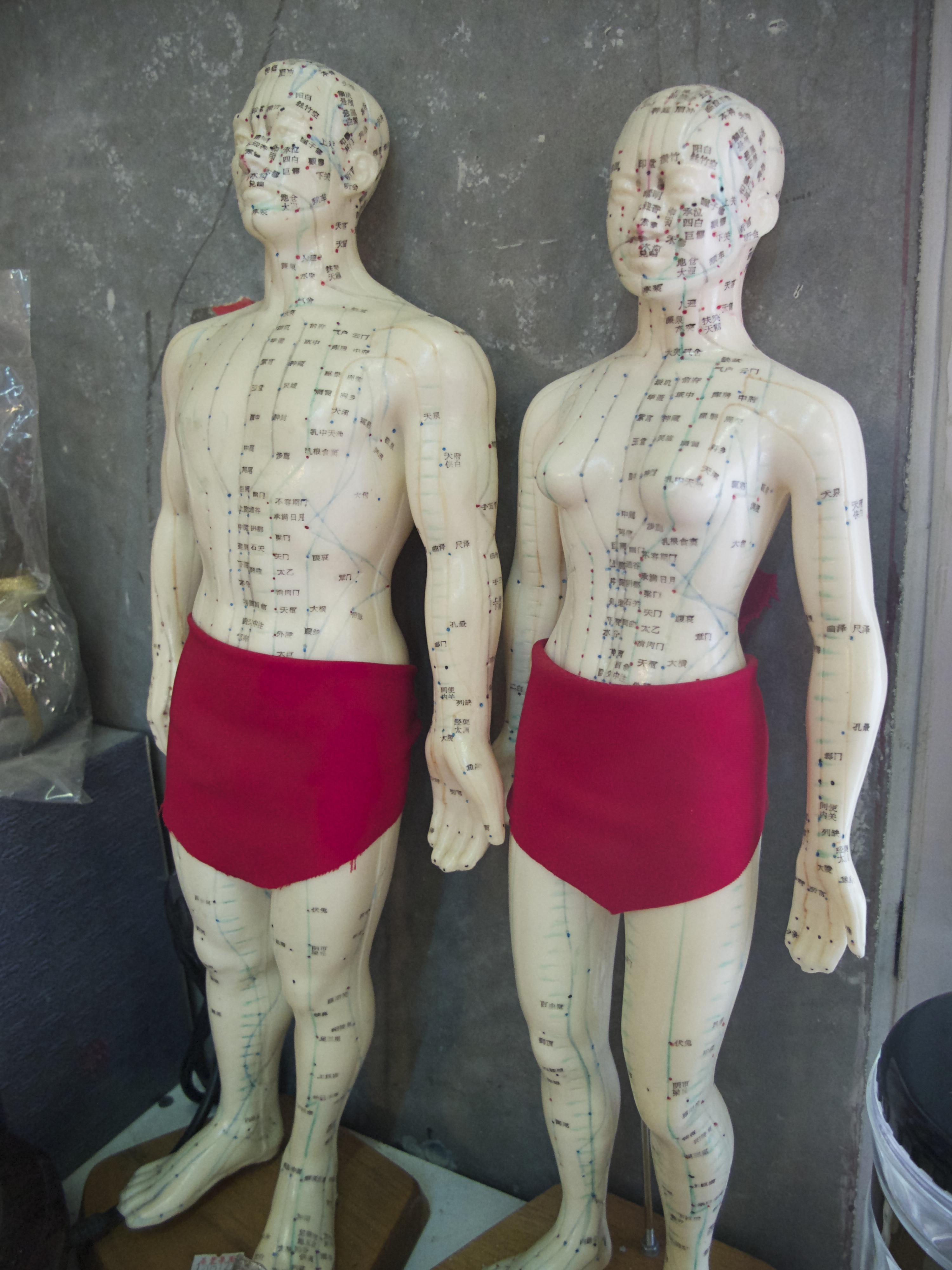
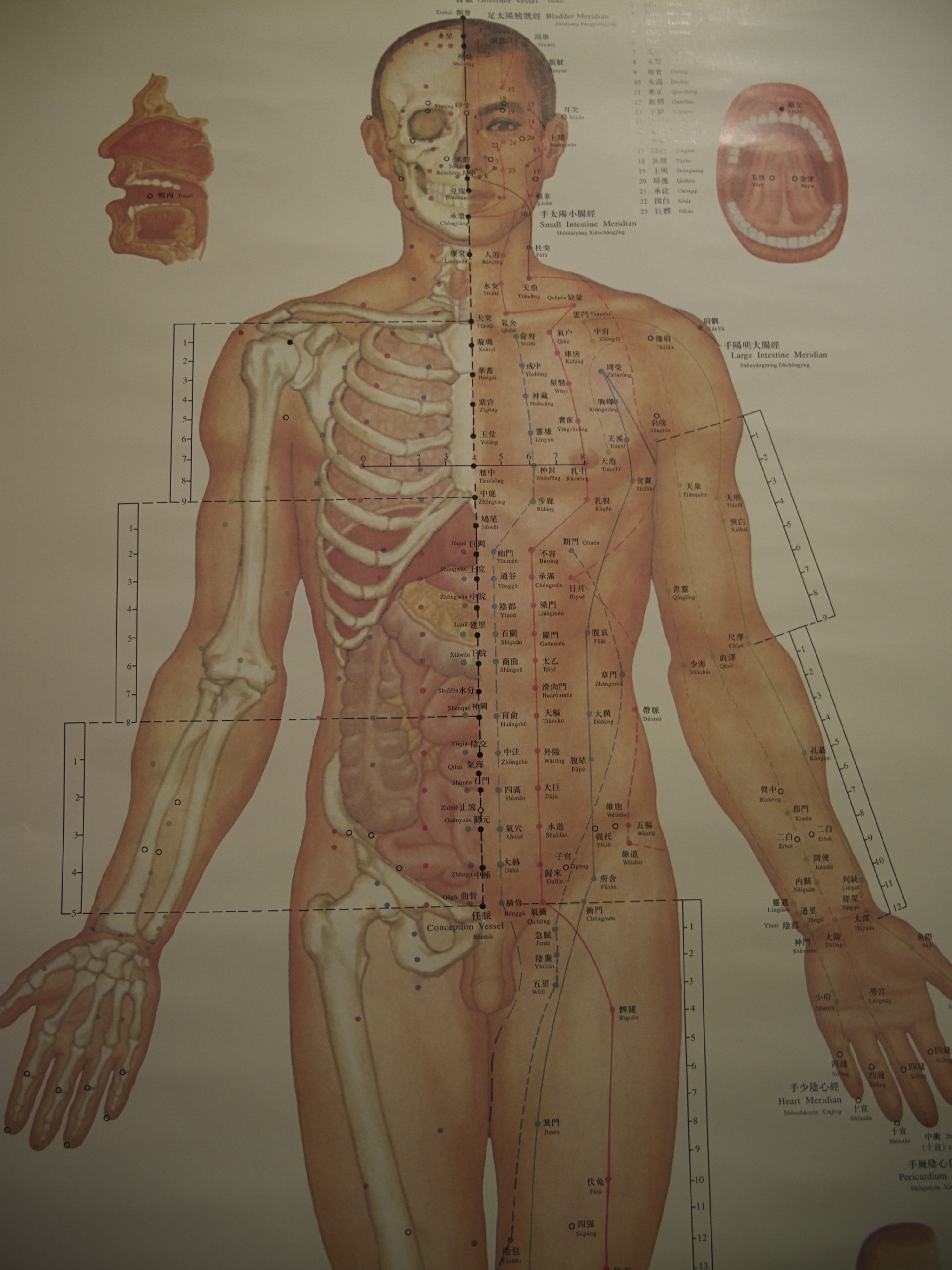
“The skin acts as a meridian to our organs,” said Bonalife Acupuncture and Herbal Medicine Clinic’s Dr. David Kuo. “I don’t touch the organ, but I touch the meridian; I use this meridian to adjust the organ.”
Acupuncture stems from the meridian system, a technique that addresses the human’s functionality and the flow of “qi” or life-energy. Qi includes the body’s circulation, the capability of the limbs, the defence against pathogenic factors, the emission of bodily fluids (urine, sweat, blood, etc.), and the intake of nutrients (food, air, water, etc.). By recognizing the body’s stimulation points, the practitioner can effectively correct the imbalance and restore the flow.
“Every part of your body has a function,” said Dr. Kuo. “When someone coughs, it’s not a coughing problem. There is something inside that is making you uncomfortable that makes you cough. I ask my patients why they are tired. They say, ‘Oh, I’m sick,’ Why are you sick? ‘Because I have a stomachache so I cannot eat and so I’m tired.’ Western medicine hears stomachache, they give you antibiotics—sometimes it’s right—but it’s always wrong. What do antibiotics do? It makes stomachache go away, but when antibiotic goes away, the problem returns. We need to understand the problem, not just the cure.”
The future of traditional medicine
As our technology advances, so do bacteria and viruses. Vaccines, immunizations, and hospital treatments are tackling health with science, but can they ever snuff out the holistic approach of TCM?
A recent report in The Journal of Clinical Endocrinology and Metabolism showed that traditional medicine still has great potential in the Western world as well as the East, and it might be a solution for those with diabetes and other chronic illnesses.
Tianqi, a Chinese herbal mixture that has been shown to improve glucose levels, was the TCM up for the test. In a double-blind, randomized, placebo-controlled study, a sample of 389 people suffering from impaired glucose tolerance participated, where 198 were offered Tianqi and 191 were offered a placebo. The study showed that Tianqi reduced the risk of diabetes by 32.1 per cent. Of those in the Tianqi sample, 63.1 per cent reached normal glucose tolerance, compared to 46.6 per cent of the placebo group.
Many are starting to buy into TCM, making it a profitable market. And the modern science and medicine communities are implementing more studies to identify quality methods of treatment in relation to their own practices.
We live in a world where we are on the edge of medical breakthroughs and global pandemics. Our conditions are getting better and worse—but there is no room to panic. Instead, we should all take the time and find the necessary balance; the recipe that TCM has been cooking up for millennia.







 Elliot Chan