Here’s the kicker: If you stretch it out long enough, every ending becomes a tragedy.
I’m not a fan of happy endings, nor do I care much for neatly tied-up conclusions. The hero’s journey? Been there, done that. What really captivates me is an ending that catches me by surprise, leaving me deep in thought. I want an ending that’s so puzzling it makes me scratch my head in wonder and spark conversations that could go on for days. I want an ending that lets me draw my own conclusions about what comes next.
I’ve got this wild theory about endings: you can end it wherever you please! Want to leave your readers with a cliffhanger? Go for it! You can leave it open-ended or fade to black for a bit of intrigue. The choice is yours!
A good ending only requires two essential yet contradictory elements: surprise and inevitability. When you strike the perfect balance between them, you create a memorable conclusion that stays with your audience long after they’ve finished your story.
In this post, I’ll share three movie endings that profoundly impacted how I view conclusions. Since watching these films, endings have taken on a whole new meaning for me. These three movies have left such an impression that I can’t help but keep revisiting them even now.
The following will include spoilers. You have been warned!
Reservoir Dogs
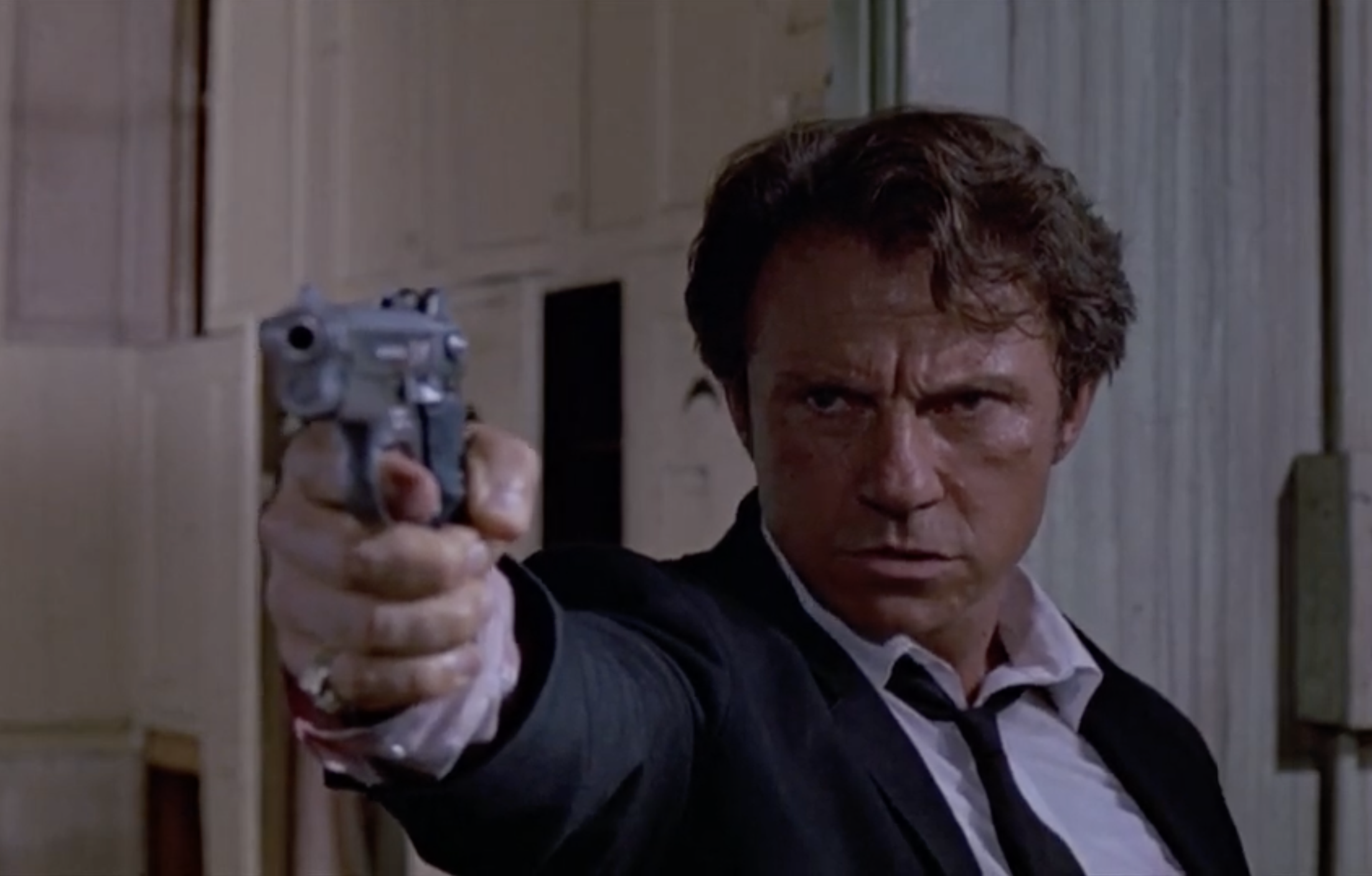
At the end of Reservoir Dogs, a dramatic scene unfolds as Mr. White cradles a dying Mr. Orange, who confesses to being the double agent. In a tragic turn of events, Mr. White ends up shooting Mr. Orange as the cops arrive.
Just moments earlier, Mr. Pink grabs the bag of diamonds and high-tails from the warehouse. To a casual viewer, it may seem like Mr. Pink is the sole survivor of the Reservoir Dogs’ ordeal.
However, if you pay close attention during the intense exchange between Mr. White and Mr. Orange, you can actually hear the police approaching, and there’s a faint commotion that suggests they may have apprehended Mr. Pink outside.
I absolutely love how Tarantino cleverly tucked that key detail beneath the surface of such an emotionally charged scene. It’s remarkable how surprising and yet inevitable everything felt. Right from the beginning, we could sense the Reservoir Dogs’ impending downfall; we knew the police would arrive eventually. However, the suspense lay in not knowing who would be standing when it all came crashing down. Who might escape? Who would survive?
While many questions were answered, the delightful mystery of what happened to Mr. Pink after he left the warehouse still pleasantly lingers.
That’s the lesson I took from Reservoir Dogs: bring chaos together, keep your eyes focused on one part, and leave some details unseen. Allow the audience to infer, and trust that they will draw a more interesting conclusion than anything that could be filmed or written.
The Departed
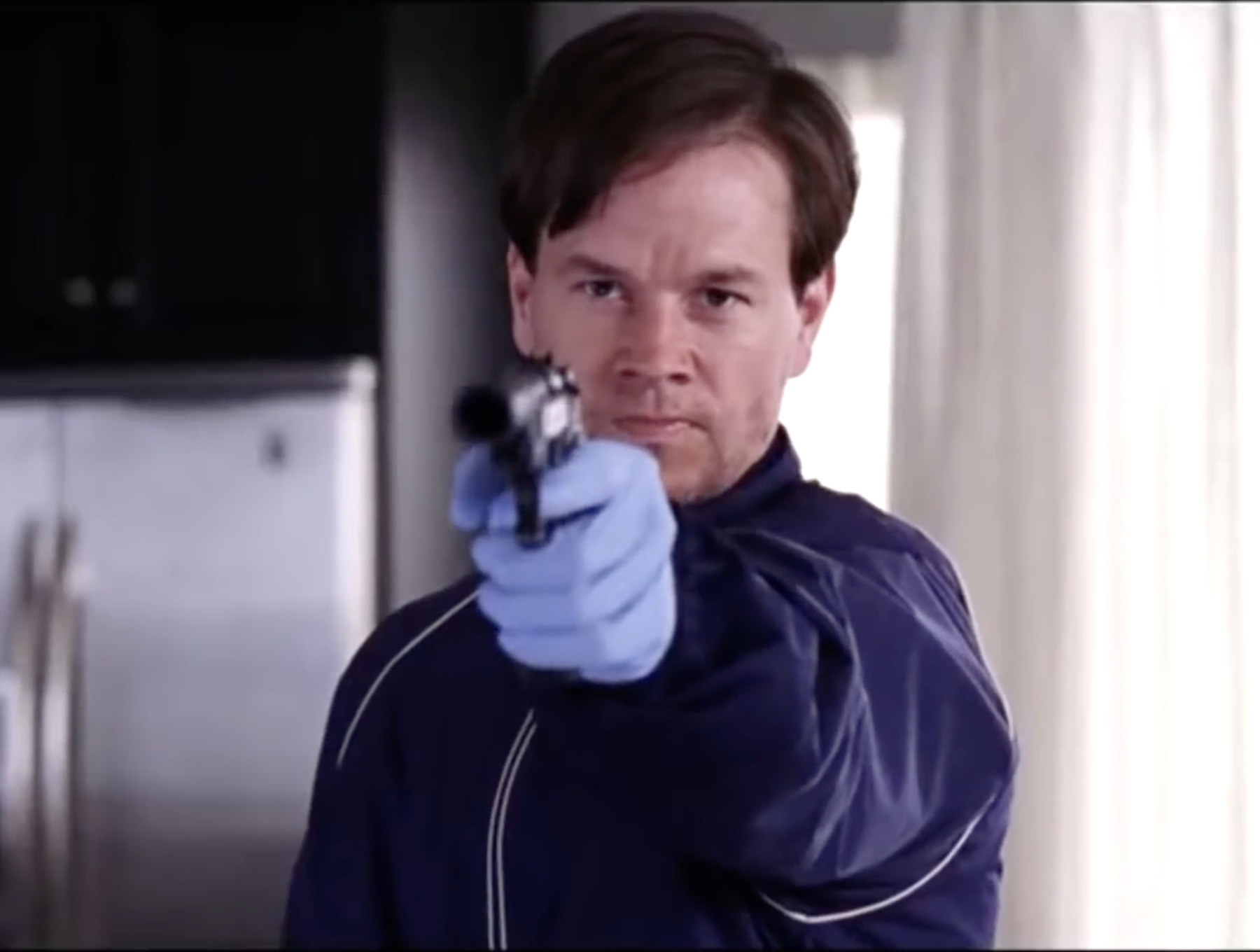
The ending of The Departed remains one of the most shocking moments of my movie-viewing life. In just ten minutes, Scorsese managed to kill off several key characters, which is certainly not a move you can pull off regularly. You shouldn’t end all your stories with Mark Wahlberg shooting your protagonist, but man, it’s a brilliant use of inevitability and surprise.
The Departed serves as a guiding example for me when I contemplate the buildup to those crucial final moments in my stories. I aim to leave the audience with the same intense feeling one experiences after surviving a car accident. Achieving this impact requires careful planning and execution.
The characters need to be in a fast-paced situation, preoccupied with pressing events or red herrings, like someone complaining in the back seat. Then, in the blink of an eye, they must look up and face the unexpected surprise—a telephone pole right ahead. Bang! The combination of speed, distraction, and the shock of the inevitable creates the desired effect.
No Country For Old Men
The memory of my first time watching No Country For Old Men is etched into my mind. Sitting alone in the movie theater, I had been on the edge of my seat for the entire two hours. Then, just after Tommy Lee Jones shares some thoughts about his dream, the screen abruptly cuts to black. I found myself utterly confused, wondering, “Wait… what just happened?”
As I sat there, a whirlwind of questions swirled in my mind. Did I miss something important? Was it all just a dream? Did Javier Bardem’s character escape, or did he die? I couldn’t stop thinking about it. In a way, it was slightly annoying. I expected a neatly wrapped-up story and to leave the theater with all the answers I needed.
The difference between movies and real life is that a movie needs to make sense, while real life often doesn’t. A movie needs to follow a coherent storyline, while real life often unfolds in unpredictable ways. I like it when endings in movies aim to blur the line between entertainment and reality. The goal is to immerse you in a captivating tale that allows you to escape your current world. However, once the movie is over, it should leave you with a nugget of truth to carry back into your life.
The beauty lies in the questions the movie leaves you with. These questions should be revisited often to ensure they still align with your core values and beliefs. That is what makes movies like No Country for Old Men worth rewatching.
Do we feel comfortable with uncertainty? Are we fine with forming our own conclusions? Can we accept that others might have different opinions? That’s No Country For Old Men. It’s an ending that’s bound to divide the audience. Some will despise it and try to erase it from their memory, warning others to stay away because it doesn’t align with their idea of entertainment. Meanwhile, there will be those who can’t help but overanalyze and contemplate it. Sometimes, it’s gratifying to create something for those who fall into the latter category.
Entertainment can often feel super formulaic. We do need to learn how to write and tell stories within those boundaries, but we also have to find ways to make our work truly stand out and leave a lasting impression. And guess what? The ending can play a huge role in that. Nailing the landing is vital if you want your audience to remember your work, discuss it with others, or even engage with it on a deeper level.
A great ending should be both surprising and inevitable. How you achieve that is totally up to you. In my three examples, I found that offering subtle clues, introducing misdirections, and leaving room for interpretations are some effective ways to conclude a story and give your audience a reason to return.
For more writing ideas and original stories, please sign up for my mailing list. You won’t receive emails from me often, but when you do, they’ll only include my proudest works.
Join my YouTube community for insights on writing, the creative process, and the endurance needed to tackle big projects. Subscribe Now!
 Elliot Chan