Riding Up Cypress Mountain for a Challenge and Charity

Please support my fundraiser!

Triathlon, for me, often feels like a selfish act. I train to get faster. I work out for my mental health. For my physical health. Because it’s my hobby—my escape. I race to beat my last time, to check a box, to prove something to myself. Most of what I do, I do for me. And I don’t think there’s anything wrong with that.

We’re often told that everything we do should serve a greater good—that if something doesn’t benefit others, it’s not worth doing. But there’s value in doing something simply because it lights you up. Motivation matters. Not everything needs to be for something.

That said, sometimes tying your effort to something larger than yourself is exactly what keeps you going. When you’re exhausted, or stuck, or unmotivated, a deeper purpose can pull you through.

Pain can drive you, too.

A month after my dog Michael passed away, I ran my first half marathon. I was overwhelmed with emotion at the finish. It hurt to keep going—but I kept going, and it meant something.

Michael’s death was sudden. 

I’d gone out for a swim that rainy evening, and by the time I got changed and rushed home, he was already gone. We learned he had an undetected tumor near his heart. It burst, and within hours, he was gone. There was nothing we could have done.

I still think about how I was off training—doing something for myself—when he left.

We only have so much time to do the things we want to do. Life is fragile—and it’s not just death that can take things from us. Injury, burnout, financial hardship, obligations—they can all pull us away from the life we imagined.

In stoicism, there’s a phrase for this: memento mori. Remember, you must die. When you carry that awareness with you, it creates urgency. You want to make the most of each day.

This summer, I signed up for a few races leading up to my second Olympic-distance triathlon. I’ve got two open water swims and my first-ever bike race: the Cypress Challenge, a climb up Cypress Mountain. It’s not just any ride—it’s an event that raises money for BC Cancer and brings attention to pancreatic cancer.

Any contribution is deeply appreciated. Donate here!

Now, please enjoy a couple of hill repeats with me up Queen Elizabeth Park, on this beautiful cherry blossom day.

Enjoy the ride.

Join my YouTube community for insights on writing, the creative process, and the endurance needed to tackle big projects. Subscribe Now!

For more writing ideas and original stories, please sign up for my mailing list. You won’t receive emails from me often, but when you do, they’ll only include my proudest works.
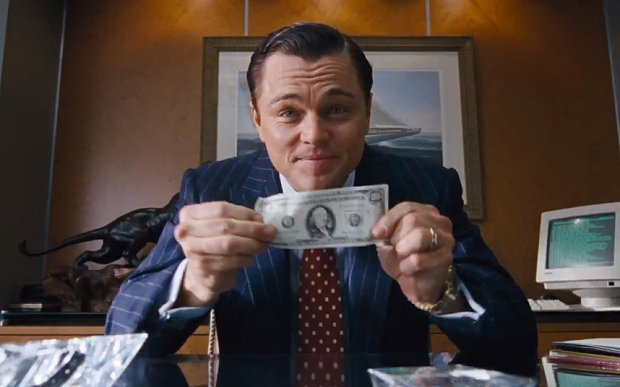
Can hypocrites save the world?

wolf2_3248542b
via The Wolf of Wallstreet

DiCaprio gets heat for extravagant privileges while preaching eco-friendliness

By Elliot Chan, Opinions Editor
Formally published in the Other Press. March 9, 2016

When Leonardo DiCaprio won his long-awaited Oscar for his role in The Revenant, we all cheered for his deserved award. But it was the subject matter of his long speech that caused some people to roll their eyes. DiCaprio has been a long-time activist. Time and time again we see him appearing on screen—not dressed in a tuxedo, but in a “regular” jacket or sweater, in boots, with a rugged beard—talking about the destruction of our environment.

His most notable cinematic contribution to that cause is his producer, narrator, and writer roles in the environmental documentary—an unofficial epilogue to Al Gore’s An Inconvenient Truth— The 11th Hour.

We don’t need movies or movie stars to tell us about the environment. We all feel the change. This has been one of the warmest winters of my life. I’m concerned, but I don’t have time to be both an advocator and fulltime employee, making money to live. Many people feel the same way and are insulted when big shot celebrities rub it in. And when the Best Actor winner, some big shot multi-millionaire, is only talking the talk instead of walking the walk, people have the right to be angry.

DiCaprio was specifically called out for having a 16,000-horsepower private yacht, the Topaz. For someone who cares so much for the environment, sailing the seas on a luxurious, diesel-gas-guzzling vessel is surely counter-productive, right?

Now, I could go on about how DiCaprio is a hypocrite—and how the movie The Revenant did nothing to improve the lives of First Nations people, the very people DiCaprio sought to empower, but in fact marginalized them more—but I won’t. Because, as rich and arrogant as I’m sure Leo is, he is at least putting his free time into advocating good. Is he good? No. He’s a hypocrite. But I would rather take a hypocrite actor over one who is a woman-beating bigot. What can I say? I have low standards for my celebrities.

There are many bad traits in the world, and being hypocritical is a minor one. With that being said, is there any more DiCaprio could do without giving up his fortune? Probably. But why should he? He’s not God. He’s just a servant of God. Sure, in the grand scheme of things, he is doing very little, but he is still doing it. When you are one of the most powerful actors in the world, you can merely sit back and accept awards, or you can use your clout to announce a concern. Some people choose racial equality, other chooses gender equality, but Leo chooses nature conservation.

DiCaprio is not committing to his cause 100 per cent, we can all agree on that, but he is dedicating some of his time to it. That is more than what I can say about me… or even you. How much have you committed to saving the world, or any other cause?

Take a look at yourself the next time you criticize someone for wanting better in the world. The old idiom “Do as I say, not as I do” is one every parent has once evoked if not said. If the heart is in the right place, then the person is moving in the right direction. We humans are not perfect, and that is the very reason why the world will end with a hopeful whimper, or like The Departed.

Let taxes equal charities

Photo via Thinkstock

Is it really better to give?

By Elliot Chan, Opinions Editor
Formerly published in The Other Press. March 3, 2015

It’s hard to get excited about taxes. Like having someone reach into your pocket and take whatever they want, tax season often leaves us all feeling a little violated. But for as long as civilized living has existed, taxes have been constant and increasing. It’s clear today that if we want to continue living the Canadian life, we’ll need to pay taxes, and a lot of them.

After you wash away the tears, let’s take a look at all the benefits, because it is all about the benefits. Public safety and services are two popular reasons to pay taxes, and they’re good ones. I’ll be glad to pay taxes if the firefighters put out my burning house or if a policeman arrests the dude who just robbed me. I frequent the library, so I’m happy about the books my tax dollars bought. I drive, so I’m glad there is money left to fill potholes and extend the highway. Let’s call taxes a security for our future, insurance for our way of living, and a charity for the people in our society.

As I progress through life, I have noticed that I’m paying more taxes. I remember there was a time when I received money from the government for simply being alive. Now, I’m required to pay it back—it’s bullshit. But I’m not going to stop working; I’m not going to stop making money. My attitude toward taxes is different. I want to make more money so I can pay more taxes. Rich people get praised all the time for donating to charity, but they get pitied for having to pay significant taxes. No! Don’t pity them. They are rich. If needing to pay taxes is a deterrent for wealth, there is something wrong with your mentality, and that needs to change.

Money creates power and power begets money. Taxes break this pattern. They put responsibility on the wealthy to help provide for their less fortunate peers as they cope with the hardships of life.

We are all in this together, although we might not all agree on where the money should go. Some say the money should be dedicated to slums, others say it should go into renovating a public art gallery. Some want it to build a new transit infrastructure; others want to upgrade the healthcare system. We might never agree, but the thing is, we should be optimistic that wherever our money goes it’s going to good efforts. The same way we have little control once we donate to a charity, is the same way we should approach taxes.