It’s not easy being an emotionally stunted man. Maybe it’s parenting, maybe it’s societal pressure, maybe it’s some primal instinct to suck it up, but whatever it is — it makes sharing the bruised parts of ourselves hard. What we need is a primer. Something that opens a crack in our window of acceptance, something to allow a cold external breeze to enter. Something like a cathartic movie.
While a comedy can distract us from the pain, a tragedy encourages us to confront it, accept it, and brace for it.
What you need, is a tragedy. Because a good way to cope with the troubles of our own lives is to start by empathizing with those of others.
If you are feeling a little blue — and communicating it with a loved one or a trusted friend feels too brutal — here are 10 movies that can ease you in. These are 10 Cathartic movies for Dudes who Need to Feel.
Trees Lounge: (Amazon)
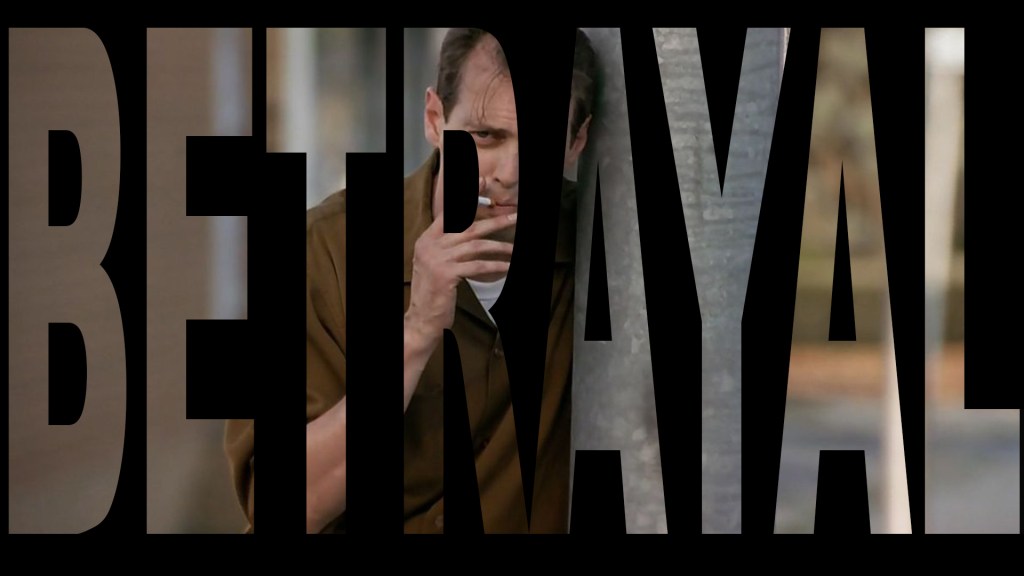
Whether you’ve stolen money from a friend or had a buddy steal your girl, you never come out the same after a betrayal. Steve Buscemi knows betrayal well. How else could he have written, directed, and starred in the 1996 comedy-drama, Trees Lounge?
Trees Lounge is a story about Tommy, his addictions, and a little bar that acts as a landing mat at rock bottom. At the core, Trees Lounge is about someone self-destructive, someone beyond help, for helping would be to get sucked into their little black hole. Chloe Sevigny, Mark Boone Junior, Debi Mazar — and Samuel L. Jackson, give sincere performances that heighten the disgust we feel for those whose reputation is beyond repair. Tommy is someone who has nowhere to go but up, but can’t seem to move. It’s hard to recover from a betrayal, on both sides, and sometimes we deserve second chances, but that doesn’t mean we’ll get it. Trees Lounge cautions us, letting us know that we too can become worthy of pity, but also gives us company like a stranger at the bar.
Dead Poet Society: (Amazon)
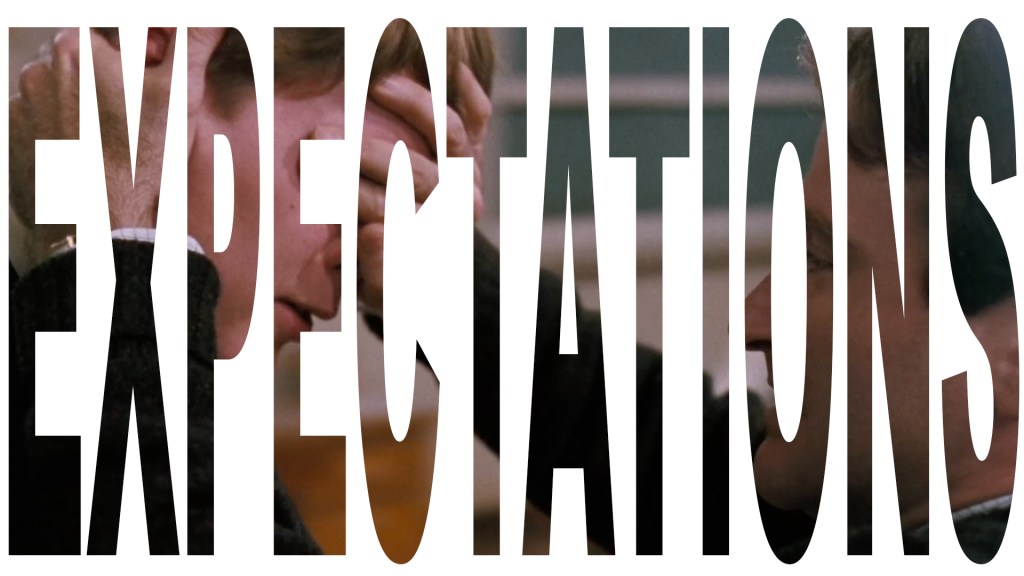
Pressure makes diamonds so they say — but pressure can crack and shatter. Dead Poet Society set in a prep school, Welton Academy, tells the story of a group of boys, inspired by their English teacher, starring Robin Williams, to seize the day and make their lives extraordinary.
For anyone who is currently held hostage by someone else’s expectations, know that Dead Poet Society is one of the purest portrayals of how tough love can backfire. It reminds us that having a strong belief that any one thing should happen, especially when it comes to another person, is ultimately going to lead to disappointment, if not tragedy. You’re in control. Dead Poet Society doesn’t release the weight from our shoulders, but it encourages us to acknowledge it, and ask whether we’re carrying something that might not even belong to us, and perhaps we can drop it.
The Wrestler: (Amazon)
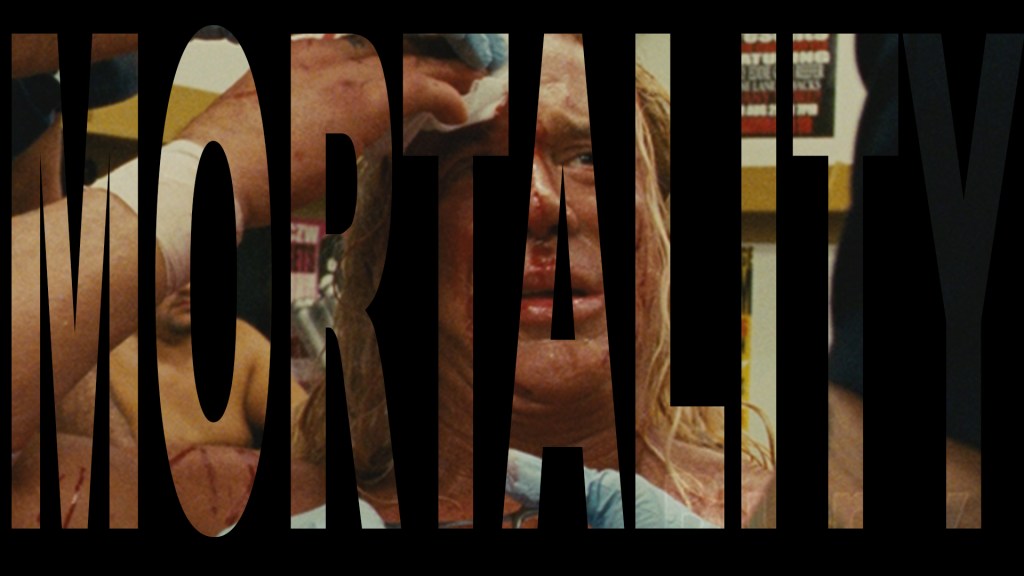
As we fade, as it becomes clear that the glory days are over, as we cling ever longer to keep the light lit, we confront life fully. We start to take stock of what actually matters. In The Wrestler, directed by Darren Aronofsky, we learned that our choice in what matters can be perfectly selfish. It’s our right to ride out the end of our days holding onto the illusion of what we ourselves deem successful. However, The Wrestler wants us to be completely honest — and to accept that our choices are not without ripples.
Mickey Rourke gives a poignant performance as Randy “The Ram” Robinson, where he used the fall of his character as the comeback for his own career. The Wrestler acts as warning and encouragement, as disappointment and pride, as mercy and hope. Wherever you are in your own comeback know that even though your body may give up you, you can fight until the last breath.
Mystic River: (Amazon)
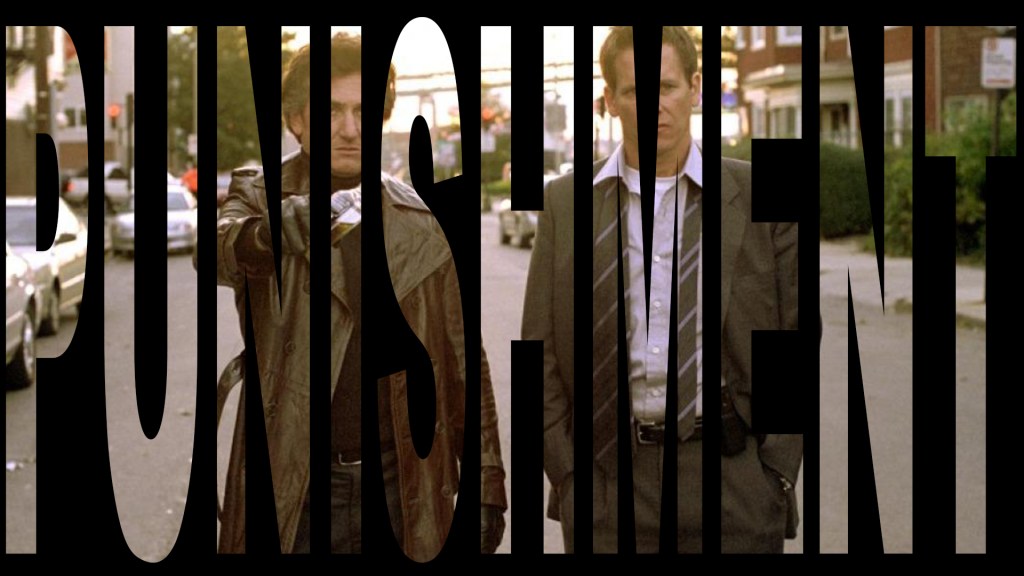
The damage of trauma lasts a lifetime, it’s a scar that never fully heals, and if you’re unlucky it’s something you can leave hidden. Mystic River, directed by Clint Eastwood, with heart-wrenching performances from Sean Penn, Tim Robbins, and Kevin Bacon is a visceral experience that forces us to meet face to face with the words justice and punishment, and what that means to us.
In this unjust world, we can feel that we need to take matters into our own hands. We are rather preys or predators. There is no one here to help us. In this way, seeking justice becomes the punishment — like handcuffs we put on ourselves. We often call this demand for justice, revenge. What is done to us, we’d do to others. Eye for an eye. Mystic River balances the tragedies and what people would suspect of us after such an event. This is not an inspirational story, it’s a dreadful tale of how retribution can backfire — and, as reactive animals, more often than not, that is what we need.
The Elephant Man: (Amazon)
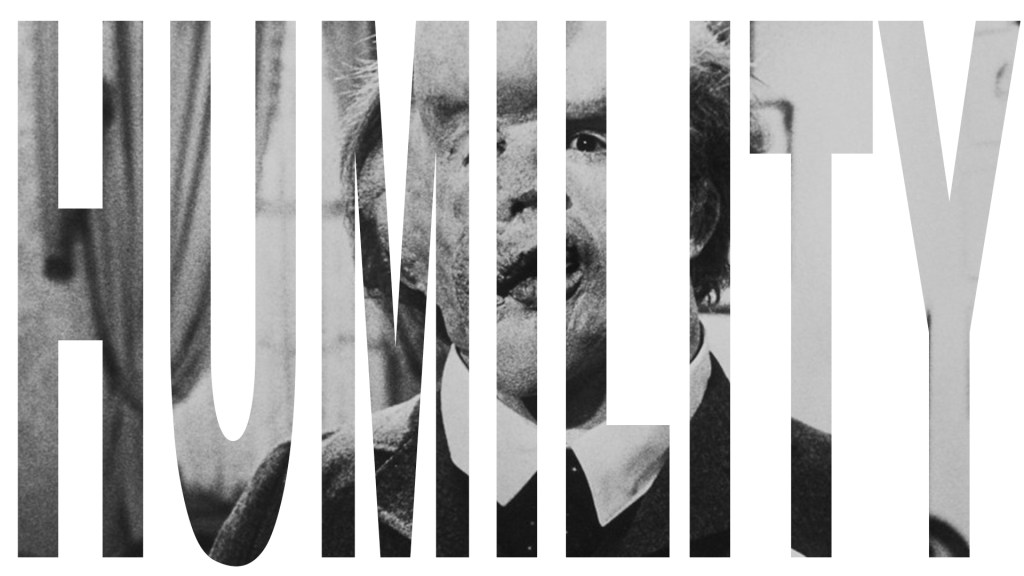
Every day we look into the mirror and face who we are. Our face is how we show ourselves to the world. In these digital times, it’s easy to hide away, hide behind an avatar, hide our flaws, hide our deformities. Hide the things we think will bring us shame. The Elephant Man, directed by David Lynch, is a story about a man who cannot hide, about a man who is cursed from birth, a man who yearns for kindness as much as he yearns to lay down to sleep.
John Hurt portrays John Merrick, the Elephant Man, based off of a real person from the late 1800s who was born with severe, yet mysterious deformities. While it’s easy to pity Merrick, what the movie really asks of us is not pity, but rather simple humility. Regardless of how others appear, understand that we aren’t seeing the full picture, and so it goes with ourselves when we look in the mirror. While we put ourselves out there and receive others in return, The Elephant Man reminds us not to let vanity be the measurement of our worth.
Inside Llewyn Davis: (Amazon)
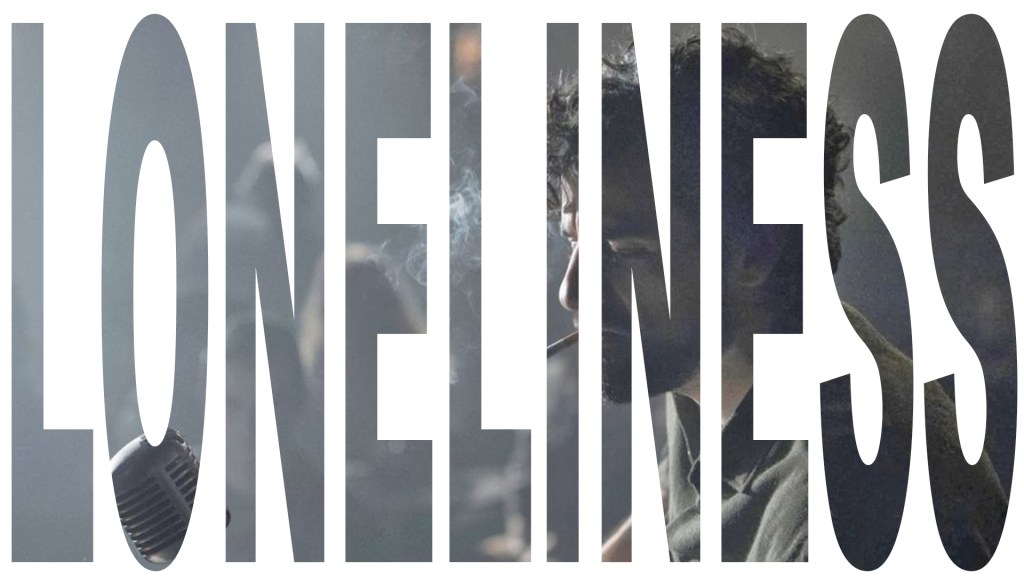
Life is full of possessions, things that belong to us, things that don’t. As we move through this song of ours, we realize how little we have and even the things we have are usually temporary. And the things that matter can rarely be replaced. Inside Llewyn Davis, perhaps the Coen Brother’s most introspective movie, follows a folk musician as he attempts to salvage his life after the death of his musical partner.
Oscar Issac gives a touching performance, showing how the world can kick us even when we are down and how easy it is to take advantage of us when we have nobody else to protect us, to stand up for us, to give us a place to stay. Outside, the unsympathetic world, in our desperation, gives us a worse deal, and it rushes us — before we are ready — to get over what we know we never can. Inside Llewyn Davis is a story about recovering, about trying to do better, and how hard it is when we have to go at it alone.
Lost in Translation: (Amazon)
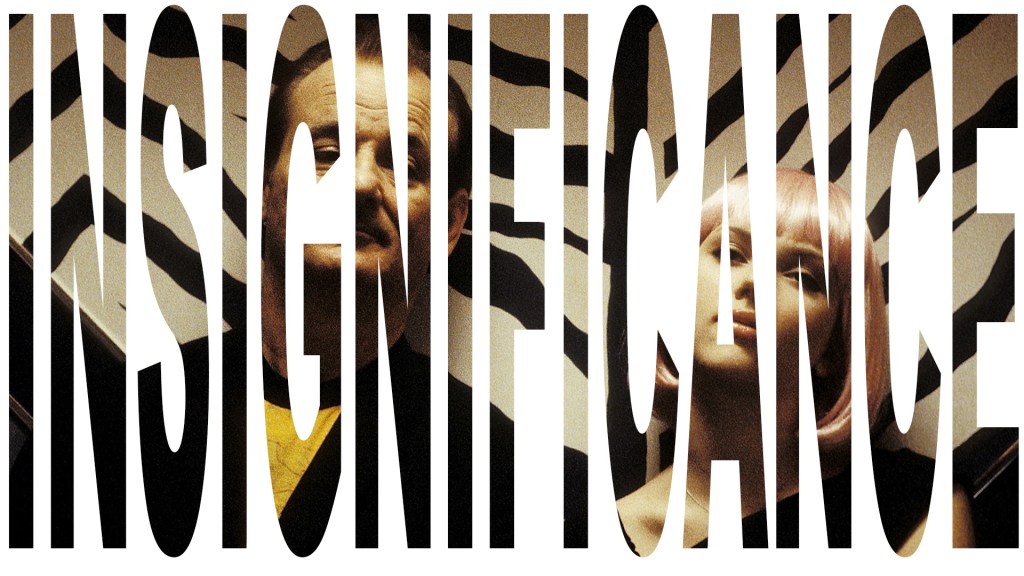
What happens when we get everything we dreamed of? Well… life continues and from that new normal we can rather chase more or hang on bitterly to what we have for fear that we might recede and lose it. Lost In Translation puts us in the epicenter of the bustle of Tokyo with a couple of aimless foreigners, Bill Murray and Scarlett Johannson, who are both unable to visualize what the next milestone looks like in their stagnant lives.
We often feel as though we have to make some big decisions in our lives and that if we don’t pick the right ones, we will regret it. But what Lost in Translation tells us is what philosopher Soren Kierkegaard understood all along, regardless of what we do or don’t (get married/don’t get married, quit our job/stay forever, laugh at the world/weep over it), we will regret it. No matter how big our decision may feel, no matter how paralyzing it becomes, Lost In Translation encourages us to accept the inevitable regrets, and make them, for in our insignificance that is the only control we have.
Good Will Hunting: (Amazon)
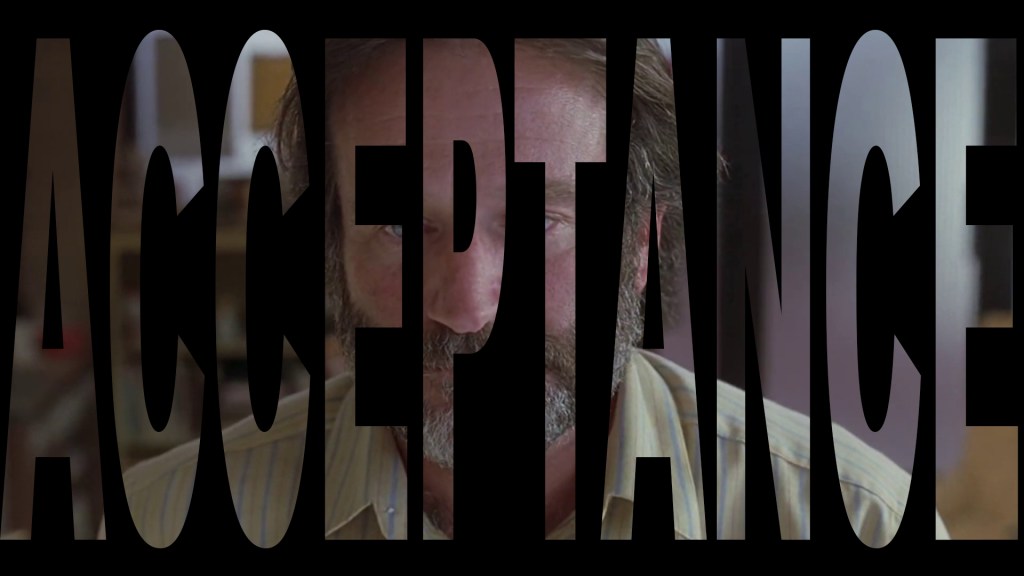
We know everything — at least, more than people give us credit for — but when it comes to life and this mysterious journey, we have to accept that at best, we know as much as anyone else, regardless of what a genius we might actually be. Good Will Hunting, the Matt Damon classic, is the pull and tug we often feel from the communities around us. The communities that offer the lure of belonging, the lure of comfort, the lure of accolades, or rather a distraction from what we really are.
Robin William’s powerful performance reminds us that amidst our stubbornness, we are as lost as everyone else. Yet, regardless of whatever blessings or curses we are given, when an opportunity comes along, it is still our job to recognize and potentially learn from it. When we think we know it all, we push away, when we accept there is more to know — that there are experiences out there — we must chase.
Manchester By The Sea: (Amazon)
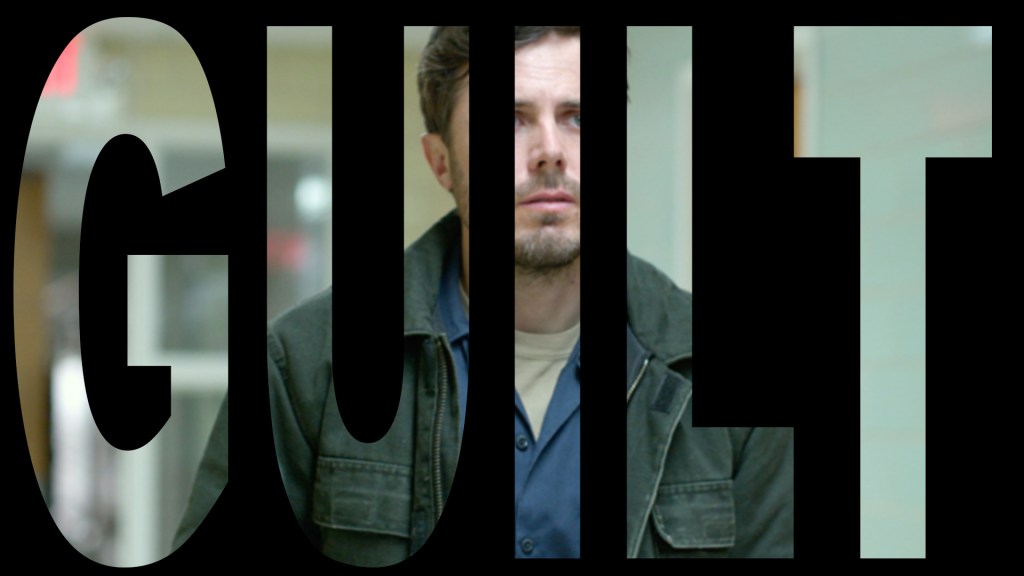
We’ll make mistakes, we’ll hurt others, and life continues — the question is, what’s the cost of the guilt we carry? How long will we carry it? Like hoarders, keeping garbage to remind them of the past, how can we ever let it go? Manchester by the Sea tells the story of a man whose negligence proved costly, and how the greatest damnation is the one we impose upon ourselves.
Casey Affleck gives a compelling performance as Lee Chandler, a man who will never recover from his past. Even as we the audience have long absolved this person, he cannot forgive himself. We can find ourselves in Lee’s shoes, unable to let go of the guilt we carry, even when the rest of the world is telling us it no longer does anyone any good. The pain, like a concussion, remains. Perhaps we need to look upon ourselves in the third person, like we are watching ourselves in a movie, our character haunted by the past. Maybe viewing our uselessness in this manner can help us see that forgetting might not be possible, but the pain we can keep to ourselves, we don’t have to inflict it on others. We can be the sacrifice — a sacrifice for another person — and that can be the way we find forgiveness.
Eternal Sunshine of the Spotless Mind: (Amazon)
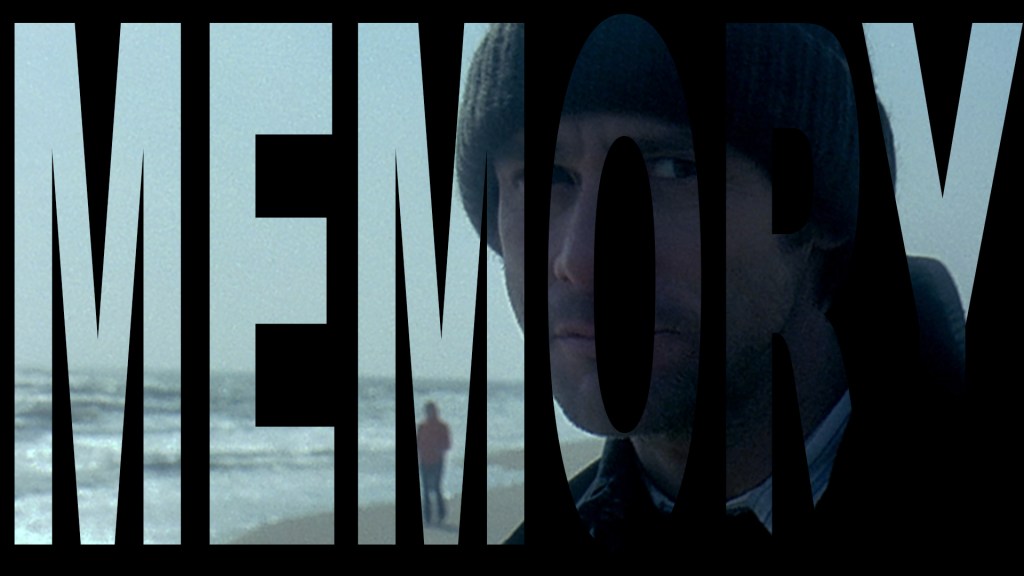
At the end of a terrible day, sometimes all we want to do is forget. But what Eternal Sunshine of the Spotless Mind shows us is that erasing our memories doesn’t leave us free from the pain of those we’ve forgotten. No, instead, it leaves us with an empty void, it leaves us in a sunken pit, wondering how we’ve got so down.
Charlie Kaufman’s imaginative story with the melancholy visuals of Michel Gondry’s directions, paired with the moving performances from Jim Carrey and Kate Winslet, makes Eternal Sunshine a triumph in catharsis. For all of us who are currently in the midst of heartbreak, for all of us who’ve experienced regret, shame, and disappointment, for all of us seeking a tangible solution when there will never be one, we can be free for a moment, lost in someone else’s world, and understand that what we are experiencing is indeed a little surreal.
Big conversations are hard to have, especially when they are on a heavy personal topic. You may find yourself creating a barrier between yourself and your emotions. A cathartic movie can offer you a bridge to cross that chasm, to see your feelings up close, to accept that you can express yourself. By using a story as the vessel to reach your emotions, you can for the time being bypass your own pain. That’s the power of storytelling. Sometimes it is entertaining, and other times, it’s soul cleansing.
For more writing and editing inspiration and stories, please consider signing up for my mailing list. You won’t receive emails from me often, but when you do, it’ll include only works that I’m most proud of.
 Elliot Chan