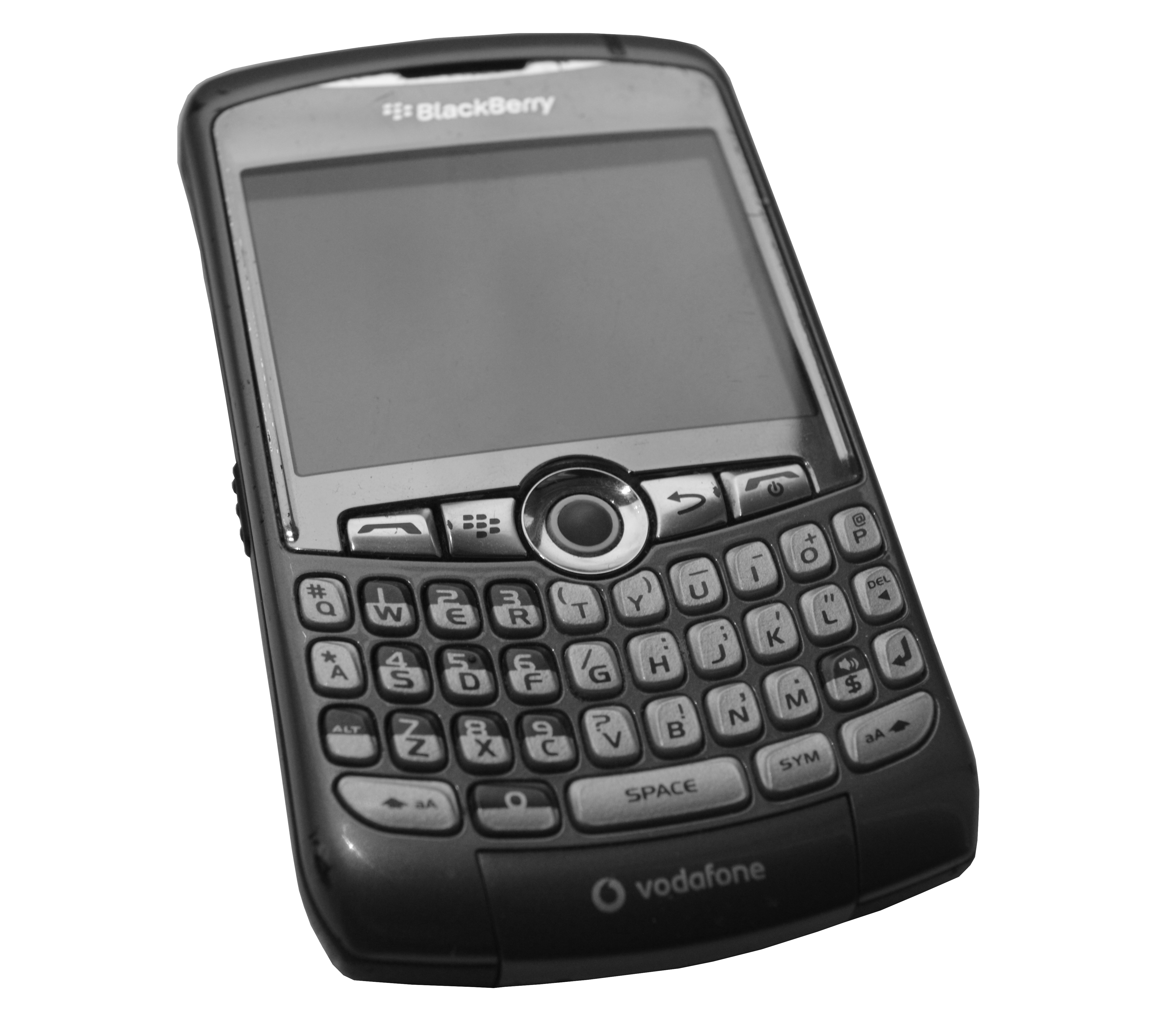
The slow deterioration of BlackBerry
By Elliot Chan, Opinions Editor
Formerly published in the Other Press. Nov. 2013
Flashback to three, maybe five years ago, when BlackBerry was supplying the dominant product in the smartphone market. Then BlackBerry phones disappeared. One moment we were hearing the trademark clicking of fingers to keypad, and the next there was silence. Consumers lost interest, and stock value plummeted. New executives were brought in, but nothing could save the former titan of mobile devices from irrelevancy.
Technology, like evolution, has always been about survival of the fittest. Whoever adapts to the changing environment first will gain dominance. BlackBerry, however, was unable to foresee that touch screen was the next phase in smartphone technology. BlackBerry founder and former CEO of Research in Motion, Mike Lazaridis, underestimated the market and overestimated consumers’ loyalty to his product. After the initial release of the iPhone, BlackBerry executives held a board meeting where Lazaridis denied change. He pointed at a touch screen example and said, “I don’t get this.” People like the keypad, he thought—and if it isn’t broken…
Like the story about the tortoise and the hare, there is just no way for the hare to catch up now after waking up—not from a nap, but from a productivity-coma. But what choice does the company have now that it has pretty much given away its most valued asset, BlackBerry Messenger (BBM) and appointed a new interim CEO, John Chen?
I believe there are three possibilities for Chen and BlackBerry in the next five years. One is for them to peter out. They’ll continue down the path they are going, trying to keep up with Apple and Android. Even if their products are of greater quality, their diminished reputation will leave consumers wary about purchasing—there might be a few loyal CrackBerry-heads, but appealing only to them would either leave the company in ruins or forced into a merger or acquisition.
The second possibility is for BlackBerry to transition away from creating devices and focus on being an iMessaging company. This scenario might seem like a huge step backwards, but I believe it’s the most reasonable. Since product experts already consider every BlackBerry smartphone to be obsolete, there is no reason to waste precious time and money developing them for the waste bin. By focussing on perhaps their best innovation, BBM, they can gain some leverage and loyalty back. As it stands, BBM currently has 80-million active users.
The third possibility brings me back to BBM and the idea of thinking ahead of the curve and anticipating trends. BlackBerry failed to do that with touch screens, but they were able to foresee the future of instant messaging—well, at least they did many years ago. The original concept was risky. They made BBM exclusive to BlackBerry devices, which forced consumers to own a BlackBerry if they wanted to use the free and efficient messaging service. That tactic won’t work now, but there are many more innovations out there in the sea of wireless technology. In this scenario, it really does become an arms race, because Apple, Android, and a bunch of other little fish are racing for the same best new idea.

 Elliot Chan