A 12-kilometer ride, 700 meters of climbing, and a race I wasn’t totally sure I was ready for.
I parked, got my gear sorted, tried to settle my nerves. I’ve been training, sure—but that question kept echoing: Did I do enough? You never really know until you’re out there.
Before the climb even started, I had to descend. And honestly? That part freaked me out.
I hadn’t practiced much. Thirty minutes of descending wasn’t something I’d ever done, and I really felt it in my hands—worried that I’d pull the brakes too hard and go over the handlebars, or just lose control and go careening off the road.
I kept coming back to this piece of advice I heard once—that descending is all mental. And if you want to enjoy it, just say it out loud: I love descending!
So I did. Over and over, like a mantra.
Then a deer crossed the road in front of me. And you know, from that point on, I did love descending.
The start line park was beautiful that morning—clear views of the water and UBC. Hard to believe I’d been riding over there just a week ago.
Around me, riders were quietly doing their own prep. I had some cramping from the descent, so I used the time to walk it off and stretch.
Now, all that was left was to wait for the race to begin.
I lined up at the back of the under-one-hour group.
It felt ambitious.
I’ve never done a timed hill climb like this before, but something in me wanted to see what was possible. Worst case, I’d blow up. Best case? I’d surprise myself.
When the race started, I settled into a pace that felt manageable.
Not easy, not hard—just steady.
I reminded myself: it’s a long climb. No need to burn out early.
The first half went by smoother than I expected.
But after that midpoint sign? Everything changed.
My legs started screaming. The road felt longer. The crowd thinned out.
I just kept chipping away. This was the part I wasn’t sure if I was prepared for.
So I stopped thinking about the finish.
I picked a rider ahead of me and just… followed.
Not racing them—just borrowing their rhythm.
It gave my mind something to hold onto while my body kept grinding.
I kept glancing down at my new bike computer.
I’ve got my watch, but this was different.
Just like those Form swim goggles I used in my last swim race—something about seeing numbers helps me get through the pain.
Weirdly, watching the distance barely tick forward made it easier.
I wasn’t moving fast. But I was moving.
And somehow, I made it!
Gun time: 59:59.
I laughed when I saw it. One second to spare.
I have a knack for coming really close to the wire with my finishes—having completed a few run races with just a second over the minute. I don’t really know what this says about me. But I don’t mind it.
Getting to the top felt incredible.
Not just because it was hard. Not just because I hit the time.
But because it reminded me: this is only the beginning.
There’s a whole world of rides, challenges, and climbs ahead.
For more writing ideas and original stories, please sign up for my mailing list. You won’t receive emails from me often, but when you do, they’ll only include my proudest works.
Join my YouTube community for insights on writing, the creative process, and the endurance needed to tackle big projects. Subscribe Now!
What happens when writing gets hard? When the excitement, the energy, the motivation you had at the start begin to fade?
Because here’s the truth: it will fade. And when that inspiration well runs dry… what do you do? Do a rain dance? Give up entirely? Or do you go out and start hunting for it again? Searching, gathering, and collecting new fuel.
You can’t keep pulling inspiration from the same place forever. That’s the trap we fall into, especially with big, long-term projects. We tell ourselves we have to remain close to the original spark, to keep circling the same seed that started it all so the story stays “authentic.” But what if the thing that got you here isn’t enough to get you there?
Sometimes the original inspiration is just the beginning — not the whole map.
For me, books alone stopped being enough. I needed more. So I started paying attention to other things — film, music, food, movement, architecture, nature, silence. I stopped searching for the one thing that would spark my writing and started letting it come from everything else.
Because art is about blending. The visual and the emotional. The structured and the chaotic. The outer world and the inner world.
What helped me jumpstart my writing again was realizing that inspiration isn’t a straight line — it’s a mosaic. And the more pieces I add, the richer the story becomes. Staying inspired is still a challenge. But I’ve learned how to refill the well — piece by piece, day by day, source by source.
Books were my starting point.
It started with fantasy — big worlds, bold stakes, magic and myth. That’s what I loved, and that’s what I set out to write. But as I kept drafting, I realized the story needed more dimension.
So I started reading more dystopian books — stories where things feel heavy and tense. They helped me think about what it’s like to live under control, when people don’t have real freedom, and how that kind of pressure affects every little choice a character makes.
Then came sci-fi, which cracked open ideas around memory, time, and identity.
That led me to survival stories — gritty, grounded, visceral — where every decision matters.
And finally, humor. Writers like Terry Pratchett reminded me that even serious stories need light. That levity brings depth. It’s about giving the reader space to breathe. Especially in a long, heavy story, humor makes the darker moments hit even harder.
Each genre added a new tone, a new layer. And the more I read, the more I started to see the overlap — like a Venn diagram where themes echoed across genres. And that’s how my story stayed alive — not by staying in one lane, but by blending them all.
Then I started watching movies differently.
It wasn’t a passive experience anymore. I’d rewatch films I always loved, but with new eyes. Not for the story, but for the spaces between it. The quiet edits. The way light falls. A shot that lingers just long enough.
Movies taught me a lot about pacing—especially those by the Coen Brothers. Fargo showed me how tension can thrive in seemingly quiet moments: a snow-covered highway, a character’s lingering glance, the distant hum of a TV in another room. It revealed how absurdity and violence can exist side by side, and how even the driest humor can be stretched out until you don’t know whether to laugh, cringe, or sit in silence.
Inside Llewyn Davis offered slow, looping melancholy. The story doesn’t build; it drifts. But the mood is so specific, so textured, it stays with you. There’s music, but it’s mournful. There’s struggle, but no resolution. That tone — lost, searching, slightly bitter — helped me lean into the emotional ambiguity in my own work.
And then there’s No Country for Old Men. I’d seen it before, but rewatching it while thinking about my writing, I focused on the silence. No score. Just footsteps down the hall. Then, gunshots in the distance. It made me ask: what happens when I let the quiet moments breathe in my own scenes — when I make my characters sit in the tension and feel every beat of a stressful moment?
Music became my outline.
From film, I turned to music.
It stopped being background noise and started becoming the outline. I didn’t just write to songs — I wrote from them, using them not to establish a scene, but to lead to a feeling.
“The Spiderbite Song” from the album The Soft Bulletin by The Flaming Lips stayed with me because of its deeply personal metaphors — a wound from addiction mistaken for a spiderbite.
The line: “Cause if it destroyed you, it would destroy me” really struck a chord. It changed how I see fantasy: it doesn’t always need dragons or kingdoms. Sometimes the magic lives in the metaphors themselves — in the way grief and love can exist together in a single sentence.
Then there’s “Love Is a Laserquest” from Suck It and See by Arctic Monkeys. I love this song, because of its mix of jadedness, wistfulness, and strange romance — like someone trying to ask a serious question behind a smirk. It made me think about growing up not as gaining wisdom, but as watching your idealism slowly fade. That mood helped me shape characters haunted by who they once were and what they still wish could be true.
Finally, “Under Glass” from Thin Mind by Wolf Parade hit me like a rush of energy. It’s fast, frantic, filled with building dread — like someone running toward something unknown. The lyrics feel trapped, like banging against the edge of an invisible barrier. It reminded me that dystopia isn’t always about strict regimes or harsh rules — sometimes it’s the slow, personal panic of realizing you can’t escape. That feeling became the emotional core for some of my most intense scenes.
I began shaping chapters like tracks on an album — letting rhythm set the pacing, letting lyrics echo through dialogue. Each chapter could stand on its own, like a song, but together they built something larger. An album. A whole. This was especially useful when the plot refused to move in a straight line.
Art gave me images when words wouldn’t.
Sometimes, when words stop flowing, I take a break and turned to art. One image — just one — can shake something loose. I’ll scroll through a gallery or flip through an old art book until something catches. It doesn’t have to make sense. In fact, it’s better when it doesn’t.
Surrealist art is great for that. I went through a Dali phase, and one piece I remember growing fond of was The Hand.
The giant, distorted hand extended over a vast, dream-like landscape, with just a few individuals scattered below. Who is the strange figure that belongs to? Is he a statue of some past ruler, or was the hand reaching out to beg? Who is that strange woman smiling behind like a lover past? Whatever it means, to me, this piece feels like authority, guilt, and longing all rolled into one.
That tension and imbalance seep into my writing: characters who reach for something they can’t quite hold, worlds where power feels both disembodied and dangerously close. These moments of visual stillness create scenes not through plot, but through emotion, space, and question.
Alongside classic surrealism, I also turn to the vivid art of Magic: The Gathering cards. Each card is a microcosm — a warrior mid-battle, a sorceress unmoved by swirling storms, a ruined temple glowing with latent power. A single illustration can spark inspiration for an entire chapter.
Whether it’s Dalí’s hand demanding something unseen, or a fantasy card hinting at ancient magic, these images become a little excursion away from the pages on the screen, which allows me to come back fresh.
Food reminded me to use my senses.
We talk about “show, don’t tell,” but nothing expands a story like taste. The sharp burn of wasabi that hits your nose, the fiery punch of hot sauce lingering on your lips, or the unexpected bitterness of dark chocolate that makes you pucker.
Some flavors comfort, like a warm bowl of miso soup or tangy kimchi, but others sting—like the sour bite of fermented mustard greens or the acrid edge of bitter melon. It’s hard to describe it, but these tastes strangely resemble old painful memories.
Food can also be surprisingly divisive — what’s a comfort to one person might be unbearable to another. A perfectly balanced hot sauce awakens the senses, but overdo it, and it hurts. Bread fresh from the oven is soft and inviting, but stale or burnt, it turns tough and abrasive, changing the whole experience.
I find that transformation inspiring. It reminds me that even the best things can shift with time, care, or neglect — just like characters and stories. How something changes, for better or worse, adds layers of complexity that I try to bring into my writing.
Architecture showed me how space shapes story.
As my search for inspiration deepened, I found myself drawn to architecture from around the world — from the stark brutalist towers of Eastern Europe to the half-sunken temples in Cambodia, to neon-lit apartments in Tokyo.
I began imagining my characters moving through these spaces, experiencing the subtle shifts as they step inside and out. The cool air inside a stone temple after the scorching sun outside. The hollow echo of footsteps in a concrete hallway of a Soviet-era building. The sudden flood of neon light in a cramped Tokyo stairwell.
That feeling of crossing thresholds — walking through a doorway or stepping into a new room — changes everything. The way the air smells, how light bends and shifts, the sounds and textures that greet you. The high ceilings. The tight quarters
Architecture has the power to shape mood, tension, and stories. It can be a sanctuary or a cage. And that’s the kind of atmosphere I try to bring into my writing when creating an environment.
Working on a long project requires both inspiration and motivation. Motivation keeps you showing up, day after day, page after page. But it’s inspiration that gives your motivation direction—it lights the path forward when the road feels long.
This story is mine, and most importantly, I’m enjoying the process again—filling the well as I go. When you return to the page, start with one source of inspiration. But then, let it grow, let it fill your character, your world, your story. If you get stuck, don’t push too hard—go fill your well.
For more writing ideas and original stories, please sign up for my mailing list. You won’t receive emails from me often, but when you do, they’ll only include my proudest works.
Join my YouTube community for insights on writing, the creative process, and the endurance needed to tackle big projects. Subscribe Now!
This summer is flying by. Honestly, this whole year is. Sometimes it feels like my life is flashing before my eyes. Most days are just the same routine: wake up, work, sit at a computer, eat, sleep. The days tick by, and it’s kind of terrifying.
There’s not much we can do to stop time. We’re all getting older—it’s just something we have to accept. But while that’s inevitable, there is a way to make life feel more alive: do something new. So today, I’m doing exactly that. I’m cycling up Burnaby Mountain to SFU.
SFU’s one of my favorite spots in the Lower Mainland. I’ve always had good memories here. I was never a student, but back in the day, I’d come up just to take advantage of the student bar discounts. Like I said—good memories. And today feels like a mix of nostalgia and preparation for something ahead.
This ride is part of my training for a challenge I’ve set for myself in two weeks: the Cypress Challenge. SFU sits at the top of a mountain, but compared to Cypress, it’s only a quarter of the climb. So while today’s ride is a decent workout, it’s just a warm-up for what’s coming.
Time’s moving fast, and I never seem to have enough of it. Cycling, as a hobby, takes a lot of time—and long four-hour rides have been hard to squeeze in lately. My training’s been compact, and today’s ride is no exception. Still, I wanted to get at least a few climbs in before the big day. And this one counts.
I’m a small guy, which helps on climbs, but that doesn’t make them easy. Still, I love the challenge. I like the suffering. I like how it becomes a mental game. Being on a bike, knowing that if you stop, you lose momentum—it creates this pressure that somehow invigorates me. Climbing a mountain on a bike reminds me that I’m alive.
Time’s rushing past. Relatives are dying. Friends are having babies. Everyone seems too busy to do anything anymore. So the fact that I made it out here today, that I’m climbing this mountain—it feels like a small metaphor for surviving in the modern world. You work, you sweat, you push yourself to reach the top… only to come back down.
That’s endurance sports. That’s creative work. That’s life.
I’m cycling the Cypress Challenge to raise funds for pancreatic cancer research. Thanks to everyone who donated—I really appreciate it. Together, we’ve raised over $1,000. Thank you so much.
Now… let’s ride up SFU and look ahead to Cypress. I’m still here. I’m not on my deathbed yet. How do I know? Because there are still memories left to make. Life hasn’t fully flashed before my eyes—not yet.
Today is one week before the Cypress Challenge—a 700-meter climb up one of Vancouver’s North Shore mountains. It’s a charity ride for pancreatic cancer, and when I signed up, I knew I’d have to start finding some hills to train on.
Last week, I climbed SFU. This week, I went to another university I’m not enrolled in—UBC.
UBC is a bit of a labyrinth. Every time I ride here, I get a little lost. But that’s part of the fun. I’ve found a couple of climbs I really enjoy around this area, and those are what I tackled today.
Honestly, training for this ride has become more than just preparation—it’s been an excuse to get out the door. An invitation to explore places I wouldn’t normally go. I’ve ridden to beaches I would visit otherwise, through neighborhoods I’ve never passed, down roads I didn’t know connected.
Lately, travel’s felt far away—too expensive, too time-consuming, too complicated. But every time I throw a leg over my bike, it feels like a little trip. A brief escape from whatever’s waiting on my laptop or buzzing on my phone.
Training gives my days structure. A shape. And even when I’m tired, even when the hill ahead looks brutal, I’m glad for it—because it means I get to go somewhere.
It’s not just about the Cypress climb next week. It’s about all the quiet victories along the way—the early mornings, the sore legs, the new routes, the accidental detours.
And maybe most of all, it’s about showing up. For myself. For this cause. For the people who are climbing much harder mountains than I ever will on a bike.
So yeah—today was another ride, another climb. But it also felt like a reminder: I’m lucky I get to do this. I’m lucky training pushes me to try, to move, to explore.
Join my YouTube community for insights on writing, the creative process, and the endurance needed to tackle big projects. Subscribe Now!
For more writing ideas and original stories, please sign up for my mailing list. You won’t receive emails from me often, but when you do, they’ll only include my proudest works.
Today is Canada Day, and I’m doing my first swim race—a 1km open water swim at Sasamat Lake, right here at White Pine Beach. This spot’s a local favorite, and on a holiday like this, it’s bound to get packed. I used to come here all the time when I was younger—not to swim, just to hang out. But since getting into open water swimming, I try to make it out here a few times a year.
It’s a beautiful day. My mom came along too, and I think she enjoyed cheering me on. She’s the one who paid for my swim lessons as a kid and took me to the pool on weekends. Back then, I wasn’t much of a swimmer. I’ve come a long way since.
I wasn’t aiming for anything impressive with this race—it’s mostly a practice swim to get ready for my triathlon in September. I wanted to hold a steady pace and try out the “swim straight” feature on my Form goggles. Really, I just wanted to enjoy the day, spend some time at the lake, and do something active. Training has pushed me to get out more and make the most of days like this.
That said, I have been training, and I had a rough idea of what I could do. In a test swim, I did 1000 meters in 24 minutes, so that was my target.
And then we were off.
I still remember my first time swimming in a race—the opening leg of a sprint triathlon two years ago. The water was rough, and I honestly thought I was going to quit. Nothing since has been as hard. But today? The water was calm. The crowd wasn’t too intense, though there were a few bumps—someone even cut in front of me at one point and forced me to stop mid-stroke. But it was all good.
I wore my Form goggles, which really helped—not just with swimming straight, but with keeping my mind occupied. The compass and live stats gave me something to focus on, which helped me stay calm. Open water can mess with your head if you let it.
Still, on the way back, I lost my sense of direction a bit. The sun was in my eyes, and I ended up following the swimmers ahead of me. I lost sight of the final yellow buoy and had to use the finish arch on the beach as a guide. By the time I got close, I realized I’d taken a different line—probably a longer one.
I came out of the water a little confused. Somehow, I’d finished in 21 minutes. My watch said I swam about 70 meters extra, which means even with the detour, I beat my goal pace—averaging 2:21 per 100 meters.
I walked away from this race feeling a lot more confident in my swimming. It wasn’t a super fast time, and I still need to work on sighting and swimming straight, but I’m not just surviving the swim anymore. There was a time when something like this felt impossible. When I first started, I could barely make it across the pool without resting five minutes to catch my breath.
That’s what I try to come back to—those early moments. It’s so easy to get caught up in small improvements or things that didn’t go perfectly. But if you pause and look back, you can see how far you’ve actually come. That’s what this race reminded me of.
For more writing ideas and original stories, please sign up for my mailing list. You won’t receive emails from me often, but when you do, they’ll only include my proudest works.
Join my YouTube community for insights on writing, the creative process, and the endurance needed to tackle big projects. Subscribe Now!
Before we dive into the events of Smithereens, let’s flash back to when this episode first aired: June 5, 2019.
In 2019, guided meditation apps like Headspace and Calm surged in popularity. Tech giants like Google and Salesforce began integrating meditation into their wellness programs. By the end of the year, the top 10 meditation apps had pulled in nearly $195 million in revenue—a 52% increase from the year before.
That same year, Uber made headlines with one of the decade’s biggest IPOs, debuting at $45 a share and securing a valuation north of $80 billion. But the milestone was messy. Regulators, drivers, and safety advocates pushed back after a fatal 2018 crash in Tempe, Arizona, where one of the company’s self-driving cars struck and killed a pedestrian during testing.
Inside tech companies, the culture was shifting. While perks like catered meals and gym memberships remained, a wave of employee activism surged. Workers staged walkouts at Google and other firms, and in 2019, the illusion of the perfect tech workplace began to crack.
Meanwhile, 2019 set the stage for the global rollout of 5G, promising faster, smarter connectivity. But it also sparked geopolitical tensions, as the U.S. banned Chinese company Huawei from its networks, citing national security threats.
Over it all loomed a small circle of tech billionaires. In 2019, Jeff Bezos held the title of the richest man alive with a net worth of $131 billion. Bill Gates followed, hovering between $96 and $106 billion. Mark Zuckerberg’s wealth was estimated between $62 and $64 billion, while Elon Musk, still years away from topping the charts, sat at around $25 to $30 billion.
And that brings us to this episode of Black Mirror, Season 5, Episode 2: Smithereens.
This episode pulls us into the high-stakes negotiation between personal grief and corporate power, where a rideshare driver takes an intern hostage—not for ransom, but for answers.
What happens when the tools meant to connect us become the things that break us?
It forces us to consider: Do tech CEOs hold too much power, enough to override governments, manipulate systems, and play god?
And are we all just one buzz, one glance, one distracted moment away from irreversible change?
In this video, we’ll unpack the episode’s key themes and examine whether these events have happened in the real world—and if not, whether or not it is plausible. Let’s go!
Addicted by Design
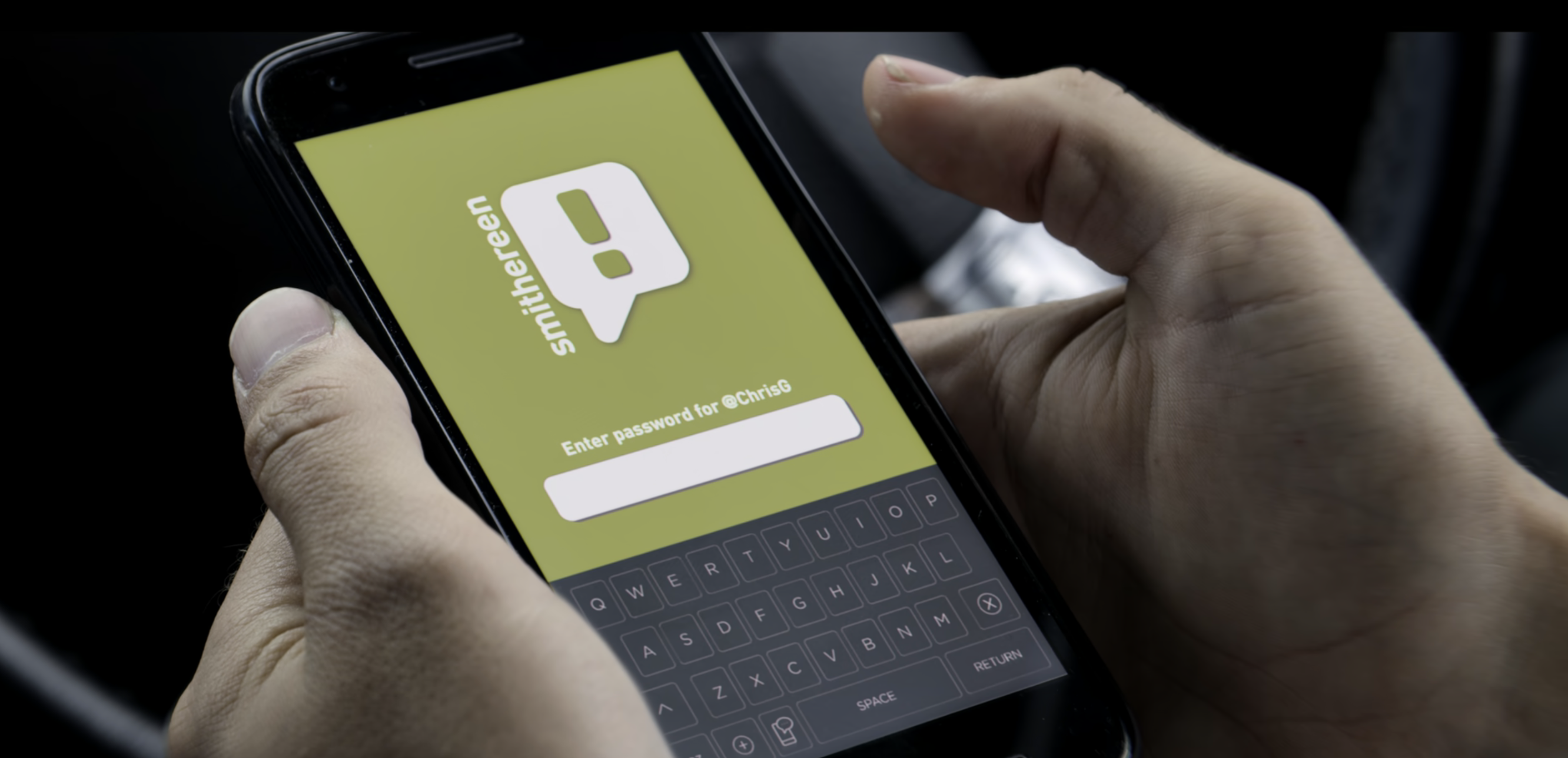
In Smithereens, we follow Chris, a man tormented by the loss of his fiancée, who died in a car crash caused by a single glance at his phone. The episode unfolds in a world flooded by noise: the pings of updates, the endless scroll, the constant itch to check in. And at the center of it all is Smithereen, a fictional social media giant clearly modeled after Twitter.
Like Twitter, Smithereen was built to connect. But as CEO Billy Bauer admits, “It was supposed to be different.” It speaks to how platforms born from good intentions become hijacked by business models that reward outrage, obsession, and engagement at all costs.
A 2024 study featured by TechPolicy Press followed 252 Twitter users in the U.S., gathering over 6,000 responses—and the findings were clear: the platform consistently made people feel worse, no matter their background or personality. By 2025, 65% of users aged 18 to 34 say they feel addicted to its real-time feeds and dopamine-fueled design.
Elon Musk’s $44 billion takeover of Twitter in 2022 was framed as a free speech mission. Musk gutted safety teams, reinstated banned accounts, and renamed the platform “X.” What was once a digital town square transformed into a volatile personal experiment.
This accelerated the emergence of alternatives. Bluesky, a decentralized platform created by former Twitter CEO Jack Dorsey, aims to avoid the mistakes of its predecessor. With over 35 million users as of mid-2025, it promises transparency and ethical design—but still faces the same existential challenge: can a social app grow without exploiting attention?
In 2025, whistleblower Sarah Wynn-Williams testified before the U.S. Senate that Meta—Facebook’s parent company— had systems capable of detecting when teens felt anxious or insecure, then targeted them with beauty and weight-loss ads at their most vulnerable moments. Meta knew the risks. They chose profit anyway.
Meanwhile, a brain imaging study in China’s Tianjin Normal University found that short video apps like TikTok activate the same brain regions linked to gambling. Infinite scroll. Viral loops. Micro-rewards. The science behind addiction is now product strategy.
To help users take control of their app use, Instagram, TikTok, and Facebook offer screen-time dashboards and limit-setting features. But despite these tools, most people aren’t logging off. The average user still spends more than 2 hours and 21 minutes a day on social media with Gen Z clocking in at nearly 4 hours. It appears that self-monitoring features alone aren’t enough to break the cycle of compulsive scrolling.
What about regulations?
A 2024 BBC Future article explores this question through the lens of New York’s SAFE Kids Act, set to take effect in 2025. This will require parental consent for algorithmic feeds, limit late-night notifications to minors, and tighten age verification. But experts warn: without a global, systemic shift, these measures are just patches on a sinking ship.
Of all the Black Mirror episodes, Smithereens may feel the most real—because it already is. These platforms don’t just consume our time—they consume our attention, our emotions, even our grief. Like Chris holding Jaden, the intern, at gunpoint, we’ve become hostages to the very systems that promised connection.
Billionaire God Mode
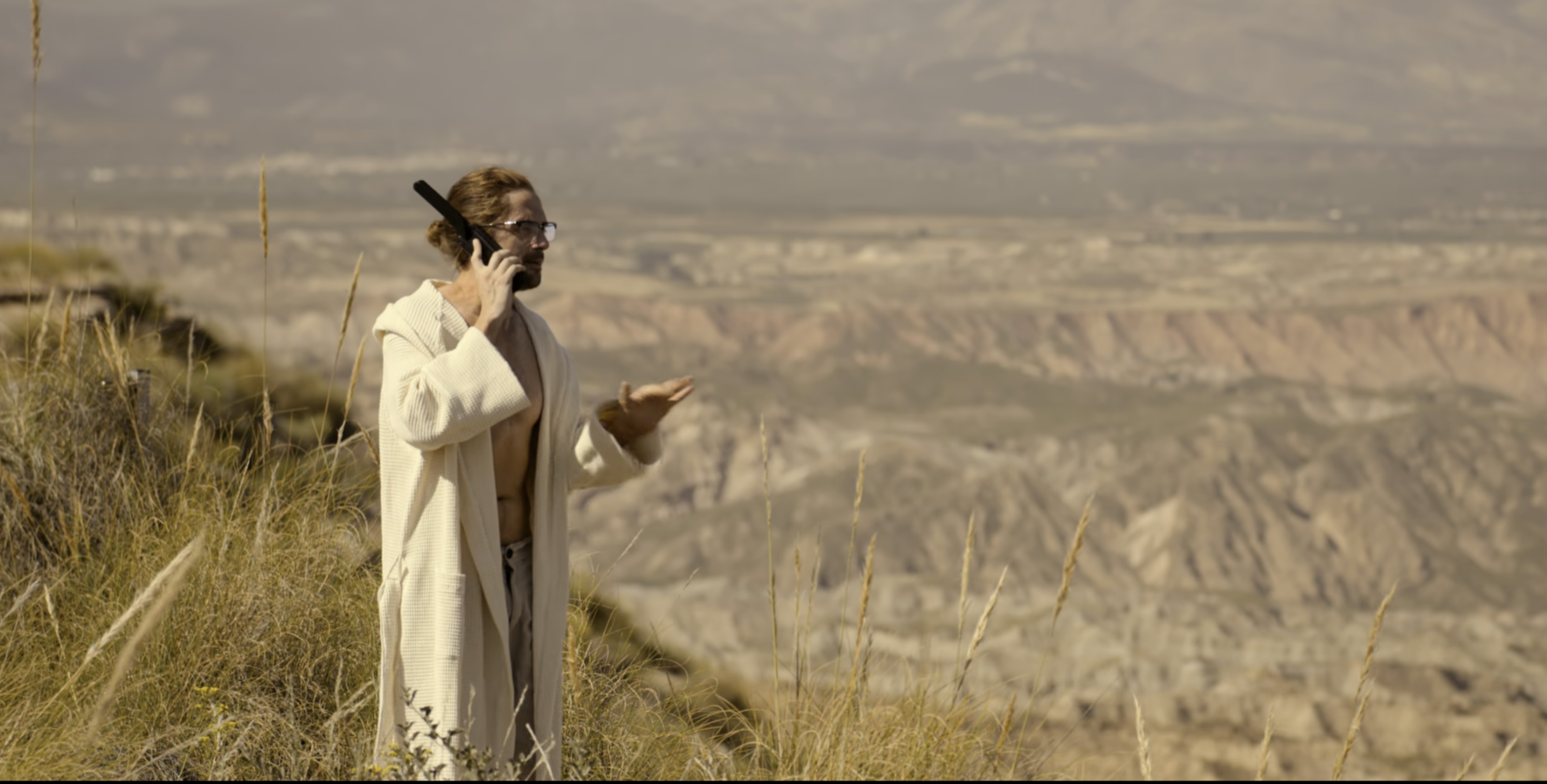
When the situation escalated in the episode, Billy Bauer activates God Mode, bypassing his own team to monitor the situation in real time and speak directly with Chris.
In doing so, he reveals the often hidden power tech CEOs wield behind the scenes, along with the heavy ethical burden that comes with it. It hints at the master key built into their creations and the control embedded deep within the design of modern technology.
No one seems to wield “God Mode” in the real world quite like Elon Musk—able to bend markets, sway public discourse, and even shape government policy with a single tweet or private meeting.
The reason is simple: Musk had built an empire.
In 2025, Tesla secured the largest U.S. State Department contract of the year: a $400 million deal for armored electric vehicles.
Additionally, through SpaceX’s satellite network Starlink, Musk played an outsized role in Ukraine’s war against Russia, enabling drone strikes, real-time battlefield intelligence, and communication under siege.
Starlink also provided emergency internet access to tens of thousands of users during blackouts in Iran and Israel, becoming an uncensored digital lifeline—one that only Musk could switch on or off.
But with that power comes scrutiny. Musk’s involvement in the Department of Government Efficiency—ironically dubbed “Doge”—was meant to streamline bureaucracy. Instead, it sowed dysfunction. Critics argue he treated government like another startup to be disrupted. Within months—after failing to deliver the promised $2 trillion in savings and amid mounting chaos—Donald Trump publicly distanced himself from Elon Musk and ultimately removed him from the post, temporarily ending the alliance between the world’s most powerful man and its richest.
It’s not just Musk. Other tech CEOs like Mark Zuckerberg have also shaped public discourse in quiet, powerful ways. In 2021, whistleblower Frances Haugen exposed Facebook’s secret “XCheck” system—a program that allowed approximately 6 million high-profile users to bypass the platform’s own rules. Celebrities and politicians—including Donald Trump—were able to post harmful content without facing the same moderation as regular users, a failure that ultimately contributed to the January 6 Capitol riots.
Amid the hostage standoff and the heavy hand of tech surveillance, one moment stands out: Chris begs Billy to help a grieving mother, Hayley. And Billy listens. He uses his “God Mode” to offer her closure by giving her access to her late daughter’s Persona account.
In Germany, a landmark case began in 2015 when the parents of a 15-year-old girl who died in a 2012 train accident sought access to her Facebook messages to determine whether her death was accidental or suicide. A lower court initially ruled in their favor, stating that digital data, like a diary, could be inherited. The case saw multiple appeals, but in 2018, Germany’s highest court issued a final ruling: the parents had the right to access their daughter’s Facebook account.
In response to growing legal battles and emotional appeals from grieving families, platforms like Meta, Apple, and Google have since introduced “Digital Legacy” policies. These allow users to designate someone to manage or access their data after death, acknowledging that our digital lives don’t simply disappear when we do.
In real life, “God Mode” tools exist at many tech companies. Facebook engineers have used internal dashboards to track misinformation in real time. Leaked documents from Twitter revealed an actual “God Mode” that allowed employees to tweet from any account. These systems are designed for testing or security—but they also represent concentrated power with little external oversight.
And so we scroll.
We scroll through curated feeds built by teams we’ll never meet and governed by CEOs who rarely answer to anyone. These platforms know what we watch, where we go, and how we feel. They don’t just reflect the world—we live in the one they’ve built.
And if someone holds the key to everything—who’s watching the one who holds the key?
Deadly Distractions
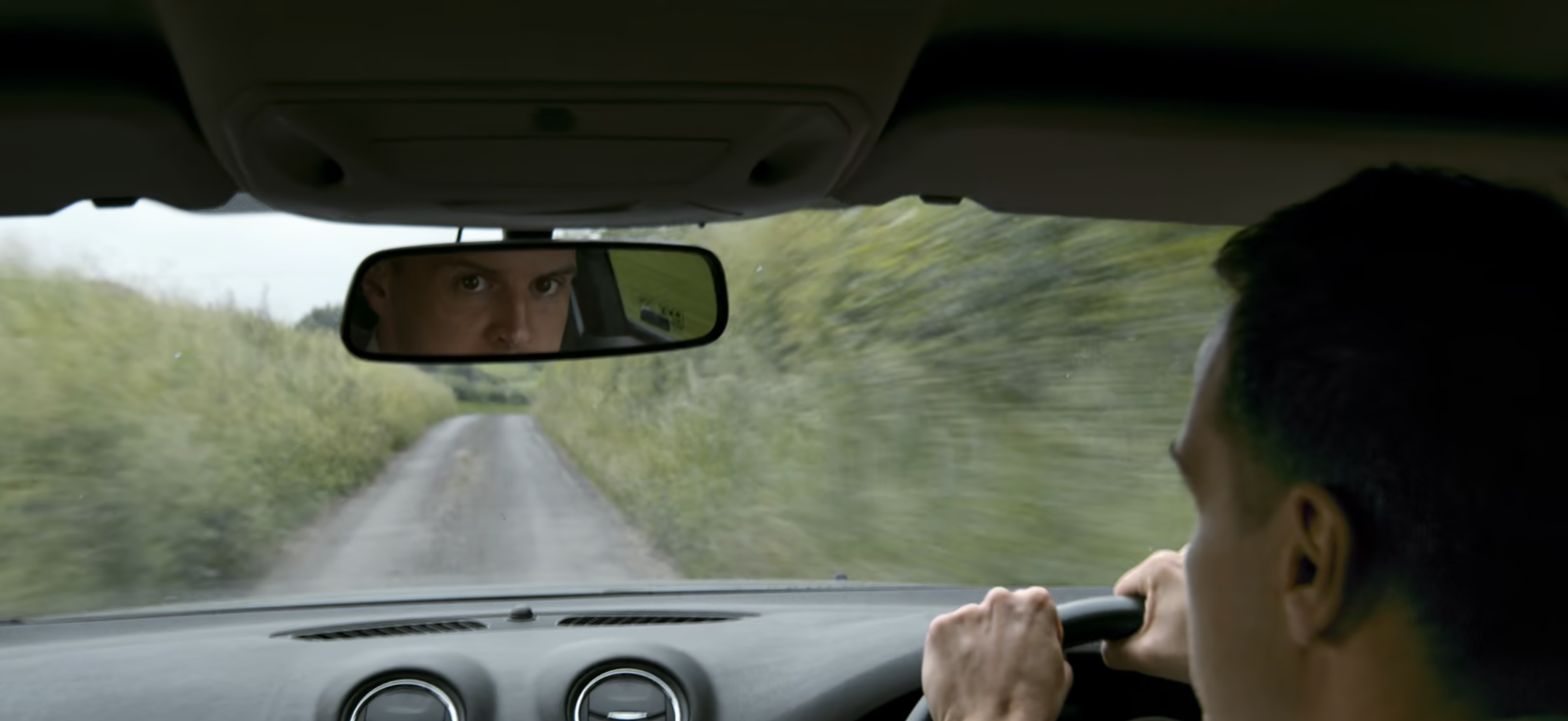
In Smithereens, Chris loses his fiancée to a single glance at his phone. A notification. An urge. A reminder that in a world wired for attention, even a moment of distraction can cost everything.
In 2024, distracted driving killed around 3,000 people in the U.S.—about eight lives lost every single day—and injured over 400,000 more.
Of these, cellphone use is a major factor: NHTSA data shows that cellphones were involved in about 12% of fatal distraction-affected crashes. This means that, in recent years, over 300 to 400 lives are lost annually in the U.S. specifically due to phone-related distracted driving accidents.
While drunk driving still causes more total deaths, texting while driving is now one of the most dangerous behaviors behind the wheel—raising the risk of a crash by 23 times.
In April 2014, Courtney Ann Sanford’s final Facebook post read: “The Happy song makes me so HAPPY!” Moments later, her car veered across the median and slammed into a truck. She died instantly. Investigators found she had been taking a selfie and updating her status while driving.
Around the world, laws are evolving to address the dangers of distracted driving. In the United States, most states have banned texting while driving—with 48 or 49 states, plus Washington D.C. and other territories, prohibiting text messaging for all drivers, and hands-free laws expanding to more jurisdictions.
In Europe, the UK issues £200 fines and six penalty points for distracted driving. Spain and Italy have fines starting around €200—and in Italy, proposed hikes could push that up to €1,697. The current highest fine is in Queensland, Australia, where drivers caught texting or scrolling can face fines up to $1,250.
To combat phone use behind the wheel, law enforcement in Australia and Europe now deploys AI-powered cameras that scan drivers in real time. Mounted on roadsides or mobile units, these high-res systems catch everything from texting to video calls. If AI flags a violation, a human officer reviews it before issuing a fine.
As for the role of tech companies? While features like Apple’s “Do Not Disturb While Driving” mode exist, they’re voluntary. No country has yet held a tech firm legally accountable for designing apps that lure users into dangerous distractions. Public pressure is building, but regulation lags behind reality.
In Smithereens, the crash wasn’t just a twist of fate—it was the inevitable outcome of a system designed to capture and hold our attention: algorithms crafted to hijack our minds, interfaces engineered for compulsion, and a culture that prizes being always-on, always-engaged, always reachable. And in the end, it’s not just Chris’s life that’s blown to smithereens—it’s our fragile illusion of control, shattered by the very tech we once believed we could master.
We tap, scroll, and swipe—chasing tiny bursts of dopamine, one notification at a time. Chris’s story may be fiction, but the danger it exposes is all too real. It’s in the car beside you. It’s in your own hands as you fall asleep. We can’t even go to the bathroom without it anymore. No hostage situation is needed to reveal the cost—we’re living it every day.
Join my YouTube community for insights on writing, the creative process, and the endurance needed to tackle big projects. Subscribe Now!
For more writing ideas and original stories, please sign up for my mailing list. You won’t receive emails from me often, but when you do, they’ll only include my proudest works.
Today, I’m off to get inspired! The T100 Vancouver race is happening at the Spanish Banks-Locarno Beach area, so I’m riding over this morning to check it out and hopefully catch some of the pros at the start.
I’ve been toying with the idea of doing a longer triathlon distance, and the T100 feels like a solid goal for a year or two from now. Honestly, if I had the time to train properly, I could probably attempt it this year—but the bike and run would be brutal.
Still, it’s good to have goals. Good to have something that fuels you. Seeing this event come to Vancouver gives me a jolt of energy—and hey, this city is awesome, so why not soak it in?
So, I decided to go watch and kick off my next training block with some inspiration.
After finishing my first triathlon of the season—a sprint race in the rain—I had a five-week gap before my 12-week Olympic triathlon plan begins. The big question was: what do I do with those five weeks?
The first week was for rest, obviously. But after that, I realized there wouldn’t be much room in my training plan to build run speed. I want to be faster on the run this time around, so I put together a four-week run-focused block to raise my pace. The idea was to build speed now, so when I start triathlon training, I already have a strong run base to work from.
I committed to it—two high-intensity sessions each week, plus a few easy runs. Week one: 22.46 km. Week two: 19.72 km. Week three: 18.49 km. Week four: I backed off for recovery. Those numbers might not seem huge, but it was nearly triple what I ran during my sprint tri prep.
The goal was simple: get my legs run-fit and raise my base fitness. And according to my watch, I went from 49 to 63 points. Solid progress.
I know I’ve got plenty of running ahead, but it feels like I’ve already chipped away at some of the hardest work. Now, when my 12-week triathlon plan kicks off, I can shift focus to the swim and bike—without stressing as much about run training.
Because let’s be honest: running is awful.
Last year, I struggled to find the freshness to push for speed. This year, I want to run longer and harder on tired legs. That means more brick workouts off the bike. I’m also planning to ride longer and harder—to really get the endurance in my legs so I can finish strong on the run.
I still remember how painful the run was during last year’s Olympic tri. I don’t want a repeat of that. That’s the goal this time: finish strong. So here I am—three solid weeks of hard running behind me, and a good foundation to build on.
Next up: a 1000m lake swim on Canada Day. I haven’t done much to build swim fitness yet, and I was nervous, but after a test swim, I clocked 24:21 for 1000m. Not fast, but it gave me confidence.
My goal is simple: finish, stay calm, and hold pace. Last time I raced a swim, I veered off course and swam 200m more than I needed to. This time, I just want to stay on track and finish around the 24-minute mark. But really—just finishing will feel like a win.
There’s a lot to look forward to, especially today: T100 day. Enjoy the ride from Science World down the seawall, and stick around ‘til the end to check out the sights and sounds of the race.
For more writing ideas and original stories, please sign up for my mailing list. You won’t receive emails from me often, but when you do, they’ll only include my proudest works.
Join my YouTube community for insights on writing, the creative process, and the endurance needed to tackle big projects. Subscribe Now!
I’ve learned a lot about cycling over the past three years. One big takeaway? It’s not something I’m naturally good at. Part of that is probably because I’m in my mid-thirties, and before getting into triathlon, I didn’t even own a bike. When I think back to my childhood, I can’t really remember how I learned to ride. My parents never taught me — honestly, I’m not even sure they know how to ride themselves. I think I figured it out staying over at a friend’s place in fifth grade. I remember leaning against a wall, just teaching myself how to balance.
Teaching myself has been my go-to approach with most hobbies. It just made sense — why pay for cycling lessons? That felt frivolous, like taking art class or something. Maybe someday I’ll get a coach and try to really improve, but for now, cycling and sports are about getting in shape, relieving stress, having an event to look forward to, and challenging myself little by little.
One big challenge coming up is climbing Cypress Mountain in Vancouver. I live near plenty of hills, so I’m familiar with climbs, but a 12km climb straight up? That’s new, and honestly, it’s a bit intimidating.
Sure, there’s probably a “right” way to train for something like this. But I’ve got to fit in running and swimming too — I still have two swim races, a triathlon, and a 10K PR attempt this year. If I had a coach, they’d probably guide me, but for now, I’m figuring it out on my own. And honestly? That’s kind of peaceful.
To get started, I decided to do an FTP test. I began using MyWhoosh a couple months ago, and it’s been a lifesaver. Before that, I tried Zwift and Rouvy, but for various reasons, I stopped using them. I’ve done FTP tests with different apps before:
In November 2023, I did an hour-long test and got 146 watts.
That was the last test I did, and since then, a lot has changed. My bike fitness has definitely dropped — I didn’t do many workouts over winter after unsubscribing from Rouvy. I’ve been cycling regularly but mostly just commuting and casual late-night zone 2 rides.
This third year of triathlon has taught me I don’t have a huge appetite to ride outside unless I really have to. There are just too many hazards out there, and self-preservation feels more important this year.
That’s why I got MyWhoosh and went back to indoor riding for this training block. But to get a true baseline, I needed to start fresh with a new FTP test — and that’s what I did today, with a Ramp Test on MyWhoosh.
Having done a few ramp tests before, they always feel deceptive. The start is easy, then suddenly it ramps up and crushes your legs. Right now, I think my peak wattage for about a minute is around 260. Anything more, and I fall apart — at least on a ramp test, where you’re already exhausted by the time you hit the top.
I didn’t feel great during this test. I’m not proud of my performance, but I gave it everything I had. One annoying thing compared to Rouvy was the mercy feature: when you can’t keep up, the test ends. MyWhoosh doesn’t seem to have that — or at least I didn’t find it. So I had to keep going, watching those red numbers and feeling bad for not hitting 300 watts.
In the end, I got a shock — my FTP dropped to 192 watts. That’s 38 watts lower than before, which feels like a lot. But it doesn’t seem unrealistic. FTP tests aren’t perfect, and honestly, this feels closer to what I could hold for an hour right now.
So here we are, at the start of a new chapter. There’s a lot to improve in my cycling — I want to climb that mountain feeling strong, not struggling. I’m not aiming to win, but I want to feel good, to know I can push myself further.
Training starts now. I’ve got a few areas to work on, and not much time, so being realistic matters. Reminding myself this is all new helps. Reminding myself it’s a journey of self-discovery helps too. And that I don’t have anything crazy to prove.
Cycling is just another story I’m telling myself — a story I’m still writing. And this is the beginning.
If you want to support pancreatic cancer care and research, please consider donating to my ride — I’d really appreciate it.
Join my YouTube community for insights on writing, the creative process, and the endurance needed to tackle big projects. Subscribe Now!
For more writing ideas and original stories, please sign up for my mailing list. You won’t receive emails from me often, but when you do, they’ll only include my proudest works.
I want to tell you a story. Not the one I’ve been writing, but the story of bringing it to life.
About five years ago, something sparked. A character showed up, then a scene, then a whole world. I remember thinking, This is it. This is the story I have to tell.
I had this image in my head of how it would go: sleepless nights, fast fingers, drafts piling up like magic. You know the stereotype, the fevered genius at the keyboard.
That didn’t happen.
Instead, writing this story turned into something slower. Quieter. Not a mad sprint, but more like wandering. I felt like a lost hiker, circling the same trees, passing the same landmarks, unsure if I was getting anywhere at all. But there was hope. Every plot breakthrough gave me energy—just long enough to run into the next wall.
In the beginning, everything buzzed. But the spark isn’t supposed to last.
At some point, the dialogue dries up. You lose the thread. You open your draft and just… sit there.
I told myself I was “thinking about the story,” when really, I was avoiding it. Because facing the page meant facing the fear that maybe this story wasn’t good. Or worse, that I wasn’t good.
That’s when I started to understand: inspiration might start the fire, but discipline keeps it going.
So I began showing up. On bad days. On tired days. For ten minutes at a time. I’d rewrite the same paragraph five times and still feel like I hadn’t moved. But that was progress, too.
Writers like George R. R. Martin have talked about the middle—the long slog—as the real heart of the work.
Eventually, I gave up on waiting for ideal conditions. I let go of perfect. Some days I wrote two pages. Other days, I added a single word only to cut it. That had to be enough.
What helped was remembering that no one reads the first version and that revision isn’t punishment—it’s a privilege.
Robert Jordan used to write sprawling, chaotic outlines just to figure out what he might say. Brandon Sanderson rewrote entire books. That gave me permission to take my time too.
Time wasn’t the enemy. It was the process.
There were moments I felt guilty for not writing. For thinking about quitting. For wondering if I should just start a new project with all that fresh, exciting energy again.
But there were also quiet wins: a chapter that finally clicked. A problem I solved after months of spinning. The story shifted. So did I. It stopped being about finishing fast and started being about building something I enjoyed.
Characters evolve not just in my drafts, but in my mind. Themes start to mean more. My voice changed. The world I wrote grows richer, not because I pushed, but because I lived with it.
That’s what chipping away builds. Not perfection. Not speed. But depth.
Every great epic—The Lord of the Rings, The Wheel of Time, A Song of Ice and Fire—wasn’t written overnight. They were sculpted. One patient, faithful, messy page at a time.
These days, I think of persistence as its own kind of art.
It’s not about grinding harder. It’s about staying close to the work. Trusting that something is happening, even when it feels slow. Especially when it feels slow.
So if you’re working on something long—something that keeps asking for your time and care—you’re not behind.
You’re not lost.
You’re an artist in motion.
Maybe you’ll finish the thing. Maybe you’ll shelf it. Maybe you’ll come back in a year with fresh eyes and finally crack it open. Whatever happens, the time wasn’t wasted.
If you’re in the middle of a project that’s taking longer than you expected. Keep chipping away.
And remember: art isn’t finished. It’s only ever abandoned. There is no end.
So maybe today’s the day you write one more sentence. Maybe that’s enough.
For more writing ideas and original stories, please sign up for my mailing list. You won’t receive emails from me often, but when you do, they’ll only include my proudest works.
Join my YouTube community for insights on writing, the creative process, and the endurance needed to tackle big projects. Subscribe Now!
Before we discuss the events in Striking Vipers, let’s flashback to when this episode was first released: June 5, 2019.
In 2019, the Movember Foundation ran a global campaign for men’s health with celebrities like Stephen Fry, Bear Grylls, Stephen Merchant, and Nicole Scherzinger using humorous videos and social media to encourage men to talk about their health.
Back in 2019, consumer VR was caught between promise and practicality. Premium headsets like the Oculus Rift demanded expensive, high-powered PCs, pushing total setup costs over $1,500. Meanwhile, budget-friendly options like Samsung Gear VR delivered underwhelming performance. With few blockbuster games to drive demand, mainstream adoption stalled. As a result, companies like IMAX closed their VR divisions.
Still, VR found new life in enterprise applications. Walmart used VR training modules to boost employee retention and immerse staff in real-world scenarios, while sectors like healthcare and manufacturing also adopted VR for training simulations
At the same time, 2019 marked significant milestones for LGBTQ+ visibility. Elliot Page (then Ellen) was a vocal advocate for gender-affirming care, Lil Nas X came out as gay during the peak of “Old Town Road”, and Pete Buttigieg launched his historic campaign as the first openly gay U.S. presidential candidate.
And that brings us to this episode of Black Mirror. Episode 1 of Season 5: Striking Vipers.
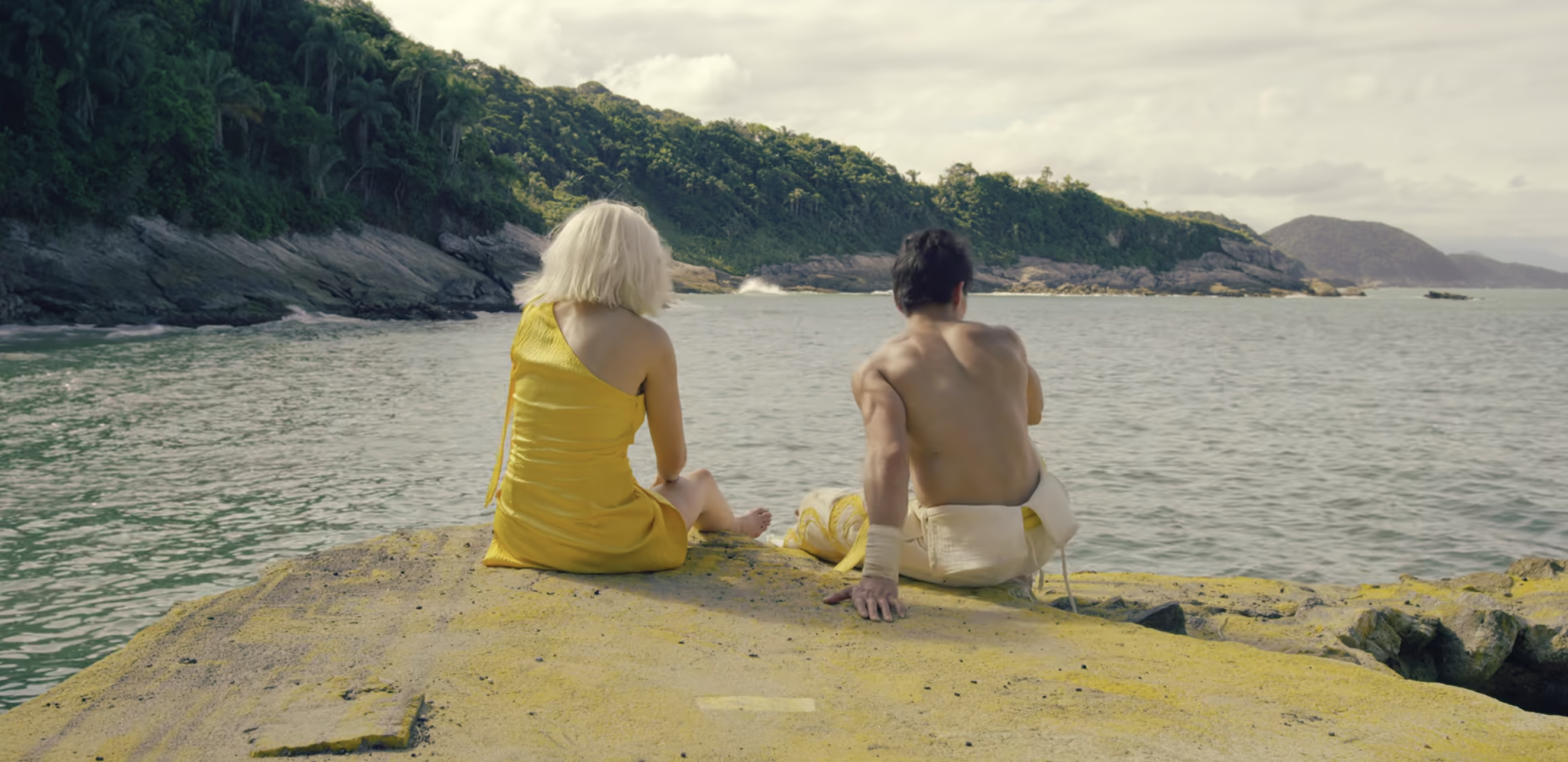
This episode welcomes us into a digital world where friendship, desire, and identity collide. Through the lens of a VR fighting game turned emotional crucible, the episode explores how immersive tech can both reveal and distort our deepest needs, leaving us with some unsettling questions:
What happens when technology offers a more fulfilling life than reality? Can a digital body expose truths we’re too afraid to face in the physical world? And as virtual experiences grow more vivid, are we prepared for the emotional and ethical consequences they bring?
In this video, we’ll unpack the episode’s key themes and examine whether these events have happened in the real world—and if not, whether or not it is plausible. Let’s go!
Blurred Realities
When Karl gives Danny a birthday gift—Striking Vipers X, a hyper-realistic VR fighting game—their casual nostalgia takes an unexpected turn. In this game, players don’t just control avatars; they fully inhabit them, experiencing every physical sensation their characters feel.
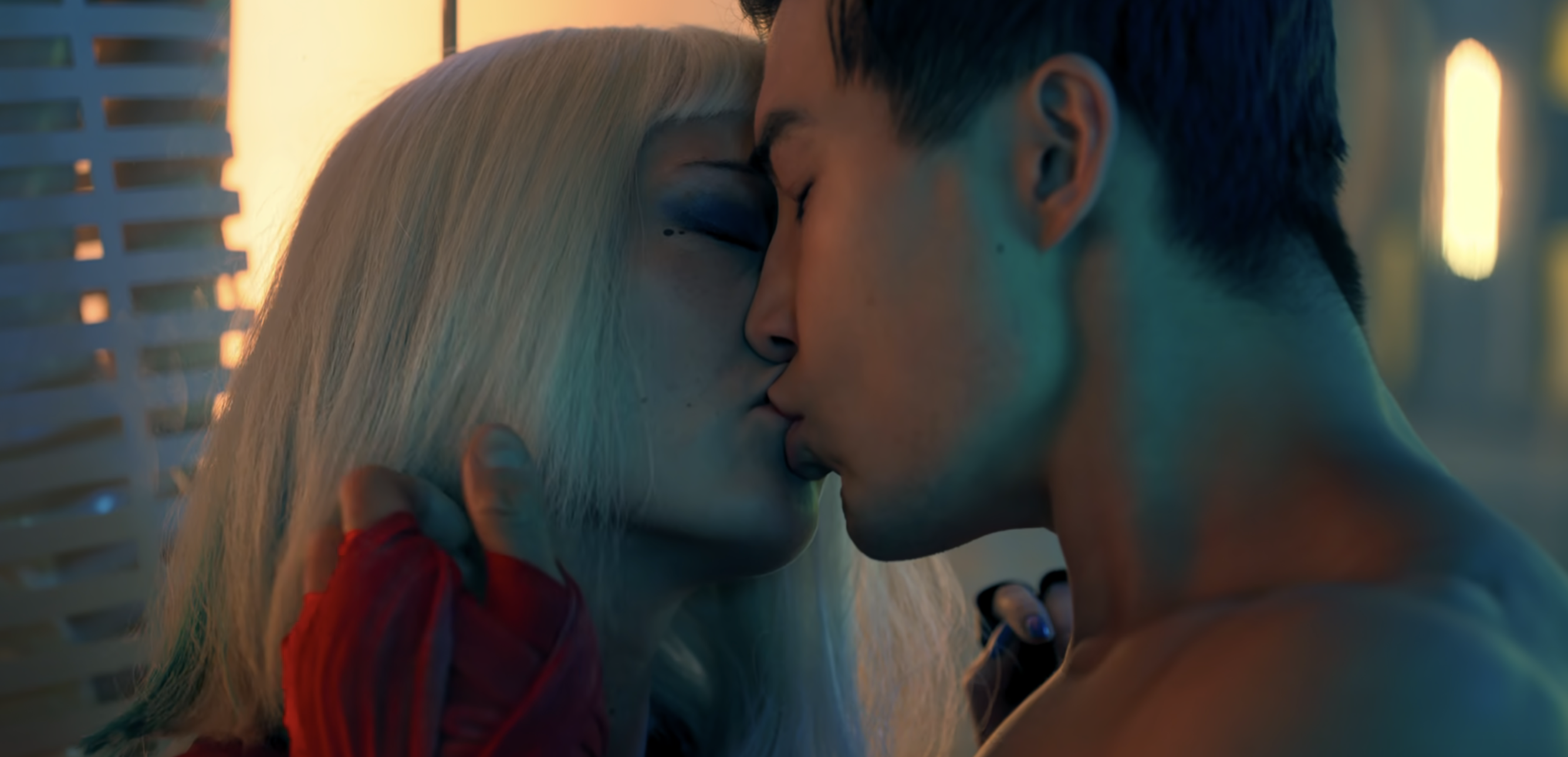
As their in-game battles escalate into a sexual relationship, the emotional intensity of their connection begins to strain Danny’s marriage and forces both men to confront their desires, identities, and the blurry lines between reality and fantasy.
While today’s VR systems don’t yet plug directly into our brains, the separation between real and virtual intimacy is growing increasingly thin. New technology like haptic suits and internet-connected sex toys like teledildonics lets people feel touch and physical sensations from far away. Companies like Kiiroo offer Bluetooth-enabled devices that sync with a partner’s movements or online media, making remote intimacy physically real.
However, the darker side of immersive technology is getting harder to overlook. Many VR platforms quietly collect personal data—like your heart rate, facial expressions, and even brain activity—often without users fully understanding or consenting.
According to the American Association for Marriage and Family Therapy, up to a third of internet users go online for sexual reasons—and nearly 1 in 5 can become addicted to it. As internet use becomes more common, more couples are running into serious issues like trust problems, emotional distance, and even breakups because of online infidelity.
A 2017 Deseret News survey revealed striking gender and generational divides in what people consider cheating. Women were significantly more likely than men to label both online and offline behaviors as “always cheating”—59% of women, compared to just 42% of men, said that sending flirty messages crosses the line, while 70% of women said simply having an online dating profile counts as infidelity.
In a survey of 91 women and 3 men affected by a partner’s cybersex addiction, 68% described sexual problems in their relationship directly related to the addiction. About 22% said the addiction was a major reason for separation or divorce.
Age also played a role in how people view cheating. Surprisingly, millennials were more likely than Gen Xers to say that watching porn alone is cheating. These changing opinions show how modern technology is making the line between loyalty and betrayal harder to define.
For Danny, the escape wasn’t just into a game. It was into a version of himself he couldn’t find in daylight. And maybe that’s the real question Striking Vipers leaves us with: when the fantasy fits better than the life we’ve built—what do we choose to come home to?
As the truth comes to light, Danny and Theo strike an agreement: once a year, he returns to the virtual world, and she explores real-life connections of her own. It’s not the first time they’ve played pretend—earlier in the episode, they flirted with role-play to revive their spark. But this time, the game is real. Their compromise isn’t a happy ending so much as a new set of rules.
In the United States, polygamy is extremely rare-less than 0.5% of households-but public acceptance is growing. Approval of polygamy as morally acceptable has risen from 7% in 2003 to 23% in 2024, especially among younger, unmarried, and less religious Americans. Interestingly, men are six times more likely than women to be open to polygynous relationships, according to recent UK research.
We already live at the edges of intimacy—crafting curated selves, clinging to parasocial ties, chasing comfort in the glow of a screen. VR, AI, and immersive worlds only pull us deeper, fusing intimacy and illusion into something hard to untangle.
Bodies in the Mirror
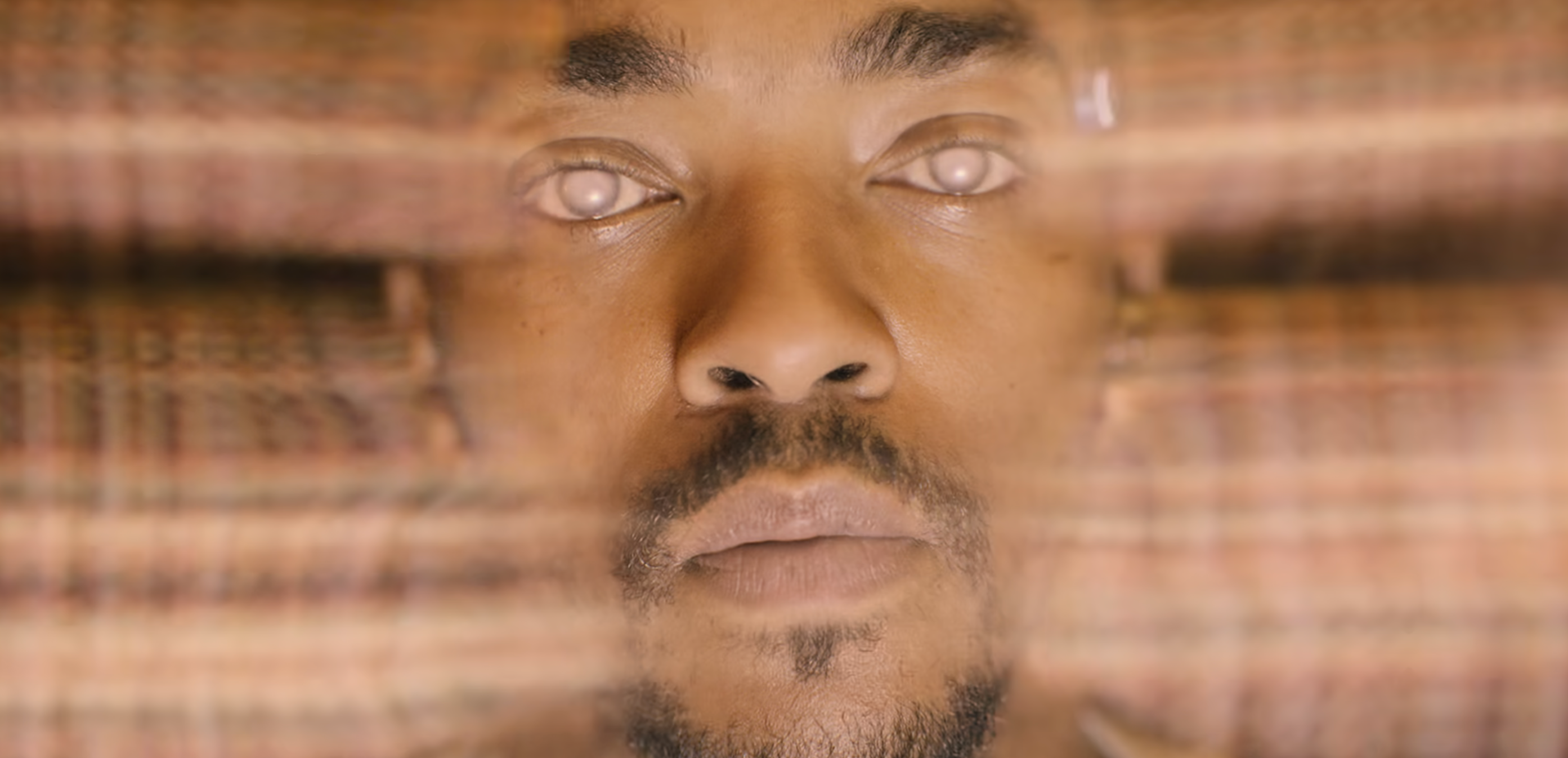
In the game, Karl chooses to play as a female fighter named Roxette, not just as a disguise—but as a truth he hasn’t yet admitted. What unfolds is less about sex and more about the fluidity of self in a world where identity can be downloaded and worn like clothing.
The episode reflects the real-world experience of exploring names, pronouns, and appearances in digital spaces before coming out in everyday life. It captures the emotional challenges that many LGBTQ+ individuals face during their coming-out journeys.
In 2023 alone, more than 30 new laws targeting LGBTQ-related education were enacted, reshaping the 2023–24 school year. These measures include bans on discussing sexual orientation and gender identity in classrooms, limits on pronoun use, and mandates for parental notification or opt-in before students can access LGBTQ-inclusive curricula.
Simply put, the physical world is not a welcome one for exploration, which is why so many turn to digital spaces to discover who they are.
A 2025 study on ZEPETO—a social app where people interact through avatars—found that female users who took on male avatars felt more connected to their virtual characters and more confident in their real-life gender identity.
Inclusive design has been shown to boost mental health and promote a sense of empowerment. A 2024 study of 79 trans and gender-diverse adults found that customizable avatars in games were associated with increased enjoyment, empowerment, and authentic self-representation, while restricted customization reduced engagement and could trigger distress or dysphoria.
Trans and gender-diverse youth face far higher rates of rejection, discrimination, and violence than their cisgender peers. As a result, around 61% experience suicidal thoughts, and nearly one in three have attempted suicide—more than four times the rate of cisgender youth.
In this context, the digital world becomes a lifeline. Research shows that having just one online space where LGBTQ+ youth feel safe and understood is linked to a 20% lower risk of suicide attempts and a 15% drop in recent anxiety.
Virtual bodies aren’t just avatars—they’re mirrors of inner truth. And for those navigating the margins of society’s acceptance, they can become windows into a more authentic future.
But here’s a deeper question: when does a safe space become a place to hide?
The Digital High
It starts with two old friends staying up all night playing the game they loved in their twenties—laughing, trash-talking, reliving the past. But what begins as nostalgia slowly shifts. The game becomes a secret habit, a nightly escape that feels more thrilling and alive than the routine of Danny’s real life.
Soon, he’s forgetting his anniversary and growing distant from his wife. Striking Vipers isn’t just about sex or fantasy; it’s about how addiction can sneak in under the cover of comfort, and how escaping reality too often can leave the real world behind.
Between 2% and 20% of frequent VR users display compulsive behaviors, with addiction risk linked to the immersive feeling of embodiment inside an avatar.
Our attention spans have dropped to just 45 seconds on average—and video games are a major driver. Many of the most addictive titles keep us hooked with competitive and social features (like Fortnite or League of Legends), immersive escapism (Skyrim, Stardew Valley), and personalized role-play (World of Warcraft, The Sims). These experiences trigger dopamine hits, making everyday life feel dull, chaotic, or unrewarding in contrast.
Video game addiction affects an estimated 3–4% of gamers worldwide, with higher rates among adolescents and young adults, especially males. Addicted gamers can spend up to 100 hours a week immersed in play, sacrificing relationships, hobbies, and responsibilities along the way.In Striking Vipers, the title itself becomes a metaphor: just like a viper’s deadly strike, addiction can sneak up unexpectedly, striking again and again as players hunt for that elusive thrill.
Join my YouTube community for insights on writing, the creative process, and the endurance needed to tackle big projects. Subscribe Now!
For more writing ideas and original stories, please sign up for my mailing list. You won’t receive emails from me often, but when you do, they’ll only include my proudest works.
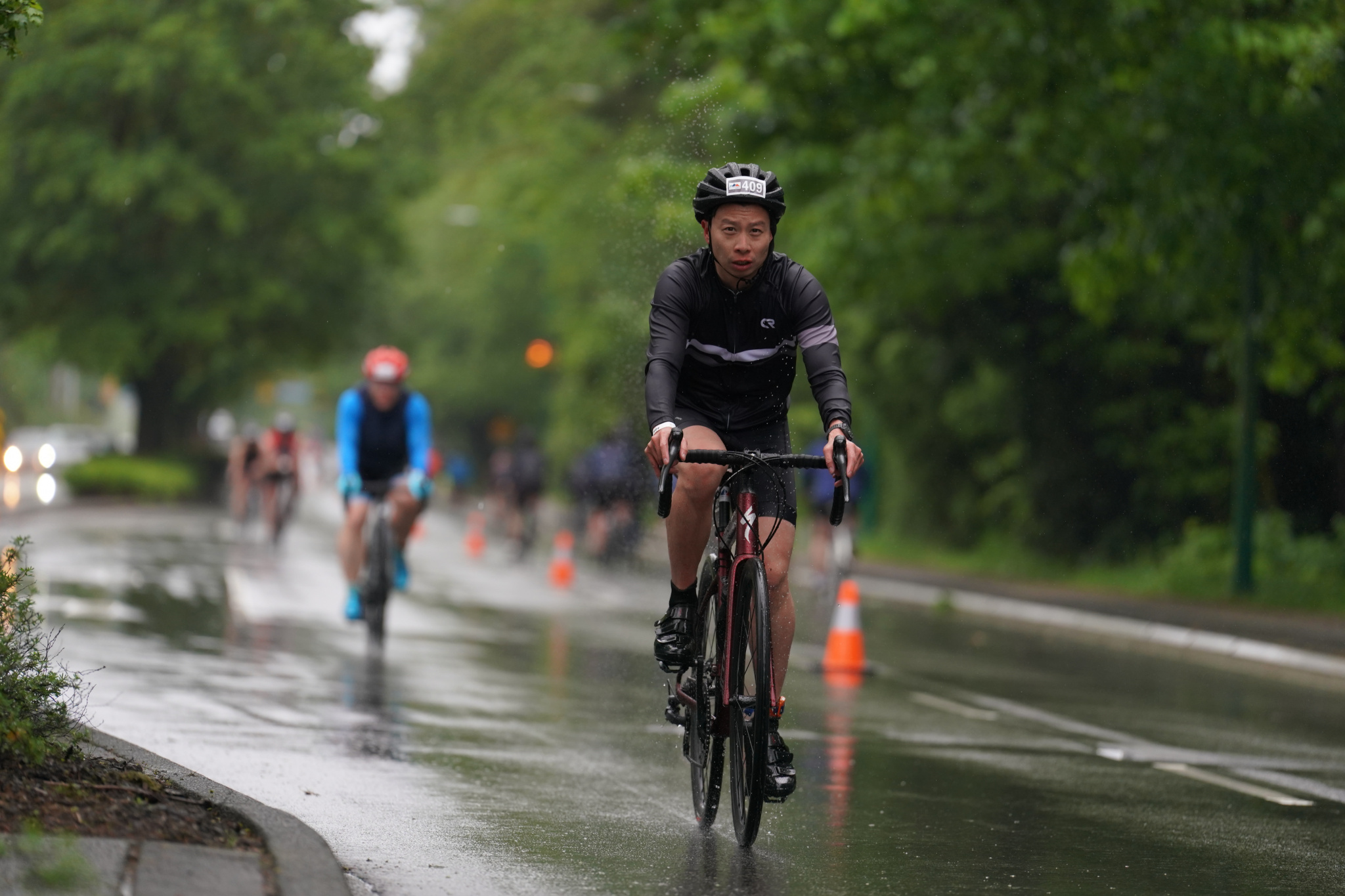
The day finally arrived: my first triathlon of 2025. In fitting conclusion to a chaotic training block, race day kicked off with a perfectly miserable, rainy morning.
There were plenty of challenges leading up to this moment—months of work, unexpected obstacles, and less-than-ideal conditions. But we don’t sign up for this because it’s easy.
In addition to swim, bike, and run logistics, there was one more wildcard: our dog, Petey. We’ve been training him to handle crowds and noise, and he’s made a lot of progress. Still, we knew race day would test him. That morning, we left him with my wife at the car while I made my way to the start line. I had about an hour to set up before go time.
This was my fifth triathlon, so by now, the usual gear-check panic had faded. No more obsessing over whether I packed everything or anxiety about setting up in transition. Still, right before the start, I always feel it—that churn in the stomach. Pushing yourself to the edge while trying to pace it right? That’s always nerve-wracking.
Speaking of my stomach, I wasn’t feeling 100% physically. Digestively. But maybe it’s all in my mind. I chalked it up to the general discomfort of standing around in the rain. Yes, it was a very messy morning. The trek to the pool was a mudfest.
The swim was supposed to be 444m like last year, but a week out, we got an email that it’d be shortened to 300m. Not ideal for an apples-to-apples comparison, but with the rain, nothing was going to be a perfect match. Still, it was a chance to improve.
Last year, I finished 126th out of 276. This year, my goal was to break into the top 100. Not always the healthiest mindset—comparing yourself to others—but this race uses a staggered start, so standings are kind of a mystery anyway. I decided to treat it like a solo time trial.
To position myself in the most ideal spot, I tested a 300m swim in training and estimated I’d come in around 6:40. Last year, I guessed I could swim 444m in 10 minutes—it ended up taking me about 11, and I had to let a few people pass at the wall. This time, based on my test, I landed pretty close: 6:31 on my watch, and 7 minutes officially after running across the pool to hit the timing checkpoint.
As for the bike—there was no predicting that. I’d done a good chunk of zone two work leading up to the race, but not much hard outdoor riding lately. Still, my legs felt solid. The course was four laps on a rolling route with a 50m climb over 2km. Not brutal, but enough to require steady effort.
I went out a bit aggressively on lap one, eased off by lap two, and by lap three the rain was relentless. I started shivering on a descent and suddenly, my vision blurred. I literally had to shake my head to snap out of it.
I hadn’t trained much in rainy conditions, so from that point on, it was all about survival—just making it to the run.
Needless to say, I was relieved to finally get off the bike at 47 min and 18 seconds, which included both transition times. On my watch, I had 42 min and 42 seconds. A solid time, but I was completely out of it. I started the run with a group pacing around 4:30–4:45/km, which might’ve been fine on a good day—but not after that ride, and not in the state I was in. Once the hills kicked in, I knew I had to ease up.
The run course was no joke—lots of short, punchy climbs, with 128m of elevation packed into just under 5K. I didn’t have huge expectations. Sure, it would’ve been nice to match my 24-minute 5K from last month, but there was no pressure. I just wanted to give it everything I had.
And I think I did.
And just like that, it was over. Another race in the books. And to my surprise, I hit that arbitrary goal I set at the start. I cracked the top 100. Barely. 99th place.
The conditions were rough. The training block was fragmented and inconsistent. But I got through it, and now it’s a race I’ll remember fondly.
As for Petey? He didn’t quite share in my success. While I braved the rain, he opted for safety and comfort. My wife tried a few times to coax him out to spectate, but he preferred to wait it out in the warm car. After a bit of howling, he curled up in the backseat and took a nap.
Still, we all did our best. And I’m proud of the three of us for figuring it out—together.
There will be more attempts. There will be more challenges. Plenty more adventures ahead.
For more writing ideas and original stories, please sign up for my mailing list. You won’t receive emails from me often, but when you do, they’ll only include my proudest works.
Join my YouTube community for insights on writing, the creative process, and the endurance needed to tackle big projects. Subscribe Now!

 Elliot Chan