When we talk about endurance sports, we often hear about battling through pain. So much of the sport is about pushing our limits, and it’s in that process where we truly improve. When it gets hard, that’s when we’re challenged. That’s when we discover who we are. That’s when we endure.
That’s when we prove to ourselves: we are not quitters.
Of course, this mindset isn’t just for sport. We can bring that kind of endurance to every part of life. Don’t give up on what you started. Follow through on what you said you’d do. As a creative, I know that struggle well. How many projects have I started only to abandon them halfway through?
In life and in triathlon, endurance is everything. When things get hard, scary, or painful, we have to push through. We have to keep going.
During this training block, I faced plenty of challenges—not just tough workouts, but all the resistance that comes with the sport. There are always reasons to stop.
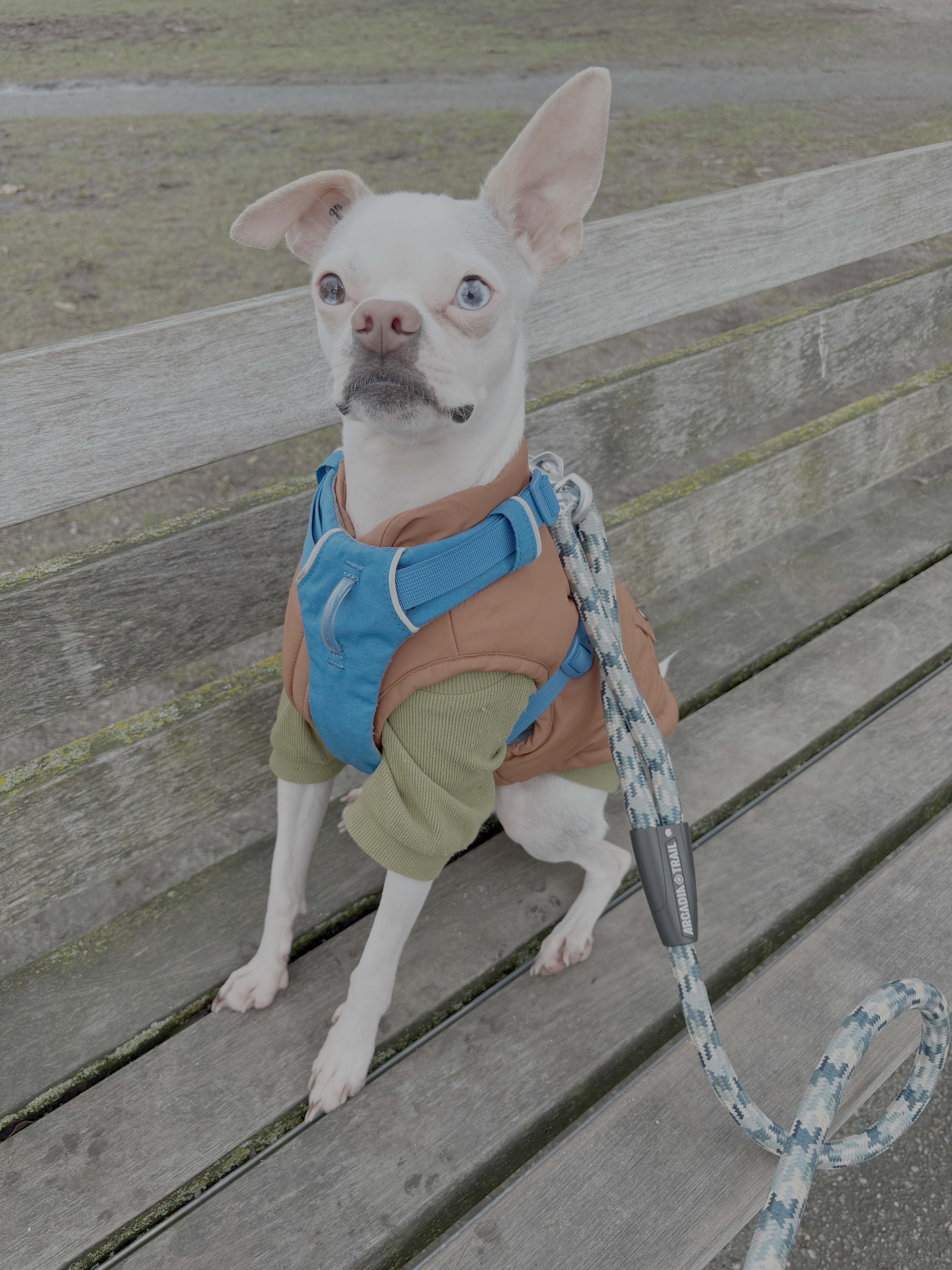
Lately, I’ve been finding it hard to get on the bike for long rides. Not just because of the weather, but because of my schedule. This season doesn’t really allow me to be away for hours. And sure, I don’t need that long of a session for a sprint triathlon, but I still feel like I should be putting in the time. My new dog, my new job—life has been full, and it’s been keeping me off the bike.
But I’m still enduring. And enduring sometimes means problem-solving. Last year, I relied on Zwift for convenient indoor training. When it stopped connecting to my bike, I tried Rouvy. But I wasn’t riding enough to justify the cost, so I cancelled. I thought I just had to tough it out with nothing but numbers on my watch, but that’s unnecessary suffering. I signed up for MyWhoosh last week, and suddenly, my excitement for biking returned.
Things go wrong. Equipment breaks. Problems arise. We have to endure that, too. This is the good kind of endurance—the kind that builds patience, confidence, resilience. Not just physical strength, but mental strength too.
Recently, my GPS watch started glitching. After just a year, the battery drains quickly, and the elevation tracking stopped working. I’m working with support to fix it, but it’s frustrating. When my gear isn’t working, my motivation drops. I love collecting data—tracking workouts, measuring progress. When the metrics are off, everything feels off. It’s like playing hockey with dull skates. But I kept going anyway. And good news: I discovered Strava has a “Correct Elevation” feature, so even if my watch is wrong, I can fix it.
This is what endurance really looks like—dealing with the little things. Because when you don’t deal with them, they pile up. It’s like cleaning your house—if you clean as you go, it’s easy. If you don’t, it becomes a mess. Maybe even a hoarder-level mess.
Good endurance is good habit. It’s confidence. It’s delayed gratification.
But not all endurance is good.
Bad endurance is ego. It’s pushing through when you shouldn’t. It’s training through injury. It’s ignoring your mind and body. It’s refusing to fuel or rest properly. It’s bottling up your feelings. It’s not asking for help when you need it.
Bad endurance is thinking you’re strong for holding your hand to the flame. Sure, it might impress someone in the short term—but long term, it only burns you. Physically, mentally.
Bad endurance is staying in toxic relationships or jobs. It’s putting up with bullying and gaslighting. That kind of endurance doesn’t make you stronger—it chips away at you. It erodes your confidence. It delays your healing.
After everything I’ve been through these last few years, I’m learning what’s worth enduring and what isn’t. What makes me stronger, and what just does damage. What’s worth waiting for, and what isn’t.
Triathlon is an endurance sport—but that doesn’t mean you should endure everything. There’s good endurance, and there’s bad endurance.
I remind myself of this whenever I feel like quitting. I take a moment to reflect on what’s really stopping me. Am I avoiding a problem I could solve? Am I just making an excuse? Or am I actually being fair and reasonable with myself?
That said, training is going well. After a few speed bumps with my health, I’m feeling good. So I’m trying something new: riding across the Lion’s Gate Bridge into West Van, down to Ambleside Beach. It was my first time doing that route, and let me tell you—the descent off the bridge is way steeper than I expected. But I stayed calm. I didn’t stop. I managed the panic.
And that, to me, is good endurance.
For more writing ideas and original stories, please sign up for my mailing list. You won’t receive emails from me often, but when you do, they’ll only include my proudest works.
Join my YouTube community for insights on writing, the creative process, and the endurance needed to tackle big projects. Subscribe Now!

 Elliot Chan