USS Callister: Black Mirror, Can It Happen?

Before we talk about the events in USS Callister, let’s flashback to when this episode was first released: December 29, 2017

In March 2017, Nintendo shook up the gaming industry with the release of the Nintendo Switch, a hybrid console that could be used both as a handheld and a home system. Its flexibility and the massive popularity of games like The Legend of Zelda: Breath of the Wild catapulted it to success with over 2.74 million units sold in the first month. 

The same year, Nintendo also released the Super NES Classic, a mini version of their 90s console that left fans scrambling due to shortages.

In the realm of augmented and virtual reality, 2017 also marked important strides. Niantic introduced stricter anti-cheating measures in Pokémon GO, while Oculus revealed the Oculus Go—a more affordable, standalone VR headset designed to bring immersive experiences to more people. Games like Lone Echo pushed the limits of VR, showcasing futuristic gameplay with its zero-gravity world.

However, in the real world, there were significant conversations about the risks of excessive gaming, particularly in China, where new regulations were put in place to limit minors’ time and spending on online games. These shifts in culture raised awareness around the addictive potential of immersive digital environments.

No it was not all fun and games — in fact, there was a lot of work as well. The year was also defined by controversies in the workplace. In October 2017, the Harvey Weinstein scandal broke, igniting the #MeToo movement and leading to widespread discussions about abuse of power, harassment, and accountability. 

Uber was rocked by similar revelations earlier in the year, with a blog post by former engineer Susan Fowler shedding light on a toxic work environment, which ultimately led to the resignation of CEO Travis Kalanick. 

Google wasn’t exempt from these cultural reckonings either, with the firing of software engineer James Damore after his controversial memo questioning the company’s diversity efforts went viral. 

In his memo titled “Google’s Ideological Echo Chamber,” Damore argues that the underrepresentation of women in tech isn’t simply due to discrimination but is also influenced by biological differences between male and female. He further claims that Google should do more to foster an environment where conservative viewpoints, like his, can be freely expressed.

And that brings us to this episode of Black Mirror. Episode 1, Season 4 — USS Callister. This episode combines the excitement of virtual reality with a chilling exploration of power, control, and escapism. 

Much like the controversies of 2017, it asks hard questions: How do we balance the benefits of technology with the ethical implications of its use? What happens when someone with unchecked power has control to live out their darkest fantasies? And finally, how do we confront the consequences of our gradual immersion in digital worlds? 

In this video, we’ll explore three key themes from USS Callister and examine whether similar events have happened—and if they haven’t, whether or not they are still plausible. Let’s go! 
Toxic Workplace

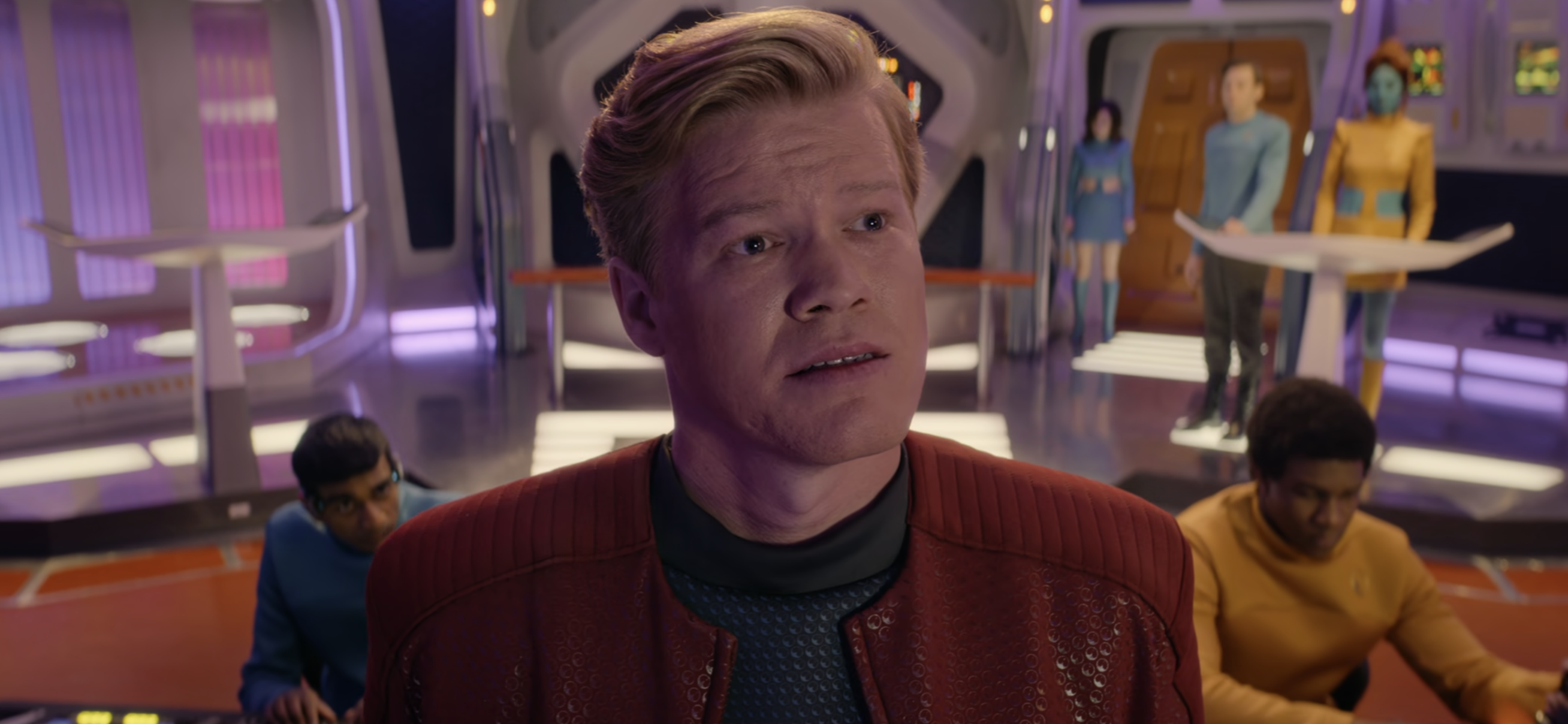
In this episode, we follow Robert Daly, a co-founder and CTO of a successful tech company, Callister. Despite his critical role in the company, Daly is overshadowed by his partner, James Walton, the CEO. Daly’s lack of leadership skills is evident, creating a strained work environment where he is seen as ineffective.

However, in the modified version of the immersive starship game Infinity — a game developed by Callister — Daly lives out his darkest fantasy by assuming the role of a tyrannical captain in a replica of his favorite show, Space Fleet. Here, he wields absolute control over the digital avatars of his employees, who are trapped in the game and forced to obey his every command. This exaggerated portrayal of Daly’s need for power not only reflects his real-world impediments but also highlights his troubling intentions, such as his coercive demands and manipulative actions toward his employees.

USS Callister explores themes of resistance and empowerment as the avatars begin to recognize their situation and challenge Daly’s authority. Their collective struggle to escape the virtual prison serves as a powerful metaphor that underscores the broader issue of navigating workplaces with domineering and unsympathetic employers.

When Elon Musk took over Twitter (now rebranded as X) in October 2022, his management style quickly drew criticism for its harshness and lack of consideration for employees. Musk implemented mass layoffs, cutting about half of the company’s workforce abruptly. By April 2023, Musk confirmed he had fired roughly 80%.

He also implemented a demanding work culture, requiring employees to submit one-page summaries outlining their contributions to the company in order to retain their jobs. This expectation, coupled with long hours and weekend shifts under intense pressure, reflected a disregard for work-life balance and contributed to a high-stress environment.

The rapid and drastic changes under Musk’s tenure not only led to legal and operational challenges but as of January 2024, Fidelity reports that X has seen a 71% decline in value since Elon Musk acquired the company.

In 2020, former staff members accused Ellen DeGeneres and her management team of creating a workplace culture marked by bullying, harassment, and unfair treatment—contradicting her public persona of kindness. Following the backlash and tarnished reputation, Ellen ended her 19 season run and aired her final episode on May 26, 2022 with guests, Jennifer Aniston, Billie Eillish, and Pink.

In November 2017, Matt Lauer, a longtime host of NBC’s “Today” show, was fired after accusations of sexual harassment surfaced. Following his termination, more allegations emerged from female colleagues, revealing a pattern of misconduct. Perhaps the most damning detail was Lauer’s use of a secret button to lock his office door — from the outside—to keep other employees from walking in. 

As harassment in the physical world continues to receive widespread attention, it has also found new avenues in digital spaces. 

According to an ANROWS (Australia’s National Research Organisation for Women’s Safety) report from 2017, workplace harassment increasingly moved online, with one in seven people using tech platforms to harass their colleagues. Harassment via work emails, social media, and messaging platforms became a rising issue, showing the darker side of digital communication in professional environments.

In the same year, concerns about workplace surveillance and management practices emerged, particularly at tech companies. 

Amazon was a prime example of invasive productivity tracking, where employees’ movements and actions were constantly monitored. If their performance drops below their expected productivity rate, they risk being fired.

These challenges extended to remote work, where platforms like Slack encouraged a culture of constant availability, even after hours. 

The rise of automated tools, like HireVue’s AI-powered hiring platform and IBM’s AI-driven performance reviews, raised concerns about bias, unfair evaluations, and the lack of human empathy in the hiring and management processes.

These developments highlight broader trends in workplace dynamics, where toxic environments and power imbalances are increasingly magnified by the misuse of technology. This theme is echoed in USS Callister, where personal grievances and unchecked authority in a digital world allow one man to dominate and manipulate his employees within a disturbing virtual playground. The episode serves as a cautionary tale, illustrating how the abuse of power in both real and digital realms can lead to harmful consequences.

Stolen Identity

In USS Callister, Robert Daly’s method of replicating his colleagues’ identities in Infinity involves a disturbing form of theft. Daly uses biometric and genetic material to create digital clones of his coworkers. Specifically, he collects DNA samples from personal items, such as a lollipop discarded by a young boy and a coffee cup used by his colleague, Nannette Cole.

Daly’s access to advanced technology enables him to analyze these DNA samples and extract the personal information necessary to recreate his victims’ digital identities. These avatars, based on the DNA he collected, are trapped within the game, where Daly subjects them to his authoritarian whims.

The use of DNA in this context underscores a profound invasion of privacy and autonomy, turning personal genetic material into tools for exploitation.

Digitizing DNA involves converting genetic sequences into digital formats for storage, analysis, and interpretation. This process begins with sequencing the DNA to determine the order of nucleotides, then converting the sequence into binary code or other digital representations. The data is stored in databases and analyzed using advanced software tools. 

These technologies enable personalized medicine, genetic research, and ancestry analysis, advancing our understanding of genetics and its applications. Key players in this field include companies like Illumina and Thermo Fisher Scientific, as well as consumer services like 23andMe and Ancestry.com

As more of our genetic data is stored in databases, our personal information becomes increasingly vulnerable. Hackers, scammers, and malicious actors are constantly seeking new ways to exploit data for profit. 

One example is the 2020 Twitter hack, which saw the accounts of major public figures like Elon Musk and Joe Biden hijacked to promote a cryptocurrency scam. The breach not only caused financial losses for unsuspecting followers but also raised alarms about the security of our most-used platforms. 

In 2022, a phishing attack targeted Microsoft Office 365, employing a tactic known as consent phishing to exploit vulnerabilities in multi-factor authentication. In some cases, the attackers impersonated the US Department of Labor and tricked users into granting access to malicious applications and exposing sensitive data such as emails and files. 

In 2024, a BBC investigation revealed an almost 60% increase in romance scams, where individuals used fake identities to form online relationships before soliciting money under false pretenses. 

Similarly, there has also been a rise in sextortion scams targeting college students, where scammers manipulated their victims into compromising situations and demanded ransoms, threatening to release the sensitive material if they didn’t comply.

Jordan DeMay, a 17-year-old high school student from Michigan, died by suicide in March 2022 after being targeted in a sextortion scam that can be traced to two Nigerian brothers, Samuel and Samson Ogoshi, who were later arrested and extradited to the U.S. on charges of conspiracy and exploitation. 

These instances of identity exploitation mirror another concerning trend: the misuse of genetic data. In 2019, GEDmatch—the database that helped catch the Golden State Killer—experienced a breach that exposed genetic data from approximately one million users who had opted out of law enforcement access. The breach allowed law enforcement to temporarily access private profiles without consent, raising significant privacy concerns about the security of sensitive personal data.

Some insurance companies — specifically those in Canada—  have been criticized for misusing genetic data to raise premiums or deny coverage, especially in areas like life or disability insurance. This highlights the importance of understanding your policy and legal rights, as insurance companies are not always complying to new regulations such as the Genetic Nondiscrimination Act (GNDA).

All this illustrates the terrifying possibilities shown in USS Callister, that our most intimate data — our identity — could be used against us in ways we never imagined. Whether through hacked social media accounts, phishing scams, or stolen genetic data, the digital age has given rise to new forms of manipulation.
Stuck in a Game

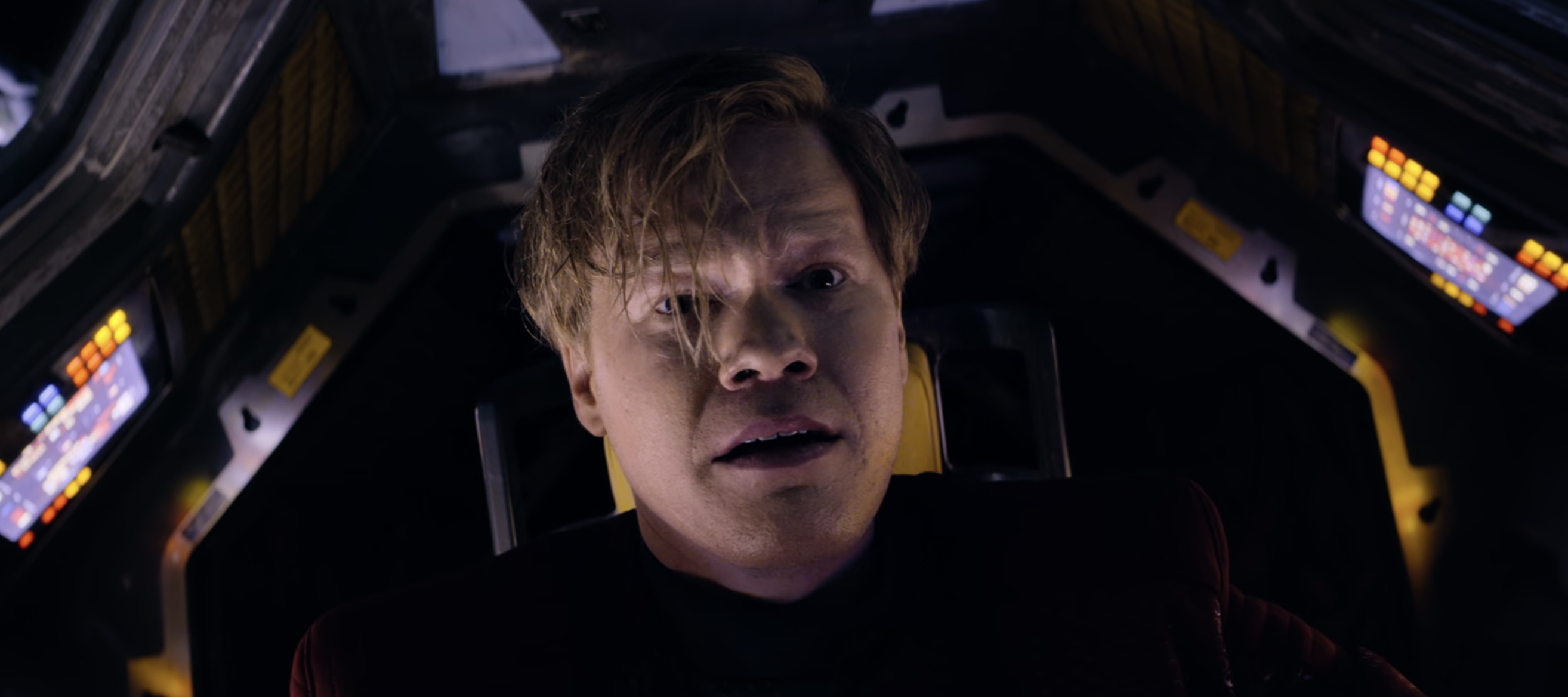
In USS Callister, the very avatars Daly dominates ended up outwitting him in a thrilling turn of events. Led by Nanette Cole, the trapped digital crew formulates a bold plan to break free. While Daly is preoccupied, the crew triggers an escape through a hidden wormhole in the game’s code that forces an upgrade. They outmaneuver Daly by transferring themselves to a public version of the game and locking him out for good. As the avatars seize their freedom, Daly, once the ruler of his universe, is left trapped in isolation — doomed.

For anyone who has ever been drawn into the world of video games, “trapped” feels like a fitting description.

Some games, such as Minecraft or massively multiplayer online games (MMOs), have an open-ended structure that allows for infinite play. Without a defined ending, players can easily become absorbed in the game for hours at a time.

Games also tap into social connectivity. Multiplayer games like Fortnite and World of Warcraft foster relationships, forming tight-knit communities where players bond over shared experiences. Much like social media, this sense of connection can make it more difficult to disengage, as players feel a part of something bigger than themselves.

In both USS Callister and real-world video games, a sense of progression and achievement is built into the experience. Daly manipulates his world to ensure a constant sense of control and success that fails to replicate real life, where milestones and mastery can take weeks, months, and years. 

Video games are highly effective at captivating players through well-designed reward systems, which often rely on the brain’s natural release of dopamine. This neurotransmitter, associated with pleasure and motivation, plays a key role in the cycle of gratification. This behavioral reinforcement is seen in other addictive activities, such as gambling.

Game developers employ a multitude of psychological techniques to keep players hooked — trapped. 

The World Health Organization’s (WHO) recognition of “gaming disorder” in 2022 underscores the growing concern surrounding video game addiction. Lawsuits against major gaming companies like Call of Duty, Fortnite, and Roblox have shown serious efforts to hold companies accountable for employing addictive algorithms similar to those found in casinos.

Real-world tragedies have also shed light on the dangers of excessive gaming. In Thailand, for instance, 17-year old Piyawat Harikun died following an all-night gaming marathon in 2019, sparking debates over the need for better safeguards to protect young gamers. Cases like this hammer home the need for stronger regulations around how long players, especially minors, are allowed to engage in these immersive experiences.

The financial aspects of gaming, such as esports, has created incentives for players to commit to their addiction as a vocation. Players who make money through competitive gaming or virtual economies may find themselves stuck in cycles of excessive play to maintain or increase their earnings. 

This phenomenon is evident in high-profile cases like Kyle “Bugha” Giersdorf, who won $3 million in the Fortnite World Cup, or Anshe Chung, aka the Rockefeller of Second Life, a virtual real estate mogul. 

Then there is the rise of blockchain-based games like Axie Infinity, a colorful game powered by Ethereum-based cryptocurrencies, which introduces financial speculation into the gaming world. These play-to-earn models push players to engage excessively in the hopes of earning monetary rewards. However, they also expose players to significant financial risks, as in-game currency values fluctuate unpredictably, often leading to a sunk-cost fallacy where players feel compelled to continue investing despite diminishing returns.

This episode reminds us that we can often find ourselves imprisoned by our work. Yet, the cost of escapism can be high. While technology may seem to open doors to new worlds, what appears to be an endless realm of freedom can, in reality, be a staircase leading to an inevitable free-fall. USS Callister highlights the abyss that technology can create and the drain it has on our most valuable resource — time. This episode serves as a warning: before we log in at the behest of those in power, we should remember that what happens in the virtual world will ultimately ripple out into the real one.

Join my YouTube community for insights on writing, the creative process, and the endurance needed to tackle big projects. Subscribe Now!

For more writing ideas and original stories, please sign up for my mailing list. You won’t receive emails from me often, but when you do, they’ll only include my proudest works.
My First Olympic Distance Triathlon: What Went Right What Went Wrong

Twenty months ago, I didn’t swim, bike, or run. I was just a sedentary writer and marketer, feeling frail and pretty down—basically, an all-around sad boy.

Since then, I’ve gradually built up my skills in each discipline and improved my fitness along the way. And honestly, it’s done wonders for my mental well-being. They say if exercise were an antidepressant, it’d be the most effective one out there—and I totally believe it. I might even be a bit addicted now, but I think I’ve got it under control!

Looking back at how far I’ve come is a bit surreal. If you’re interested, check out this video of my first sprint triathlon from last year after you finish watching this one. The improvement is huge!

Now, I’m gearing up for my first Olympic-distance triathlon: a 1,500-meter swim, a 40-kilometer bike ride, and a 10-kilometer run. What once felt impossible now seems totally doable. 

While a lot of things went right, I definitely learned some lessons tackling this longer distance. Today, I’ll share what worked for me and where I stumbled in each of the three disciplines. Let’s go!

Swim : What Went Right

Started at the Right Pace 

Last year, during my first sprint triathlon, I charged into the swim as fast as I could, thinking I could power through the 750 meters and keep up with the pack. Spoiler alert: that didn’t go as planned. I got completely knocked around after just 200 meters!

This year, though, I played it safe. Knowing the distance was double, I wanted to make sure I had enough energy to get through it.

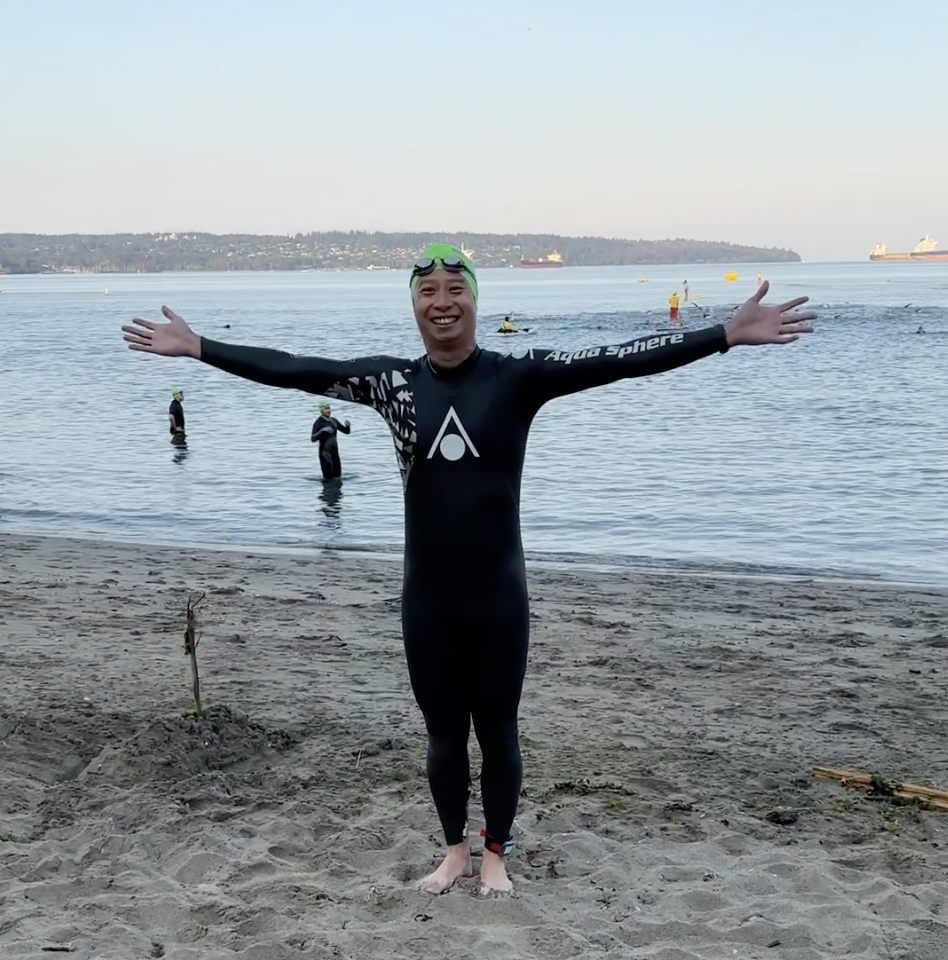
So, I let the front runners take off ahead of me and eased my way in at the back. I even took a moment to wave goodbye to my wife before diving in.

What I loved about this was that I found myself swimming the first 50 meters next to a guy doing breaststroke! That was a game changer for me because I definitely felt a few jolts of panic throughout the course. But all I had to do was slow down my stroke rate and focus on my breathing. In about 10 to 20 seconds, I was able to chill out, enjoy the splash of the salt water, and just steadily make my way through it.

Swim: What Went Wrong 

The Sun Got In My Eyes 

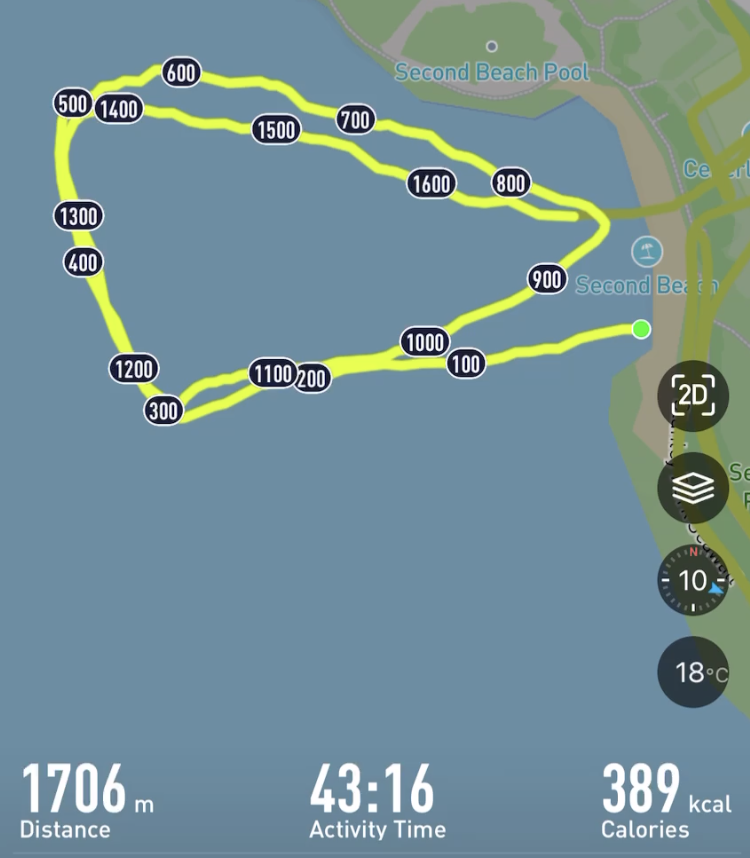
Here’s the bad news about the swim, which definitely made me glad I was taking it slow. During the first lap, as I was swimming back to the beach, I was headed east just as the sun was rising above the park. That meant I was basically swimming into the sun for the whole 300 meters back in. You can probably guess how that turned out.

I completely lost sight of the buoy, the beach, and everyone ahead of me. I was pretty much swimming blind! My tinted goggles didn’t help much either. In the end, I ended up taking a super wide line, just guessing where to go, hoping I’d get close enough to hear the commotion on the beach or spot some splashing feet in front of me.

I finished my swim about 4-5 minutes slower than I expected, and when I looked at my data after the race, it all made sense—I swam an extra 200 meters! While it was nice to go at my own pace, that also left me swimming solo, which created a whole new problem in terms of navigation.

This is definitely something I need to work on for future open water swims, especially on sunny mornings!

Bike: What Went Right

Staying Focus 

A 40 km bike ride is something I usually chill out and do over 2-3 hours around the city with music blasting in my ear. I’m not really used to doing four laps around a course, but man, the Stanley Park route is absolutely stunning. I had to take a moment a few times just to soak it all in, but a part of me just wanted to power through as quickly as possible.

There were definitely a lot of thoughts running through my head during the ride. How fast should I go? What gear should I be in? Should I try to keep pace with the person in front of me? Should I pass them? Should I save my energy for the climb, or push harder? How reckless should I be on the descent?

I was having this constant dialogue with myself for the hour and twenty minutes I was on the bike, always checking in on how I was feeling. That constant check helped me stay focused. The worst thing that could happen was getting bored and either gunning it or blowing up. Or just crashing. I realized how important it was to keep a gauge on my energy levels and pull back if I was pushing too hard because my goal for the bike was to stay steady and feel good for the run. That’s where I could make up for any lost time!

Bike: What Went Wrong

A Bad T2… Again! 

While I didn’t have a stellar bike ride by any means, I made it through in one piece with no mechanical issues. It was just a steady, consistent effort, and overall, I’m proud of that. But what I wasn’t proud of was everything that happened once I got off the bike and hit T2.

Transition 2 was a total mess. I got super disoriented, caught in some congested traffic on the way in, and I ended up fiddling with my watch for way too long while trying to keep moving. Oh man, it was definitely amateur hour!

To make matters worse, once I got into transition, I completely lost track of where I was supposed to rack my bike. I stood in another aisle for like 10-15 seconds just searching for my towel. It turned out to be in another row down, and it was pretty embarrassing. Thank goodness my wife was still walking over, so there’s no footage of me looking like John Travolta in Pulp Fiction.

The thing is, I got so used to seeing the racks from the opposite side—the side I exited to the bike course—that I never familiarized myself with the other side, the side I came in from after the bike. That was honestly just a huge oversight, and it really rattled me. Instead of feeling good about heading into my run, I was all discombobulated and had to take a moment to refocus.

T2 has always been tough for me. I don’t know what it is…

Run: What Went Wrong

Nutrition and Cramping

My goal was to run a 5-minute kilometer for the 10K. I started out strong, but within the first 100 meters, I realized I wouldn’t be able to keep it up. Almost immediately, I felt like my quads were about to cramp up. Usually, when I run off the bike, the first kilometer is the painful part, but it passes.

This time, though, it didn’t pass. I was on the verge of cramping the whole time, which meant that if I even tried to speed up, I’d really feel it, so I rode that fine line for the entire run. Instead of feeling like I’m conquering the run, I had to stick to a much slower pace—about 30 seconds slower than I wanted. It was super frustrating and honestly the most disappointing part of the whole race. My strategy was to feel good during the run, and I definitely didn’t.

My marathoner wife, who’s been through every running experience you can think of, suggested that my crampy legs were likely due to not having enough nutrition and not enough calories to fuel my run. I had one Gu at the start of the swim, another at the start of the bike, a full bottle of Gatorade on the ride, and two more Gu’s during the run, but that didn’t seem like enough. It’s definitely something I need to experiment with in the future. 

Run: What Went Right

Enough to Finish Strong

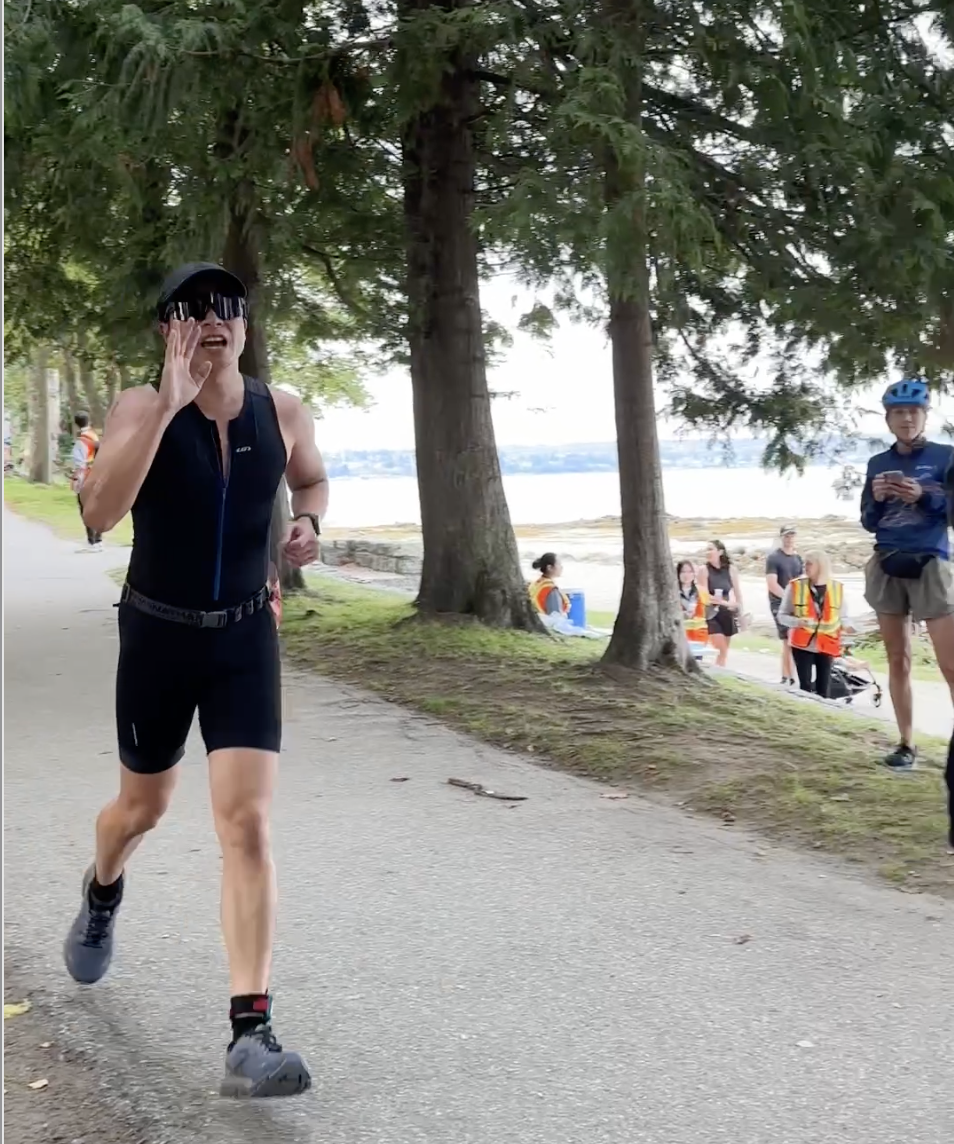
Nevertheless, what went right was that I finished strong. I remember having enough energy to pass two more runners on my way to the finish line, which was exactly what I needed. There was an uphill stretch right before the end that felt like the most torturous part of the whole course. I really picked up the pace there because I didn’t want to hold back. In the last kilometer, I hit the pace I had been aiming for, and it absolutely finished me off. I left it all out there and crossed the line with a time of:

Official Time: 3:08:18
Overall: 162/243
Gender: 126/237
Division: 24/46

Taking everything into account, I think that’s a pretty respectable time for me. It reflects where I am in terms of fitness, skill, and experience. I can’t do another triathlon without feeling accomplished for having completed this one, especially since I didn’t think I could do it 20 months ago.

While I finished this race strong, it’s definitely not the end. Reflecting on this experience, I’ve come up with a ton of ideas for tweaks I can make to improve, and it goes beyond just training and getting fitter.

Conclusion:

This Olympic-distance triathlon was harder than all three sprint triathlons I did combined. But having the base fitness in each discipline gave me the confidence to know that anything is possible now. I have proof that I can do this—and maybe even more.

This wraps up a fun season of sports, and I’m already looking ahead to my next race. I’ve got a couple in mind for 2025. Right now, my goal is to use triathlons as a way to get outside, stay in shape, and explore new towns and cities—starting in my province and then going further. Which race will I sign up for next? We’ll have to wait a bit, but I’m sure I’ll figure it out soon! Hit subscribe so you can follow along. 

This is the final part of my Project: Be Consistent — if you are interested in seeing the first two parts, which chronicles my 8 week training plan and carb-loading week in Italy, you can click on the link in the description or the playlist here. 

For more writing ideas and original stories, please sign up for my mailing list. You won’t receive emails from me often, but when you do, they’ll only include my proudest works.

Join my YouTube community for insights on writing, the creative process, and the endurance needed to tackle big projects. Subscribe Now!

Carb Loading in Rome, Italy | Taper Week Before My First Olympic-Distance Triathlon

I’m Elliot, a writer and marketer. Two years ago, I found myself recovering from the doldrums of the pandemic, living a very sedentary life. I knew I needed a change, so I started doing triathlons.

This year, thanks to a fortunate scheduling quirk, we planned a trip to Italy for the week immediately after finishing my 8-week training plan in anticipation for my first olympic distance race. This timing perfectly aligns with my preparation, more specifically my tapering and carb loading week.

If you’re unfamiliar with these concepts, here’s a quick rundown:

Tapering is all about giving your body time to rest and recover from the fatigue of intense training. While it’s important to maintain optimal fitness, continuing training right up until the race can leave you too exhausted to perform at your best. Typically, endurance athletes will taper for a few days to a few weeks, depending on the distance and difficulty of their race.

Carb loading focuses on ensuring that your body is well-nourished to handle the effort required on race day. Without delving into the science, carbs or carbohydrates are stored as an energy source known as glycogen in your muscles, and the more carbs you consume before the race, the more glycogen your muscles can store. Simply put, these extra carbs help sustain your energy throughout the race.

And you know what Italy is known for right? 

Pasta! Pizza! Pastries! Carbs! 

So, the plan was set! I made a list of all the carbs I wanted to eat and off we went. In this video, I’m going to share my experience carb loading in Italy and answer an important question: Is traveling during taper week a good idea? 

Now! Let’s head to Italy. 

One day after my final workout, we woke up at the crack of 3 am and skipped off to the airport.

After a 15 hour travel day, we arrived the next morning in Rome. 

Our plan is to spend 2 days in Rome and 3 days in a villa in Assisi, and then one more night in Rome before travelling back to Vancouver just in time for 2 days to rest and prep before the big race. While the main purpose of this trip is to attend our friends’ wedding, the second purpose of this trip is to taper and carb load. So my goal was to eat as much as I could.

The general math is that while carb loading, you should consume 8-10g of carbs per kg of body weight per day. That means, I should aim to consume around 330-460 grams of carbs per day for the first 3 days of the trip and then increase to 530-660 grams of carbs per day for the next 3. That sounds like a lot! 

Now, I’m going to do my best to add up all the carb heavy meals I had, and omit any dishes that I don’t think have that much carbs, just to keep things simple. On top of that, it’s important to note that I’m just grabbing a general estimate. None of this should be taken as science. I repeat! I am not a scientist. Or a chef. And some of the food, I’m not even sure what the names are. So yeah! That’s the kind of video this is. You’ve been warned. 

With that aside, let’s get to it. 


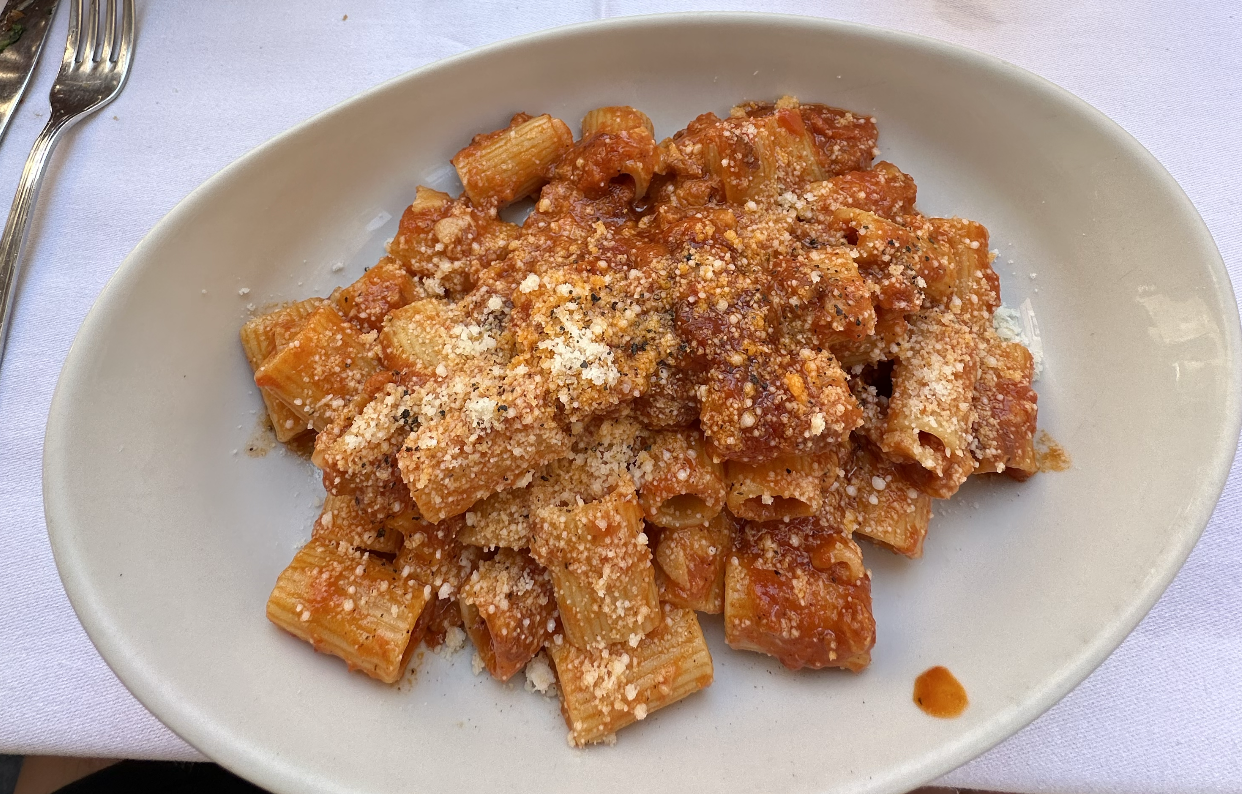
Pasta Amatriciana

Day 1: 

My Italian adventure kicked off with a delightful lunch of Pasta Amatriciana, packing in 85 grams of carbs. The whole reason we went to this specific restaurant in the Jewish Ghetto neighbourhood was to try one of the famous Jewish artichokes, adding 4 grams. Of course, I washed it all down with a refreshing beer, contributing 26 grams. It was good to know that beer has more carbs than wine! 

Dessert was our first of many gelato, offering 42 grams of carbs.

All’Antico Vinaio

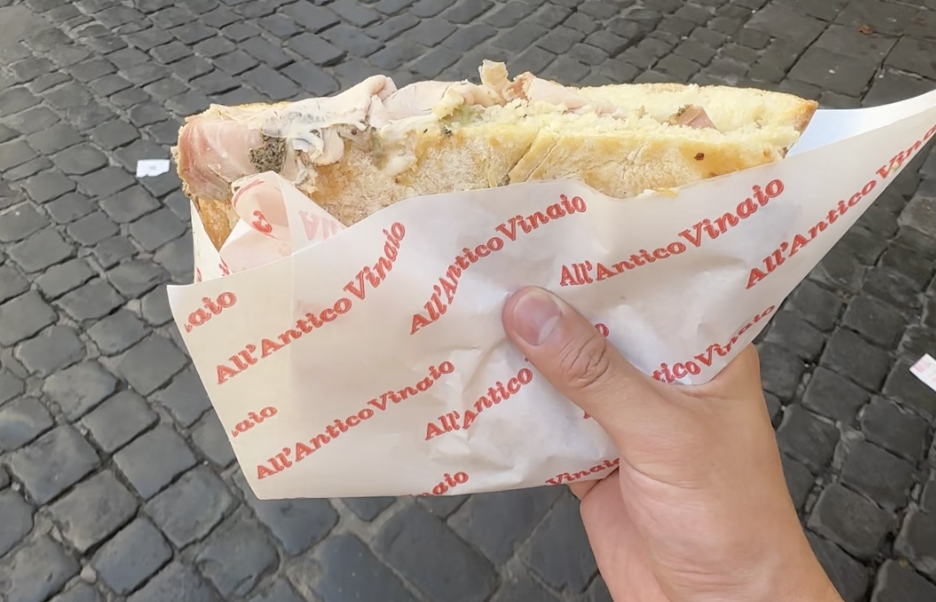
On the way back to the hotel, I grabbed one of these world-famous Italian sandwiches from a popular place called All’Antico Vinaio, which added another 46 grams of carbs. We went back to our hotel for a quick nap to recover from the travel and the food before trudging out again to enjoy the evening.

For dinner, I had a Carbonara (85 grams of carbs), shared half a tiramisu with my wife (17 grams), another beer (26 grams), and a second round of gelato (42 grams).

Day 1 Total: I was nice and full and had managed to hit my target carb intake for the day. 347g Can I do it again tomorrow? 

Maritozzi

Day 2: 

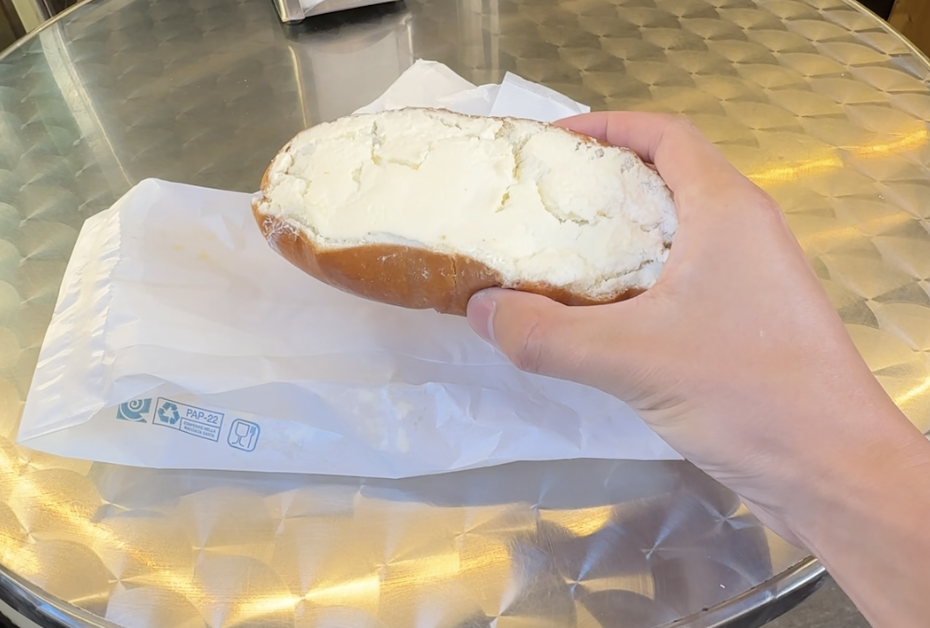
The next morning started with a traditional Roman breakfast: a Maritozzi pastry (23 grams of carbs), a cappuccino (4 grams), and some biscuits (12 grams).

For lunch, I opted for Spaghetti alle Vongole, spaghetti with clams (85 grams), accompanied by an obligatory beer (26 grams) and finished it off with gelato in a cone (51 grams). 

Trapizzino

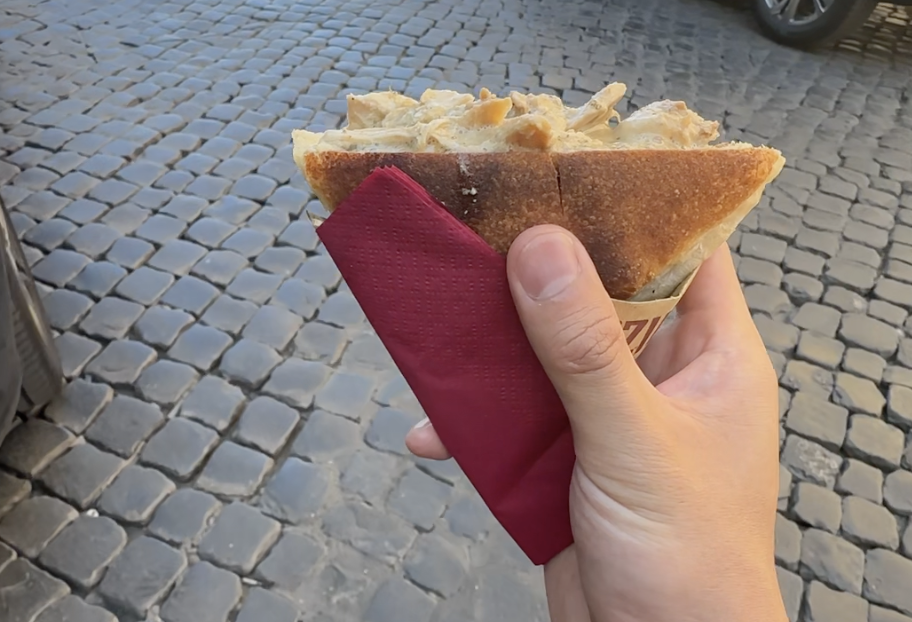
Later, we meandered over to the Trastevere neighbourhood, and I got one of the famous Trapizzino (46 grams), a delightful pizza pocket.

Then we went for a long, hot walk to the Vatican and through some wonderful Renaissance piazzas before arriving back in our hotel for another nap. 

Cacio e Pepe

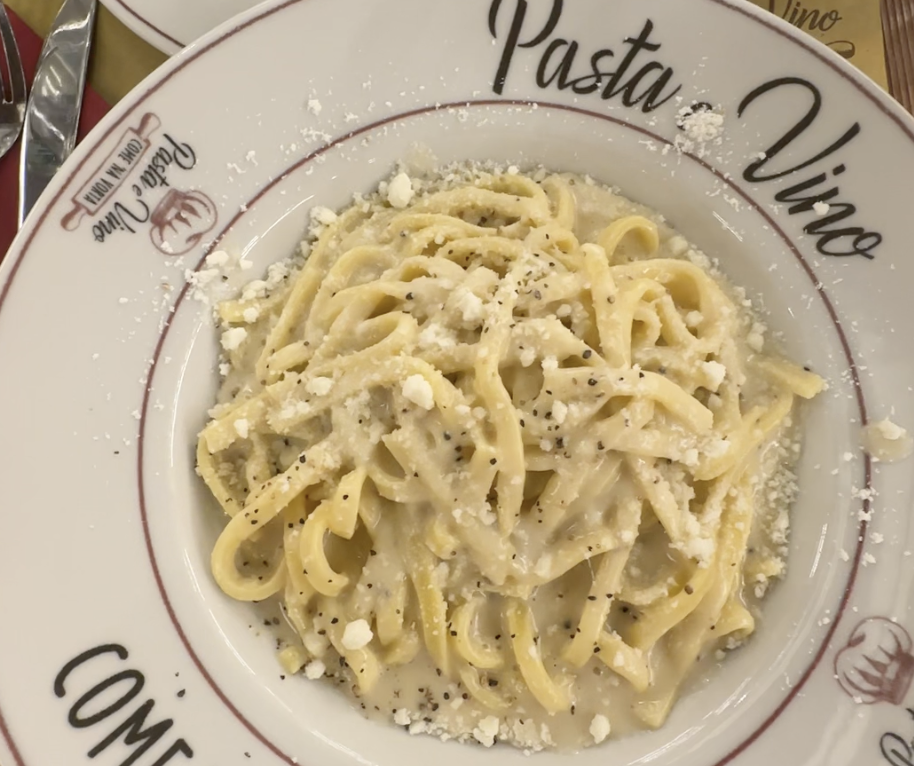
Dinner was another pasta feast with a Roman classic, Cacio e Pepe (82 grams), which was probably the best pasta I had in Italy so far. I also got another beer (26 grams) for the carbs specifically, and half a burrata (1 gram), which was just—dare I say it?—heavenly. Of course, I ended the day with more gelato (42 grams), which also happened to be the best gelato I had in Italy so far. An evening of bests! But how did I do on the carb loading? Let’s check the tally. 

Day 2 Total: A day well spent with plenty of pasta and carbs, I consumed 398g! Well within the range. Celebrate! But the next day, carbs may be harder to come by. 

Day 3: 

Our travel day to Assisi started with a quick breakfast of a cream-filled croissant (25 grams), cappuccino (4 grams), half a meringue (8 grams), and half a cookie (10 grams) before we headed off to the train station. 

All and all, it was a five hour journey from Rome to Assisi. 

Upon arriving at the villa for the wedding, dinner was a BBQ affair. Unfortunately, it wasn’t very carb-heavy, but I did enjoy some bread (14 grams), two beers (52 grams), wine (3.8 grams), and a tiramisu (32 grams). After dinner, we did discover these Nutella cookies (36 grams) and Focaccia flavored Pringles (4 grams). 

Day 3 Total: Carbs were a bit sparse, and even with the extra snacking, I missed my mark this day with only 188.8g. To be expected, but all is good. More meals to come. 

Day 4:

Today, our wedding party had plans to explore the town of Assisi. 

Before heading out, I had some room bread with jam (56 grams). 

Then while touring the town, I, of course, had to grab a gelato (42 grams) to get a little pick me up from being on my best behavior in the church. 

We continued our tour, got caught in the rain and then we took a break to grab some lunch. 

Lunch featured a Prosciutto Sandwich (45.5 grams) and finally, some sort of craft beer aka not Perronis (26 grams). More gelato followed (42 grams), I was getting adventurous with this one — I literally got licorice flavor, and you know what… It’s pretty good! Forgive me, I have sinned. 

Before we returned to the villa, we enjoyed a glass of wine (3.8 grams), focaccia bread (21 grams), some salty meat and cheese (which probably had little to no carbs, but was so good) and a macchiato (1 gram). 

Gnocchi

Dinner was the highlight of the evening that started with a gnocchi-making class where we then got to enjoy our creation (156 grams), I washed that down with a beer (26 grams). 

For dessert, I tried Zuppa Inglese (34 grams) which is like trifle, and if you’re like me and you don’t know what trifle is… well, it’s a thing of little value or importance.  We stayed up late this night, watched the lightning storm roll in and out, and I stayed up for about an hour extra alone in the kitchen, snacking on Nutella (21g), jam (13g) and Fetta Dorate (39 grams), which are these melba toast things.

Day 4 Total: An excellent day of eating, there seemed to be a little of everything and it all tallied up to 526.3g. Mission accomplished! Well, for this day at least. 

Day 5:

Today is a big day! The wedding day! 

The morning started with cappuccino (4 grams) and biscuits (12 grams). The groom’s father treated us to a variety of Middle Eastern sweets (40 grams).

Lunch included two ham sandwiches (96 grams) and a beer (26 grams). Not sure about the science of carb loading with beer, but I wonder if all the alcohol may have negative effects on my race. I guess we’ll never know. 

Then, we had the wedding and afterwards, I snacked on some Hors D’oeuvre (28g)

Finally, we sat down for the wedding dinner, which included a couple of Arancinis (10.8 grams), bread (14 grams), Farro Salad (35.5 grams), Risotto (54 grams), and potatoes (9 grams). There was also a meat dish there as well. It was really good, but sadly, no carbs, so we don’t need to talk about it any further. 

Mille Feuille Cake

For dessert, there was this really awesome Mille Feuille (18.5 grams) cake.

Day 5 Total: Yes, while I did consume 346.8g of carbs one must believe that I burned all of it off on the dance floor that night… and let’s not forget an impromptu workout session that… might have been detrimental to my tapering. One will find out later. 

Day 6:

Well, our stay at the villa is over. 

After a final breakfast of beans (10 grams), pita (16 grams), baklava (14.5 grams), and what I believe is called basbousa (20 grams), we caught the train back to Rome. 

The funny thing about traveling in Italy is that you never really know how long a journey will take. What we expected to be a 3 hour direct ride back to the city, ended up taking over 5 hours thanks to some delays and a mid-ride train switch half way through. So… we didn’t get back into Rome until late that evening. 

Still we made the most of our last night, and I did all I could do to load up on carbs in just one meal.  

Anchovy Pizza

Dinner in Rome was a carb-lover’s dream with a beer (26 grams), Anchovy Pizza (99 grams), Suppli (34.4 grams), and Pasta Marinara (98 grams). Of course, I capped it off with gelato (42 grams).

Day 6 Total: An excellent final night of indulgence before heading back home gave me a total of 359.9g

Day 7: Farewell to Italy

And just like that.. Our Italian trip was over. It’s time to say goodbye to the humidity and the old stuff, and return to Vancouver.

But not before we had one last breakfast. Our last morning in Italy included a cappuccino (4 grams) and a cream-filled donut (58 grams). 

At the airport, I enjoyed a final Italian meal: half a croquette (3.9 grams), half an arancini (2.7 grams), pizza (50 grams), and lasagna (35 grams). For the flight, I had a chocolate croissant (33 grams) and half a donut (20 grams), with additional pasta onboard (49 grams).

And let’s not forget about the A&W burger (35g) and fries (54g) I got during layover.

Day 7 Total: It was a sweet ending to my Italian adventure, giving me a total of 344.6g. Although the last few days in transit made it hard to get all the carbs in… it doesn’t change the fact that when I did get some carbs in, it was delicious.


Italy turned out to be a great trip, but I did return real sore and tired. I’m really thankful for the extra day of rest before the race. Do I recommend going to Italy for a taper/carb loading experience? Yes! But you should actually plan out the meals a little better than I did. And make sure you also have a few more days to rest. 

Of course, once I got home, I was able to fill up a bit more and spend the whole day Saturday recovering before getting my race package and dropping off my bike on Sunday. 

Could I be more rested and carbed up? Yes, I could. But I could also say the same about training and pretty much every factor of my preparation. Life is life, and I’m as good as I am going to be. 

So… here it comes… the race. 

Join my YouTube community for insights on writing, the creative process, and the endurance needed to tackle big projects. Subscribe Now!

For more writing ideas and original stories, please sign up for my mailing list. You won’t receive emails from me often, but when you do, they’ll only include my proudest works.